
Nutritional Powder Processing Technology: A Practical Guide from Formulation to Finished Product
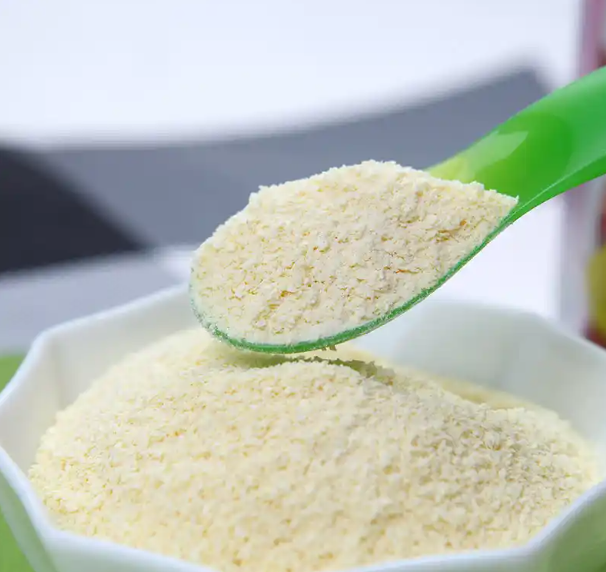
1. Introduction “Nutritional powder” is a broad category that includes protein powders, meal-replacement powders, infant and elderly nutrition mixes, sports nutrition, and functional blends fortified with vitamins and minerals. Although recipes vary, successful production relies on a common set of processing principles: ingredient quality control, hygienic handling, accurate dosing, effective blending, particle engineering, and packaging that protects stability. This article outlines a typical industrial process for nutritional powder manufacturing and the key control points that determine safety, consistency, and shelf life. 2. Ingredient Selection and Incoming Quality Control Nutritional powders often combine macronutrients (proteins and carbohydrates) with sensitive micronutrients (vitamins, minerals) and functional additives. Common ingredients Incoming checks typically include […]
Baby Rice Cereal Processing Technology: From Grain Selection to Safe, Instant Nutrition
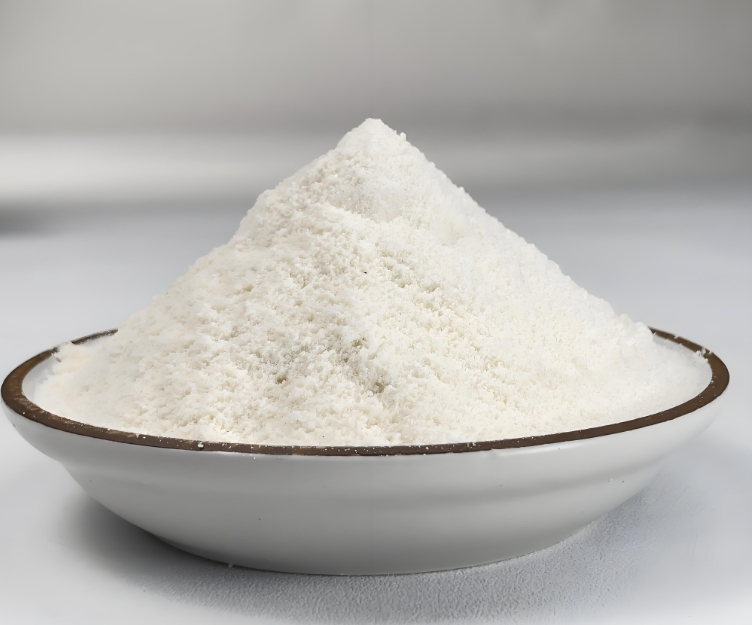
1. Introduction Baby rice cereal is one of the most widely used complementary foods during infancy because it is mild in flavor, easy to digest, and suitable for fortification. Unlike ordinary rice flour, infant cereal must meet stricter requirements for food safety, nutrient accuracy, solubility/instant dispersibility, and low contamination risk. This article explains a typical industrial processing flow for baby rice cereal and the key control points that ensure quality and safety. 2. Raw Material Selection and Receiving Processing begins with selecting rice that is consistent and low in contaminants. Key requirements Incoming lots are typically tested and accepted only if they meet infant-food specifications. 3. Cleaning, De-Stoning, and Metal […]
Uses of Textured Protein: What It Is and Where It’s Applied
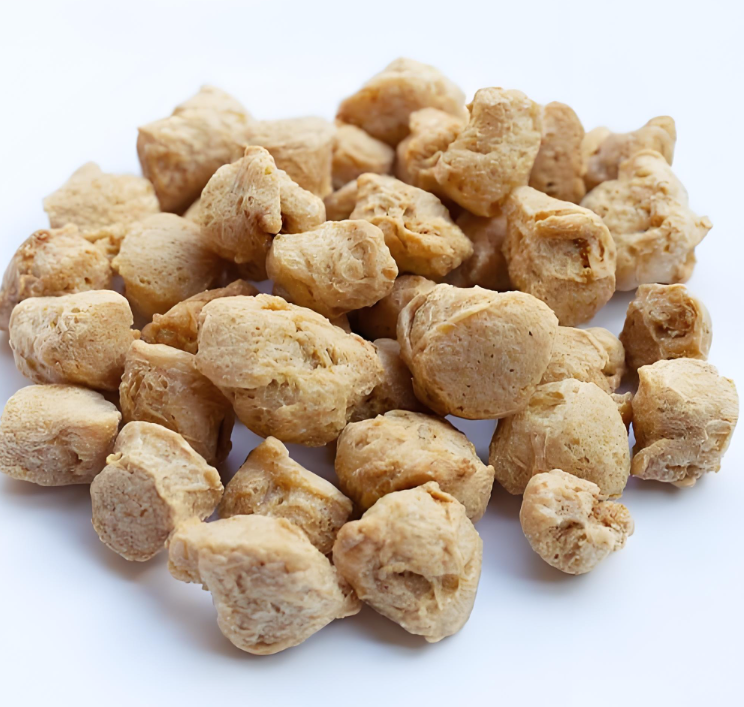
1. What “Textured Protein” Means Textured protein (often called textured vegetable protein, TVP, when plant-based) is a protein-rich ingredient processed to form a fibrous or porous structure that mimics the bite of meat. soya chunk making machine It is commonly made from soy, pea, wheat (gluten), or other plant proteins. The texture is typically created through extrusion, followed by drying into granules, chunks, strips, or mince-like shapes. Because it is shelf-stable, relatively neutral in flavor, and absorbs water and seasonings well, textured protein is used widely across the food industry. 2. Core Uses in Food Products A. Meat Alternatives (Plant-Based “Meat”) Textured protein is a backbone ingredient in many meat-free […]
Inside the Factory: Revealing How Corn Snack Sticks Are Made
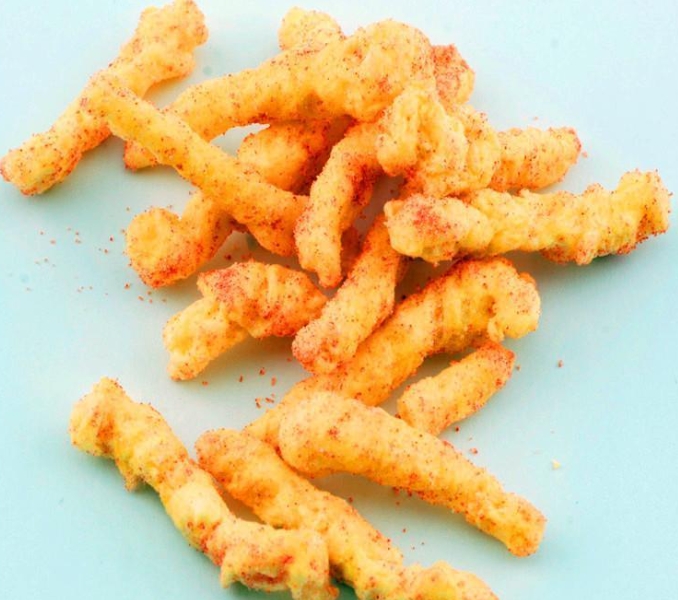
Corn sticks (often called corn curls, puffed corn sticks, or “corn puffs”) look simple—light, crunchy, brightly flavored. But behind that airy bite is a highly engineered process designed for speed, uniformity, and long shelf life. Kurkure making machine This article breaks down the typical industrial workflow, explains what actually creates the “puff,” and highlights the less-discussed steps that shape texture, flavor, and nutrition. 1) What Corn Sticks Really Are Most corn sticks are extruded snacks. That means a wet, starchy mixture is forced through a machine (an extruder) under high heat and pressure, then suddenly released to normal pressure at the die. Kurkure making machine The rapid pressure drop flashes […]
Fortified Rice Processing Technology: From Grain to High-Quality, Value-Added Products
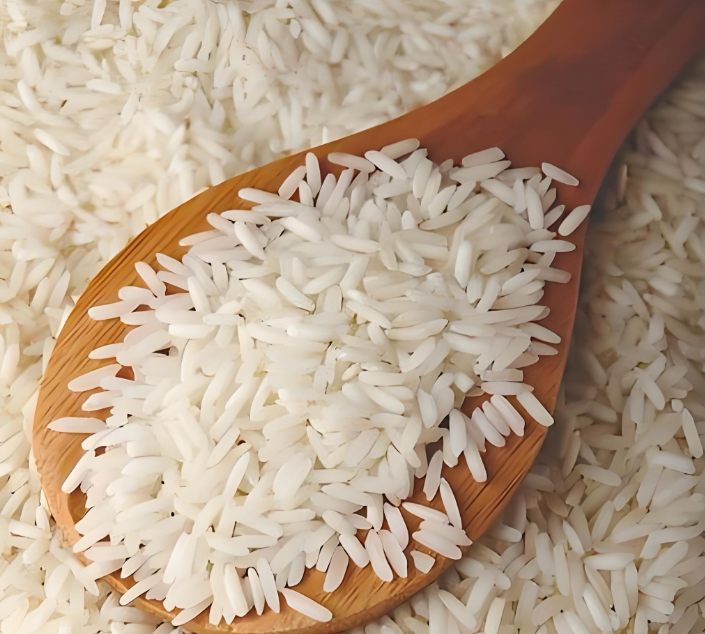
1. Introduction Rice is a staple food for more than half of the world’s population. fortified rice making machine As consumer expectations rise—demanding better taste, safer products, longer shelf life, and improved nutrition—rice processing must evolve beyond basic milling. “Enhanced rice processing” refers to upgrading the full chain of post-harvest operations through improved equipment, tighter quality control, smarter process design, and value-added technologies such as parboiling, fortification, and precision polishing. This article outlines key steps in modern rice processing and practical approaches to strengthen the process for quality, efficiency, and sustainability. 2. Raw Material Control and Post-Harvest Handling High-quality processing begins with high-quality paddy. Key practices Strengthening this stage reduces […]
 Japanese
  English
  Russian
  Spanish
  Italian
  Arabic
  Portuguese
  German
  French
  Moroccan Arabic
  Persian
  Belarusian