
Drying Techniques for Corn Flakes (Breakfast Cereal)
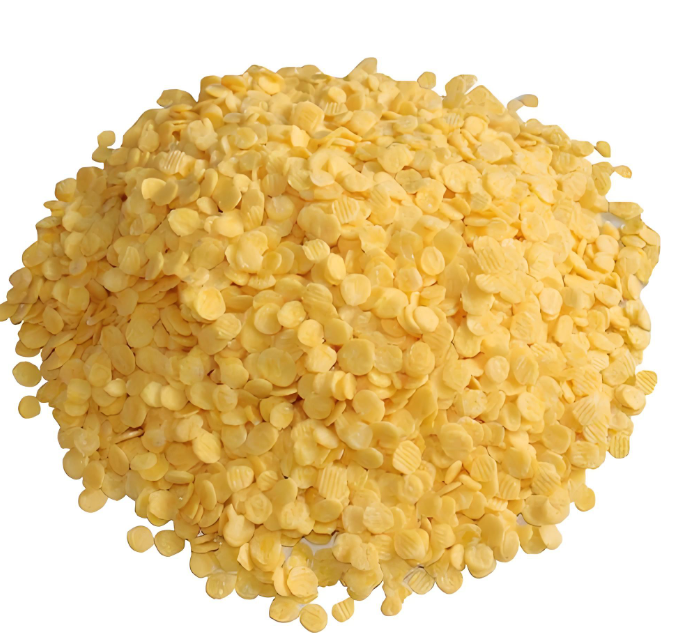
Drying is one of the most important operations in corn flakes manufacturing. It determines crispness, color development during toasting, breakage rate, and shelf life. Effective drying is not only about removing moisture quickly—it is about removing it uniformly while protecting flake structure and preparing the product for stable, consistent toasting. 1) Understand the Role of Drying in Corn Flakes In a typical process, drying is used in two main places: Good drying control prevents common problems such as over-browning, blistering, sticking, fragile flakes, and uneven crunch. 2) Control Moisture Uniformity (Not Just Average Moisture) Corn flakes can show a correct “average moisture” but still dry poorly if moisture is uneven. […]
The Flaking (Rolling) Process for Breakfast Cereal Corn Flakes
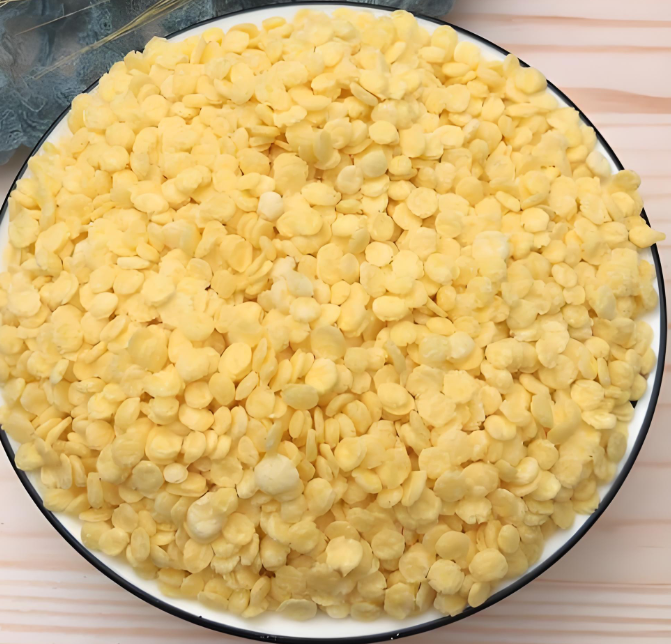
In corn flakes production, the flaking (rolling) process is the key step that transforms cooked corn pellets (“grits gems”) into the thin, uniform flakes that can be toasted into a crispy, ready-to-eat cereal. A well-controlled flaking operation directly affects flake thickness, breakage rate, toast uniformity, texture, and final product appearance. 1) Purpose of the Flaking Step The main objectives of flaking are to: 2) Product Condition Before Flaking High-quality flaking starts with properly prepared pellets. Before entering the flaking rolls, pellets are typically: If pellets are too wet, flakes may smear and stick to the rolls; if too dry, they crack and generate excessive breakage. 3) Flaking Equipment and Key […]
Processing Method for Breakfast Cereal Corn Flakes
Corn flakes are a classic ready-to-eat breakfast cereal made primarily from corn grits or corn flour. Their characteristic thin, crispy texture and toasted flavor come from a controlled process that includes cooking, forming, flaking, drying, and toasting. Below is a practical overview of the standard industrial processing method. 1) Raw Material Preparation Most corn flakes start with corn grits (degermed and dehulled) for a clean flavor and stable shelf life. Typical supporting ingredients may include: Raw materials are inspected for moisture, particle size, and impurities, then stored and dosed according to the recipe. 2) Mixing and Pre-Conditioning Dry ingredients are blended to ensure uniform distribution of salt, sugar, and premixes. […]
Introduction to a Food Puffing (Extrusion) Machine
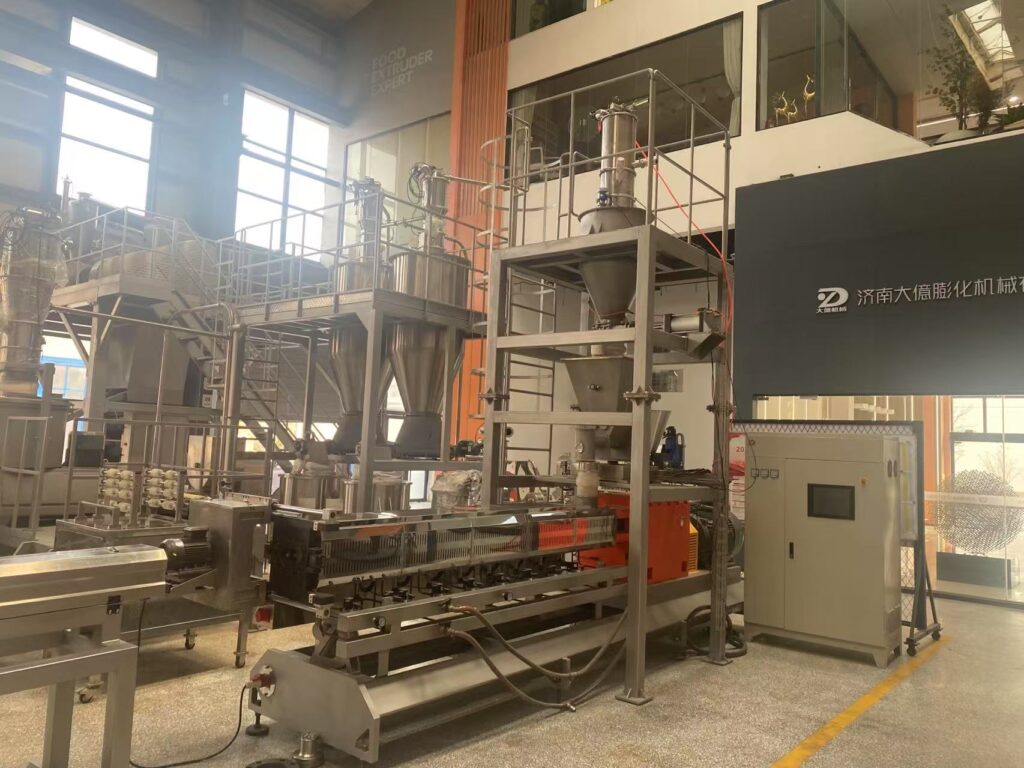
A food puffing machine—often referred to as a puff extruder or extrusion puffing machine—is industrial equipment designed to produce light, crispy, expanded snack products by combining mixing, cooking, pressurizing, and shaping in a continuous process. It is widely used in the manufacture of puffed snacks, breakfast cereals, pet foods, and various grain-based convenience products. How It Works The puffing process is based on a simple physical principle: high temperature and pressure inside the barrel, followed by rapid pressure release at the die outlet. Key Components A typical puffing machine includes: Types of Puffing Machines Applications Food puffing machines are highly versatile and can produce: Advantages Conclusion A food puffing machine […]
Processing Technology of Soy Protein Texturates (Textured Soy Protein, TSP/TVP)
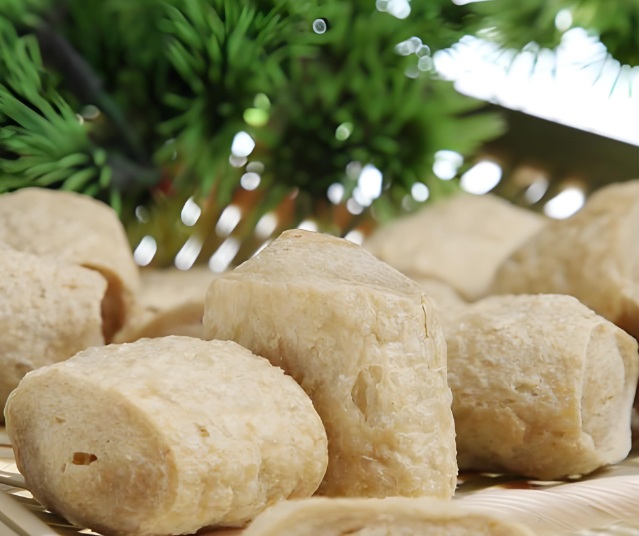
Processing Technology of Soy Protein Texturates (Textured Soy Protein, TSP/TVP) 1. Introduction Soy protein texturates—commonly referred to as textured soy protein (TSP) or textured vegetable protein (TVP)—are structured protein ingredients designed to mimic the fibrous bite and water-holding behavior of meat. They are widely used in plant-based meat analogs, hybrid meat products, ready meals, and convenience foods due to their high protein content, neutral flavor base, and excellent rehydration and binding properties. Industrial production of soy protein texturates relies mainly on thermo-mechanical extrusion, where controlled heat, shear, and pressure transform soy proteins into anisotropic, porous structures. 2. Raw Materials and Formulation The most common soy-based feedstocks include: Typical formulations may […]
 Japanese
  English
  Russian
  Spanish
  Italian
  Arabic
  Portuguese
  German
  French
  Moroccan Arabic
  Persian
  Belarusian