
Corn Flake Drying & Toasting: The Critical Process for Crunch and Flavor
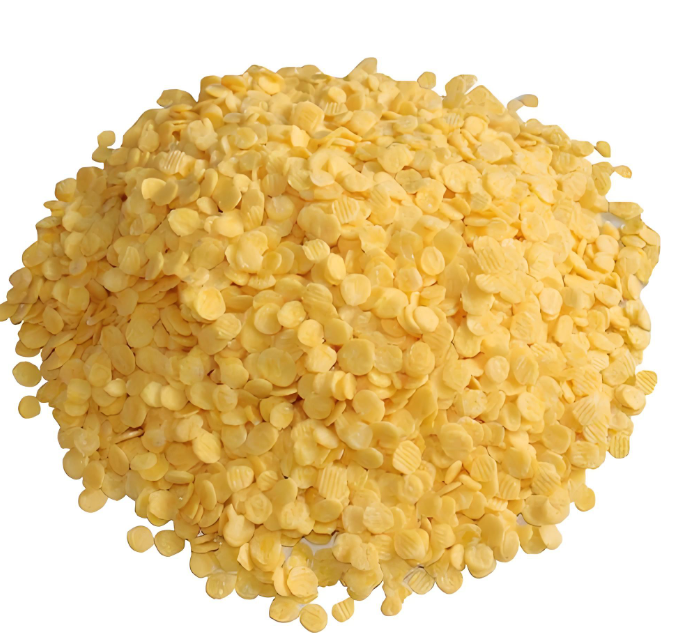
Introduction The drying and toasting stage is arguably the most transformative phase in corn flake manufacturing. While often simplified as “toasting” on cereal boxes, this high-heat process is a precisely engineered thermal operation that determines the final product’s texture, stability, flavor, and shelf life. This stage converts soft, malleable flakes into the crisp, golden, and stable breakfast cereal consumers expect. The Core Objectives of Drying/Toasting This single-stage process serves multiple critical functions: Industrial Drying Systems: Design and Operation Modern cereal plants utilize one of two primary dryer designs, both operating as continuous conveyors through precisely controlled thermal zones. 1. Multi-Pass Conveyor Dryers (Most Common) 2. Fluidized Bed Dryers (For Enhanced […]
The Reality Behind the Crunch: How Breakfast Corn Flakes Are Really Made
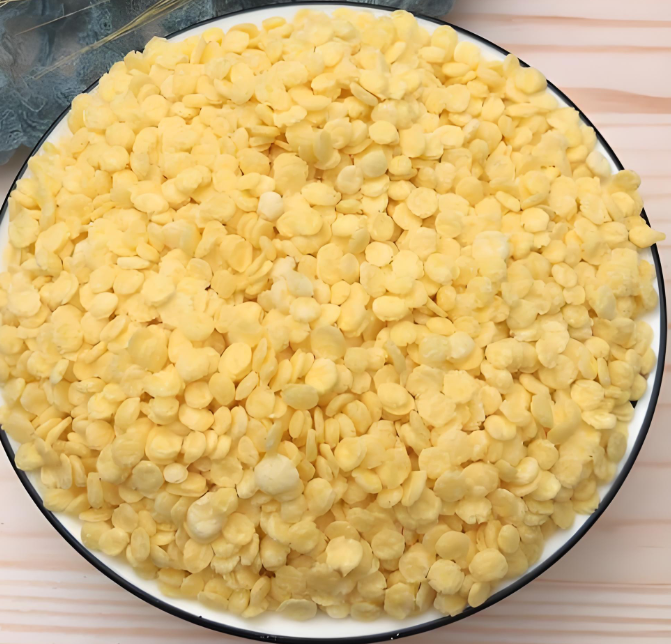
Introduction Walk down any supermarket cereal aisle and you’ll find bright boxes promising “wholesome,” “natural,” and “nutritious” breakfast corn flakes. The marketing depicts golden fields, sunshine, and simple goodness. But the industrial reality of how most commercial corn flakes are manufactured tells a different story—one involving extreme processing, significant nutrient loss, and the creation of what nutritionists call “hyper-palatable” food products. The Industrial Corn Flake Production Line: A Step-by-Step Dissection 1. Raw Material: Not Just Simple Corn Contrary to the pastoral imagery, the primary ingredient isn’t simply dried corn kernels. Most large manufacturers start with degerminated corn grits or corn meal—corn that has had its fiber-rich bran and nutrient-dense germ […]
A Guide to Manufacturing Floating Fish Feed
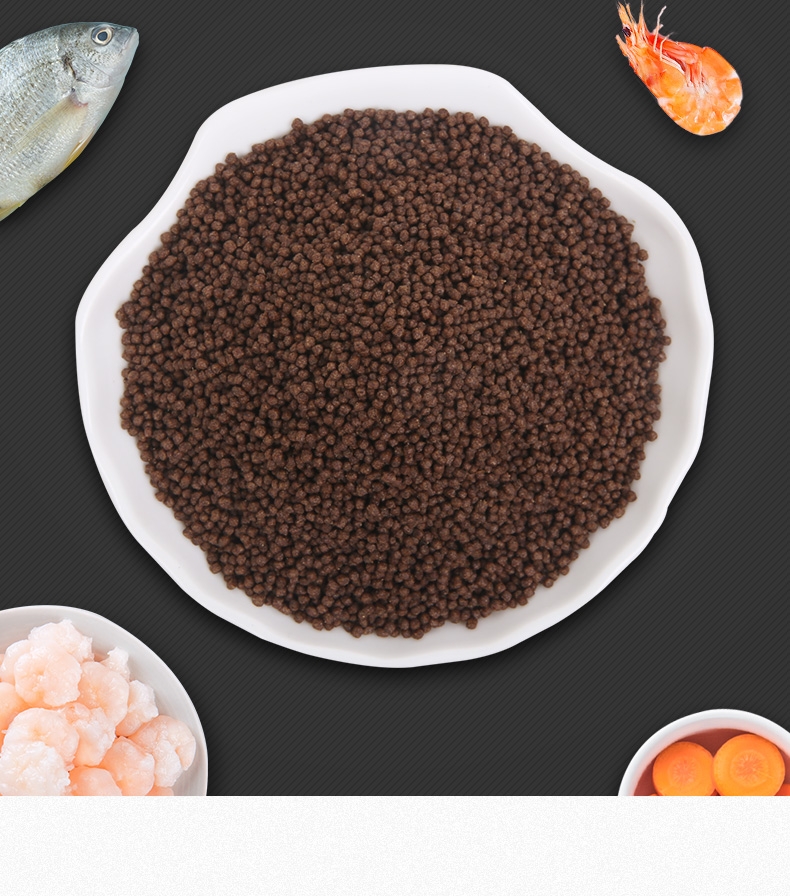
A Guide to Manufacturing Floating Fish Feed Floating fish feed, also known as extruded or expanded feed, is a cornerstone of modern aquaculture, particularly for surface-feeding species like tilapia, catfish, and carp. Its key characteristic—the ability to remain buoyant on the water surface for an extended period—allows for direct observation of feeding behavior, reduces waste, and improves feed management. Manufacturing this type of feed involves a specific process centered around high-temperature, high-pressure extrusion. 1. Raw Material Selection and Grinding The process begins with a nutritionally balanced formula containing proteins (e.g., fishmeal, soybean meal), carbohydrates (e.g., corn, wheat flour), lipids, vitamins, and minerals. A high starch content (typically 20-30%) is crucial, […]
A Guide to Manufacturing Fish Feed with Varied Pellet Sizes
The production of fish feed in specific pellet sizes is a critical aspect of modern aquaculture. Different fish species, and even different life stages within the same species, fish feed making machine require feed of appropriate dimensions for optimal consumption, growth, and feed conversion efficiency. Manufacturing these varied sizes involves a controlled process where formulation, grinding, conditioning, pelleting, and post-processing are key. 1. Formulation and Raw Material PreparationThe process begins with formulating a nutritionally balanced diet using ingredients like fishmeal, soybean meal, cereals, vitamins, and minerals. Regardless of the final pellet size, these raw materials are first ground into a fine, uniform powder (meal). fish feed making machine The fineness […]
Key Considerations in Fish Feed Processing: Ensuring Quality and Efficiency
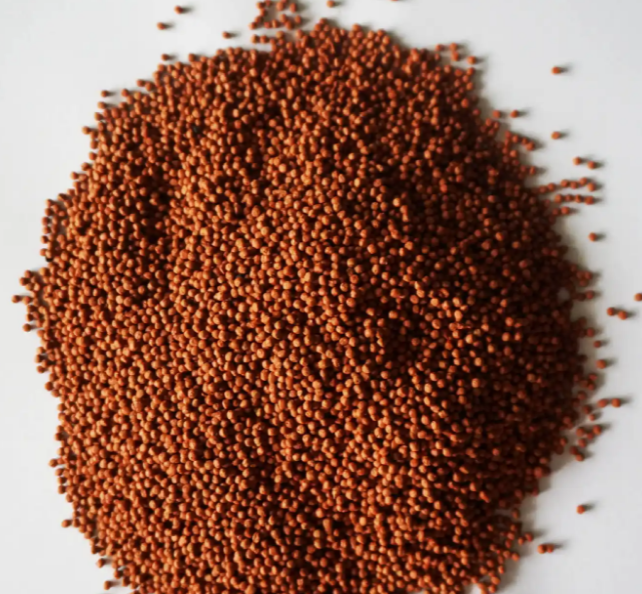
The processing of fish feed is a critical stage where formulation meets functionality. Even with the best raw materials, poor processing can lead to nutrient loss, poor digestibility, physical failure, and ultimately, negative impacts on fish health and water quality. Here are the essential considerations to ensure high-quality fish feed production. 1. Grinding and Particle Size Reduction 2. Mixing and Homogeneity 3. Conditioning: The Pre-Cooking Stage 4. Extrusion Processing ParametersThis is the heart of modern aquafeed production and requires meticulous control of multiple variables: 5. Drying and Cooling 6. Post-Processing: Liquid Coating (Vacuum or Spray) 7. Physical Quality Control During ProcessingConstant in-line checks are essential: 8. Sanitation and Cross-Contamination ConclusionSuccessful […]
Crafting High-Quality Fish Food: A Comprehensive Guide
Producing high-quality fish food is both an art and a science, essential for the health, growth, and vibrant coloration of aquarium fish, farmed species, or ornamental koi. Superior nutrition directly impacts fish immunity, vitality, and water quality. Here is a detailed guide on the key principles and steps involved in manufacturing premium fish food. 1. Formulation: The Foundation of NutritionA balanced formulation caters to the specific dietary needs of the target species (e.g., herbivorous, carnivorous, or omnivorous). Key components include: 2. Ingredient Sourcing and Quality ControlThe quality of the final product cannot exceed the quality of its ingredients. Source raw materials from reputable suppliers with certificates of analysis. Implement strict […]
How Dog Food Is Flavored: Methods Used to Improve Palatability
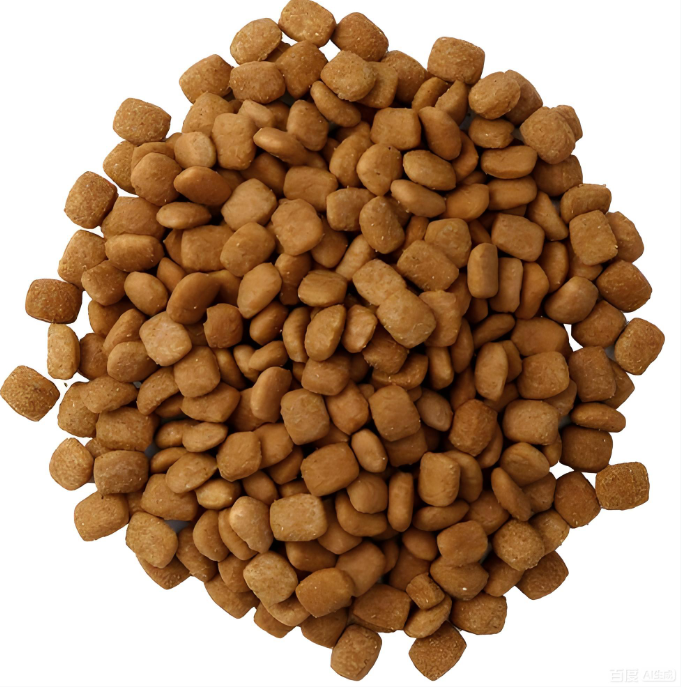
“Flavoring” dog food is mostly about palatability—making a product smell and taste appealing enough that dogs will eat it consistently—while still meeting nutrition, safety, and shelf-life requirements. In manufacturing, dog food making machine price flavor is built through a mix of ingredients, processing, and post-cooking coatings, not just “seasoning” in a kitchen sense. This article explains the main ways dog food is flavored, especially in dry kibble and treats. 1) What “flavor” means for dogs Dogs experience food differently from humans: So manufacturers focus heavily on aroma release, fat systems, and surface coatings. 2) Build baseline flavor in the core recipe Before any coating, the formula itself contributes flavor through: […]
How to Control Moisture in Dog Food (From Mixing to Packaging)
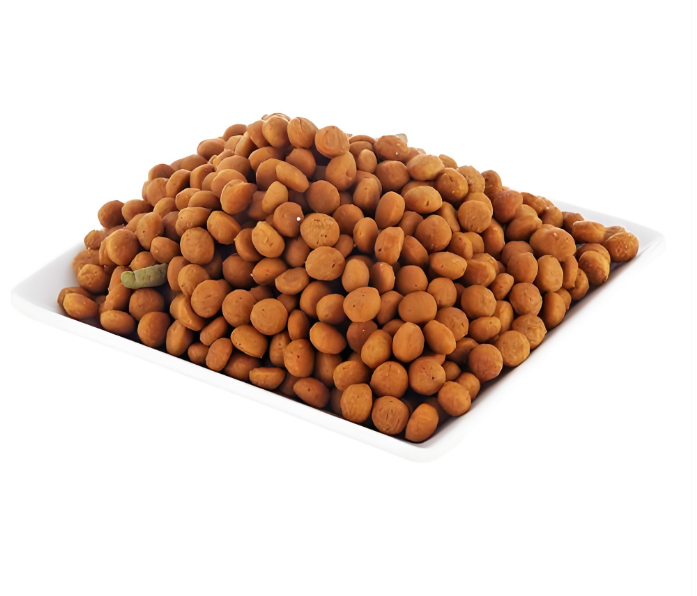
Moisture control is one of the most important parts of dog food manufacturing. It affects safety, shelf life, texture, palatability, and even how well the product runs through equipment. dog food making machine Whether you’re making extruded kibble, baked biscuits, or semi‑moist treats, the goal is the same: hit a moisture target consistently and prevent moisture from drifting during storage. Below is an overview of how manufacturers control dog food moisture—step by step. 1) Know what you’re controlling: moisture vs. water activity Two concepts matter: Two products can have the same moisture % but different aw depending on salts, sugars, humectants, and structure. In practice, plants track both (especially for […]
What a Dog Food “Processing Formula” Looks Like (From Recipe Design to Factory Production)
When people hear “dog food formula,” they often imagine a kitchen-style recipe: chicken, rice, carrots, then bake it. In real pet-food manufacturing, a formula is closer to an engineering specification—a set of targets (nutrition, texture, cost, shelf life) translated into ingredient percentages that will run reliably on equipment like mixers, extruders, dryers, and coaters. This article explains what a typical dog food processing formula includes, dry dog food making machine how manufacturers build it, and why the final recipe looks the way it does. 1) The real purpose of a manufacturing formula A commercial formula must do more than “sound healthy.” It must: So the “processing formula” is built around […]
How to Manufacture Dog Food in Many Different Shapes (Stars, Bones, Rings, and More)
Dog food doesn’t have to look like plain brown pellets. In modern pet-food plants, manufacturers can produce kibbles and treats in a wide range of shapes—bones, hearts, stars, fish, triangles, pillows, rings, letters, and custom logos—while still meeting nutrition and safety targets. The secret is combining the right forming technology with the right recipe and process controls. This article explains the main industrial methods used to make dog food in varied shapes and what it takes to keep those shapes consistent at scale. 1) Start with the shape goal: kibble, semi-moist, or hard biscuit? Different textures support different shaping methods: Choosing the product type first prevents “pretty shapes” from collapsing […]
How to Dry Dog Food: A Practical Guide to Making Safe, Shelf-Stable Kibble or Treats
Drying dog food is mainly about removing moisture to slow microbial growth, reduce spoilage, and create a stable texture. Whether you’re drying homemade dog treats at home or drying cooked pieces in a small-scale production setting, the principles are the same: control time, temperature, airflow, thickness, and final moisture. Below is a clear, step-by-step explanation of how dog food is typically dried and what to watch for. 1) Choose what you are drying (and why it matters) Different products dry differently: Rule of thumb: thinner pieces + lower fat = easier, safer drying. 2) Pre-cook or not? (Safety first) Drying is not always a reliable “kill step” by itself, especially […]
How Dog Food Is Made with an Extruder (Kibble Production Explained)
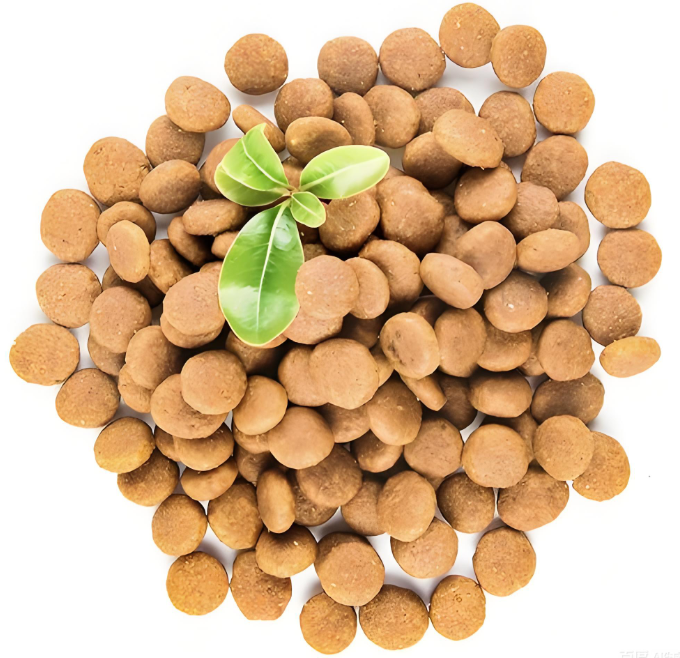
Most dry dog food (kibble) is produced using extrusion, a high-throughput cooking and shaping process that turns a blended “dough” into uniform, shelf-stable pieces. Below is a practical, step-by-step look at how a typical extruded kibble line works—from raw materials to packaged bags. 1) Ingredient preparation and receiving A kibble formula usually combines: Ingredients arrive in bulk trucks, totes, or bags, then are sampled and tested (common checks include moisture, protein/fat, and contamination screening depending on the plant’s QA program). 2) Grinding (particle size control) Many dry ingredients are run through a hammer mill or grinder to achieve consistent particle size. This matters because: 3) Batching and mixing A batching […]
 Japanese
  English
  Russian
  Spanish
  Italian
  Arabic
  Portuguese
  German
  French
  Moroccan Arabic
  Persian
  Belarusian