
The Baking/Drying Process for Fortified Rice Premix Kernels

1. Introduction Unlike parboiled or roasted rice, the baking process in fortified rice production refers specifically to the drying and thermal stabilization of the extruded premix kernels before they are blended with regular rice. This is a critical, high-precision unit operation that determines the structural integrity, shelf stability, and cooking compatibility of the nutrient-dense kernels. The goal is to produce a durable, shelf-stable kernel that perfectly mimics natural rice in cooking behavior and appearance. 2. Process Context: Post-Extrusion The baking stage occurs immediately after the shaping extrusion process: 3. The Baking/Drying Process: Technology and Stages Industrial production uses multi-zone conveyor dryers (belt dryers) designed for gentle, uniform drying. Stage 1: […]
The Manufacturing Reality of Fortified Rice: From Broken Kernels to Nutrient Claim
Introduction: The Public Health Promise vs. Industrial Reality Fortified rice is promoted globally as a cost-effective, scalable solution to combat micronutrient deficiencies (e.g., iron, zinc, folic acid, Vitamin A) in staple food. While its public health intent is valid, the industrial process reveals a complex intervention far removed from the natural grain, raising questions about nutrient efficacy, cost, and transparency. Part 1: The Core Deception – It’s Not “Enriched Rice,” It’s a Blend The most critical, often under-communicated fact is that 99% of fortified rice is not what it appears to be. Consumers and even program beneficiaries are led to believe each kernel is enriched. Part 2: The Premix Kernel: […]
Processing Technology for Fortified Rice (Nutri-Rice)

1. Introduction Fortified rice, also known as nutri-rice, is an innovative food product designed to address micronutrient deficiencies through the enrichment of conventional rice. The core technological challenge lies in effectively incorporating essential vitamins and minerals—such as iron, zinc, folic acid, and vitamins A, B1, B3, and B12—into rice kernels in a manner that ensures nutritional stability, minimal impact on sensory qualities, and compatibility with traditional cooking methods. 2. Key Production Methods Three primary industrial methods are employed, each with distinct technical and economic considerations. A. Coating Technology (Surface Fortification) B. Dusting Technology (Dry Blending) C. Extrusion & Shaping Technology (Hot/Warm Extrusion) This is the most advanced and prevalent method […]
Critical Considerations in Puffed Snack Food Production
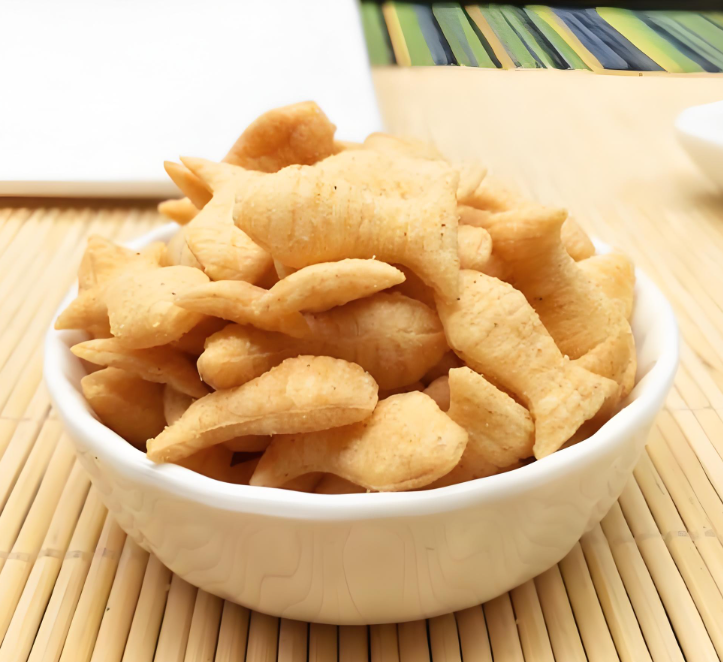
Introduction Puffed snack production is a sophisticated, multi-stage process that balances food science with high-speed manufacturing. Success requires meticulous attention to detail across all operations—from raw material selection to final packaging—to ensure consistent product quality, safety, and shelf stability. This document outlines the key technical and operational considerations essential for efficient and compliant production. 1. Raw Material Selection and Specification Management 2. Process Control in Extrusion and Cooking 3. Thermal Processing (Drying/Toasting/Baking/Frying) 4. Seasoning Application and Adhesion 5. Food Safety and Sanitation 6. Quality Assurance and Consistency 7. Packaging Integrity 8. Energy Efficiency and Sustainability Conclusion Producing high-quality puffed snacks consistently at an industrial scale is an exercise in precision […]
Manufacturing Variously Shaped Puffed Snacks: Technology and Methods
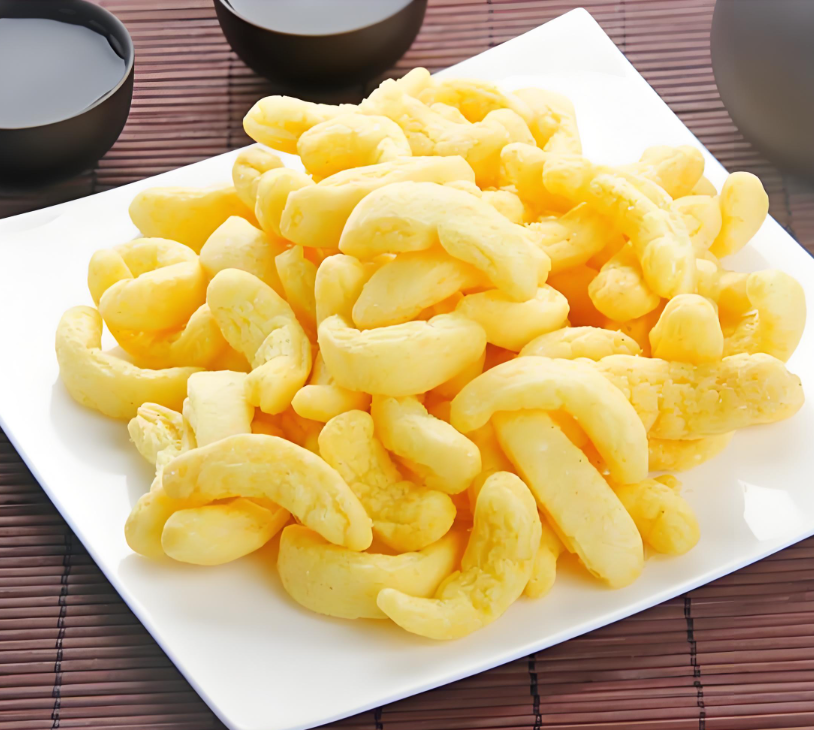
1. Introduction to Shape Formation The diverse and often intricate shapes of puffed snacks—from classic balls and curls to stars, rings, and three-dimensional animal figures—are not merely decorative but serve functional purposes in enhancing texture, mouthfeel, and seasoning adhesion. The creation of these shapes is a core competency in snack food engineering, primarily achieved through extrusion die design, cutter technology, and forming processes. 2. The Primary Method: Extrusion Die and Cutter Design Most shaped snacks are produced via cooking extrusion, where the shape is determined at the final stage of the extruder. A. The Role of the Die PlateThe die is a thick, hardened metal plate mounted at the end […]
A Technical Guide to Baking (Oven-Puffing) for Snack Foods
1. Introduction to Baked/Puffed Snack Technology Baking, as an alternative to frying or extrusion-puffing, is a thermal process used to produce expanded, low-density snacks from starch-based or protein-rich doughs. It utilizes hot air or a combination of convective and radiant heat to gelatinize starches, vaporize moisture, and set a porous structure. Baked snacks are often marketed as a “better-for-you” option due to their significantly lower fat content compared to fried counterparts, appealing to health-conscious consumers. 2. The Science of Oven-Puffing The expansion mechanism in baking relies on controlled moisture vaporization: 3. Key Production Process Steps The manufacturing of baked puffed snacks involves a sequence of precise unit operations. Step 1: […]
Flavoring Technology for Puffed Snack Foods
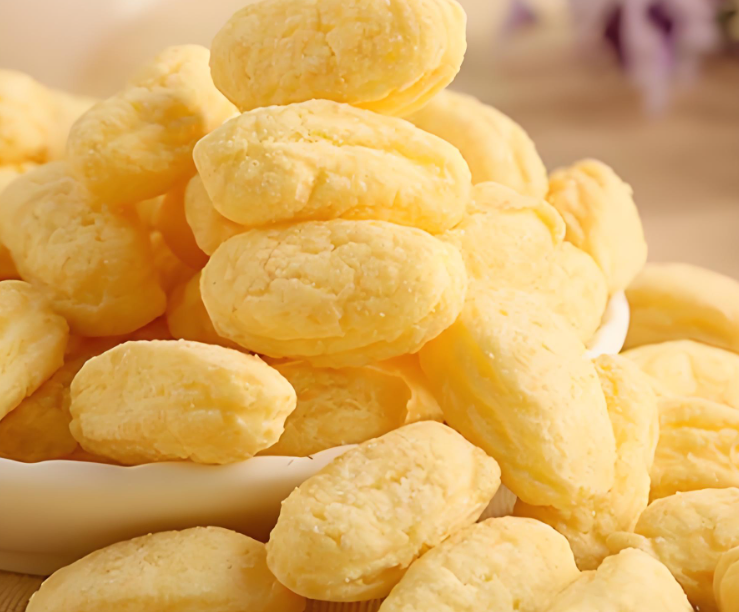
Introduction Flavoring is the critical final transformation in puffed snack production, converting bland, expanded starch bases into crave-worthy, differentiated products. This process requires precise engineering to ensure flavor uniformity, stability, and consumer appeal. Modern seasoning technology balances sensory science with industrial-scale application. 1. Core Flavor Delivery Systems Puffed snacks utilize three primary seasoning methods: A. Powder Coating (Dry Seasoning) B. Oil-Based Slurry Coating C. Compound Seasoning (Wet-Dry Combination) 2. Industrial Application Equipment Rotary Drum Seasoners (Most Common) Fluidized Bed Coaters Enrobing Belts (For Heavy Coating) 3. Flavor Science & Formulation Principles Flavor Layering TechnologyEffective seasoning creates a temporal sensory experience: Key Interactions & Challenges 4. Quality Control Parameters Analytical Metrics […]
Market Outlook for Savory Snacks (Puffed/Torrefied)
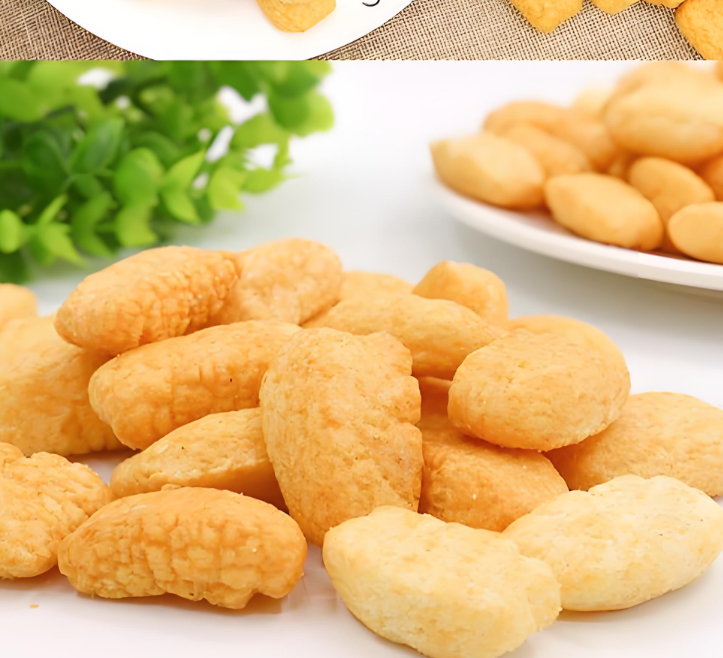
1. Executive Summary The global savory snacks market, with puffed and extruded products as a dominant sub-segment, is poised for robust growth driven by urbanization, rising disposable incomes, and evolving consumer lifestyles. Valued at approximately USD 200 billion in 2024, the segment is expected to grow at a CAGR of 5-7% through 2030. Growth will be driven less by volume expansion of traditional products and more by premiumization, health-conscious innovation, and experiential consumption. The industry’s future hinges on navigating a fundamental paradox: offering indulgent, crave-worthy textures while aligning with modern wellness and sustainability demands. 2. Current Market Landscape & Key Drivers 3. Mega-Trends Shaping the Future The market is undergoing […]
Processing Technology of Puffed Snack Foods
Abstract: Puffed snack foods represent a major segment of the global snack industry, characterized by their light, crispy texture, diverse shapes, and broad flavor adaptability. The core processing technology involves subjecting a starch-based mixture to high temperature and pressure, followed by a sudden pressure release, causing rapid expansion and formation of a porous structure. This article details the primary production methods, unit operations, and key technological considerations involved in manufacturing extruded and fried puffed snacks. 1. Introduction & Classification Puffed snacks are broadly categorized by their processing method: This article focuses primarily on extrusion puffing, the most versatile and widely used industrial method. 2. Raw Material Selection & Preparation The […]
Key Considerations in Corn Flake Production: Ensuring Quality, Safety, and Efficiency
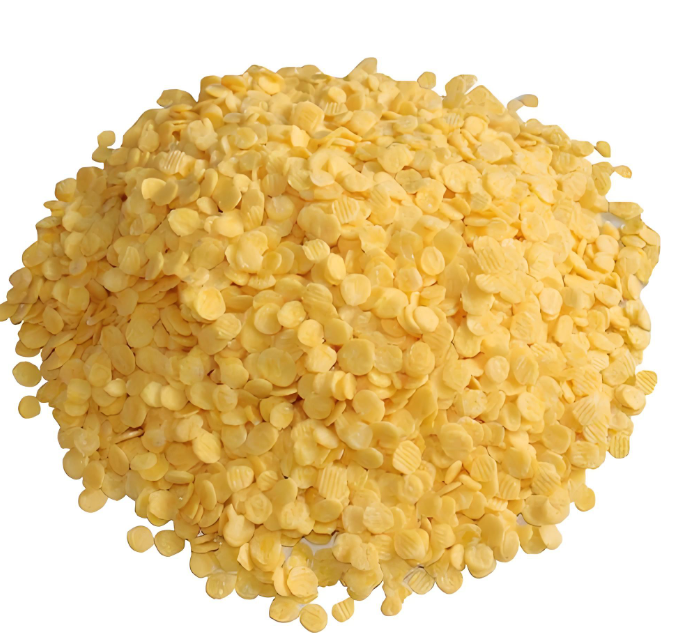
The production of corn flakes, while seemingly straightforward, is a complex process requiring careful attention at every stage to ensure final product quality, safety, and consistency. Here are the critical considerations that must be managed throughout the manufacturing process. 1. Raw Material Selection and Quality Control 2. Critical Process Control Points 3. Food Safety and Hygiene 4. Nutritional Consistency and Fortification 5. Texture and Sensory Quality 6. Operational and Efficiency Considerations 7. Packaging and Shelf-Life Stability Successful corn flake production relies on a holistic approach that integrates rigorous raw material standards, precise control of thermal and mechanical processes, unwavering commitment to food safety, and meticulous attention to sensory and operational […]
The Art and Science of Corn Flake Toasting: A Critical Manufacturing Process
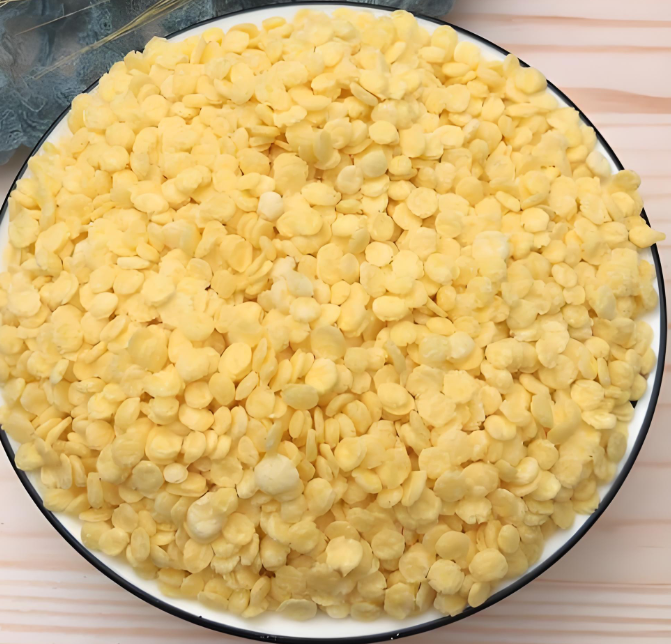
Introduction Corn flake toasting, more accurately described as a high-heat drying and thermal transformation process, is the defining stage where malleable, moist flakes acquire their signature golden hue, crisp texture, and complex flavor. This controlled application of heat converts a bland, dough-based intermediate product into the palatable, shelf-stable breakfast cereal recognized worldwide. The process balances physical chemistry with precision engineering. Process Objectives and Transformation Goals The toasting stage is designed to achieve multiple simultaneous outcomes: Core Process Technology: Multi-Zone Conveyor Toasting Ovens Industrial toasting is predominantly conducted in gas-fired or electric multi-pass conveyor ovens. The Underlying Science of Thermal Transformation Critical Process Control Parameters Precision control is paramount for consistent […]
Market Outlook and Future Trends for Breakfast Corn Flakes
Executive Summary The breakfast corn flakes market, while a mature segment within the global cereal industry, is undergoing a significant transformation. Driven by shifting consumer preferences, health and wellness trends, and intense competition from alternative breakfast options, the category is navigating a path of challenge and opportunity. Future growth will not come from volume expansion of traditional products but from premiumization, functional innovation, and sustainability. Current Market Landscape: A Mature Market Under Pressure The global breakfast cereal market, valued at approximately $50-55 billion USD in 2024, is experiencing slow, low-single-digit annual growth. The corn flakes segment, as a foundational product, faces specific headwinds: Key Growth Drivers and Opportunities Despite challenges, […]
 Japanese
  English
  Russian
  Spanish
  Italian
  Arabic
  Portuguese
  German
  French
  Moroccan Arabic
  Persian
  Belarusian