
A Comprehensive Guide to Moisture Control in Expanded Snack Foods
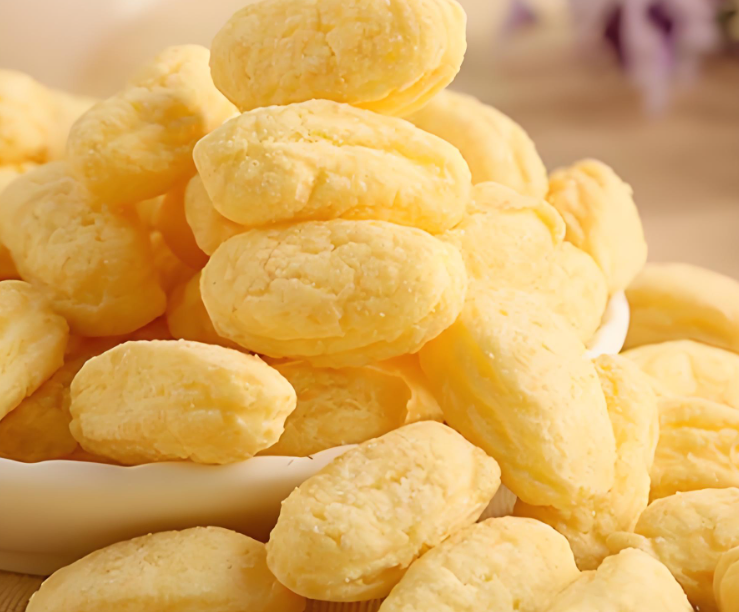
A Comprehensive Guide to Moisture Control in Expanded Snack Foods Abstract: Moisture content is the single most critical factor determining the texture, shelf life, and overall acceptability of expanded (puffed) snack foods. Achieving and maintaining the ideal low moisture level—typically between 1% and 3%—is a complex challenge that spans the entire production chain. This article outlines the key principles and control points for effective moisture management in puffed snack manufacturing. 1. Introduction: The Importance of CrispnessThe desirable “crisp” or “crunchy” texture of puffed snacks is a direct function of their glassy state, achieved at very low moisture levels. Excessive moisture plasticizes the starch-protein matrix, leading to a soft, chewy, or […]
Controlling Moisture Content in Expanded Snack Foods
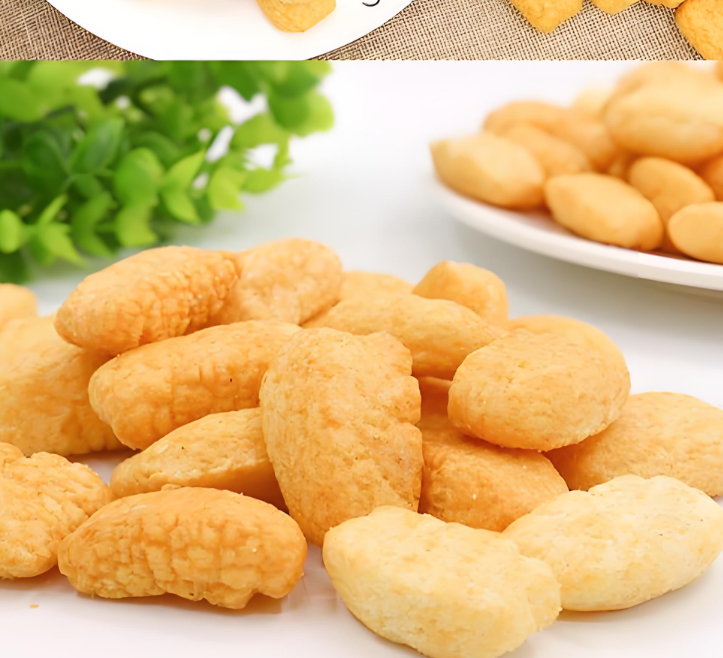
Moisture content is a critical parameter in the production of expanded snack foods (often called puffed or extruded snacks). It directly influences product texture, shelf life, microbial stability, flavor, and overall quality. Effective moisture control is essential throughout the manufacturing process—from raw materials to packaging. This article outlines key strategies for managing moisture in expanded snacks. 1. Raw Material Selection and Pre-processing The journey of moisture control begins with the raw materials, snacks machinery typically grains (corn, rice, wheat), potatoes, or legumes. 2. The Extrusion Process: The Heart of Expansion The extruder is where moisture, heat, and shear force combine to create the puffed structure. 3. Post-Extrusion Drying and Toasting […]
Products Manufactured by Twin-Screw Extruders: A Comprehensive Overview
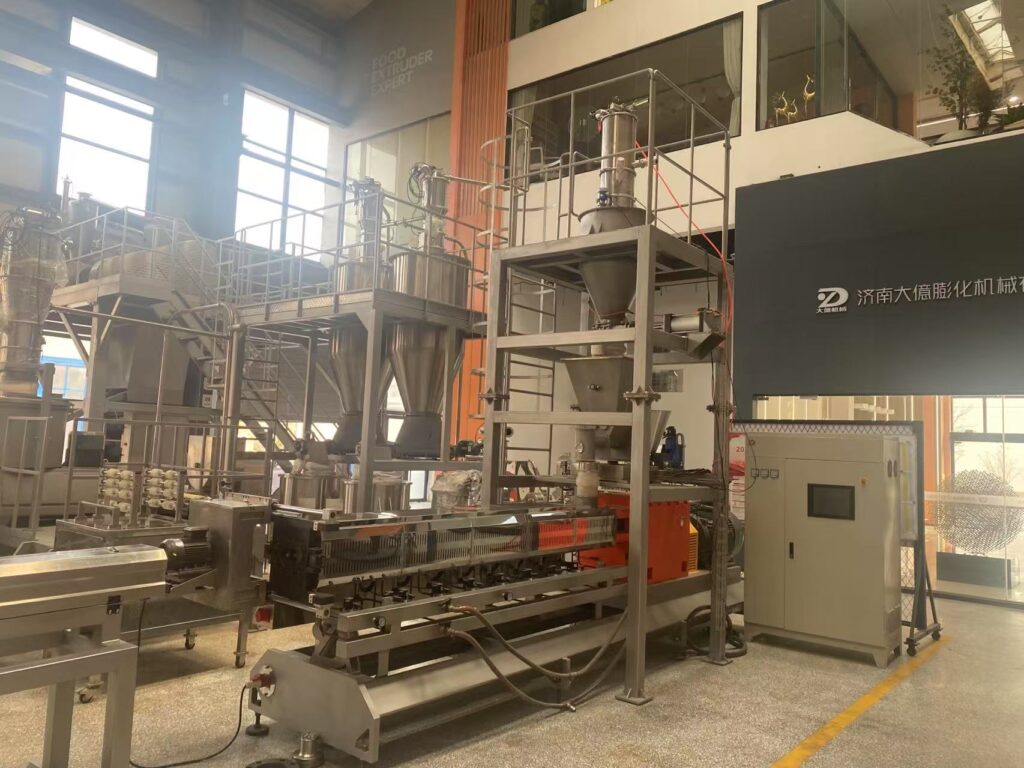
The twin-screw extruder (TSE) is a remarkably flexible manufacturing platform. By precisely controlling mechanical shear, temperature, pressure, and residence time, it transforms raw powders and blends into a vast array of finished or semi-finished products across industries. extruder snacks Here is a detailed look at the diverse products a twin-screw extruder can produce. 1. Food Products TSEs perform cooking, shaping, and texturizing in one continuous operation. 2. Pet Food & Aquatic Feed 3. Modified Starches & Ingredients 4. Plastic & Polymer Products 5. Pharmaceutical & Nutraceutical Products 6. Biochemical & Industrial Products 7. 3D Printing Filaments Key Advantages Enabling Diverse Production The twin-screw extruder is a transformation engine. extruder snacks […]
Applications of Twin-Screw Extruders: A Versatile Processing Tool
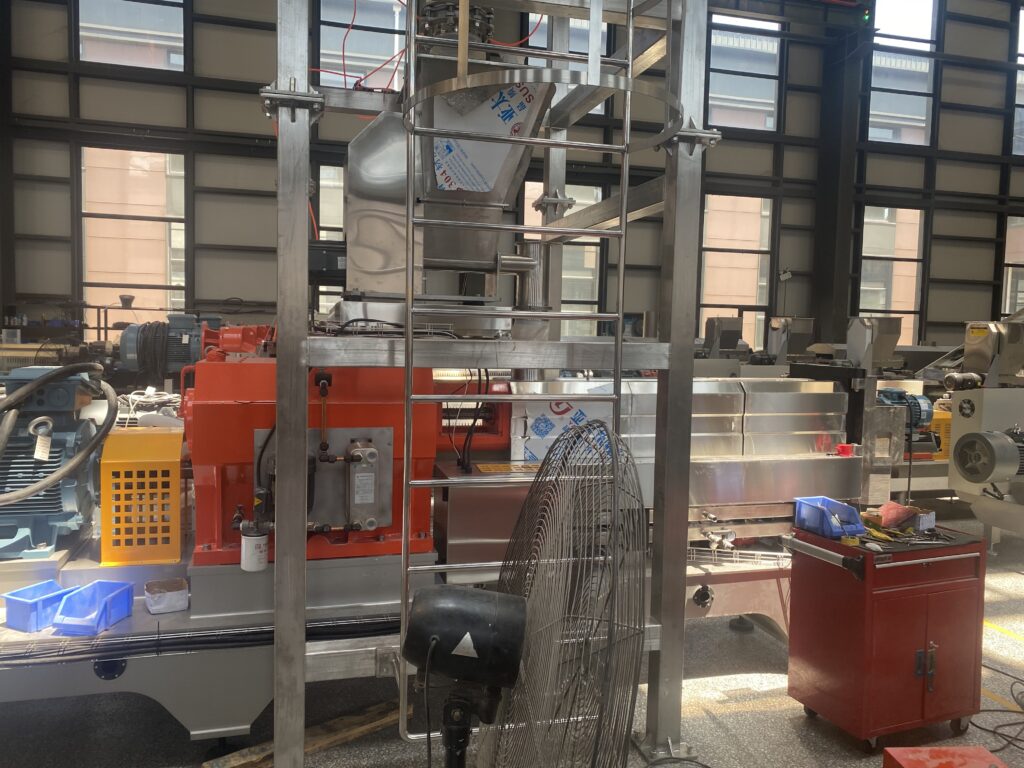
Applications of Twin-Screw Extruders: A Versatile Processing Tool The twin-screw extruder (TSE), particularly the co-rotating intermeshing type, has evolved from a simple compounding machine into a cornerstone of modern industrial processing. Its unique design—featuring two parallel screws rotating inside a barrel—provides unparalleled control over shear, residence time, mixing, and thermal energy input. extruder snacks This makes it exceptionally versatile for transforming raw materials across numerous industries. Here are its primary applications. 1. Food Processing & Human Nutrition This is one of the largest and most innovative application areas. 2. Pet Food & Animal Feed 3. Polymer & Plastics Processing The traditional and still critical domain for TSEs. 4. Pharmaceuticals A […]
Effective Cooling Methods for Extruders
Proper temperature control is critical for extrusion processes, affecting product quality, machine stability, and energy efficiency. snack extruder machine Overheating can lead to material degradation, dimensional inaccuracy, increased wear, and even equipment failure. This article outlines practical cooling methods to maintain optimal extruder performance. Why Cooling is Necessary During operation, mechanical friction (between the screw and barrel) and shear heating within the polymer melt generate significant excess heat. If uncontrolled, this heat can: Primary Cooling Methods 1. Air Cooling 2. Water Cooling 3. Oil Cooling (Thermal Fluid Systems) 4. Combined (Hybrid) SystemsMany modern extruders use a combination, such as air cooling for the feed throat (to prevent premature melting and […]
Heating Mechanisms in a Twin-Screw Extruder
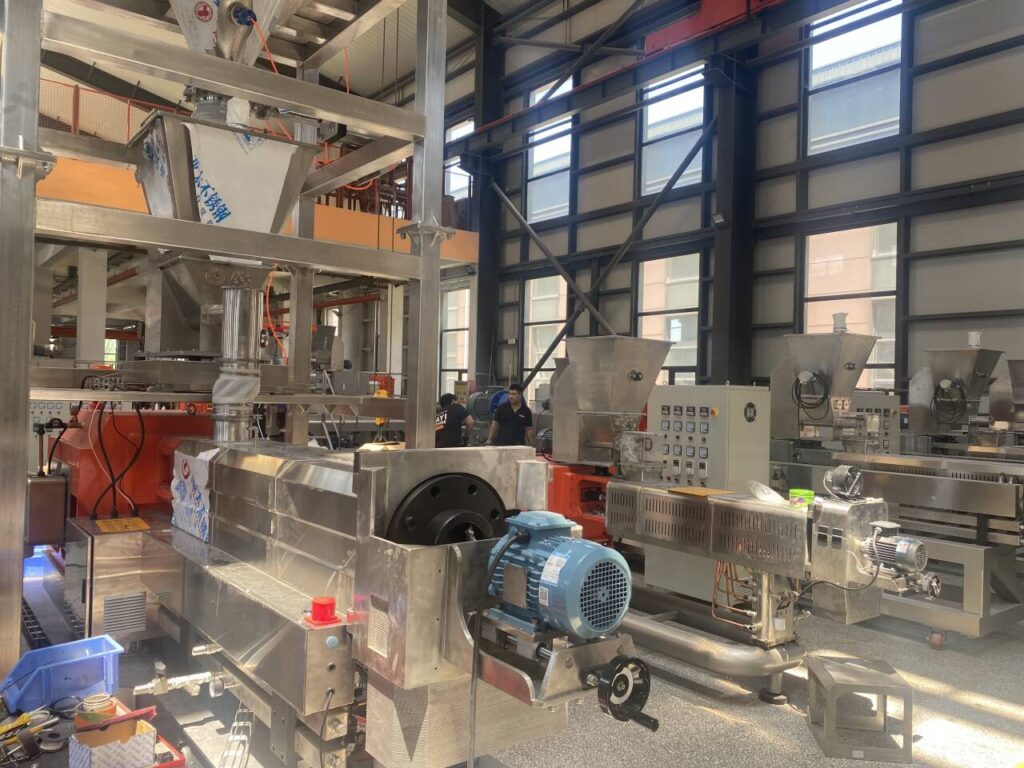
A twin-screw extruder is a versatile thermal-mechanical processing system used extensively in food, feed, plastics, and biochemical industries. double screw extruder Its heating is crucial for transforming raw materials into a molten, homogenous mass suitable for shaping, texturizing, or chemical reaction. The heating process in a twin-screw extruder is not singular but a synergistic combination of multiple mechanisms, precisely controlled to achieve the desired product characteristics. The primary heating sources can be categorized into two main types: External (Barrel) Heating and Internal (Mechanical) Heating. 1. External Heating: Barrel Heating Systems The barrels, which house the intermeshing screws, are equipped with external heating jackets. These jackets typically utilize one or more […]
 Japanese
  English
  Russian
  Spanish
  Italian
  Arabic
  Portuguese
  German
  French
  Moroccan Arabic
  Persian
  Belarusian