
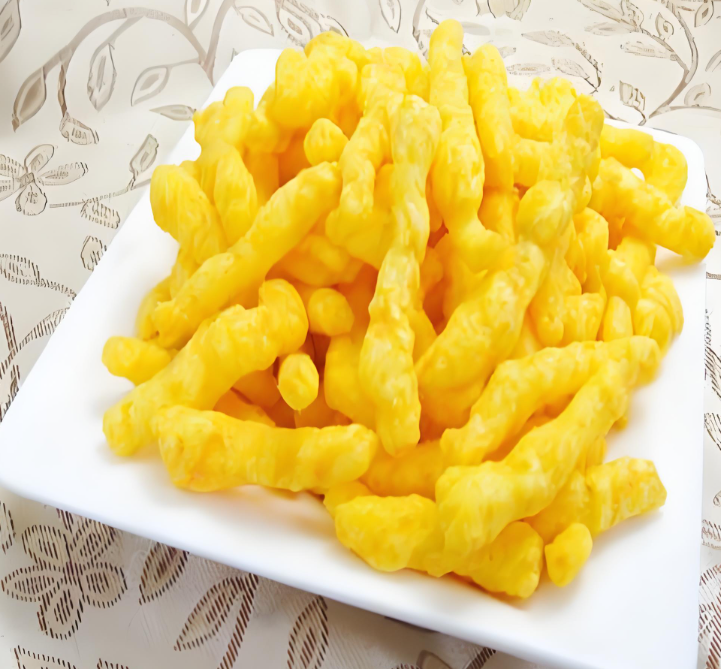
Cheetos, the iconic cheese-flavored corn snack, has been a staple in the global snack market since its invention in 1948 . What began as a simple product by Fritos founder Charles Elmer Doolin has evolved into a sophisticated industrial operation involving advanced food science, precision engineering, and rigorous quality control . This article provides a comprehensive overview of how these beloved orange snacks are made, from raw cornmeal to the final packaged product.
Raw Materials and Ingredients
The journey of a Cheeto begins with its core ingredient: enriched corn meal. According to product specifications, this corn meal is fortified with essential nutrients including ferrous sulfate, niacin, thiamin mononitrate, riboflavin, and folic acid .
The complete ingredient list for classic Cheetos includes:
- Enriched corn meal (the base)
- Vegetable oil (corn, canola, and/or sunflower oil)
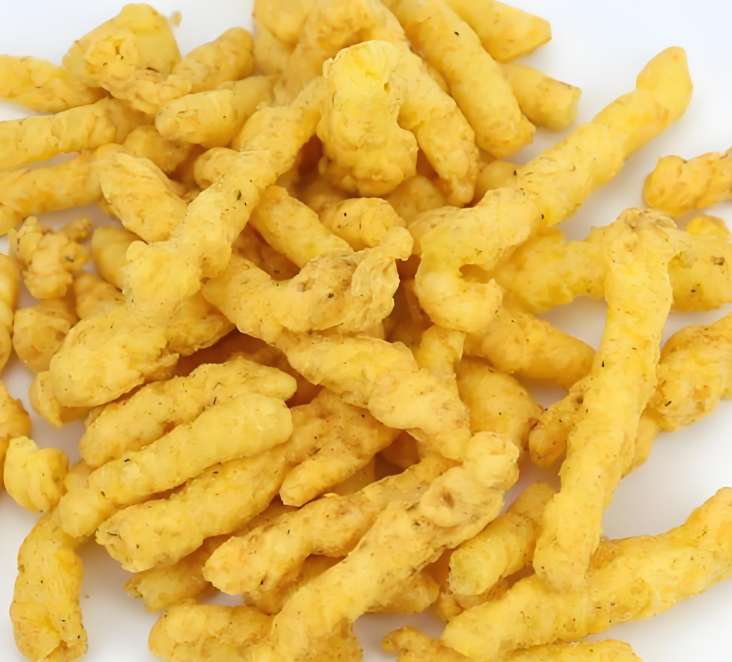
- Cheese seasoning — a complex mixture containing whey, cheddar cheese (milk, cheese cultures, salt, enzymes), maltodextrin, salt, monosodium glutamate (MSG), lactic acid, citric acid, and artificial colors such as Yellow 6
The distinctive bright orange color that famously leaves residue on fingers—playfully termed “cheetle” by the brand—comes from these artificial colorings .
Step 1: Mixing and Conditioning
The production process begins with raw cornmeal stored in large silos. The cornmeal is pneumatically pumped through tubes into the manufacturing facility and deposited into a giant hopper . From there, it is fed into mixing equipment where it is combined with water and other ingredients to achieve the proper consistency .
This initial mixing stage is crucial, as the moisture content must be precisely controlled to ensure successful extrusion. Industrial production lines typically use automated mixing systems that ensure thorough and even distribution of ingredients .
Step 2: Extrusion — The Heart of the Process
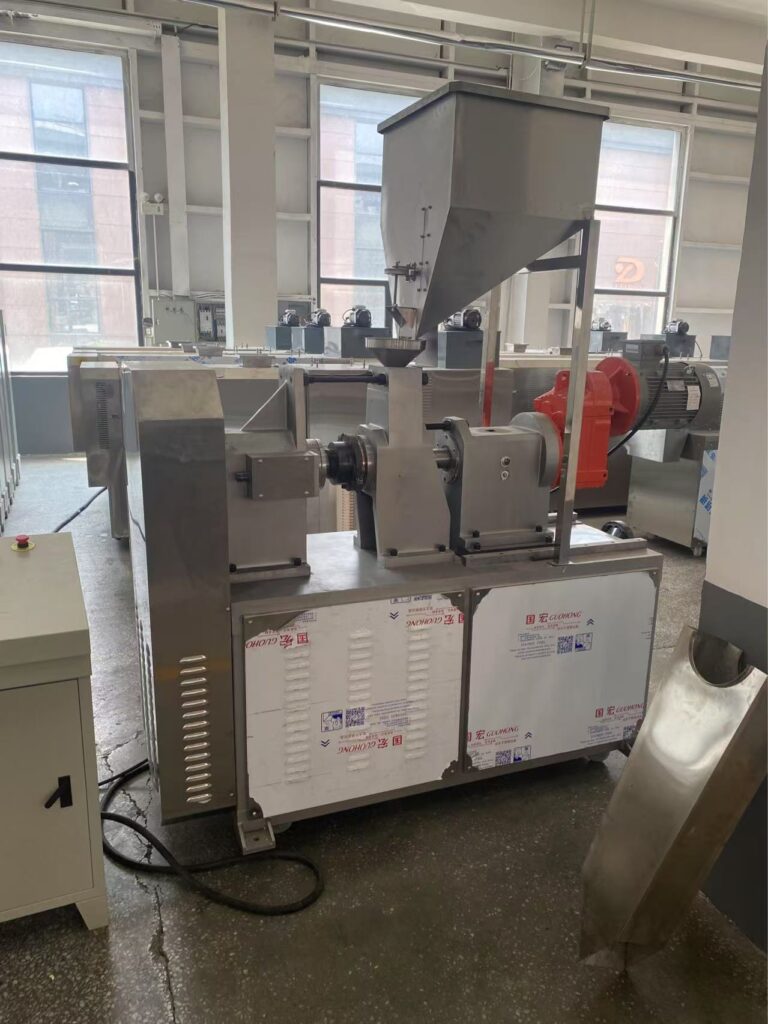
The mixed cornmeal dough is fed into an extruder, the core machine that gives Cheetos their distinctive shape and texture . The extrusion process operates on the principle of thermoplastic expansion.
Within the extruder, the dough is subjected to high pressure and temperature. The friction generated as the mixture is pressed between metal plates causes the starch in the corn to gelatinize and the moisture to heat rapidly . As the dough passes through the extruder, it is forced through a die—a specialized metal plate with openings that determine the final shape of the snack .
When the hot, pressurized dough exits the die, it suddenly encounters normal atmospheric pressure. The superheated moisture within instantly turns to steam, causing the dough to expand or “pop” into its characteristic puffy, porous structure . This expansion creates the light, airy texture that defines Cheetos products.
Modern extruders are highly versatile, allowing manufacturers to produce different shapes by simply changing the die head. The classic “C” curl, sticks, spirals, and balls can all be produced on the same equipment with quick changeovers .
Step 3: Frying or Drying — Achieving the Perfect Crunch
After extrusion, the Cheetos enter the cooking stage, where their final texture is established. The method used depends on the variety being produced.
Traditional Crunchy Cheetos undergo frying. The freshly extruded pieces move along a conveyor belt into a continuous fryer filled with hot vegetable oil, much like a log flume at an amusement park . This frying process reduces the moisture content to below 2 percent—a critical factor in achieving the signature crunchiness and extending shelf life . The high-temperature oil also imparts a rich, fatty flavor that complements the cheese seasoning.
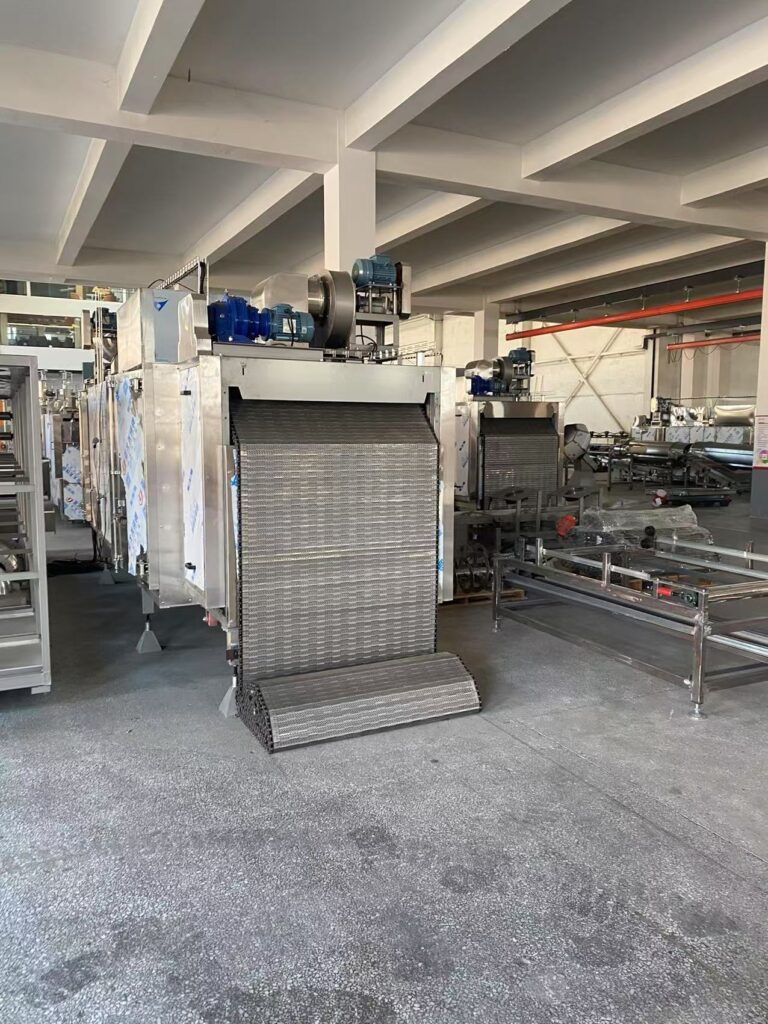
Baked or Puffed varieties, introduced in 1971 and expanded with “Baked Cheetos” in 2004, use a different approach . Instead of frying, these products go through drying ovens that remove moisture using controlled hot air circulation . While producing a lighter texture with lower fat content, this method still achieves the necessary crispness through careful moisture management.
Step 4: Seasoning Application
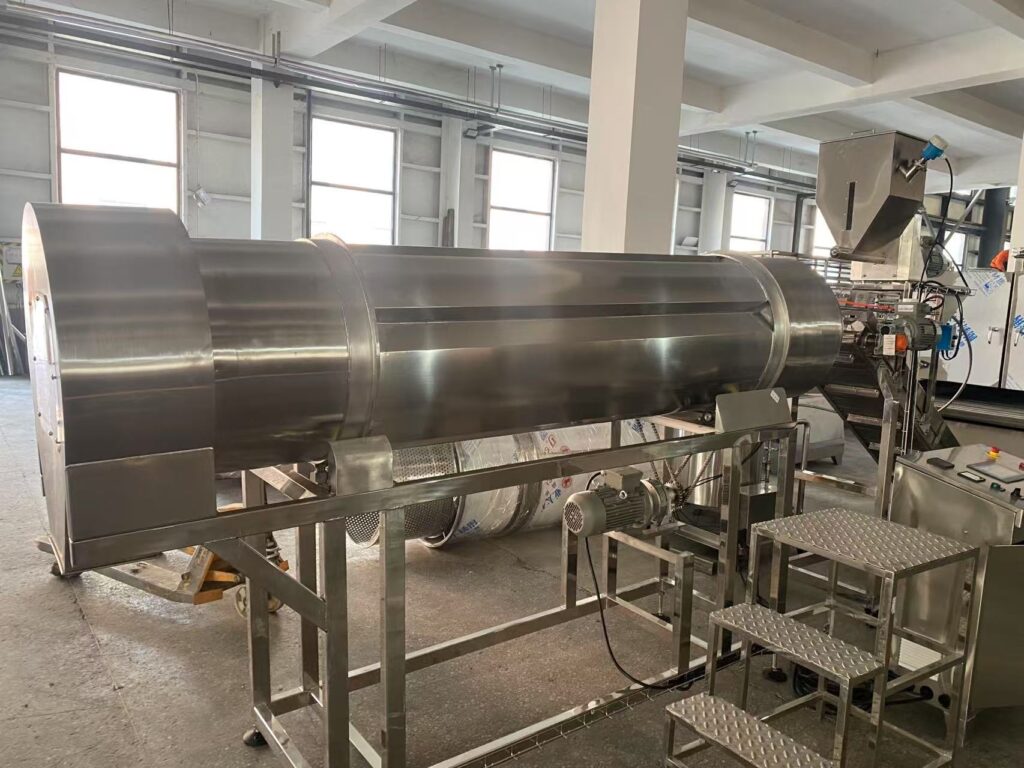
Once cooked, the snacks move to the seasoning drum—a rotating tumbler that ensures even coating of the signature cheese flavor .
Strategically located nozzles within the drum spray a mixture of oil and powdered cheese onto the Cheetos from all sides as they tumble . The cheese powder, which Frito-Lay purchases in 50-pound sacks from proprietary suppliers, closely resembles the powder found in boxed macaroni-and-cheese products .
For optimal adhesion, manufacturers often pre-coat the snacks with a light oil mist before applying the dry seasoning powder . This technique enhances flavor retention and reduces waste during packaging and transport.
Advanced seasoning machines use sensors and feedback loops to monitor application rates, achieving seasoning accuracy within ±2 percent across batches . This precision ensures that every bag delivers the consistent, crave-worthy taste that consumers expect.
Step 5: Cooling and Quality Control
After seasoning, the finished Cheetos travel along a final conveyor belt, allowing residual moisture to steam off as they cool to room temperature . This cooling stage is essential for preserving crispness before packaging.
Throughout the production process, rigorous quality control measures are in place. At 30-minute intervals, in-house laboratories analyze the chemical composition of samples pulled from the production line to verify proper density and nutritional content .
Every four hours, a four-person panel convenes to inspect and taste the snacks, comparing them to perfect reference Cheetos sent from the company’s headquarters . This sensory evaluation ensures that texture, flavor, and appearance meet the brand’s exacting standards.
Step 6: Packaging
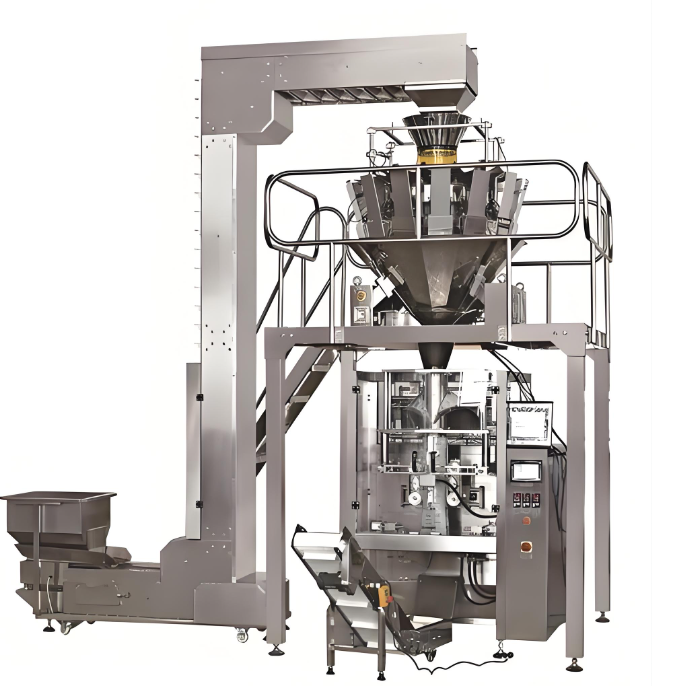
The final stage involves automated packaging machinery that fills and seals bags to preserve freshness and ensure portion accuracy . High-speed packaging lines use airtight sealing to prevent oxidation and flavor loss, often incorporating nitrogen flushing to extend shelf life .
Manufacturing Variations
While the core process remains consistent, there are two primary production pathways:
| Product Type | Cooking Method | Texture | Fat Content | Examples |
|---|---|---|---|---|
| Fried | Immersion in hot oil | Crispy, dense | Higher | Crunchy Cheetos, Flamin’ Hot |
| Baked/Dried | Hot air oven | Light, airy | Lower | Cheetos Puffs, Baked Cheetos |
Flamin’ Hot Cheetos, introduced in 1998, represent a popular variation that follows the same production process but uses a different seasoning blend containing spices, chili powder, and additional artificial colors .
Global Manufacturing Footprint
Cheetos production is global, with facilities strategically located to serve regional markets. In the United States alone, Frito-Lay operates 14 fried-Cheeto plants across 11 states . Recent expansions include a $200 million facility in Cikarang, Indonesia, which began production in January 2025, marking the brand’s return to the Indonesian market after a four-year absence .
Conclusion
The transformation of simple cornmeal into the beloved Cheetos snack represents a remarkable marriage of food science and industrial engineering. From the precise control of moisture and temperature during extrusion to the uniform application of cheese seasoning, every step is carefully orchestrated to deliver the satisfying crunch and bold flavor that have made Cheetos a global phenomenon for over seven decades.
As the brand continues to innovate with new shapes, flavors, and cooking methods, the fundamental manufacturing process—centered on extrusion, cooking, and seasoning—remains the technological foundation that turns corn into crunch.
 Italian
  English
  Russian
  Spanish
  Arabic
  Portuguese
  German
  French
  Japanese
  Moroccan Arabic
  Persian
  Belarusian