
Rice is the silent foundation of the global food supply. For more than half of the world’s population—approximately 3.5 billion people—rice is not merely a side dish but the central component of every meal, providing upwards of 50% of daily caloric intake in many Asian and African nations . Yet this dietary staple, consumed primarily as polished white rice, carries a troubling paradox: the very processing that makes it palatable and shelf-stable strips away much of its inherent nutritional value.
Enter fortified rice—a technological intervention that transforms this humble grain into a vehicle for essential vitamins and minerals. This comprehensive introduction explores what fortified rice is, why it matters, and how it is reshaping the battle against what nutritionists call “hidden hunger.”
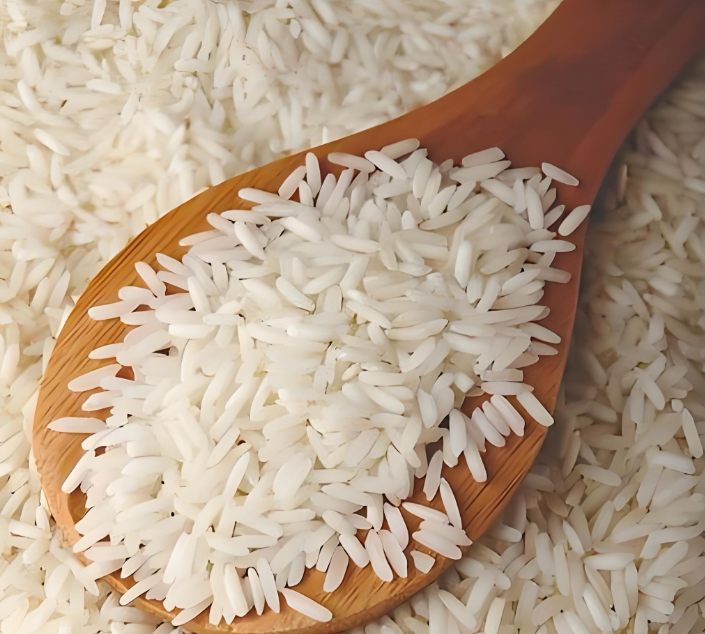
Defining Fortified Rice: More Than Just Enriched
At its core, fortified rice is ordinary rice that has been enhanced with additional micronutrients to improve its nutritional profile. The World Health Organization defines fortification as the intentional addition of one or more essential micronutrients to food products to increase their content and prevent or correct demonstrated deficiencies in the general population .
It is important to distinguish fortification from its close cousin, enrichment. While enrichment refers specifically to restoring nutrients lost during food processing to their original levels, fortification involves adding nutrients that may or may not have been present naturally, often at levels higher than what occurred in the native grain . This distinction matters because rice, particularly after milling, is so nutritionally barren that simple enrichment would still leave significant gaps.
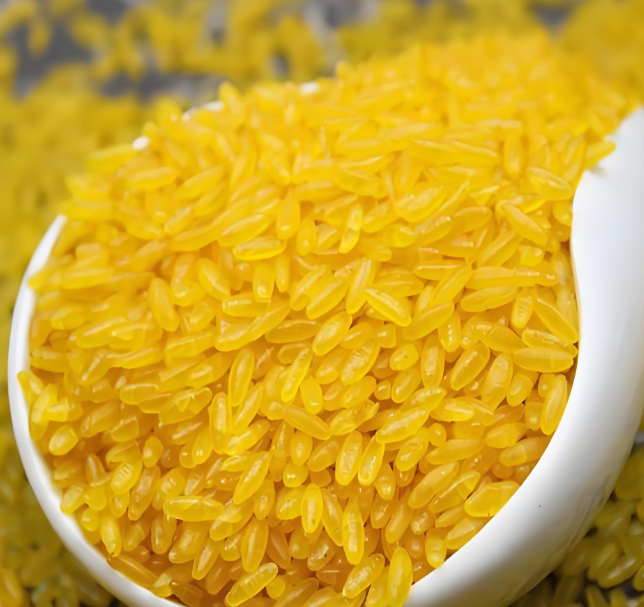
The Case for Fortifying Rice: Addressing “Hidden Hunger”
Why go to the trouble of fortifying a food that already provides energy to billions? The answer lies in the concept of “hidden hunger”—the phenomenon of consuming adequate calories while suffering from micronutrient deficiencies.
Polished white rice, the form preferred by most consumers for its texture, appearance, and cooking properties, is predominantly starch with limited nutritional value. The milling process removes the nutrient-rich bran and germ, leaving an endosperm composed almost entirely of carbohydrates. This stripped-down grain becomes a source of empty calories that, when relied upon as a dietary staple, contributes to widespread deficiencies .
The consequences of these deficiencies are staggering:
- Zinc deficiency affects immune function, growth, and development
- Iron deficiency leads to anemia, affecting cognitive function and maternal health
- Vitamin A deficiency causes preventable blindness and increases susceptibility to infections
In Bangladesh alone, where rice accounts for up to 70% of daily caloric intake, stunting affects 26.4% of children and anemia impacts 37.0% of women of reproductive age—conditions directly linked to the inadequacy of a rice-dominant diet .
Fortifying rice offers an elegant solution precisely because rice is already consumed universally in affected populations. By enhancing the staple food, fortification reaches people without requiring them to change their eating habits—a critical factor for successful public health interventions .
Historical Context: From the Philippines to Global Scale
Rice fortification is not a new idea. The first documented efforts date to the late 1940s in the Philippines, where authorities sought to combat the high prevalence of beriberi—a disease caused by thiamine (vitamin B1) deficiency. Using a coating process, they added thiamine to polished rice in what became the world’s first large-scale rice fortification program .
Since those early efforts, the field has evolved dramatically. Today, fortified rice is produced using sophisticated technologies, supported by international organizations including the World Food Programme (WFP), the Bill and Melinda Gates Foundation, and national governments across Asia, Africa, and Latin America .
The Technologies of Transformation
Fortified rice can be created through several distinct approaches, each with its own advantages and limitations :
1. Coating Technology
The oldest method involves applying a layer of micronutrients to the surface of rice grains. A mixture of vitamins and minerals is suspended in a food-grade coating material—often a combination of waxes and polymers—and sprayed onto ordinary rice kernels. While relatively simple and inexpensive, coating technology faces challenges with nutrient retention during washing and cooking, as the added nutrients can be easily removed from the grain surface.
2. Dusting
The simplest approach involves dusting rice grains with a fine powder containing micronutrients. However, this method suffers from poor adherence; the nutrient powder easily separates from the rice during handling, packaging, and washing, making it the least effective option for ensuring consistent nutrient delivery.
3. Parboiling with Nutrients
Parboiling—the process of partially boiling rice in the husk—offers a natural fortification opportunity. When micronutrients are added to the soaking water, they migrate into the endosperm before milling. This method leverages existing rice processing infrastructure and can achieve relatively good nutrient retention, though control over final nutrient levels is less precise than with other methods.
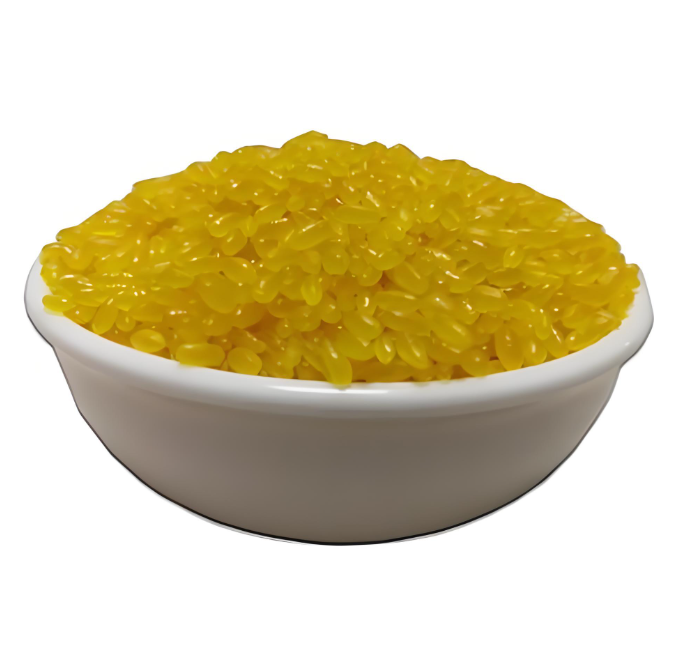
4. Extrusion: The Gold Standard
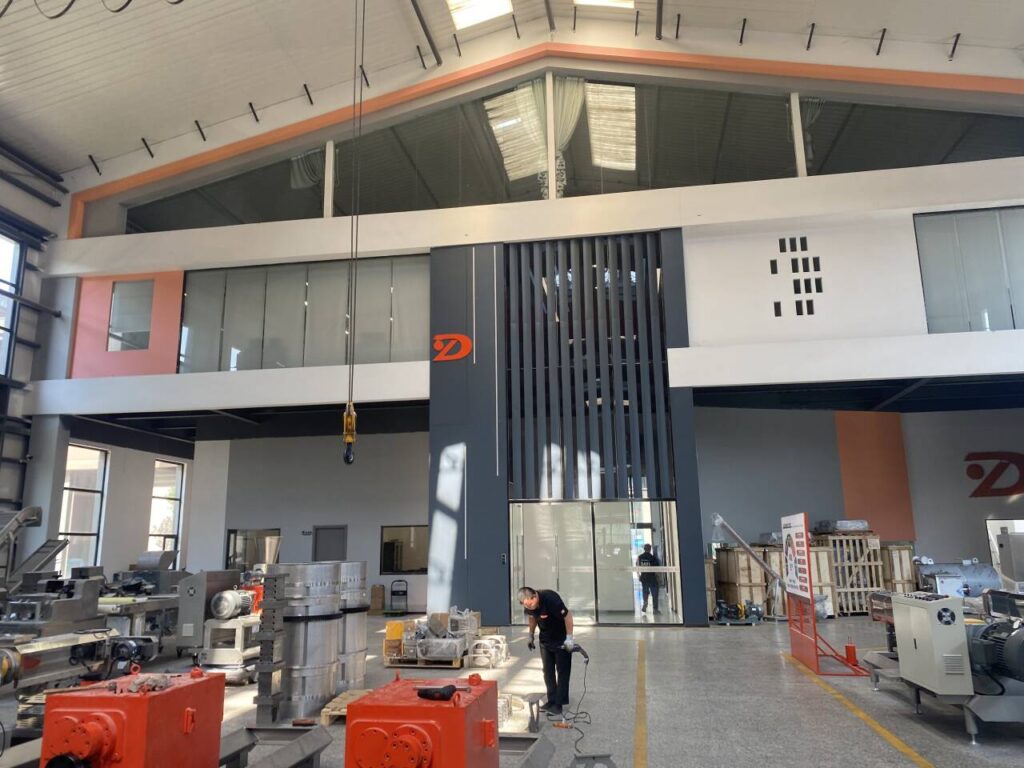
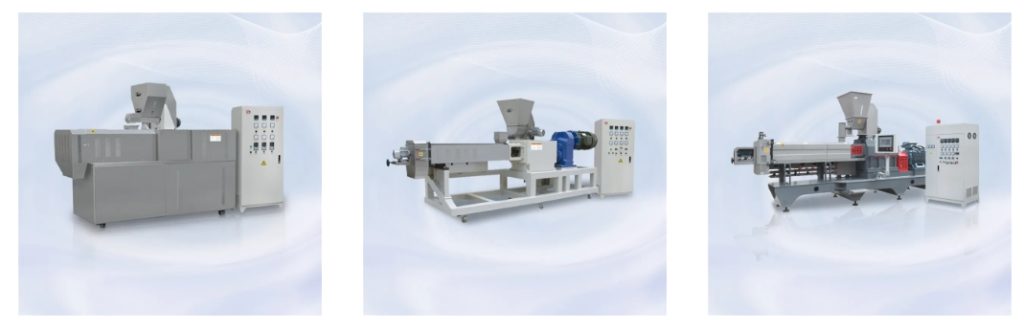
Extrusion technology represents the most advanced and widely adopted approach to rice fortification. This process involves :
- Grinding broken rice into fine flour
- Mixing the flour with a precisely formulated vitamin-mineral premix
- Conditioning the mixture with water or steam to achieve optimal moisture content
- Extruding the dough through a die to form rice-shaped kernels
- Drying the fortified kernels to shelf-stable moisture levels
- Polishing (optional) to achieve a glossy appearance similar to natural rice
The resulting products are called Fortified Rice Kernels (FRK) —synthetic grains designed to look, cook, and taste like natural rice while delivering consistent doses of essential nutrients .
5. Biofortification: A Genetic Approach
Beyond industrial processing, biofortification uses plant breeding and genetic techniques to develop rice varieties with inherently higher nutrient content. Organizations like the International Center for Tropical Agriculture (CIAT) have spent over two decades developing high-zinc rice varieties, achieving genetic gains of approximately 1.86% per year in zinc content . Golden Rice, engineered to produce beta-carotene (a vitamin A precursor), represents the most famous example of genetically modified biofortification .
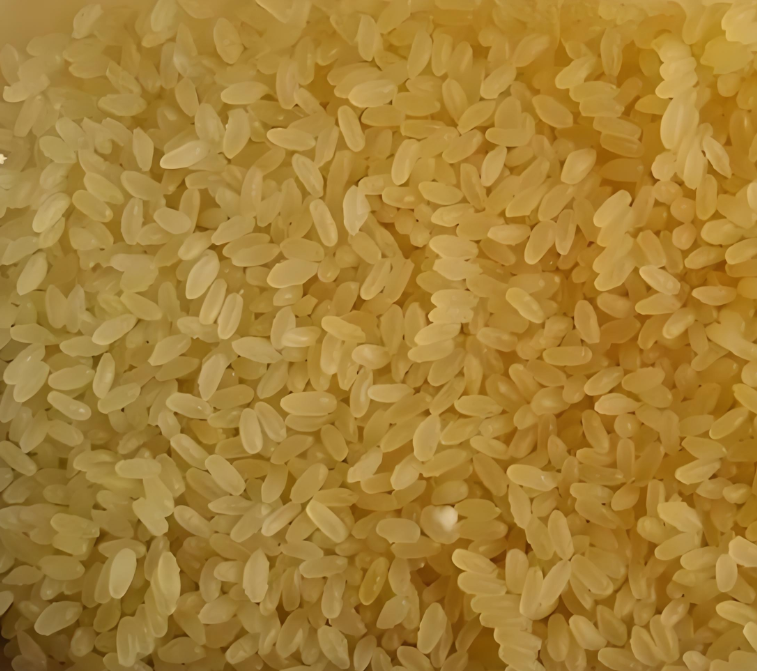
The Extrusion Advantage: Why It Dominates
Among these technologies, extrusion has emerged as the preferred method for large-scale rice fortification for several compelling reasons :
| Advantage | Description |
|---|---|
| Precision | Extrusion allows exact control over nutrient levels, ensuring each kernel contains the intended dose of vitamins and minerals. |
| Retention | Nutrients are incorporated throughout the kernel matrix, not merely coated on the surface, providing excellent retention during washing and cooking. |
| Customization | The formulation can be tailored to address specific regional deficiencies—adding iron and folic acid where anemia is prevalent, zinc where growth stunting is common, or vitamin A where deficiency causes blindness. |
| Appearance | Well-made FRK are virtually indistinguishable from natural rice grains, ensuring consumer acceptance . |
| Sustainability | Extrusion utilizes broken rice—an underutilized byproduct of rice milling—turning waste into valuable nutritional intervention . |
The extrusion process is governed by carefully optimized parameters. Research has demonstrated that variables including moisture content (20-30%), screw speed (120-160 rpm), and die temperature (90-110°C) significantly influence the physical properties, cooking characteristics, and nutrient retention of the final kernels .
The Blending Process: From Kernels to Final Product
Fortified Rice Kernels are not intended to replace entire batches of rice. Instead, they are blended with ordinary polished rice at a specific ratio—typically 1:50 or 1:100—meaning that 1 kilogram of FRK is mixed with 50 or 100 kilograms of regular rice . This dilution achieves the target nutrient levels while maintaining acceptable appearance and taste.
The blending must be thorough to ensure that each serving of rice contains a consistent nutrient dose. Specialized mixing equipment and quality assurance protocols are essential to verify homogeneity .
What’s Inside: The Nutrient Cocktail
The specific nutrients added to fortified rice vary based on regional needs, but commonly include :
- Iron: To combat anemia, improve cognitive function, and support maternal health
- Zinc: Essential for immune function, growth, and development
- Folic Acid: Critical for preventing neural tube defects in newborns
- Vitamin A: Preventing blindness and supporting immune function
- Vitamin B12: Supporting neurological function and red blood cell formation
- Thiamine (B1): Preventing beriberi and supporting energy metabolism
- Niacin (B3): Maintaining skin health and nervous system function
Some advanced formulations also incorporate dietary fiber to improve digestive health and reduce chronic disease risk, with research exploring optimal ratios of soluble to insoluble fiber .
Innovations on the Horizon
The field of rice fortification continues to evolve. Emerging technologies include :
- High-pressure processing to enhance nutrient penetration without thermal degradation
- Ultrasonication to improve absorption of nutrients into rice grains
- Cold plasma technology for surface modification and nutrient incorporation
- Emulsion-filled gels to protect sensitive nutrients like beta-carotene during processing and storage
- Supercritical fluid extrusion operating at lower temperatures to preserve heat-sensitive vitamins
These innovations aim to address persistent challenges: protecting vulnerable nutrients from degradation, improving bioavailability, and creating products with enhanced health benefits beyond basic micronutrient delivery.
Conclusion: A Staple Solution for Global Malnutrition
Fortified rice represents one of the most scalable, cost-effective, and culturally appropriate interventions available for addressing global micronutrient malnutrition. By enhancing the food that billions already eat every day, fortification sidesteps the behavioral change challenges that plague other nutrition programs.
The technology exists, the machinery is proven, and the evidence base continues to grow. From the 50 kg/hour pilot plant at CSIR-NIIST in India to the large-scale production lines supplying emergency rice reserves across Southeast Asia, fortified rice is moving from innovation to implementation .
As global food systems face increasing pressure from climate change, population growth, and economic instability, the simple act of adding vitamins and minerals to a grain of rice may prove to be one of our most powerful tools for building a healthier, more nourished world. The golden grain, once stripped of its natural nutrients by modern processing, is being restored—and improved—by modern science.
 Italian
  English
  Russian
  Spanish
  Arabic
  Portuguese
  German
  French
  Japanese
  Moroccan Arabic
  Persian
  Belarusian