
Stuffed puff snacks—those irresistible crunchy shells filled with creamy cheese, chocolate, or savory pastes—have become a global phenomenon. From cheese-filled corn puffs to chocolate-filled rice pillows, these products dominate snack aisles worldwide. For entrepreneurs looking to enter the snack food industry, a small-scale stuffed puff processing plant offers an attractive entry point with manageable capital requirements and significant growth potential.
This comprehensive guide walks you through every aspect of setting up and operating a small-scale stuffed puff snack manufacturing facility, from understanding the technology to production workflows, equipment selection, quality control, and business planning.
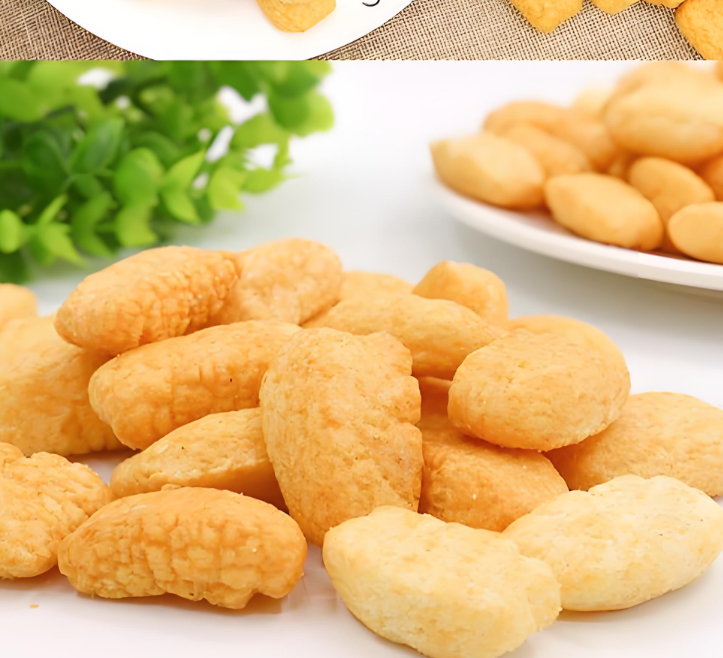
Table of Contents
- Understanding Stuffed Puff Snack Technology
- Market Overview and Product Types
- Production Process Overview
- Equipment Selection for Small-Scale Production
- Facility Requirements and Layout
- Raw Materials and Formulations
- Step-by-Step Production Guide
- Quality Control and Food Safety
- Packaging and Shelf Life
- Business Planning and Financial Considerations
- Troubleshooting Common Issues
- Conclusion
1. Understanding Stuffed Puff Snack Technology
What Are Stuffed Puff Snacks?
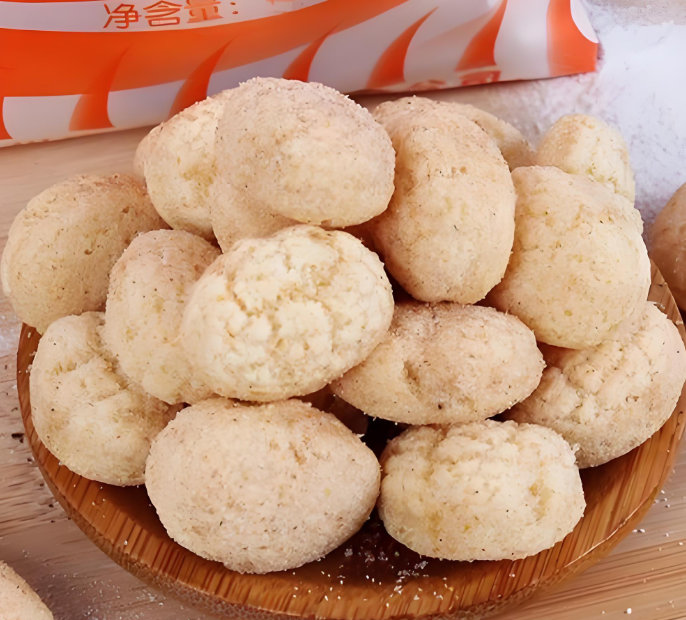
Stuffed puff snacks (also known as core-filled snacks, filled puffs, or co-extruded snacks) are produced using specialized co-extrusion technology that simultaneously extrudes an outer shell and injects a filling . This creates a product with two distinct components:
- A crispy, expanded outer shell made from cereal-based dough
- A soft, flavorful inner core made from cream, chocolate, cheese, jam, or other fillings
The result is a snack that delivers textural contrast and flavor complexity in every bite .
How Co-Extrusion Works
Co-extrusion is the heart of stuffed puff production. The process involves two separate ingredient streams that meet at the extrusion die:
- Outer Shell Formation: A starch-based dough (corn, rice, wheat, or blends) is cooked under high temperature and pressure in an extruder. As it exits the die, the sudden pressure drop causes the moisture to flash off, expanding the dough into a puffed, porous tube .
- Simultaneous Filling Injection: At the exact moment of expansion, a filling (kept at a controlled temperature to maintain proper viscosity) is injected into the center of the extruded tube through a concentric nozzle .
- Shaping and Cutting: The filled tube passes through crimping rolls that pinch it into individual pillow-shaped pieces while simultaneously sealing the filling inside .
Key Advantages of Co-Extrusion Technology for Small-Scale Production
- High value-add: Filled snacks command premium prices compared to traditional puffed snacks
- Product differentiation: Unique filling combinations create brand identity
- Efficient production: Single-pass processing from raw ingredients to finished product
- Scalability: Modular systems allow capacity expansion as business grows
- Versatility: One line can produce dozens of product variations
2. Market Overview and Product Types
Global Market Context
The global puffed snack market was valued at approximately USD 45 billion in 2024, with the filled/co-extruded segment growing at the fastest rate . Consumer demand for innovative textures and flavor combinations continues to drive this growth.
Popular Stuffed Puff Product Categories
| Category | Outer Shell Base | Typical Fillings | Target Market |
|---|---|---|---|
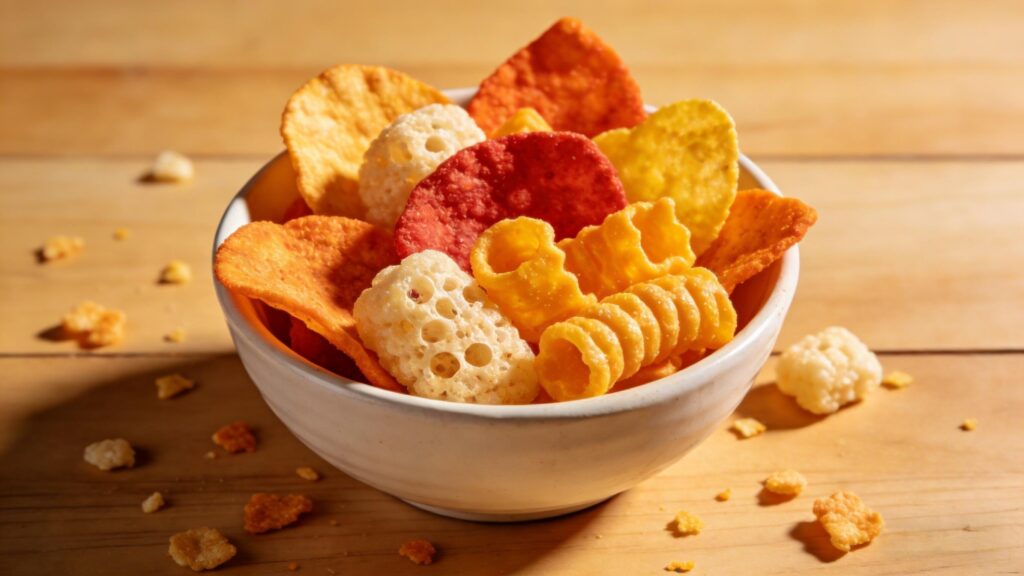
| Cheese-Filled Corn Puffs | Corn | Cheese paste, cheddar cream | Mass market, children |
| Chocolate-Filled Rice Pillows | Rice, wheat | Chocolate, hazelnut cream | Premium, indulgence |
| Savory Filled Snacks | Corn, wheat blend | Tomato, barbecue, pizza | Adult snacking |
| Fruit-Filled Puffs | Rice, oat | Strawberry, apple jam | Health-conscious, breakfast |
| Protein-Enhanced | Legume blends | Peanut butter, cream cheese | Fitness, plant-based |
Emerging Trends for 2025 and Beyond
- Clean Label: No artificial flavors, colors, or preservatives
- Plant-Based/Vegan: Dairy-free and egg-free formulations
- Functional Ingredients: Added protein, fiber, probiotics, vitamins
- Sustainable Packaging: Biodegradable films and recyclable materials
- Novel Shapes: Custom die designs for unique product silhouettes
3. Production Process Overview
A complete stuffed puff processing line follows a systematic workflow from raw material handling to finished packaged product.
Process Flow Diagram
Raw Material Receiving
         ↓
    Weighing & Batching
         ↓
       Dry Mixing
         ↓
    Pre-conditioning (Steam + Water)
         ↓
    Twin-Screw Extrusion
         ↓
    Co-Extrusion + Filling Injection
         ↓
    Shaping & Cutting (Crimping)
         ↓
       Baking/Drying
         ↓
      Cooling
         ↓
    Oil Spraying (Optional)
         ↓
    Seasoning Application
         ↓
       Packaging
         ↓
    Metal Detection
         ↓
    Finished Goods Storage
Stage-by-Stage Explanation
| Stage | Equipment | Function |
|---|---|---|
| 1. Ingredient Preparation | Mixer, feeder | Blend dry ingredients uniformly |
| 2. Extrusion | Twin-screw extruder | Cook, gelatinize starch, create hollow tube |
| 3. Filling Injection | Co-extrusion die, cream pump | Inject filling into center of extrudate |
| 4. Shaping | Crimper/cutter | Form individual pillow-shaped pieces |
| 5. Drying/Baking | Multi-layer oven | Reduce moisture to 3-5% for crispness |
| 6. Cooling | Cooling conveyor | Bring product to ambient temperature |
| 7. Flavoring | Spray system, tumbler | Apply oil and seasoning |
| 8. Packaging | VFFS machine | Seal in moisture-proof packaging |
4. Equipment Selection for Small-Scale Production
Production Capacity Considerations
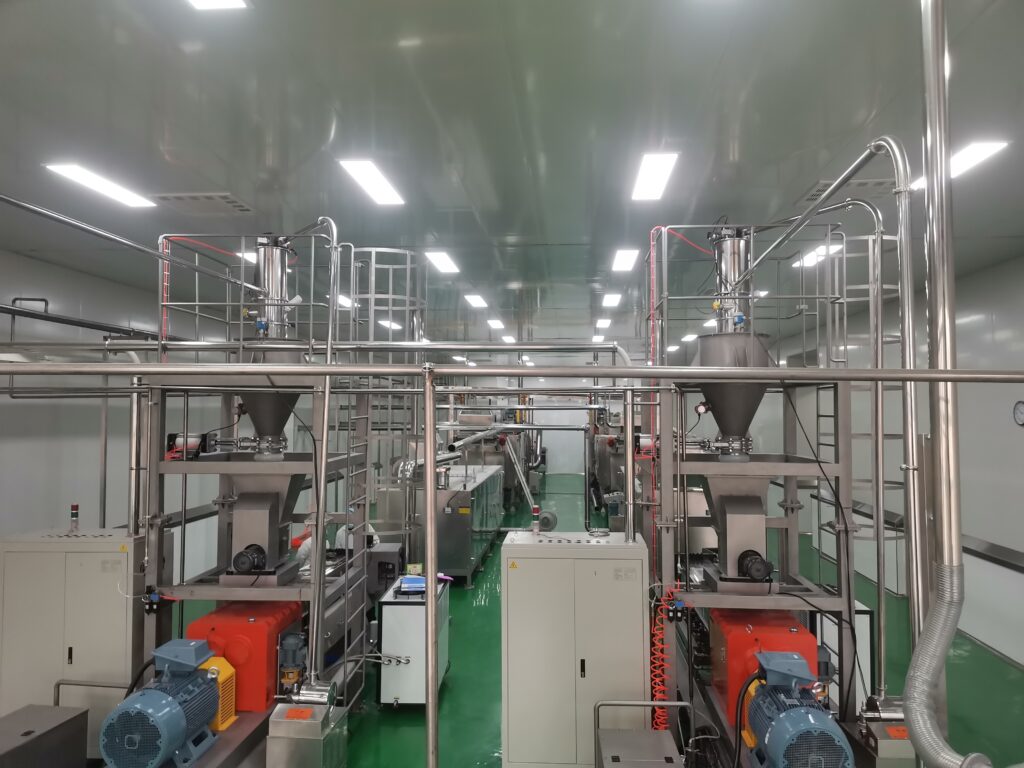
For a small-scale operation, a production capacity of 100-150 kg/hour is a practical starting point . This scale requires approximately 150-200 square meters of floor space and can be operated by 3-5 personnel per shift.
Small-Scale Production Line Equipment List
| Equipment | Model/Specification | Power | Notes |
|---|---|---|---|
| Mixer/Bender | Horizontal ribbon blender, 50-100 kg batch | 3-5 kW | Stainless steel construction |
| Screw Conveyor | Spiral feeder | 1.5 kW | Transfers mixed powder to extruder |
| Twin-Screw Extruder | DT65-III or similar | 74 kW total / 52 kW actual | 100-150 kg/h capacity |
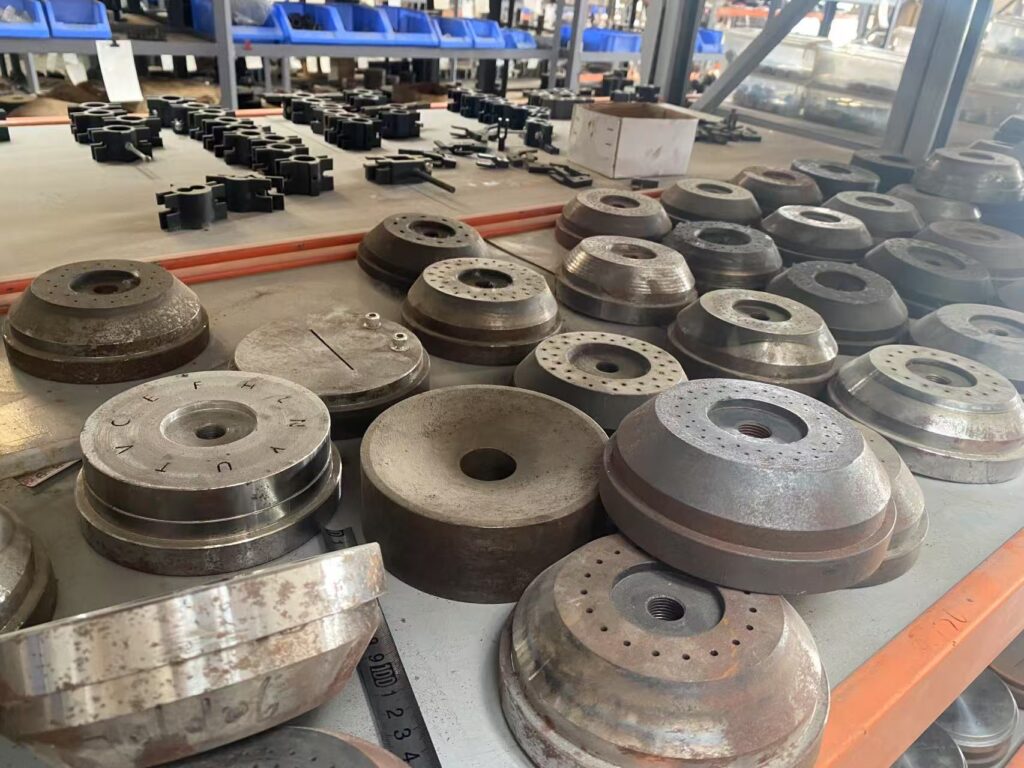
| Co-Extrusion Die | 4-8 stream configuration | N/A | Stainless steel, concentric nozzle design |
| Filling/Stuffing Unit | Cream pump with heated hopper | 2-3 kW | Temperature-controlled, 50-100 L capacity |
| Crimping/Cutting Machine | Servo-driven crimping rolls | 2-3 kW | Adjustable for different shapes |
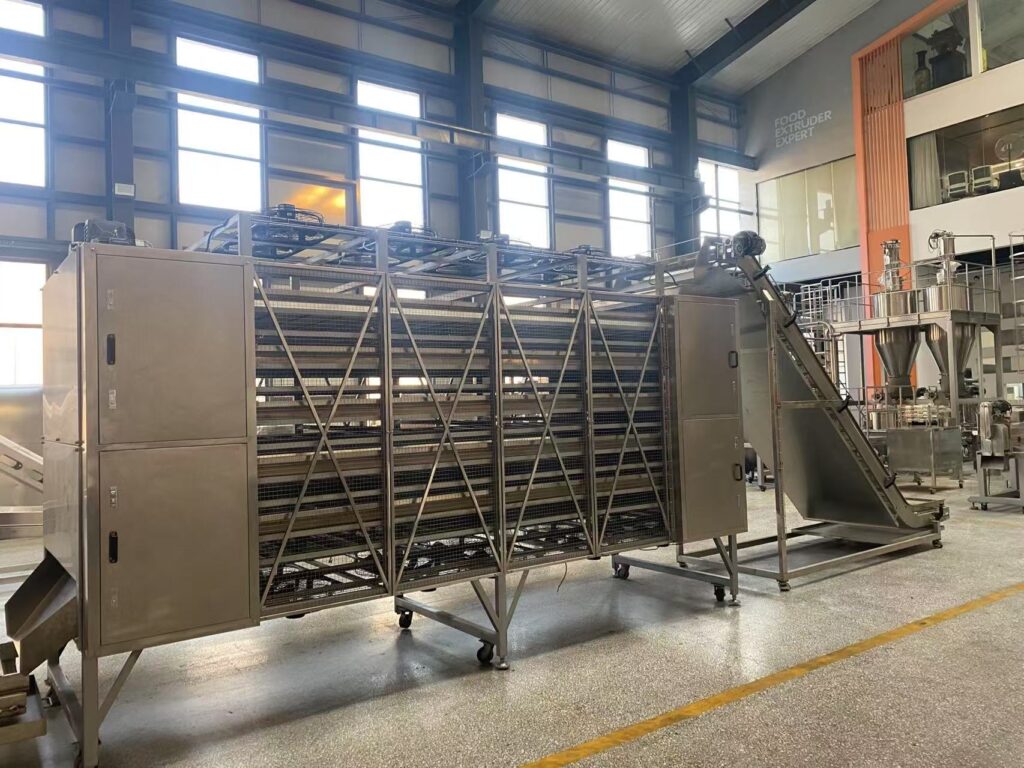
| Elevator/Lifter | Bucket elevator | 1.5 kW | Transfers product to oven |
| Multi-Layer Oven | Electric or gas, 4-6 layers | 30-50 kW | Temperature 150-200°C |
| Cooling Conveyor | Mesh belt with fans | 2-3 kW | Cools to room temperature |
| Sprayer/Oil Coater | Rotary drum with spray nozzles | 2-3 kW | Even oil application |
| Seasoning Drum | Rotating drum with mixing paddles | 2-3 kW | Applies powder seasonings |
| Packaging Machine | Vertical Form Fill Seal (VFFS) | 3-5 kW | With date coder and sealing system |
| Metal Detector | Conveyorized | 0.5 kW | Essential for food safety |
Typical Technical Specifications (100-150 kg/h Line)
Total Installed Power: 130-150 kW
Actual Power Consumption: 80-100 kW
Total Line Length: 17-20 meters
Total Line Width: 1.3-1.5 meters
Line Height: 2.2 meters
Floor Space Required: 150-200 m² (including packaging area)
Workforce: 3-5 operators per shift
Single-Screw vs. Twin-Screw Extruders
For small-scale stuffed puff production, twin-screw extruders are strongly recommended .
| Feature | Single-Screw | Twin-Screw |
|---|---|---|
| Initial Cost | Lower | Higher |
| Flexibility | Limited | High—handles various recipes |
| Filling Capability | Not compatible | Excellent for co-extrusion |
| Ingredient Range | Requires pre-gelatinized starches | Works with raw starches |
| Maintenance | Simpler | More complex but reliable |
| Best For | Basic puffs | Filled snacks, complex formulations |
Expert Recommendation: Start with a twin-screw extruder—the higher initial investment pays off through product quality, recipe flexibility, and co-extrusion capability .
5. Facility Requirements and Layout
Space Requirements
| Area | Size | Purpose |
|---|---|---|
| Raw Material Storage | 30-40 m² | Dry ingredients, temperature-controlled |
| Filling Material Storage | 10-15 m² | Refrigerated for creams, pastes |
| Production Area | 60-80 m² | Extrusion, baking, coating |
| Packaging Area | 20-30 m² | Clean zone, positive air pressure |
| Finished Goods Storage | 30-40 m² | Cool, dry environment |
| Quality Lab | 10-15 m² | Testing and inspection |
| Staff Facilities | 15-20 m² | Changing rooms, restrooms |
| Total | 180-240 m² |
Utility Requirements
| Utility | Specification | Notes |
|---|---|---|
| Electrical Power | 380V, 3-phase, 150-200 kW capacity | Stable supply essential |
| Water | 2-3 m³/day | For mixing, cleaning, cooling |
| Steam | 50-100 kg/h, 0.4-0.6 MPa | For extruder pre-conditioning |
| Compressed Air | 0.5-1.0 m³/min, 0.6-0.8 MPa | For pneumatic systems |
| Ventilation | 10-15 air changes/hour | Remove heat and moisture |
| Floor Drainage | Adequate drains | For cleaning and sanitation |
Facility Layout Principles
- Linear Flow: Raw materials → Processing → Packaging → Storage
- Segregation: Keep raw materials separate from finished products
- Hygiene Zones: Packaging area should have positive air pressure
- Accessibility: Equipment arranged for easy cleaning and maintenance
- Waste Management: Dedicated area for waste collection
6. Raw Materials and Formulations
Outer Shell Ingredients
| Ingredient | Typical Percentage | Function | Notes |
|---|---|---|---|
| Corn grits | 60-80% | Base starch, provides expansion | Medium particle size (200-500μm) |
| Rice flour | 10-30% | Light texture, white color | For premium products |
| Wheat flour | 0-20% | Adds strength, elasticity | Optional |
| Sugar | 2-8% | Sweetness, browning | For sweet products |
| Salt | 0.5-2% | Flavor, structure | All formulations |
| Oil | 1-3% | Texture, lubrication | Added in mixer |
| Water | 12-18% | Moisture for extrusion | Added in pre-conditioner |
Filling Ingredients
| Filling Type | Key Ingredients | Characteristics |
|---|---|---|
| Cheese Cream | Cheese powder, oil, emulsifiers, salt | Savory, shelf-stable |
| Chocolate Cream | Cocoa powder, sugar, vegetable fat, lecithin | Sweet, temperature-sensitive |
| Fruit Jam | Fruit puree, sugar, pectin, citric acid | Fruit-flavored, stable |
| Peanut Butter | Peanut paste, sugar, oil, stabilizers | Protein-rich, savory-sweet |
| Savory Paste | Flavor powders (tomato, BBQ), oil, salt | Seasoned fillings |
Formulation Tips for Small-Scale Production
- Start with standard recipes before developing custom formulations
- Maintain consistent particle size of dry ingredients for uniform extrusion
- Control filling viscosity—too thick won’t inject, too thin will leak
- Test shelf stability before full production runs
- Document all recipes for consistency and regulatory compliance
7. Step-by-Step Production Guide
Step 1: Raw Material Preparation
- Inspect all ingredients for quality and contamination
- Weigh precisely according to recipe specifications
- Sift dry ingredients to remove foreign material
- Load into mixer in the correct order (dry ingredients first, then liquids)
Step 2: Mixing and Pre-Conditioning
- Mix dry ingredients for 5-10 minutes for uniform distribution
- Transfer to extruder hopper via screw conveyor
- Pre-conditioning: Add water (12-18%) and steam to the extruder’s pre-conditioner
- Target temperature: 80-100°C in pre-conditioner for initial starch gelatinization
Step 3: Extrusion and Filling Injection
- Extruder settings:
- Barrel temperature zones: 80°C → 120°C → 150°C → 160°C
- Screw speed: 200-400 RPM
- Pressure: 3-8 MPa
- Filling system settings:
- Filling temperature: 40-60°C (depending on filling type)
- Pump pressure: Matched to extruder pressure
- Injection rate: Adjustable via flow meters
- Co-extrusion die: Align concentric nozzles for uniform filling distribution
Step 4: Shaping and Cutting
- Crimping roll settings:
- Speed: Synchronized with extruder output
- Pinch gap: Determines seal strength
- Pattern: Interlocking pillow shape
- Cutting: Rotary cutter severs individual pieces
- Length adjustment: Typically 2-10 cm per piece
Step 5: Drying/Baking
- Oven parameters:
- Temperature: 150-200°C
- Residence time: 3-8 minutes
- Final moisture: 3-5%
- Purpose: Reduce moisture, develop crispness, stabilize structure, set filling
Step 6: Cooling
- Cooling conveyor: Ambient air or forced air
- Target temperature: Below 40°C before coating
- Importance: Prevents oil oxidation, seasoning adhesion issues
Step 7: Oil Spraying (Optional)
- Spray system: Fine mist nozzles
- Oil type: Vegetable oil, palm oil, or specialty oils
- Application rate: 5-15% by weight
Step 8: Seasoning Application
- Seasoning drum: Rotating drum with paddles
- Application method: Powder added while tumbling
- Even distribution: Critical for consistent flavor
- Typical seasoning: Cheese powder, salt, spices, sugar blends
Step 9: Packaging
- Packaging material: Metalized film, laminated pouches
- Seal integrity: Critical for shelf life
- Gas flushing: Optional for extended shelf life (nitrogen flush)
- Labeling: Include product name, ingredients, nutritional info, manufacturing date, best-by date
Step 10: Metal Detection
- Critical control point for food safety
- Reject system: Automatically removes contaminated packages
- Calibration: Daily verification with test pieces
8. Quality Control and Food Safety
Critical Control Points (CCPs)
| CCP | Parameter | Critical Limit | Monitoring |
|---|---|---|---|
| Extruder Temperature | Pathogen kill | ≥150°C for minimum 10 seconds | Continuous thermocouple |
| Oven Temperature | Moisture reduction | ≥140°C | Continuous monitoring |
| Metal Detector | Physical contaminants | No detectable metal | Every package |
| Filling Injection | Consistency | ±2% of target weight | Hourly checks |
Quality Testing Protocols
| Test | Frequency | Method | Acceptable Range |
|---|---|---|---|
| Moisture Content | Per batch | Drying oven | 3-5% |
| Oil Content | Per batch | Solvent extraction | As per recipe |
| Filling Weight | Hourly | Scale | ±2% of target |
| Texture/Crispness | Per batch | Sensory evaluation | Consistent |
| Microbiological | Weekly | Lab testing | No pathogens |
| Shelf Life | Quarterly | Accelerated testing | 6-12 months |
Hygiene and Sanitation
- Daily cleaning: All equipment surfaces
- Weekly deep cleaning: Extruder screws, dies, oven belts
- Sanitation schedule: Documented and verified
- Pest control: Contract with licensed provider
- Personnel hygiene: Hair nets, uniforms, handwashing stations
Regulatory Compliance
- Facility registration with local food safety authority
- HACCP plan documented and implemented
- Product labeling compliant with local regulations (ingredient declaration, nutritional information)
- Traceability system: One-step forward and backward
9. Packaging and Shelf Life
Packaging Material Selection
| Material | Benefits | Considerations |
|---|---|---|
| Metalized PET/PE | Excellent moisture barrier, attractive | Not recyclable |
| Aluminum foil laminate | Best barrier properties | Higher cost |
| BOPP/PE laminate | Clear, good barrier | Moderate protection |
| Biodegradable films | Eco-friendly | Limited barrier, shorter shelf life |
Shelf Life Factors
- Moisture content: <5% essential for crispness
- Water activity: <0.4 for microbial stability
- Oil oxidation: Use antioxidants (mixed tocopherols) or nitrogen flushing
- Storage conditions: Cool, dry (below 25°C, <60% RH)
Typical Shelf Life
| Product Type | Packaging | Shelf Life |
|---|---|---|
| Cheese-filled corn puffs | Metalized pouch | 9-12 months |
| Chocolate-filled rice puffs | Metalized pouch | 12 months |
| Fruit-filled | Laminated pouch | 6-9 months |
10. Business Planning and Financial Considerations
Startup Cost Estimates (Small-Scale, 100-150 kg/h)
| Item | Estimated Cost (USD) | Notes |
|---|---|---|
| Production Line Equipment | $35,000 – $60,000 | Extruder, oven, packaging |
| Installation & Commissioning | $3,000 – $8,000 | Freight, setup, training |
| Facility Preparation | $10,000 – $25,000 | Renovation, utilities, flooring |
| Raw Materials (First Batch) | $3,000 – $6,000 | 2-4 weeks of ingredients |
| Packaging Materials | $2,000 – $4,000 | Initial inventory |
| Quality Lab Equipment | $2,000 – $5,000 | Basic testing equipment |
| Licensing & Permits | $1,000 – $3,000 | Varies by location |
| Initial Marketing | $2,000 – $5,000 | Branding, samples, distribution |
| Working Capital | $10,000 – $20,000 | 2-3 months operations |
| Total Estimated | $68,000 – $136,000 |
Operating Cost Breakdown (Per Month)
| Expense Item | Estimated (USD) | Notes |
|---|---|---|
| Raw Materials | $8,000 – $15,000 | 70% of production cost |
| Utilities | $1,000 – $2,500 | Power, water, steam |
| Labor (3-5 operators) | $3,000 – $6,000 | Depending on location |
| Packaging | $2,000 – $4,000 | Varies by volume |
| Maintenance | $300 – $800 | Spare parts, service |
| Controllo qualità | $200 – $500 | Testing supplies |
| Rent | $1,000 – $3,000 | Facility lease |
| Marketing | $500 – $2,000 | Promotional activities |
| Total Operating | $16,000 – $33,800 |
Revenue Projections
| Metric | Conservative | Optimistic | Assumptions |
|---|---|---|---|
| Daily Production | 600 kg | 1,000 kg | 8-hour shift |
| Monthly Production | 12,000 kg | 20,000 kg | 20 days/month |
| Selling Price (Wholesale) | $2.50/kg | $3.50/kg | Market dependent |
| Monthly Revenue | $30,000 | $70,000 | |
| Gross Margin | 30-40% | 40-50% | After raw materials |
| Net Profit | $5,000 – $10,000 | $12,000 – $25,000 | After all costs |
Key Success Factors
- Product differentiation: Unique flavor combinations or shapes
- Quality consistency: Build brand trust through reliable products
- Distribution channels: Retail, food service, private label
- Cost control: Efficient operations, bulk purchasing
- Regulatory compliance: Avoid costly recalls or shutdowns
11. Troubleshooting Common Issues
| Problem | Possible Cause | Solution |
|---|---|---|
| Uneven expansion | Inconsistent moisture, worn screw | Adjust water addition, check screw condition |
| Filling leaks | Improper sealing, filling too thin | Adjust crimper pressure, increase filling viscosity |
| Soft texture | Under-drying, high moisture | Increase oven temperature or residence time |
| Burnt taste | Oven too hot, too long | Reduce temperature, adjust speed |
| Uneven seasoning | Inadequate coating, clumping | Check seasoning drum operation, sieve powder |
| Short shelf life | Moisture absorption | Improve packaging seal, add desiccant |
| Extruder surging | Inconsistent feed | Check feeder calibration, maintain hopper level |
| Filling separation | Inadequate emulsification | Improve mixing, add stabilizers |
12. Conclusion
Starting a small-scale stuffed puff snack processing plant is a viable and potentially profitable venture for food entrepreneurs. The combination of growing consumer demand for innovative snacks, accessible equipment options for small-scale production, and the value-added nature of filled products creates an attractive business opportunity.
Key Takeaways
- Technology is accessible: Twin-screw extruders with co-extrusion capability are available at scales suitable for small businesses (100-150 kg/h) .
- Modular approach: Start with a core production line and expand as business grows—the same basic line can produce multiple product types .
- Focus on quality: Consistent product quality and food safety are non-negotiable foundations for success.
- Differentiate through innovation: Unique fillings, shapes, and formulations can set your products apart in a competitive market.
- Plan for compliance: Regulatory requirements for food manufacturing must be addressed from day one.
- Invest in training: Proper operator training ensures product consistency and equipment longevity.
Final Recommendations
- Start small but think scalable: Choose modular equipment that can expand capacity without complete replacement .
- Perfect your recipes before scaling: Develop formulations that work consistently at your target production rate.
- Build strong supplier relationships: Reliable sources of quality raw materials are critical.
- Test your market: Start with limited distribution and gather feedback before expanding.
- Invest in food safety: Metal detection and HACCP implementation are essential investments, not optional extras .
Disclaimer: This guide is for informational purposes only. Equipment specifications, costs, and regulatory requirements vary by location and may change over time. Consult with qualified equipment suppliers, food safety consultants, and local regulatory authorities before beginning operations. All financial projections are estimates and actual results will vary based on numerous factors including market conditions, operational efficiency, and location. If you are interested in the puffed snack food making machine , you can contact me , i will give you good advice and solutions . If you are interested in the puffed snack food making machine , you can contact me , i will give you good advice and solutions .
1.Will you help us with the installation ?
Yes , We will send engineers to install and debug the equipment, and assist in training your staff.
2.Are you a factory or trading company?
We are a factory.
3.What certificate do you have?
We have ISO and CE certificate.
4.How long is the warranty period?
All of our machines have one year warranty.
5.What’s the main market of your company?
Our customers all over the world.
6.How much production capacity of your company one year?
This depends on your needs.
 Italian
  English
  Russian
  Spanish
  Arabic
  Portuguese
  German
  French
  Japanese
  Moroccan Arabic
  Persian
  Belarusian