
For many dog owners, that bag of kibble represents convenience, science, and a promise of complete nutrition. But what truly happens between the farm and the food bowl? Let’s pull back the curtain on the industrial processes that create most commercial dry dog food, separating fact from common myth.
The Core Process: It’s All About Extrusion
Imagine a giant, high-tech pasta maker. That’s essentially an extruder, the heart of dry dog food production. Here’s the step-by-step journey:
1. Ingredient Sourcing & The “Meal” Truth:
The process doesn’t start with whole, raw steaks grilling in an oven. dog food making machine It often begins with rendered meals (like chicken meal, lamb meal). Rendering is a high-heat cooking process that separates fat from protein and bone, creating a stable, powdered protein source. This is not inherently “bad”—it concentrates protein and destroys pathogens—but it’s a far cry from fresh meat going straight into the mix. Fresh meats listed high on ingredients panels are often added for flavor but contain about 70% water, which evaporates during processing.
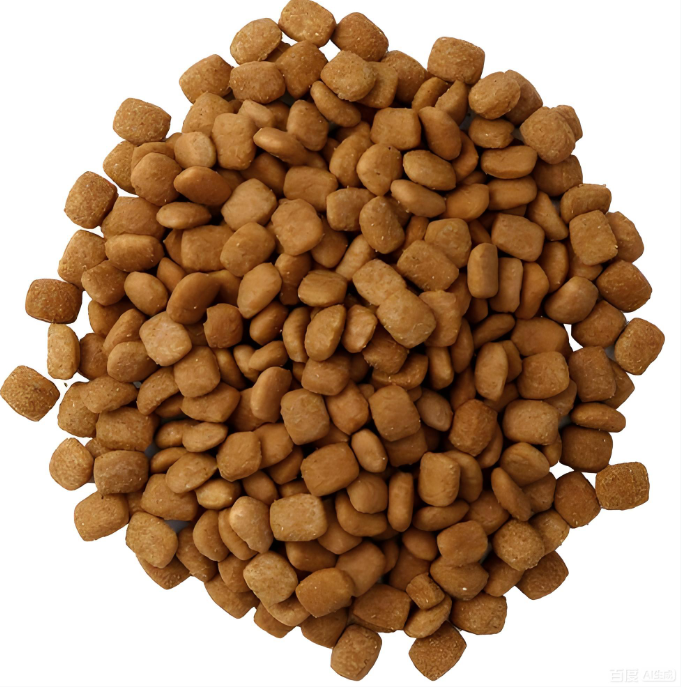
2. The Grind & The Blend:
All ingredients—meals, grains (like corn, wheat, or rice), vitamins, minerals, and binding agents—are ground into a fine powder. This ensures uniformity. dog food making machine They are then precisely weighed and mixed into a giant batch according to the “formula” or recipe. This is where the nutritional blueprint is established.
3. The “Dough” and Superheating:
Water and steam are injected to create a doughy paste. This paste is fed into the extruder—a massive screw inside a barrel. As it’s pushed forward, it is subjected to intense friction, pressure, and heat (often between 120-150°C/250-300°F). In under 5 minutes, this supercooks the mixture, sterilizing it and gelatinizing the starches so they become digestible.
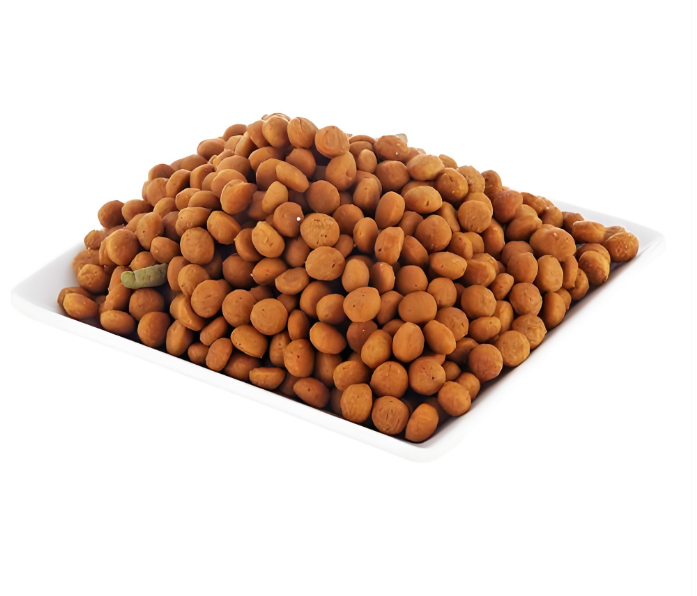
4. Shaping the Kibble:
The hot, molten paste is forced through a metal die at the end of the extruder—a shaped hole that creates the kibble’s form (bones, stars, etc.). As it exits into atmospheric pressure, it instantly “puffs” like popcorn, creating the airy, porous structure of kibble.
5. The Fat Coating (Palatability Enhancer):
After drying in ovens to reduce moisture to ~10% for shelf-stability, the kibble is dull, dry, and not very tasty. It enters a large, rotating drum called a “fat coater” or “enrober.” Here, digestible (and often highly appealing) fats, oils, and “palatants” are sprayed on. Palatants are flavor compounds, often animal digests, that make the food irresistible to dogs. This is why dogs often crave kibble over plainer home-cooked food—it’s engineered for maximum appeal.
6. Cooling & Packaging:
Finally, the kibble is cooled and conveyed to packaging lines, where it’s sealed in bags with inert gases (like nitrogen) to prevent the fats from going rancid.
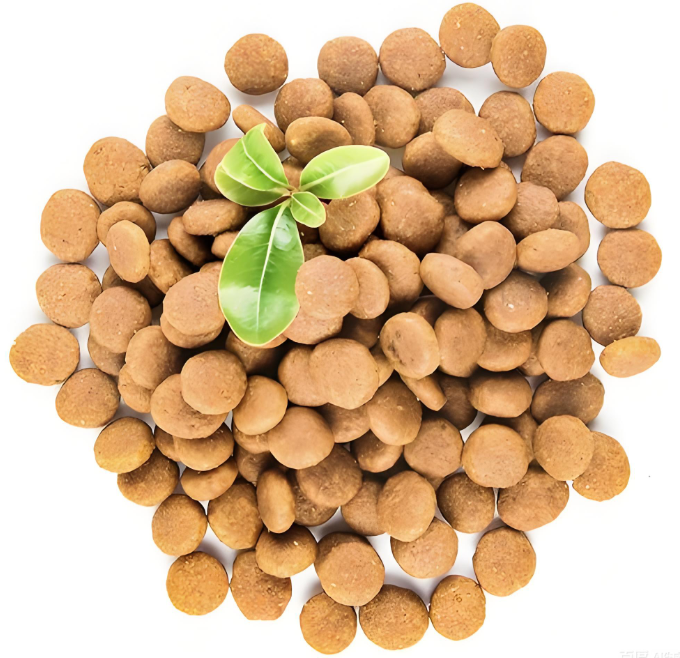
Demystifying Common Claims & Concerns
- “Made with Real Meat!”: While true, the “real meat” often undergoes rendering and high-heat extrusion, which can degrade some natural nutrients, necessitating synthetic vitamin and mineral additions later.
- By-Products: These are non-muscle organ meats (liver, heart, lungs). Nutritionally, they are often superior to muscle meat, packed with vitamins and minerals. The negative stigma is more about human perception than canine nutrition.
- Carbohydrates: Kibble needs starch to extrude properly. High carbohydrate content often comes from grains or potatoes, providing cheap energy but sometimes contributing to obesity and spiking blood sugar if not formulated carefully.
- Nutrient Survival: The extreme heat can destroy heat-sensitive nutrients (like certain vitamins and amino acids). This is why a “premix” of synthetic vitamins, minerals, and amino acids (like taurine) is almost always sprayed onto the kibble after extrusion and coating, like a final nutritional “dusting.”
The Wet Food & Alternative Methods
- Wet Food (Cans/Pouches): Ingredients are blended, filled into containers, and sealed. The container then goes into a giant pressure cooker (retort) for sterilization. This method uses even higher heat than extrusion but retains more moisture and often uses fresher meat chunks. However, it can also degrade heat-sensitive nutrients.
- Cold-Pressed & Air-Dried: These alternative methods use lower temperatures (typically 40-70°C) to preserve more natural nutrients and flavors. Cold-pressed uses pressure and moderate heat to bind ingredients, while air-dried slowly removes moisture. They are less processed but come at a significantly higher cost.
The Takeaway: Engineered Nutrition
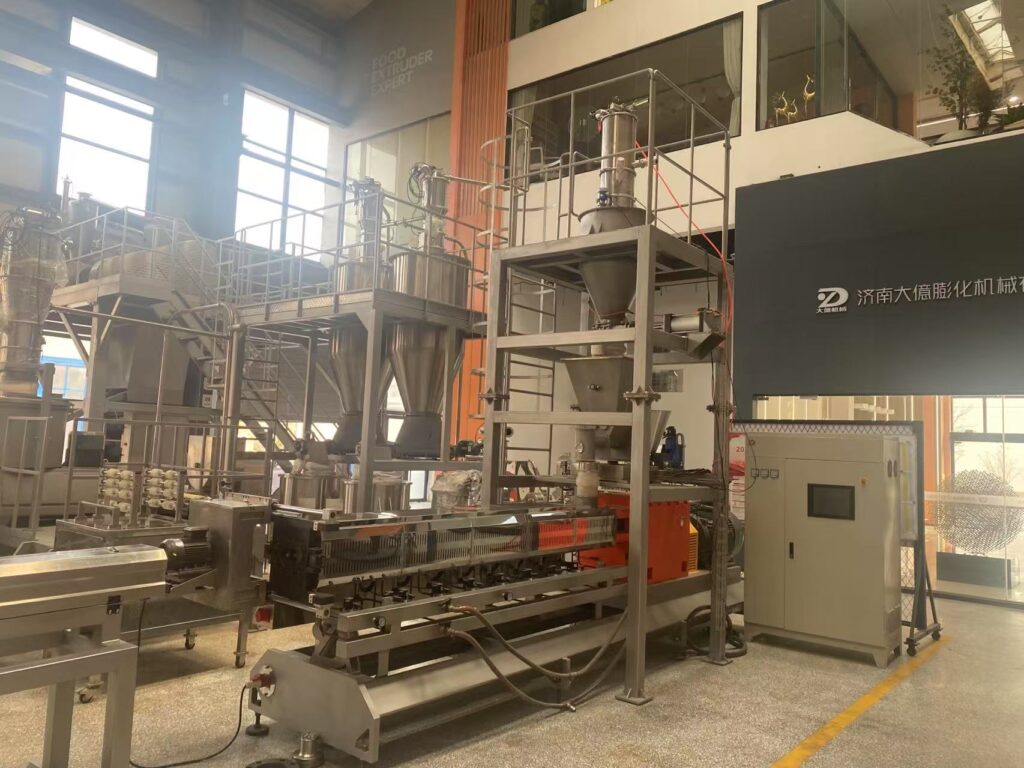
Commercial dog food, especially kibble, is less a “recipe” and more a controlled, industrial manufacturing and nutritional fortification process. Its primary goals are safety (destroying pathogens), shelf-stability (long-lasting), nutritional completeness (achieved through both natural and synthetic sources), and palatability (engineered for dogs to love it).
As an informed owner, look beyond marketing. Examine the nutritional adequacy statement (does it meet AAFCO/FEDIAF standards?), the ingredient list (protein sources first?), and consider the processing method in relation to your dog’s health needs and your budget. Understanding the “how” empowers you to make the best choice for your individual canine companion.
 Italian
  English
  Russian
  Spanish
  Arabic
  Portuguese
  German
  French
  Japanese
  Moroccan Arabic
  Persian
  Belarusian