
The Process of Fish Feed Production: From Ingredients to Final Product
Fish feed is an essential component of aquaculture, providing the necessary nutrients to farmed fish and ensuring their healthy growth. fish food making machine Whether it’s for freshwater fish, marine fish, or ornamental species, the process of producing fish feed involves several complex steps that ensure both quality and nutrition. Here’s a closer look at how fish feed is made—from raw materials to the final product.
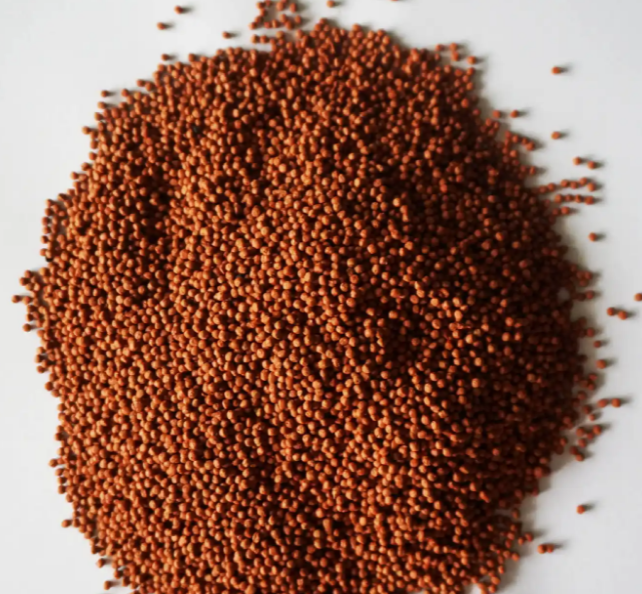
1. Ingredient Sourcing and Selection
The first step in producing fish feed is selecting high-quality ingredients. fish food making machine Fish feed generally contains a variety of animal and plant-based components, including:
- Fishmeal: Made from small fish such as anchovies or menhaden, fishmeal is a rich source of protein and omega-3 fatty acids.
- Plant-based meals: Soybean meal, corn, wheat, and other plant ingredients are used to provide essential nutrients, fiber, and energy.
- Animal by-products: Rendered poultry or beef products are sometimes included in the feed to boost protein levels.
- Vitamins and minerals: These are added to ensure the fish receive a balanced diet and maintain good health.
- Additives: Certain additives, such as colorants, preservatives, and attractants, are included to enhance the feed’s appearance, shelf life, and palatability.
The quality and proportions of these ingredients depend on the type of fish being raised. For example, carnivorous fish like salmon need a higher amount of fishmeal, while herbivorous fish like tilapia rely more on plant-based ingredients.
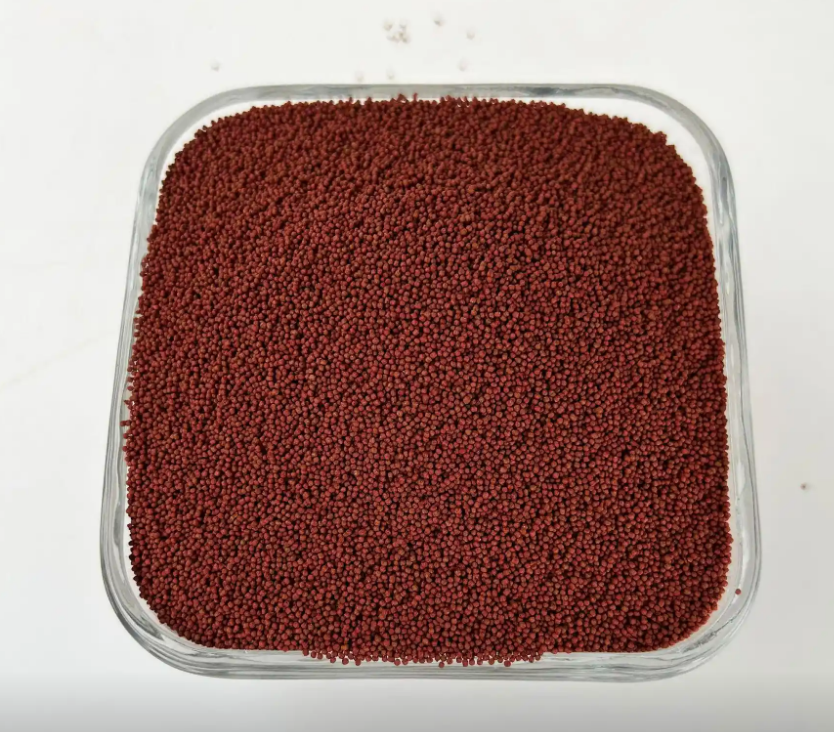
2. Grinding and Mixing
Once the ingredients are sourced, they are ground into fine powders to make them easier to mix. The grinding process ensures that the feed ingredients are uniformly blended, fish food making machine providing balanced nutrition for the fish. The raw materials are mixed in large machines, such as horizontal or vertical mixers, to create a homogenous mixture.
3. Pelletizing (Extrusion)
The ground feed mixture is then subjected to a process known as pelletizing or extrusion. During this step, the mixture is heated and pressed into small pellets or other shapes, depending on the fish species being fed. Pelletizing is essential because it:
- Improves the digestibility of the feed by breaking down the ingredients into smaller, more bioavailable particles.
- Allows for easy handling and storage, as pellets can be easily measured and distributed to fish.
- Helps to retain the nutritional content of the feed, especially during the cooking process.
At this stage, heat, moisture, and pressure are applied to the mixture in an extruder machine. The extruder also cooks the feed, which makes the nutrients more digestible and kills any harmful bacteria or pathogens that may be present.
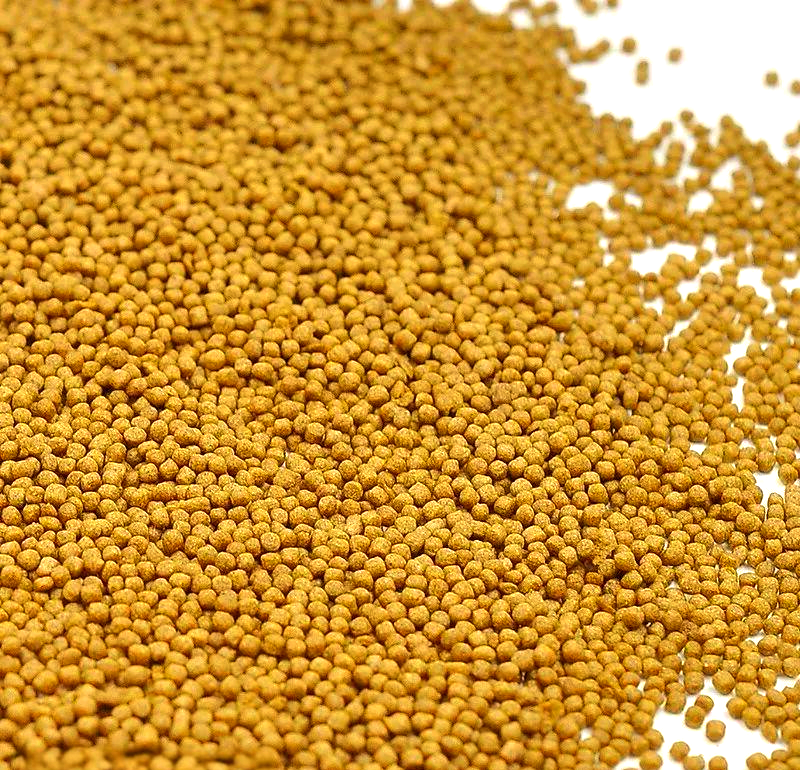
4. Drying
Once the pellets are formed, they are dried to remove excess moisture. Moisture levels in fish feed should generally be between 10-12%, as too much moisture can lead to spoilage during storage. The drying process is usually done using rotary dryers or air dryers, which circulate hot air around the pellets to reduce their moisture content while preserving their nutrients.
5. Cooling and Coating
After drying, the pellets are cooled to room temperature to prevent them from becoming too hard or brittle. Some feeds may also undergo an additional coating process where fish oil, vitamins, fish food making machine or other attractants are sprayed onto the pellets. This coating enhances the palatability of the feed, making it more attractive to the fish and ensuring they consume the necessary nutrients.
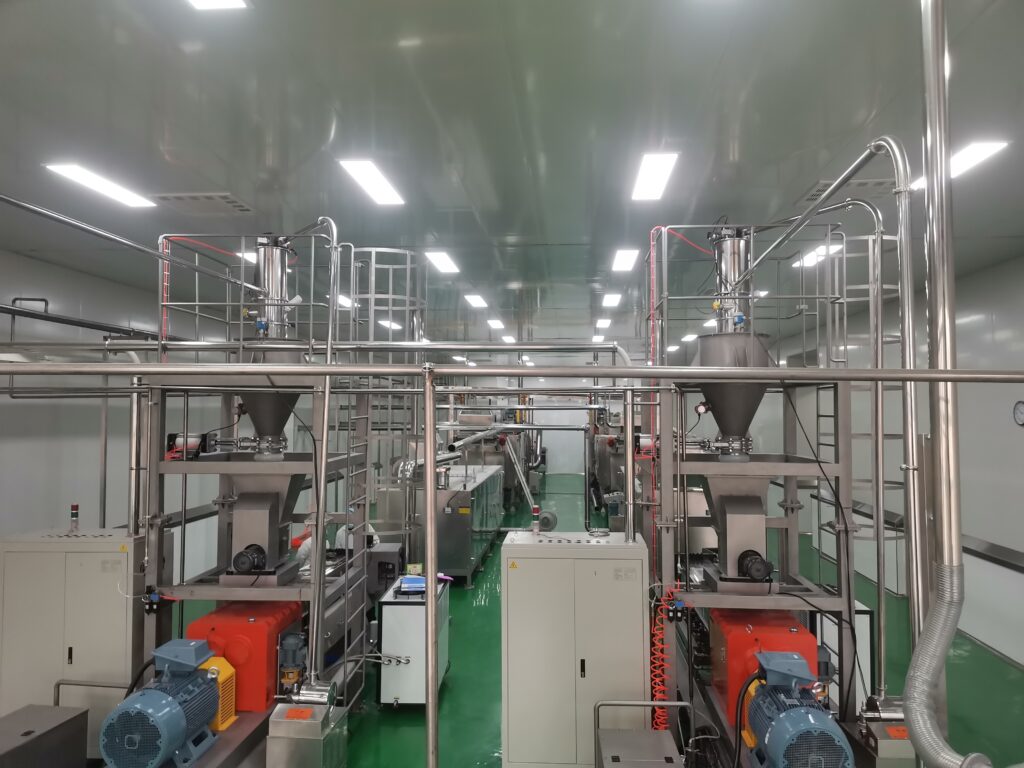
6. Quality Control and Testing
Before the fish feed is packaged and shipped, it undergoes rigorous quality control testing to ensure it meets industry standards for nutrition, safety, and quality. Samples of the feed are tested for:
- Nutrient levels: Ensuring the correct balance of proteins, fats, carbohydrates, vitamins, and minerals.
- Microbial contamination: Testing for harmful pathogens such as bacteria or molds that could compromise the health of the fish.
- Physical properties: Checking the size, shape, and texture of the pellets to ensure they are suitable for the intended fish species.
These tests help ensure that the feed will promote healthy growth and avoid harming the fish.
7. Packaging and Distribution
Once the feed passes quality control, it is packaged in bulk or small packages for distribution. Fish feed is typically packed in bags made of moisture-resistant materials to protect it from humidity during transportation and storage. The bags are then labeled with information about the feed’s nutritional content, ingredients, and any instructions for use.
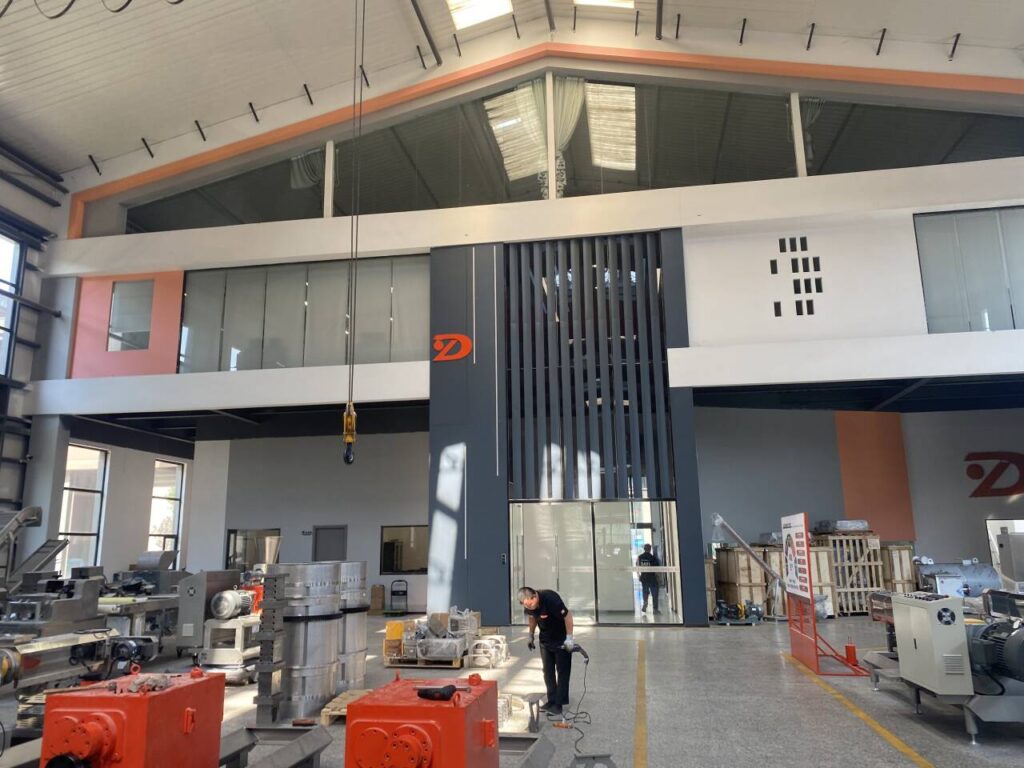
The final product is shipped to fish farms, retailers, or distributors, where it is used to feed both farmed and ornamental fish.The production of fish feed is a highly specialized process that requires careful attention to detail at each step. fish food making machine From sourcing raw materials to final testing and packaging, every stage of the process plays a crucial role in ensuring the health and well-being of farmed fish. By providing fish with high-quality, nutritious feed, aquaculture can continue to meet the growing demand for seafood around the world.
Understanding the complexities behind fish feed production also sheds light on the importance of sustainable practices in the industry, such as the sourcing of ingredients and the reduction of waste, to ensure the long-term health of our aquatic ecosystems.
 Italian
  English
  Russian
  Spanish
  Arabic
  Portuguese
  German
  French
  Japanese
  Moroccan Arabic
  Persian
  Belarusian