
Puffed foods are popular worldwide because of their light, snacks making machine crispy texture and pleasant mouthfeel. Achieving high-quality texture in puffed snacks requires careful control of raw materials, processing conditions, and post-treatment methods. The following factors are key to producing puffed foods with excellent texture.
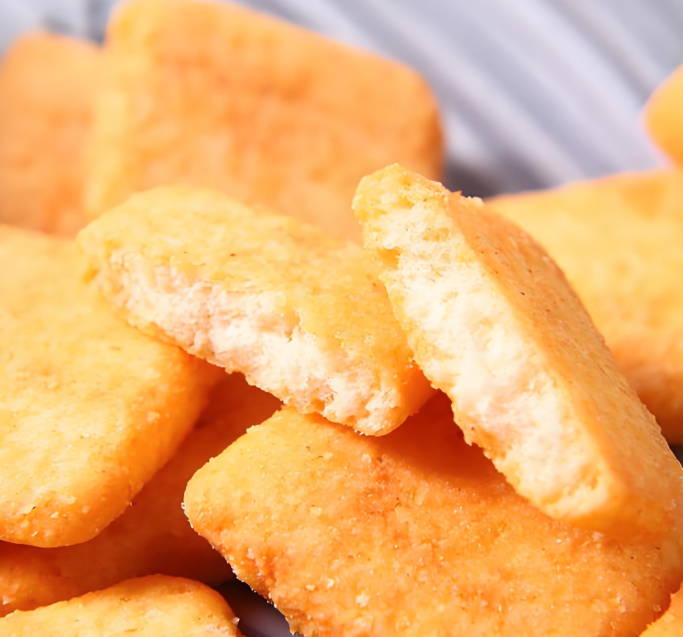
1. Selection of Raw Materials
High-quality raw materials are the foundation of good puffed products. snacks making machine Grains or starches such as corn, rice, wheat, or potatoes should have appropriate starch content and low impurity levels. Starch with good gelatinization properties helps create a uniform internal structure during puffing. Moisture content of the raw materials is also critical; materials that are too dry or too wet can negatively affect expansion and crispness.
2. Proper Moisture Control
Moisture plays a crucial role in the puffing process. Before extrusion or puffing, the raw material should be conditioned to an optimal moisture level, usually between 12% and 18%, depending on the product. Proper moisture allows steam to form rapidly during heating, which creates internal pressure and leads to good expansion and a porous structure.
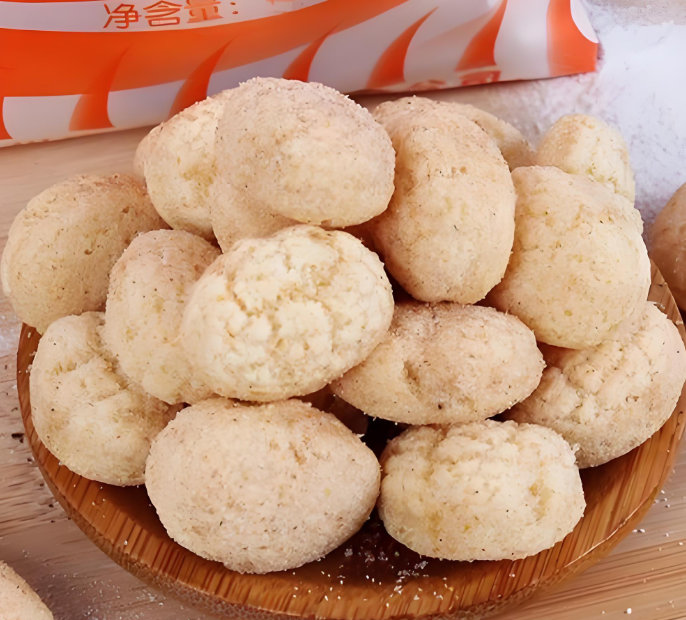
3. Accurate Temperature and Pressure Management
High temperature and pressure are essential for successful puffing. During extrusion or high-pressure puffing, starch granules gelatinize and proteins partially denature. snacks making machine When the product exits the extruder or puffing chamber, the sudden drop in pressure causes rapid expansion. If the temperature or pressure is too low, the product will be dense; if too high, it may collapse or burn.
4. Equipment and Process Stability
Modern extrusion equipment with stable temperature, pressure, and screw speed control ensures consistent product quality. Uniform mixing and steady processing help create evenly expanded products with a fine, crispy texture rather than large, irregular air pockets.
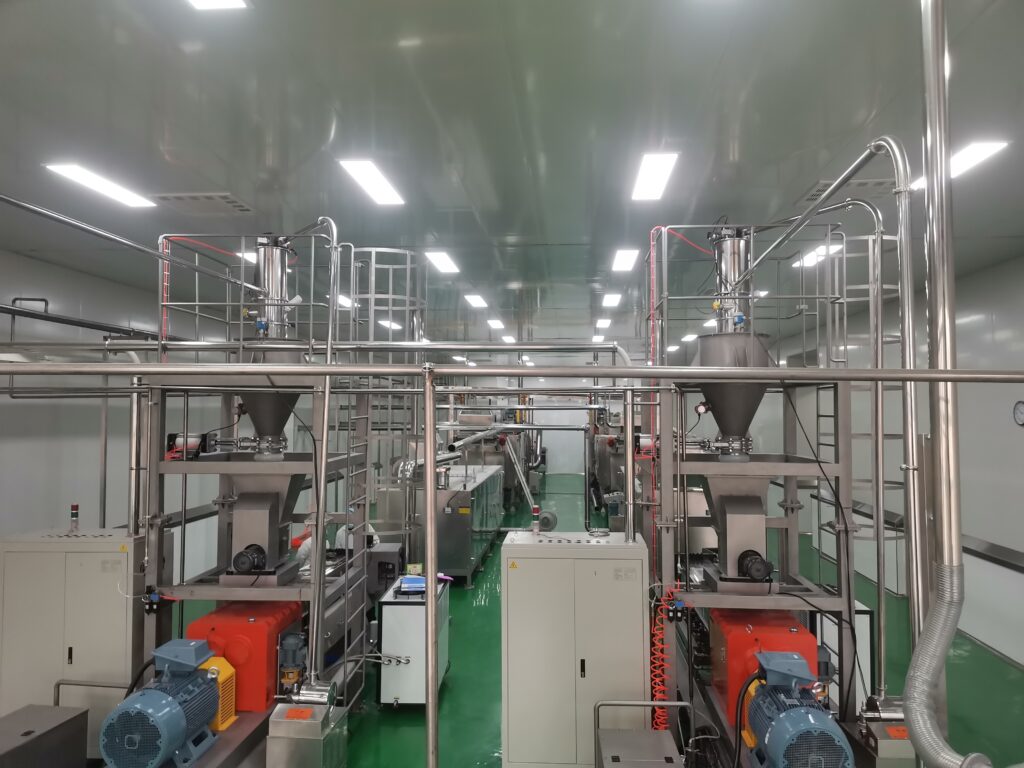
5. Drying and Cooling After Puffing
After puffing, proper drying is necessary to reduce moisture to a safe and stable level, usually below 5%. Controlled drying prevents texture softening and helps maintain crispness. Adequate cooling also stabilizes the internal structure and prevents condensation during packaging.
6. Seasoning and Coating Techniques
Seasoning should be applied evenly and in appropriate amounts. Excessive oil or liquid seasoning can soften the texture and reduce crispness. Using fine powder seasonings or light oil spraying helps preserve the crunchy mouthfeel of the puffed food.
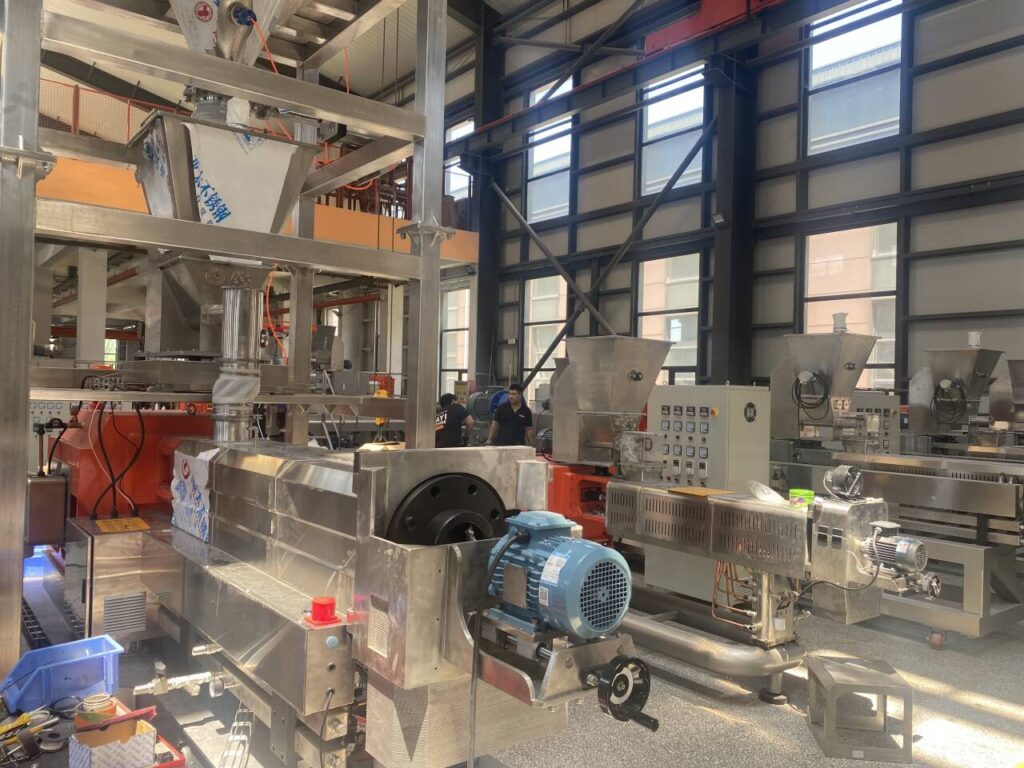
7. Packaging and Storage
Finally, good packaging is essential to protect texture. Moisture-proof and oxygen-barrier packaging materials help prevent moisture absorption and texture degradation. snacks making machine Proper storage conditions, such as low humidity and moderate temperature, further extend shelf life and maintain quality.

Producing puffed foods with excellent texture requires a combination of high-quality raw materials, precise control of moisture, temperature, and pressure, as well as proper post-processing and packaging. By optimizing each step of the production process, manufacturers can consistently create puffed foods that are light, crispy, and enjoyable for consumers.
 English
  Russian
  Spanish
  Italian
  Arabic
  Portuguese
  German
  French
  Japanese
  Moroccan Arabic
  Persian
  Belarusian