
In the world of extruded puffed snacks, taste is king. While processing parameters like temperature, moisture, and screw speed determine texture and expansion, it is the raw materials that ultimately define flavor, aroma, mouthfeel, and consumer appeal. The choice of base flours, starches, fats, and flavor carriers directly influences how a snack tastes—not just the seasonings applied after extrusion, but the inherent flavor of the puff itself. Selecting the right ingredients is the first and most critical step in creating a truly superior product.
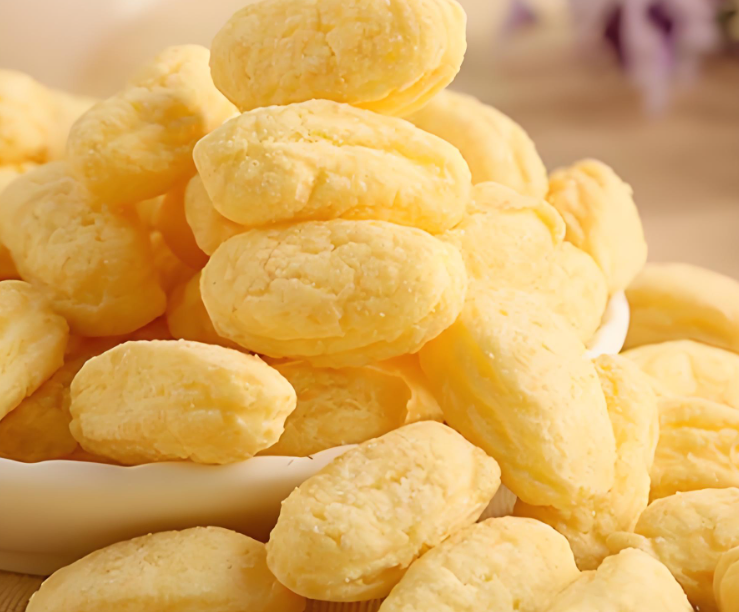
1. The Base Flour: Building the Foundation of Flavor
The primary grain or starch used in the formulation establishes the baseline flavor profile. Different bases offer distinct taste characteristics that can either stand alone or serve as a canvas for added seasonings.
- Corn (Maize): Corn is the most traditional base for puffed snacks and remains a consumer favorite. Yellow corn provides a distinct, slightly sweet, and nutty flavor that is instantly recognizable in cheese curls and corn puffs. White corn offers a milder, cleaner taste that allows applied seasonings to shine without competition. For premium products, degerminated yellow corn meal (where the germ is removed) offers longer shelf life by reducing rancidity risk, though it sacrifices some of the corn’s natural richness.
- Rice: Rice-based snacks are prized for their neutral flavor profile and light, delicate texture. This neutrality is a significant advantage when the goal is to highlight a bold seasoning blend—such as spicy chili, tangy barbecue, or savory soy sauce—without flavor interference. Brown rice adds a subtle nuttiness and a perception of whole-grain wholesomeness, appealing to health-conscious consumers, though it produces a denser texture than white rice.
- Wheat: Wheat flour contributes a hearty, slightly earthy flavor and a satisfying crunch. It is commonly used in baked-style extruded snacks and pretzel-type products. However, wheat contains gluten, which can limit expansion; therefore, wheat-based puffs typically have a denser, more substantial mouthfeel compared to corn or rice snacks.
- Potato: Potato-based formulations deliver an authentic, savory flavor that closely mimics fried potato chips but with a lighter, extruded texture. Potato granules or flakes are often blended with starches to create a product that offers the familiar taste of potato with the manufacturing efficiency of extrusion. The natural umami notes of potato make these snacks highly palatable with minimal seasoning.
- Legumes and Ancient Grains: For the growing market segment seeking protein-rich and gluten-free options, chickpea, lentil, and pea flours are gaining prominence. These ingredients introduce earthy, nutty, and sometimes slightly bitter notes that require careful formulation. When balanced correctly with starches and seasonings, they offer a distinctive, wholesome flavor profile that appeals to health-focused consumers.
2. Starches: Enhancing Texture and Mouthfeel
While base flours provide flavor, added starches control texture, which profoundly influences how flavor is perceived. A superior-tasting snack must have the right mouthfeel—whether that is light and airy or dense and crunchy.
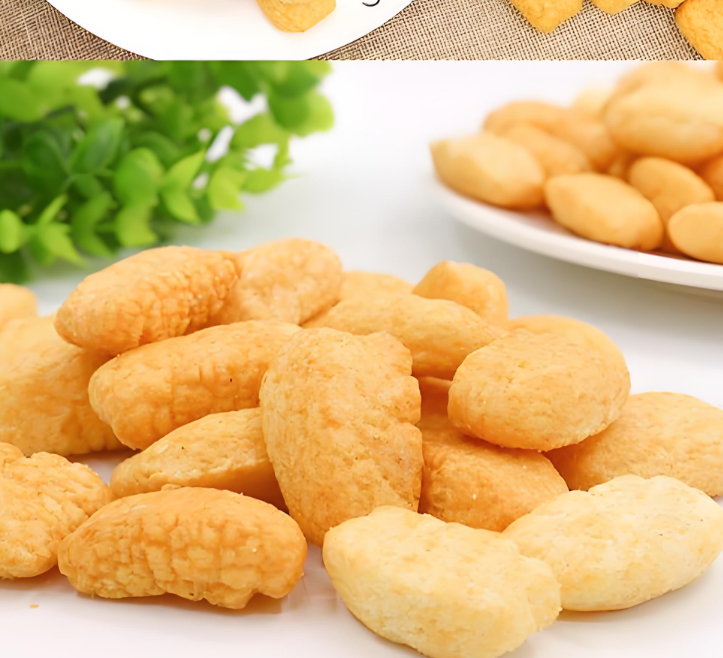
- Native Starches: Corn, tapioca, and potato starches are commonly added to improve expansion and create a crisp texture. Tapioca starch, in particular, is valued for producing a clean, non-waxy mouthfeel and a bright white appearance that signals freshness.
- Modified Starches: Pre-gelatinized or modified starches offer functional benefits that indirectly enhance flavor. They improve the carrier capacity for oils and seasonings, ensuring that flavors adhere uniformly. They also contribute to a smoother melt-away sensation, which allows flavors to release more quickly and intensely on the palate.
- Waxy Starches: Waxy corn or waxy rice starches, which are high in amylopectin, produce exceptional expansion and a delicate, crisp structure. This light texture allows seasonings to coat more surface area per gram of snack, delivering a more potent flavor impact with each bite.
3. Fats and Oils: The Flavor Carrier
In most puffed snacks, oil is applied after extrusion as a carrier for powdered seasonings. However, the type and quality of oil used significantly affect both immediate taste and shelf-life stability.
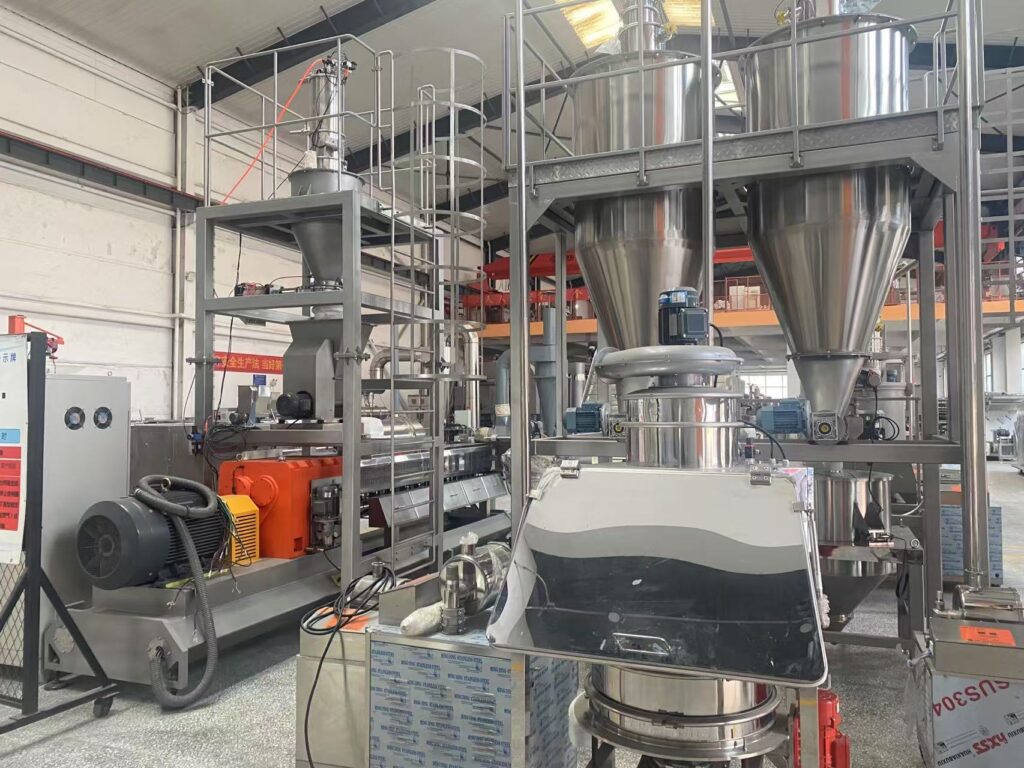
- High-Oleic Oils: High-oleic sunflower, canola, or soybean oils are preferred for premium snacks. These oils are rich in monounsaturated fats, making them highly stable against oxidation. They provide a clean, neutral taste that does not compete with seasonings and extends shelf life by preventing rancidity.
- Palm Oil: Palm oil is widely used due to its neutral flavor, high stability, and semi-solid consistency, which aids in uniform seasoning adhesion. Fractionated palm oil fractions (such as palm olein) offer excellent oxidative stability.
- Butter and Dairy Fats: For premium or indulgent snacks, butter oil or cheese powders containing dairy fats impart a rich, creamy mouthfeel and authentic dairy flavor that cannot be replicated with vegetable oils alone. These ingredients elevate the perception of quality, particularly in cheese-flavored products.
- Oil Absorption Considerations: The porosity of the extruded puff determines how much oil it absorbs. A well-expanded, highly porous puff absorbs more oil and seasoning, delivering a richer taste experience. However, excessive oil absorption can lead to a greasy mouthfeel, which consumers often perceive negatively. Balancing expansion with oil uptake is key to achieving a flavorful yet non-greasy product.
4. Seasoning Systems: The Flavor Payload
For the majority of puffed snacks, the majority of the taste comes from applied seasonings. The raw materials used in these seasoning blends must be of high quality to deliver authentic, bold flavors.
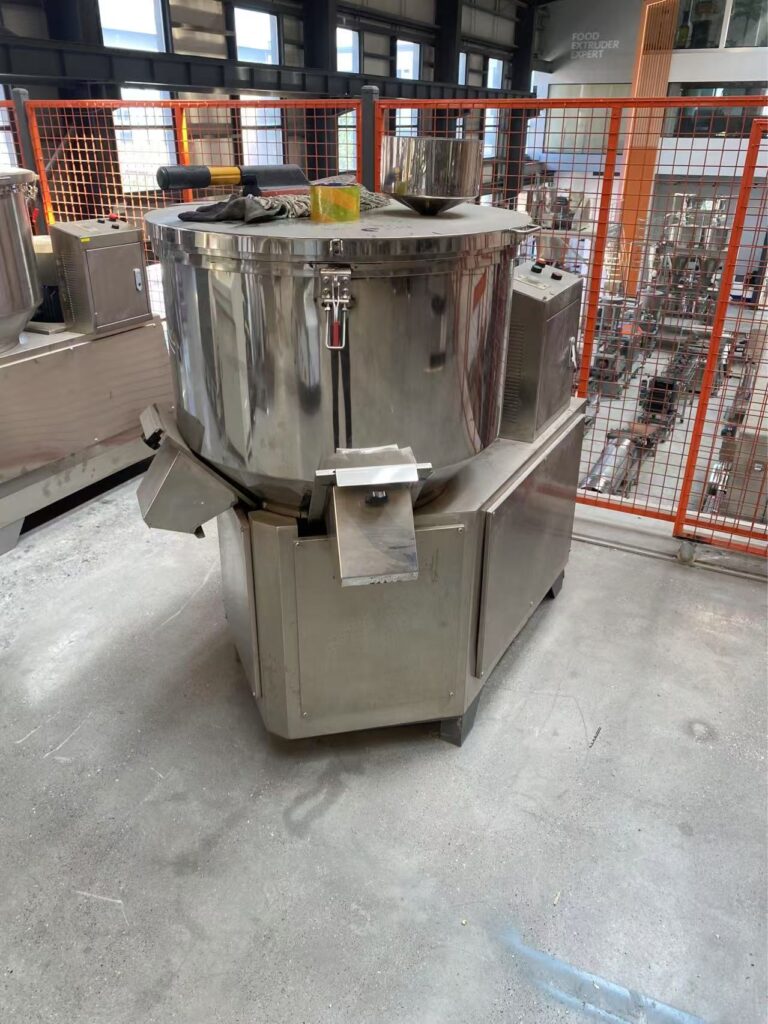
- Cheese Powders: Cheese is the dominant flavor category in puffed snacks. Premium cheese powders are made from real cheese (cheddar, blue cheese, Parmesan) that has been dried and milled. The quality of the cheese powder—measured by its actual cheese content, enzyme-modified cheese components, and butyric acid profile—directly correlates with the authenticity and intensity of the cheese flavor.
- Savory Powders: Onion, garlic, tomato, paprika, and yeast extract powders provide savory depth. Yeast extracts are particularly valuable because they add umami—the fifth basic taste—which enhances overall flavor perception and allows for sodium reduction without compromising taste.
- Spice Blends: For spicy profiles, the choice between natural chili powders, cayenne, and oleoresins (concentrated spice extracts) affects both flavor quality and production consistency. High-quality spice blends provide heat that builds gradually rather than hitting harshly, creating a more enjoyable eating experience.
- Acidulants: Citric acid, lactic acid, and malic acid are essential for tangy flavors such as salt and vinegar or sour cream and onion. They provide brightness and balance, cutting through rich fats and preventing flavor fatigue.
5. Specialty Ingredients for Flavor Enhancement
Beyond the core ingredients, certain additives can significantly elevate the taste profile of extruded snacks.
- Sugar and Sweeteners: Even in savory snacks, small amounts of sugar or dextrose play a crucial role. They balance acidity, round out harsh notes, and enhance browning during extrusion, contributing subtle caramelized flavor notes.
- Fiber and Whole Grains: While often added for nutritional claims, fibers and whole grains can contribute toasty, nutty, and slightly sweet flavors that add complexity. Oat fiber, for example, imparts a mild, pleasant cereal note. However, these ingredients must be carefully balanced to avoid bitterness or gritty texture.
- Natural Colors: While not a flavor ingredient per se, the visual appeal of a snack influences taste perception. Using natural colors such as paprika extract, annatto, and beetroot powder aligns with clean-label expectations and signals authenticity to consumers.
Summary Table: Raw Material Impact on Flavor
| Ingredient Category | Key Materials | Flavor Contribution |
|---|---|---|
| Base Flour | Yellow corn | Sweet, nutty, traditional |
| Rice | Neutral, allows seasoning to dominate | |
| Potato | Savory, authentic, umami | |
| Starches | Tapioca | Clean mouthfeel, crisp texture |
| Waxy corn | Light, delicate, high seasoning adhesion | |
| Oils | High-oleic sunflower | Neutral, stable, non-greasy |
| Butter/dairy fats | Rich, creamy, indulgent | |
| Seasonings | Real cheese powders | Authentic, bold, complex |
| Yeast extract | Umami, savory depth, sodium reduction | |
| Enhancers | Sugar/dextrose | Balances acidity, rounds flavors |
Conclusion
Creating a superior-tasting puffed snack begins with selecting the right raw materials. The base flour establishes the foundational flavor—whether it is the sweet nuttiness of corn, the clean neutrality of rice, or the savory authenticity of potato. Added starches refine the texture, determining how flavors release on the palate. High-quality oils serve as carriers for seasonings while contributing to mouthfeel and stability. Finally, premium seasoning systems—anchored by real cheese powders, yeast extracts, and balanced spice blends—deliver the bold, satisfying taste that consumers crave.
When these ingredients are thoughtfully selected and harmoniously combined, the result is not merely a snack but a sensory experience: one that delivers the perfect balance of crunch, flavor release, and lasting appeal. In a competitive market where consumers have countless options, superior taste—rooted in superior ingredients—remains the ultimate differentiator. If you are interested in the puffed snack food making machine , you can contact me , i will give you good advice and solutions .
1.Will you help us with the installation ?
Yes , We will send engineers to install and debug the equipment, and assist in training your staff.
2.Are you a factory or trading company?
We are a factory.
3.What certificate do you have?
We have ISO and CE certificate.
4.How long is the warranty period?
All of our machines have one year warranty.
5.What’s the main market of your company?
Our customers all over the world.
6.How much production capacity of your company one year?
This depends on your needs.
 French
  English
  Russian
  Spanish
  Italian
  Arabic
  Portuguese
  German
  Japanese
  Moroccan Arabic
  Persian
  Belarusian