
Walk down any pet store aisle, and you’re bombarded with vibrant bags featuring plump chickens, fresh-caught salmon, and garden-fresh vegetables.dog food making machine The marketing promises “complete nutrition,” “wholesome ingredients,” and a “natural diet.” But behind this carefully crafted image lies a vastly different reality—an industrial process driven by cost-efficiency, rendering, and chemical alchemy. This is the truth about how most commercial kibble is made.
Part 1: The Raw Materials: “Meal,” By-Products, and Renderers’ Gold
The primary protein source in most kibble is not the succulent meat pictured on the bag. It is “meal.” Chicken meal, meat and bone meal, poultry by-product meal. These powdered ingredients are the cornerstone of the industry, and their origin is the rendering plant.
Rendering is a high-heat, high-pressure melting and drying process. Its raw materials are classified as “3D” or “4D” animals: Dead, Dying, Diseased, and Disabled livestock from farms, feedlots, and slaughterhouses. dog food making machine This includes carcasses deemed unfit for human consumption. Also thrown into the cooker are restaurant grease, expired supermarket meat (including its plastic packaging), and euthanized pets from animal shelters and veterinary clinics—complete with plastic bags, ID tags, and lethal doses of pentobarbital. While intense heat is meant to destroy pathogens, trace residues of pharmaceuticals, antibiotics, and heavy metals can and do persist in the final “meal.”
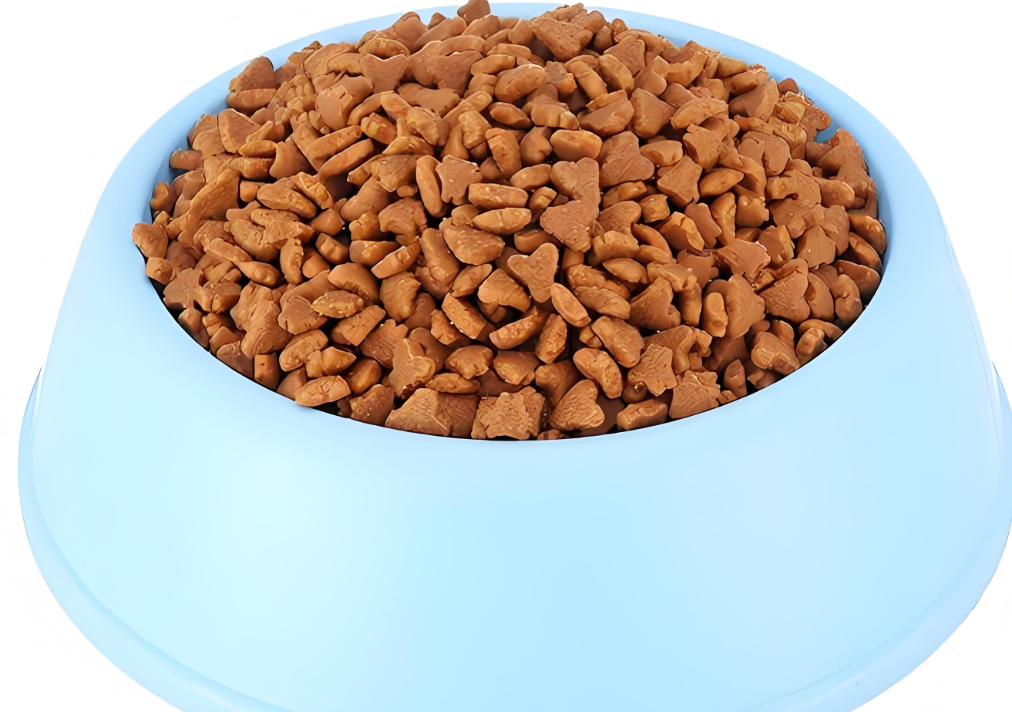
This rendered fat and protein powder is then sold to pet food manufacturers as a cheap, shelf-stable base. When a label says “chicken,” it may contain fresh chicken, but by weight, the dominant protein is often the far more concentrated, mysterious “meal.”
Part 2: The Kibble Machine: Extreme Processing and Synthetic “Nutrition”
The manufacturing process for dry kibble is inherently destructive to natural nutrients.
- Mixing and Dough: The “meal” is combined with a cheap carbohydrate binder (like corn, wheat, or rice flour), vitamin/mineral pre-mixes, water, and rendered fat to create a dough.
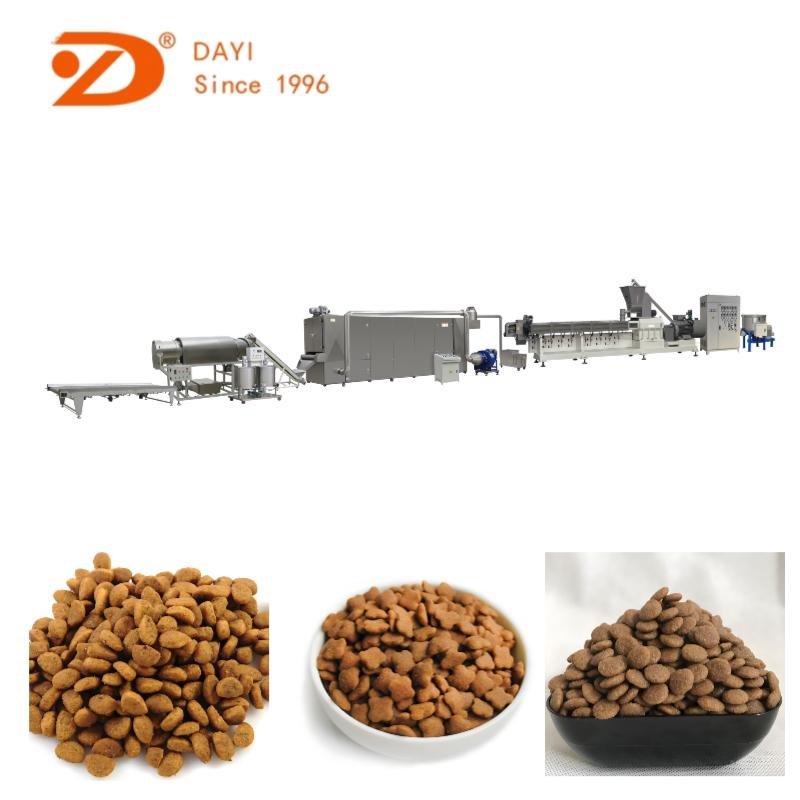
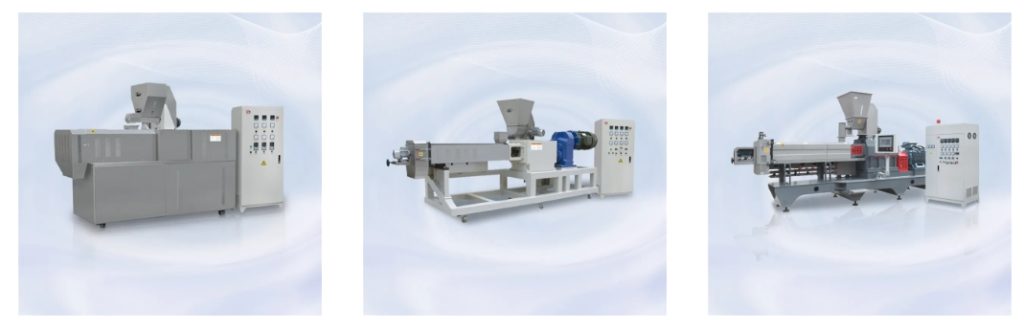
- High-Temperature Extrusion: This dough is forced through a machine called an extrudeuse under immense pressure and temperatures often exceeding 150°C (300°F). This flash-cooking process creates the kibble’s shape and puffs it up. The heat destroys harmful bacteria but also denatures proteins, degrades natural vitamins, and kills any beneficial enzymes.
- Coating (The “Flavor” Fix): After extrusion, the kibble is essentially tasteless and nutrient-poor. To make it palatable, it is sprayed with a coating of digest or “animal fat.” Digest is a slurry produced by chemically or enzymatically breaking down animal tissues (often more by-products) into a strong-smelling, flavor-intense paste. This is what dogs smell and crave—it’s a potent, processed flavoring agent, not a wholesome gravy.
- The Vitamin Dilemma: Because the processing annihilates natural nutrients, synthetic vitamins and minerals are sprayed onto the kibble post-cooking to meet AAFCO (Association of American Feed Control Officials) nutrient profiles. This is why the food is “complete and balanced”—not through whole-food nutrition, but through fortification, a practice far removed from a biologically appropriate diet.
Part 3: The Label Deception
Pet food labels are masterclasses in obfuscation:
- “With Real Chicken”: May contain as little as 3% chicken.
- “Chicken Dinner” or “Chicken Formula”: Must contain only 25% of that named ingredient.
- “Natural” or “Holistic”: Marketing terms with no legal definition in pet food.
- “No Artificial Preservatives”: Often preserved with ethoxyquin (a controversial chemical preservative also used as a rubber stabilizer), BHA, or BHT—preservatives linked to health concerns but allowed at “safe” levels.
The modern kibble industry was built on a brilliant premise: creating a profitable market for human food industry waste by transforming it into a convenient, shelf-stable product. It has kept millions of dogs fed, but at what long-term cost? dog food making machine The rise in canine allergies, obesity, dental disease, and certain cancers has many questioning the wisdom of a lifelong, ultra-processed diet.
As consumers, we must look past the pastoral imagery. We must understand that kibble is an industrial food product, engineered for consistency and profit, not necessarily for optimal species-specific health. True change demands transparency, stricter regulations, and a shift towards less processed, whole-food-based diets. Our dogs’ ancestors didn’t eat extruded pellets coated in digest. They ate meat, bone, and offal. Perhaps it’s time we honored that biology a little more closely.

The next time you pick up a bag, don’t just read the marketing on the front. Decipher the ingredient list on the back. Ask: What is the primary protein? Where does it come from? How was it processed? The answers may lead you to make a very different choice.
 French
  English
  Russian
  Spanish
  Italian
  Arabic
  Portuguese
  German
  Japanese
  Moroccan Arabic
  Persian
  Belarusian