
Fortified rice, often produced via extrusion technology, represents a monumental step forward in public health, acting as a vehicle to deliver essential vitamins and minerals to millions. However, creating the kernel is only half the battle. The drying process is arguably the most critical—and most delicate—stage in its production. Done correctly, drying locks in nutrients and ensures a shelf-stable product that mimics the texture of natural rice. Done incorrectly, it can lead to nutrient degradation, cracked kernels, and a product that fails in the hands of the consumer.
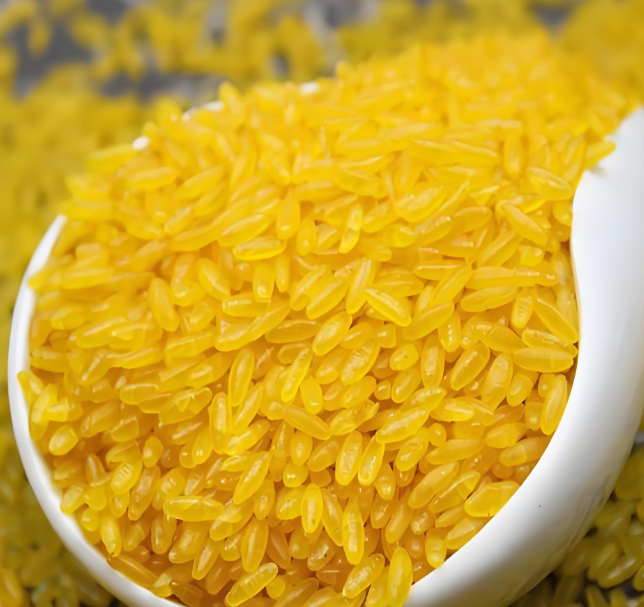
Mastering the drying of fortified rice requires a deep understanding of material science, thermodynamics, and patience. Here is a guide to achieving a perfectly dried, high-quality fortified rice kernel.
1. Understanding the Unique Matrix
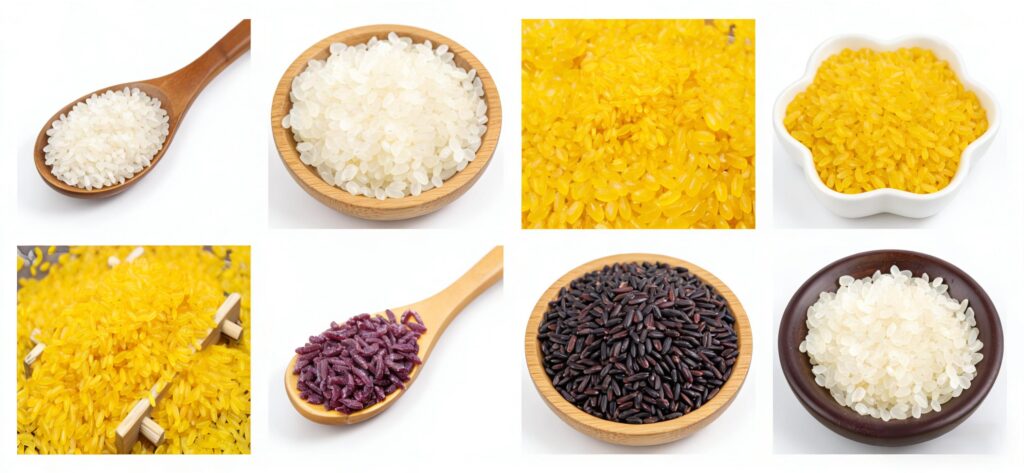
Before adjusting a single dial on the dryer, one must understand what they are drying. Unlike natural milled rice, fortified rice kernels (often called “artificial” or “extruded” rice) are a reconstituted matrix. They are typically made from rice flour, a binding agent, and a premix of vitamins and minerals (like iron, folic acid, and zinc).
This matrix has different physical properties than a natural grain. It is often more porous and lacks the protective bran layer. Because of this structure, fortified kernels are more susceptible to:
- Moisture Shock: Rapid changes in humidity can cause the surface to dry faster than the core, leading to “case hardening.”
- Thermal Degradation: Vitamins, particularly heat-sensitive ones like Vitamin A and certain B vitamins, can degrade if exposed to high temperatures for too long.
The goal of drying is to remove the moisture (typically from 28-32% down to 10-12%) without damaging this delicate matrix or deactivating the nutrients.
2. The Critical Phase: Initial Surface Drying (Setting the Skin)
As the kernels emerge from the extruder and cutter, they are hot, soft, and have a high moisture content. The first moments after extrusion are the most vulnerable.
If wet, sticky kernels are piled together or subjected to high-velocity hot air immediately, they will clump, deform, or suffer from “checking” (internal cracks). The initial phase should focus on surface drying to set the “skin” of the kernel.
- Low Initial Air Velocity: Use gentle airflow to remove surface moisture without physically bouncing the kernels against each other too harshly.
- Ambient or Low-Temp Air: Start with ambient or slightly warm air (30-40°C / 86-104°F). The goal here is not to cook the product further, but simply to stop it from being sticky. This allows the kernel to gain enough structural integrity to withstand the more aggressive drying to come.
3. Mastering the Drying Curve: The Tempering Method
The biggest mistake in drying fortified rice is trying to remove all the moisture in a single, continuous pass through a hot dryer. This “straight-line” drying creates a steep moisture gradient, where the outside becomes brittle while the inside remains wet. The result is stress cracks, known as “fissuring.”
The industry standard for high-quality fortified rice is the tempering method, which involves two stages: drying and resting.
- The Drying Pass: The kernels pass through a dryer (typically a belt or fluidized bed dryer) where they are subjected to controlled heat (40-60°C / 104-140°F). This removes the “free water” from the surface and outer layers. However, this phase is stopped before the core is fully dry—usually when the moisture content reaches around 16-18%.
- The Tempering (Resting) Phase: The warm kernels are transferred to a holding bin or silo for 30 to 90 minutes. During this time, no heat is applied. The residual heat inside the kernel causes the moisture from the center to slowly migrate outward, equalizing the moisture gradient throughout the entire piece.
- Final Drying: After tempering, the kernels are given a second, lighter drying pass to bring the final moisture down to the target 10-12%.
This cycle allows the kernel to relax, preventing internal stresses and ensuring a uniform final moisture profile.
4. Temperature Control: Protecting Nutrients
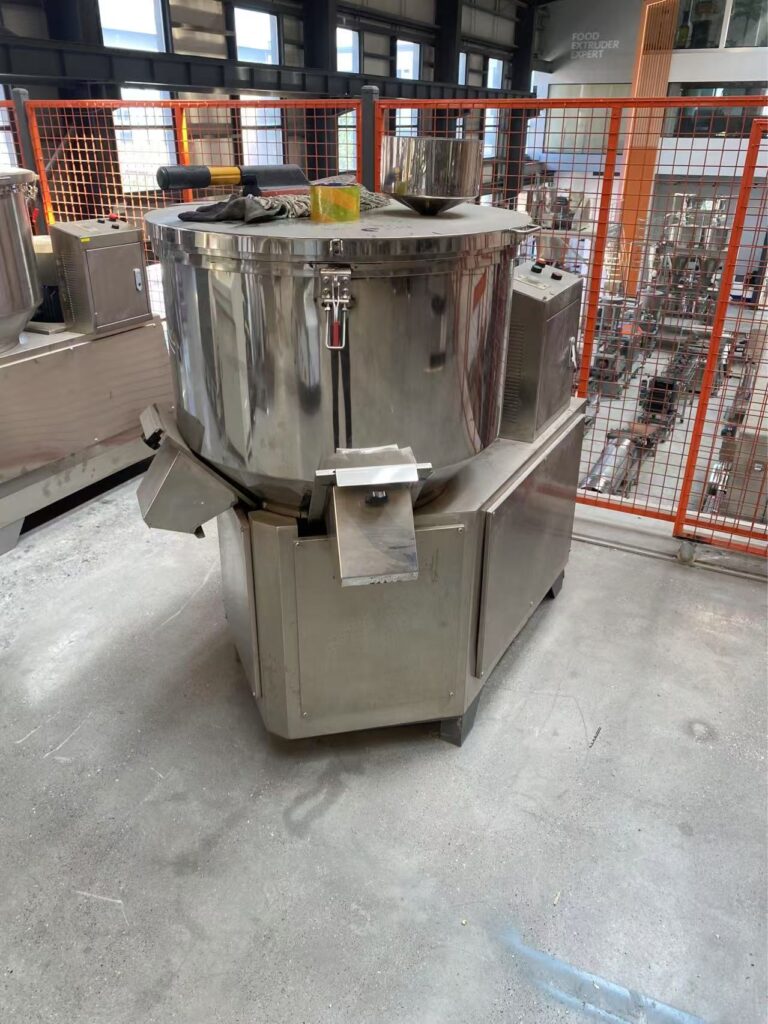
The drying temperature is a balancing act between efficiency and nutrient retention. While high heat speeds up drying, it can be detrimental to the nutritional value of the final product.
- Heat-Sensitive Vitamins: Vitamin A (retinol) and Vitamin C are particularly susceptible to oxidation and degradation at high temperatures. If your fortificant blend includes these, drying temperatures should ideally stay below 50°C (122°F).
- Minerals: Iron and zinc are generally heat-stable, but they can affect the starch structure. High heat combined with iron can sometimes accelerate oxidation (rancidity) if lipids are present.
- Starch Retrogradation: Rapid cooling after high heat can cause the starch to retrograde (recrystallize) poorly, leading to a hard, uncooked texture when the consumer eventually boils the rice.
A controlled, lower-temperature profile ensures that while the water leaves the kernel, the vitamins stay active and the starch remains ready to gelatinize during the final cooking process.
5. Airflow and Bed Depth: Physics Over Force
The mechanics of the dryer itself—specifically airflow and product depth—play a massive role in consistency.
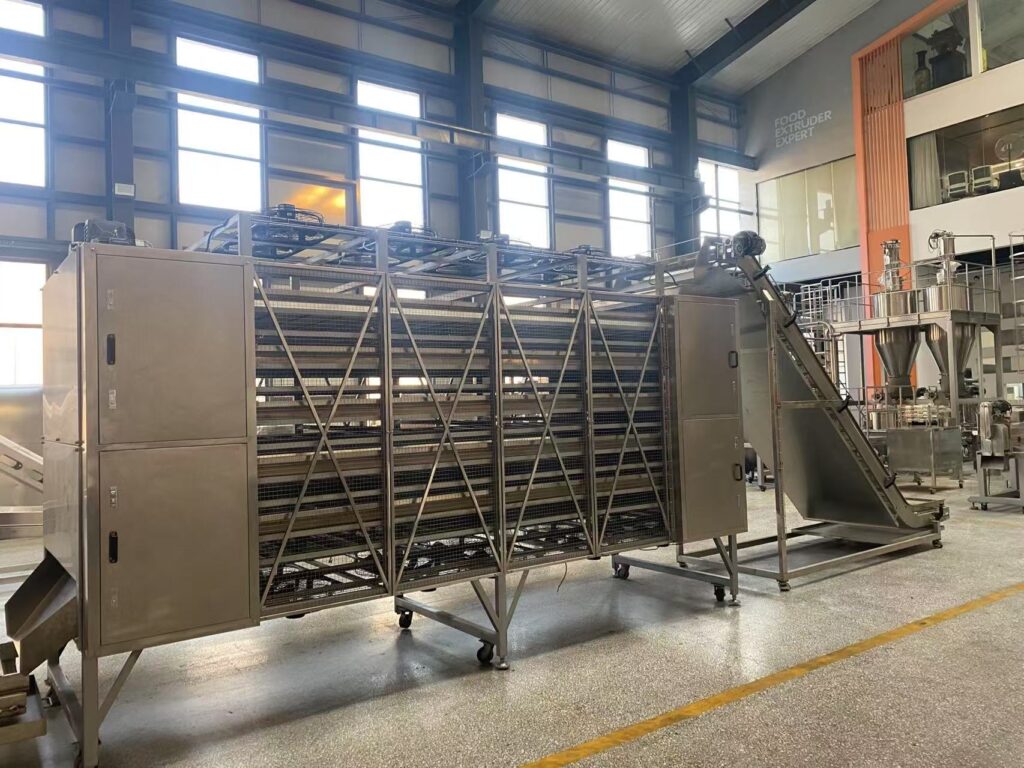
- Fluidized Bed Dryers (FBD): These are popular for fortified rice because they suspend the kernels in a column of air. This offers excellent heat transfer and prevents clumping. However, the airflow must be regulated. Too much force will blow light, freshly extruded kernels out of the machine prematurely; too little will cause uneven drying.
- Belt Dryers: These offer gentler handling. The key here is bed depth. A deep bed (e.g., 10-15 cm) insulates the kernels at the bottom, leading to uneven drying. For fortified rice, a shallow, uniform bed depth is essential to ensure every kernel is exposed to the same airflow and temperature.
6. Final Moisture Uniformity and Stabilization
The final step isn’t just hitting a target moisture number; it’s ensuring that every kernel in the batch is consistent. Inconsistent moisture leads to inconsistent cooking times for the end user.
- Cooling: After the final drying stage, the rice must be cooled to ambient temperature (around 25-30°C / 77-86°F) before packaging. If the kernels are packaged warm, residual heat can cause “sweating” inside the bag, leading to condensation and mold growth.
- Moisture Uniformity: A standard deviation of ±0.5% moisture across the batch is the gold standard. This requires regular sampling and testing (using moisture analyzers) throughout the run to adjust dryer parameters in real-time.
Conclusion
Drying fortified rice is a science of patience and precision. It is a process where speed is the enemy of quality. By respecting the unique structure of the extruded kernel, implementing a two-stage drying cycle with tempering, controlling temperatures to preserve nutrients, and ensuring gentle, uniform airflow, producers can create a product that is not only nutritionally superior but also visually perfect and texturally indistinguishable from traditional rice.
A well-dried kernel is the final assurance that the months of formulation and the public health mission behind fortified rice will survive the journey from the factory to the family dinner table. If you are interested in the fortified rice making machine , you can contact me , i will give you good advice and solutions .
1.Will you help us with the installation ?
Yes , We will send engineers to install and debug the equipment, and assist in training your staff.
2.Are you a factory or trading company?
We are a factory.
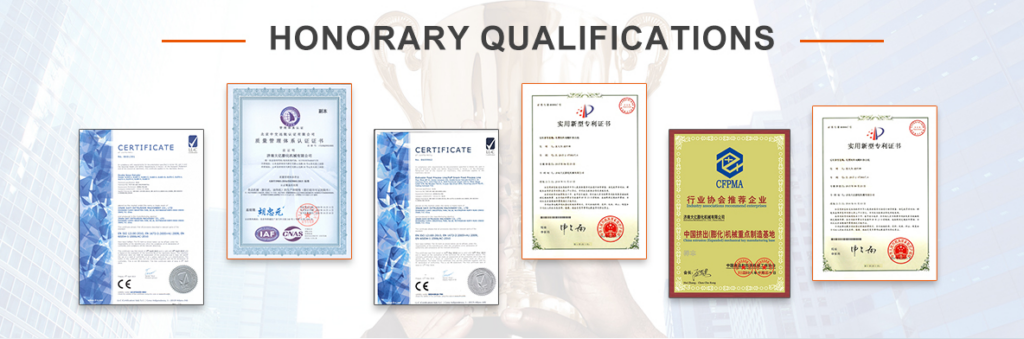
3.What certificate do you have?
We have ISO and CE certificate.
4.How long is the warranty period?
All of our machines have one year warranty.
5.What’s the main market of your company?
Our customers all over the world.
6.How much production capacity of your company one year?
This depends on your needs.
 French
  English
  Russian
  Spanish
  Italian
  Arabic
  Portuguese
  German
  Japanese
  Moroccan Arabic
  Persian
  Belarusian