Soybeans are a nutritional powerhouse and a cornerstone of the plant-based protein industry. Two of its most significant derivatives—soy protein isolate (SPI) and textured vegetable protein (TVP)—play crucial but distinctly different roles in food products. While both originate from the same bean, their production processes, properties, and primary applications set them apart.
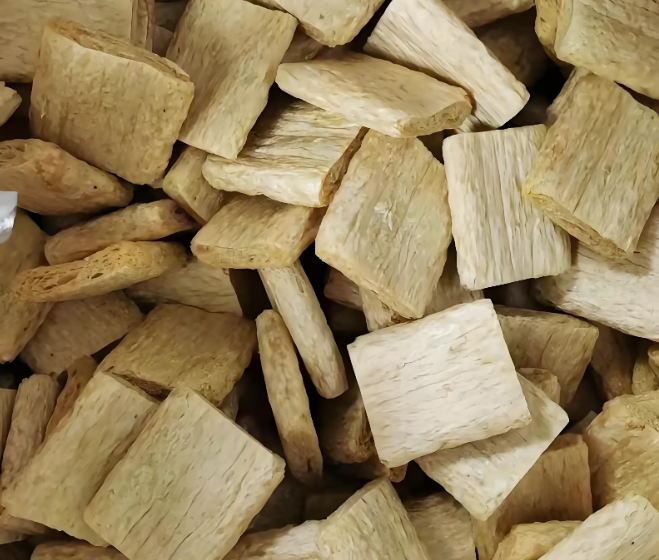
1. Production and Composition
Soy Protein Isolate (SPI) is the most refined form of soy protein. It is produced by removing the fats and carbohydrates from defatted soybean flakes, resulting in a product that is typically over 90% protein by weight. This process involves aqueous extraction and precipitation, yielding a fine, neutral-colored powder that is nearly tasteless and odorless. SPI is prized for its high protein content and excellent amino acid profile.
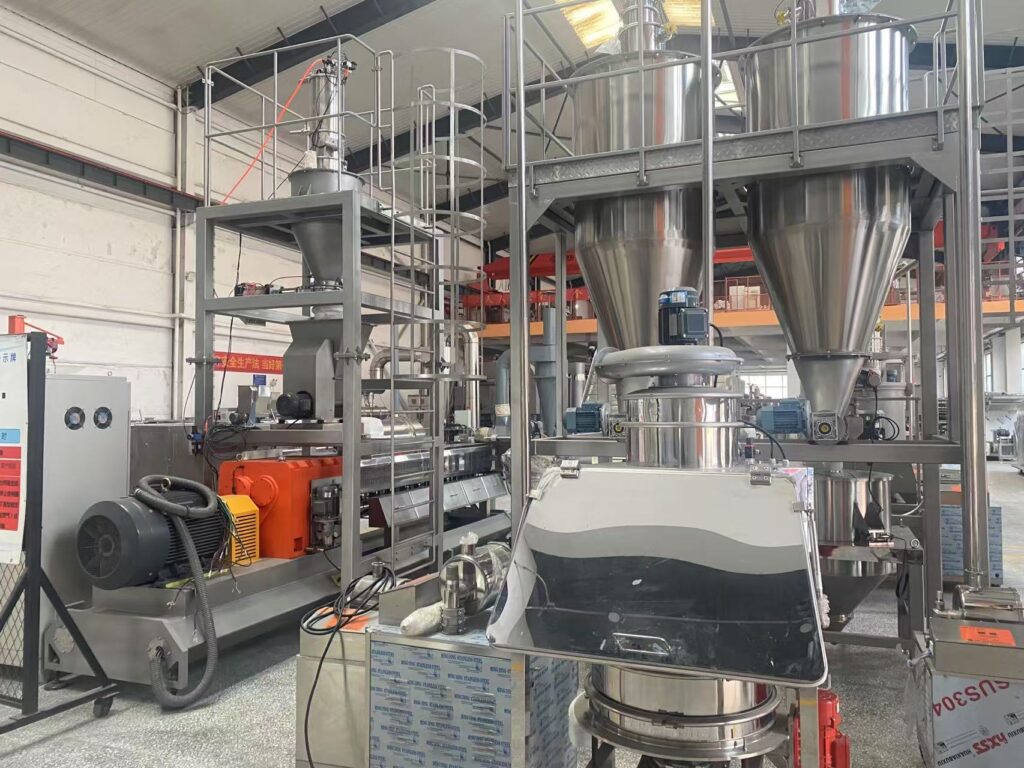
Textured Vegetable Protein (TVP), on the other hand, is primarily made from soy protein concentrate (about 70% protein) or sometimes from SPI. The key manufacturing step is extrusion cooking. The soy concentrate or isolate mixture is forced through an extruder under high heat and pressure. This process texturizes the protein, creating a fibrous, spongy, and porous structure. TVP is commonly sold as dry chunks, granules, or flakes.
2. Functional Properties
The functional differences between these ingredients are vast, dictating their use in food science.
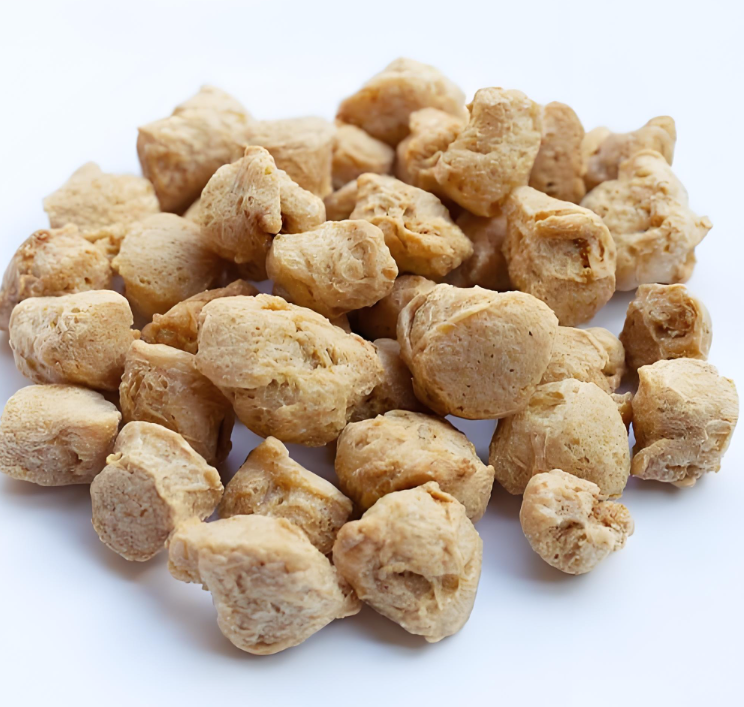
- SPI is a functional powerhouse. It is renowned for its:
- Solubility: Can be dispersed in water.
- Gelation: Forms heat-induced gels, crucial for binding water and fat in products like sausages and deli slices.
- Emulsification: Helps blend oil and water, improving stability in items like soups, dressings, and infant formula.
- Water & Fat Binding: Enhances moisture retention and juiciness in various applications.
- Foaming: Can create stable foams in some desserts and toppings.
- TVP‘s primary function is texture and bulk. When rehydrated with water or broth, its porous structure absorbs liquid and develops a chewy, meat-like mouthfeel remarkably similar to ground meat. It provides little inherent flavor of its own, readily taking on the taste of seasonings and sauces it’s cooked with.
3. Primary Applications in Food
These differing properties lead to distinct uses:
- SPI is an invisible ingredient often used as a functional additive. You’ll find it in:
- Protein shakes, bars, and nutritional supplements.
- Meat and dairy alternatives (e.g., providing structure to premium plant-based burgers or yogurt).
- Processed meats (as a binder and extender).
- Bakery items, infant formula, and sports nutrition products.
- TVP is a visible, structural ingredient used to mimic meat. Its classic applications include:
- Vegetarian chili, Bolognese sauce, sloppy joes, and tacos (as a ground meat replacer).
- As chunks in stews, curries, or pot pies.
- An economical protein extender blended with actual meat.
4. Nutritional Profile
Both are excellent sources of complete protein. However:
- SPI, being more purified, is almost pure protein with minimal carbs and fat. It may have slightly lower levels of dietary fiber and certain phytonutrients removed during processing.
- TVP (made from concentrate) retains more of the soybean’s natural dietary fiber and often has a higher iron and calcium content. Its specific nutritional profile can vary based on whether it’s made from concentrate or isolate.
Conclusion: Complementary Strengths
In summary, Soy Protein Isolate is the refined, versatile protein workhorse used for its nutritional and functional chemistry to enhance a wide array of foods. Protéines végétales texturées is the texture specialist, providing the satisfying, meat-like chew and bulk essential for hearty plant-based dishes.
They are not merely substitutes for each other but complementary tools. A high-quality plant-based burger, for instance, might cleverly combine SPI for protein content, binding, and juiciness with TVP or other textured elements to deliver the characteristic bite. Understanding their differences allows food manufacturers and home cooks alike to harness the full potential of the versatile soybean.
 French
  English
  Russian
  Spanish
  Italian
  Arabic
  Portuguese
  German
  Japanese
  Moroccan Arabic
  Persian
  Belarusian