
1. Introduction
“Nutritional powder” is a broad category that includes protein powders, meal-replacement powders, infant and elderly nutrition mixes, sports nutrition, and functional blends fortified with vitamins and minerals. Although recipes vary, successful production relies on a common set of processing principles: ingredient quality control, hygienic handling, accurate dosing, effective blending, particle engineering, and packaging that protects stability. This article outlines a typical industrial process for nutritional powder manufacturing and the key control points that determine safety, consistency, and shelf life.
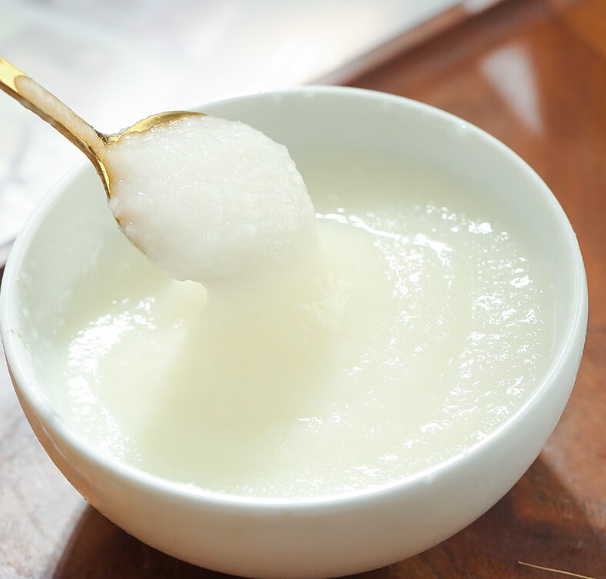
2. Ingredient Selection and Incoming Quality Control
Nutritional powders often combine macronutrients (proteins and carbohydrates) with sensitive micronutrients (vitamins, minerals) and functional additives.
Common ingredients
- Proteins: whey, casein, soy, pea, rice protein
- Carbohydrates: maltodextrin, oats flour, lactose (market-dependent)
- Fats: MCT powder, encapsulated oils
- Fibers: inulin, resistant dextrin
- Micronutrients: vitamin premixes, mineral salts
- Functional ingredients: probiotics, enzymes, plant extracts (optional)
Incoming checks typically include
- Identity confirmation and COA review
- Moisture, microbiology, and allergen status
- Heavy metals and contaminants (risk-based)
- Particle size and flow properties (important for mixing uniformity)
Strong raw material control prevents segregation problems and reduces rework.
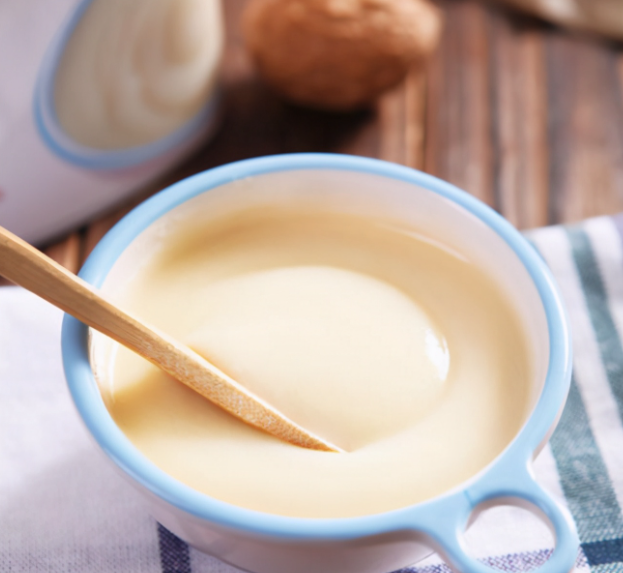
3. Pre-Processing: Sieving, De-Lumping, and Standardization
Powders frequently arrive with agglomerates or inconsistent particle sizes. Before blending, plants often use:
- Sieving to remove foreign particles and oversize lumps
- De-lumping mills (low-impact) to break agglomerates
- Magnetic separation and metal detection to control physical hazards
This step improves flowability and enables more uniform mixing.
4. Premix Preparation: The Key to Accurate Fortification
Vitamins and minerals are usually added at low dosages, so they are commonly introduced as premixes.
Why premixing matters
- Prevents “hot spots” of micronutrients
- Improves batch-to-batch nutrient accuracy
- Reduces the risk of segregation during transport
A typical approach is to blend micronutrients with a carrier (e.g., maltodextrin) to create a premix that disperses evenly in the main batch.
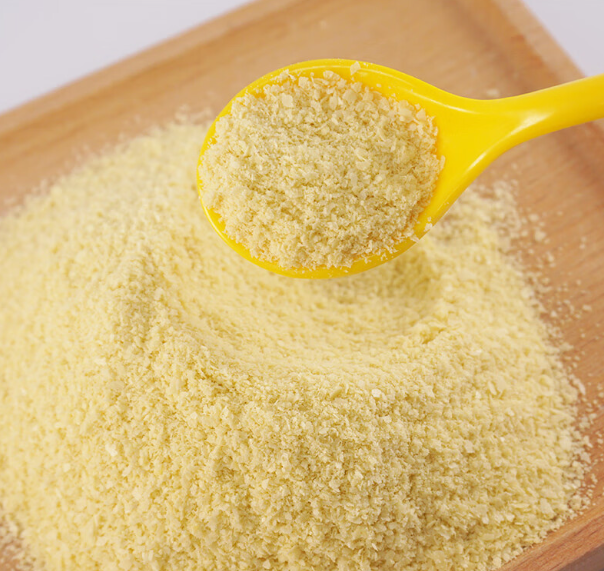
5. Main Blending and Mixing Technology
Mixing is the core operation in nutritional powder production.
Common mixing equipment
- Ribbon blender (widely used, cost-effective)
- Paddle blender (gentler on fragile agglomerates)
- V-blender or double-cone blender (often for free-flowing powders)
- High-shear mixer (when rapid dispersion or granulation is needed)
Critical control points
- Mixing time and fill level
- Powder density differences (segregation risk)
- Order of addition (macro base → premixes → sensitive ingredients)
- Temperature and humidity (affect caking and vitamin stability)
Finished blend uniformity is often verified by sampling plans and statistical tests.
6. Agglomeration and Instantization (Optional but Common)
Many consumer products require easy mixing in water or milk. Fine powders can float, dust, and form lumps. To improve performance, manufacturers may apply:
A. Agglomeration
Agglomeration binds fine particles into porous granules.
- Improves wettability and dispersibility
- Reduces dust and improves scoopability
Methods include fluid-bed agglomeration or wet granulation followed by drying.
B. Instantization (for protein powders, etc.)
Instantization may include:
- Controlled agglomeration + drying
- Sometimes surface treatment with lecithin (depending on product positioning and regulations)
The goal is a powder that sinks quickly, wets evenly, and disperses without clumping.
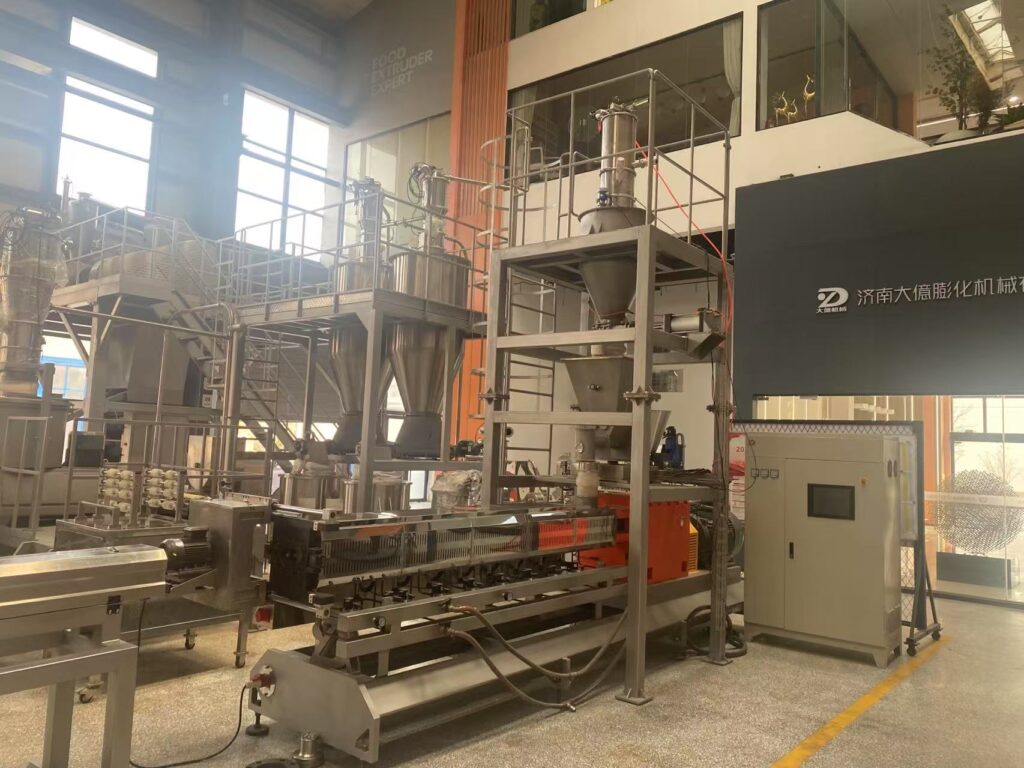
7. Heat Treatment and Microbial Control (Process-Dependent)
Not all nutritional powders undergo thermal processing, but when required (for safety or functional reasons), options include:
- Heat-treated ingredients (e.g., pasteurized dairy proteins)
- In-line heat steps for certain slurry-based systems before drying
- Strict hygienic dry-processing controls when no kill step exists
For dry products, preventing post-process contamination is often as important as reducing initial microbial load.
8. Addition of Heat- and Oxygen-Sensitive Ingredients
Some ingredients degrade with heat, moisture, or oxygen, such as:
- Certain vitamins (A, C, some B vitamins)
- Probiotics
- Omega-3 oils (even encapsulated forms)
- Enzymes
These are typically added late in the process, under controlled conditions, and paired with protective packaging to maintain potency.
9. Packaging and Shelf-Life Protection
Packaging determines whether a powder stays free-flowing and stable.
Common packaging formats
- Composite cans with induction seals
- High-barrier pouches
- Sachets/stick packs for single servings
Protection strategies
- Moisture barrier to prevent caking
- Oxygen barrier to reduce fat oxidation and vitamin loss
- Nitrogen flushing for oxidation-sensitive products
- Desiccants (sometimes used for premium products)
10. Quality Assurance: Tests That Define Product Performance
Typical finished-product checks include:
- Moisture and water activity (caking risk indicator)
- Microbiology (pathogen and hygiene indicators)
- Nutrient assay (protein, key vitamins/minerals)
- Particle size distribution and bulk density
- Flowability, dusting, and reconstitution behavior
- Sensory evaluation (taste, aroma, color)
- Net weight, seal integrity, and label compliance
A well-designed QA program focuses on both safety and consumer experience (how easily it dissolves, how it tastes).
Nutritional powder processing is a balance of precision and protection: precise dosing and blending to meet label claims, and protective handling and packaging to preserve stability through shelf life. A robust process typically includes incoming material control, sieving and de-lumping, premix management, validated mixing, optional agglomeration for instant performance, and high-barrier packaging supported by strict hygiene and quality testing. With these fundamentals, manufacturers can produce nutritional powders that are consistent, safe, and convenient for daily use.
 French
  English
  Russian
  Spanish
  Italian
  Arabic
  Portuguese
  German
  Japanese
  Moroccan Arabic
  Persian
  Belarusian