
A twin-screw extruder is a significant capital investment in any food, feed, or plastics processing facility. When properly cared for, these machines can operate reliably for 15 to 20 years or more. However, due to the extreme conditions they endure—high torque, elevated temperatures, and abrasive raw materials—their lifespan can be drastically shortened without a strategic approach to operation and maintenance. Extending the life of your twin-screw extruder is not merely about preventing breakdowns; it is about optimizing every aspect of its use to delay wear and maintain precision.
Here are the key strategies to maximize the operational lifespan of your twin-screw extruder.
1. Master the Art of Controlled Start-Up and Shut-Down
The most damaging moments for a twin-screw extruder are not during steady-state production, but during the transitions of start-up and shut-down. Thermal shock and improper purging are leading causes of premature failure.
A. Graduated Thermal Soaking
Never heat a cold extruder at full power. The barrel and screws are made of different metals with varying coefficients of thermal expansion. Heating too quickly causes uneven expansion, leading to:
- Screw-to-barrel contact (hard rubbing)
- Seizure of the screw assembly
- Stress fractures in the barrel
Best Practice: Increase the barrel temperature in stages, allowing the machine to “soak” for 15–20 minutes at each 50°C (90°F) increment. Ensure the cooling water valves are partially closed during warm-up to allow the barrel to expand uniformly.
B. The Purging Protocol
Improper shut-down is the number one cause of seized screws. When production stops, residual material left in the barrel hardens into a “concrete-like” plug.
- Never leave material in the barrel to cool. Always purge the machine with a non-abrasive, low-viscosity material (such as degassed cornmeal or a commercial purging compound) before shutting off the heat.
- Purge until the barrel is clean. For twin-screw extruders, the final purge should be with a material that remains soft at lower temperatures to cushion the screws during cooling.
2. Optimize the Screw Configuration and Torque Management
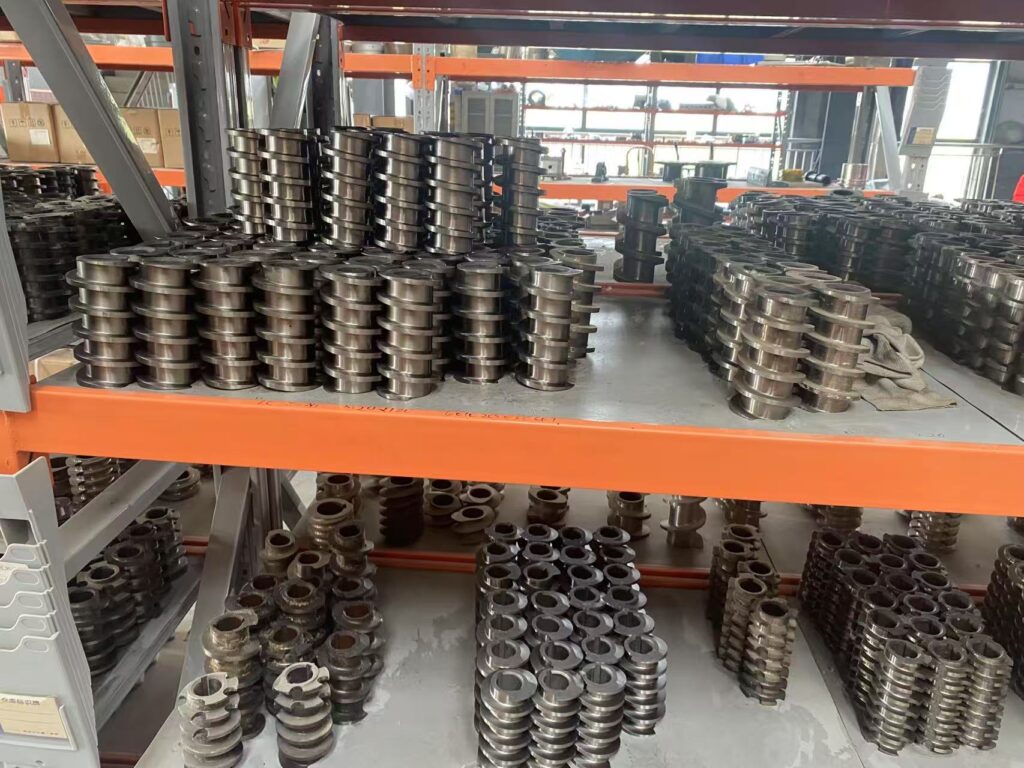
The screw elements (kneading blocks, conveying elements, and reverse elements) are the heart of the extruder. How you configure them directly dictates the mechanical stress on the gearbox and the wear on the components.
A. Avoid Metallurgical Incompatibility
If your screw elements are made of tool steel (e.g., 38CrMoAl) and your barrel liner is made of a harder material (e.g., bimetallic lining), ensure the clearance remains within spec (typically 0.2mm to 0.5mm). If the clearance increases, the screws will flex under load. If the clearance decreases (due to swelling or thermal expansion), you will experience “metal-to-metal” contact, which rapidly destroys both the screws and the barrel.
B. Respect the Torque Limit
Modern twin-screw extruders are rated for a specific specific torque (Nm/cm³). The most common cause of gearbox failure is sustained operation at or above 90% of the maximum torque limit.
- Monitor motor amperage. If the amperage is consistently high, reduce the feed rate or adjust the moisture content.
- Avoid “hard jams.” If the extruder jams due to a blockage in the die or a hard foreign object, do not reverse the screws. In a co-rotating twin-screw system, reversing a jammed machine can cause the screw elements to collide, shattering the shafts or the gearbox. Always clear jams manually after the machine has cooled.
3. Implement a Rigorous Wear Parts Management Strategy
In a twin-screw extruder, the screw elements and barrel liners are considered consumables. Waiting until a catastrophic failure occurs (e.g., a broken screw shaft) is the most expensive way to manage wear.
A. Proactive Wear Monitoring
Do not rely solely on visual inspection. Use quantitative data:
- Production Output: If the throughput drops by 10–15% while the feed rate remains constant, the screw flights are worn, and material is slipping backward.
- Energy Consumption: If the Specific Mechanical Energy (SME) increases significantly to maintain the same product temperature, the internal clearance has increased, requiring more energy to shear the material.
- Scheduled Measurement: Annually, remove the screw shafts and measure the outer diameter of the flight tips. Replace screw elements when the diameter has worn down by 0.8mm to 1.0mm from the original specification.
B. Strategic Replacement
- Hardfacing: When replacing screws, invest in hardfaced (carbide-tipped) flight edges if processing abrasive ingredients (whole corn, rice, or mineral-filled compounds). This can triple the lifespan of the screws compared to nitrided steel.
- Segment Rotation: If using segmented screw shafts, periodically rotate the position of the elements. The elements in the melting and kneading zones wear faster than those in the conveying zones. Rotating them evens out wear across the set.
4. Maintain the Gearbox with Precision
The gearbox is the most expensive single component of the extruder. It is also the most neglected, as failures here often result in a 6–8 week machine teardown.
- Oil Quality is Everything: Use only the manufacturer-specified synthetic gear oil. Standard hydraulic oil is not sufficient for the high torque and shear forces inside an extruder gearbox.
- Oil Analysis: Do not just change the oil by hours; test it. Send an oil sample to a laboratory every 3–6 months. The lab report will show:
- Viscosity breakdown: Indicates overheating.
- Water contamination: The number one killer of gears, causing micropitting.
- Metal particle count: High iron or copper counts indicate imminent bearing or gear failure, allowing you to schedule a repair before a catastrophic breakdown.
- Cooling: Ensure the gearbox oil cooler (air or water) is clean. An overheated gearbox reduces oil film strength, leading to metal-on-metal contact.
5. Protect Against Foreign Contaminants
Twin-screw extruders have extremely tight clearances (often less than 0.3mm). Any foreign object larger than this clearance will cause immediate damage.
- Magnetic Separation: Install high-strength magnetic grates or tube magnets in the feed chute. Ferrous metal (bolts, washers, metal shavings from upstream milling) is the most common cause of stripped screw elements and damaged barrel liners.
- Screening: Ensure that raw materials are screened to remove stones, glass, or hard plastic contaminants. A single stone can crack a barrel liner, costing tens of thousands of dollars to replace.
- Feed System Integrity: Ensure that no loose bolts or tools fall into the hopper during maintenance. Implement a strict “tool accountability” protocol during repairs.
6. Optimize Process Conditions to Reduce Wear
Abrasive wear is a function of pressure, temperature, and the material itself. You can reduce the wear rate without changing the product recipe.
- Moisture Content: Dry materials are highly abrasive. Increasing the moisture content of the raw material (via preconditioning) by just 2–3% can reduce screw and barrel wear by up to 50%. The water acts as a lubricant between the material and the metal surfaces.
- Temperature Management: Avoid running the barrel at excessively high temperatures unnecessarily. Elevated temperatures soften the screws (reducing their hardness) and accelerate chemical corrosion if processing acidic ingredients (e.g., fruit-based snacks).
7. Create a Culture of Precision Maintenance
Finally, the human element is crucial. Extending the life of a twin-screw extruder requires a disciplined maintenance culture.
- Torque Wrenches: Always use torque wrenches when fastening the die plate and barrel bolts. Uneven torque causes barrel misalignment, which leads to uneven screw wear and premature seal failure.
- Cleanliness: Keep the area around the gearbox and electrical cabinet free of dust. Snack food dust is hygroscopic and can absorb moisture, creating corrosive acids when it settles on electrical connections or gearbox seals.
- Documentation: Maintain a detailed logbook recording:
- Operating hours
- Torque values
- Vibration readings
- Screw configuration changes
- Wear measurement data
This data allows you to predict failures and schedule replacements during planned downtime rather than reacting to emergency breakdowns.
Conclusion
Extending the lifespan of a twin-screw extruder is a holistic endeavor that combines intelligent operation, rigorous preventive maintenance, and strategic component management. By respecting the thermal dynamics of start-up, monitoring wear through quantitative data, protecting the gearbox with oil analysis, and shielding the screws from contaminants, you can ensure that your extruder remains a reliable asset for decades.
Remember: In twin-screw extrusion, the cost of preventive maintenance is always significantly lower than the cost of reactive maintenance—and the return on investment is measured in years of uninterrupted, high-quality production. If you are interested in the snack food extruder machine , you can contact me , i will give you good advice and solutions .
1.Will you help us with the installation ?
Yes , We will send engineers to install and debug the equipment, and assist in training your staff.
2.Are you a factory or trading company?
We are a factory.
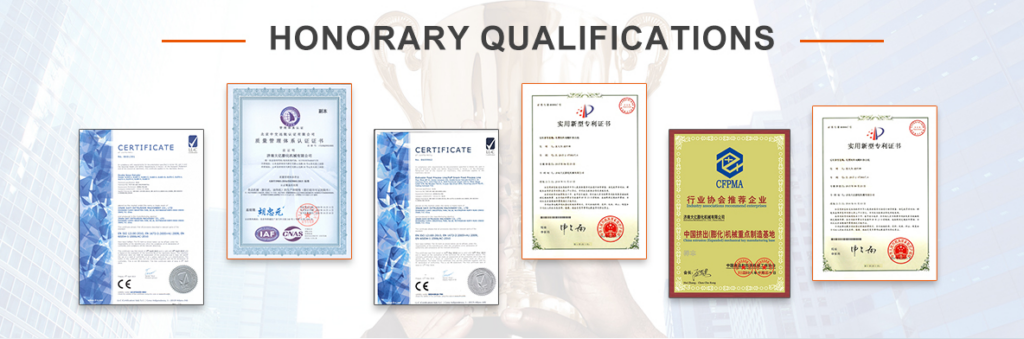
3.What certificate do you have?
We have ISO and CE certificate.
4.How long is the warranty period?
All of our machines have one year warranty.
5.What’s the main market of your company?
Our customers all over the world.
6.How much production capacity of your company one year?
This depends on your needs.
 French
  English
  Russian
  Spanish
  Italian
  Arabic
  Portuguese
  German
  Japanese
  Moroccan Arabic
  Persian
  Belarusian