
Infant rice cereal is one of the most common first solid foods introduced to babies around the world. It is valued for its mild flavor, easy digestibility, low allergenic potential, and iron-fortified nutritional profile. But behind this simple-looking powder lies a sophisticated manufacturing process designed to ensure safety, nutritional adequacy, and optimal texture for developing digestive systems. This article explores the step-by-step processing technology that transforms raw rice into the trusted infant cereal found on store shelves.
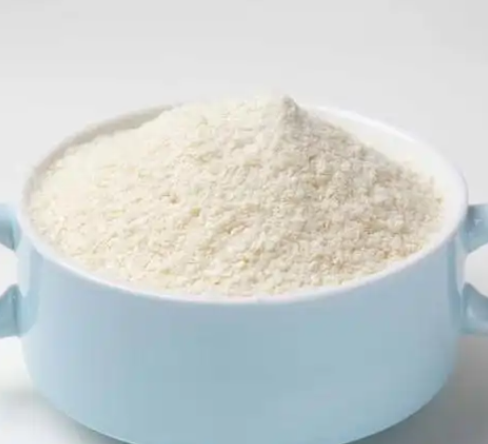
1. Why Rice? The Ideal First Food
Rice is the predominant grain used in infant cereals for several reasons:
| Reason | Explanation |
|---|---|
| Low allergenic potential | Rice is one of the least allergenic grains, making it suitable for infants with developing immune systems |
| Easy digestibility | Rice starch is easily broken down by infant digestive enzymes |
| Mild flavor | Neutral taste accepts well with breast milk, formula, or fruits |
| Smooth texture | Can be processed into a fine, smooth consistency appropriate for early feeding |
| Gluten-free | Naturally gluten-free, safe for infants with celiac predisposition |
Most infant rice cereals are iron-fortified, addressing a critical nutritional need: by 6 months of age, an infant’s iron stores from birth become depleted, making iron supplementation essential.
2. Raw Materials: More Than Just Rice
2.1 Rice Base
The rice used is typically:
- White rice (milled, polished) — most common due to mild flavor and smooth texture
- Brown rice — used in some “whole grain” varieties; retains bran layer for additional fiber and nutrients
- Organic rice — increasingly popular for premium product lines
Rice must meet strict specifications for:
- Pesticide residues — below established safety limits (especially critical given rice’s tendency to absorb arsenic from soil)
- Mycotoxins — free from mold toxins
- Foreign material — no stones, insects, or other contaminants
2.2 Fortification Ingredients
Infant cereals are nutritionally fortified to meet regulatory standards (such as FDA, Codex Alimentarius, or regional guidelines):
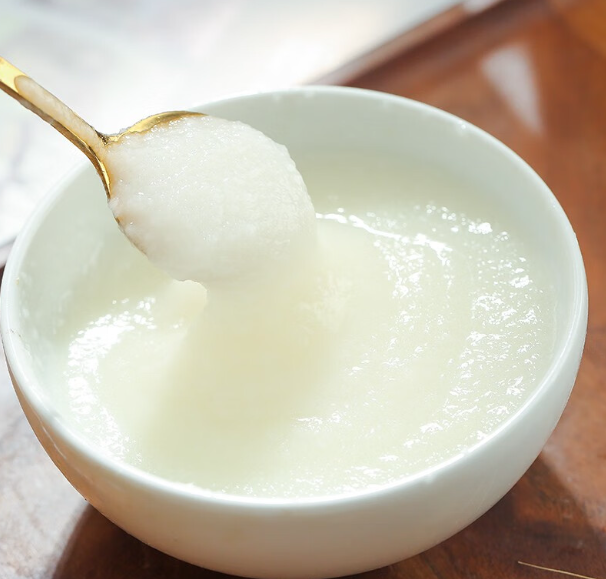
| Nutrient | Common Form | Purpose |
|---|---|---|
| Iron | Ferrous fumarate, ferrous sulfate, electrolytic iron | Prevents iron deficiency anemia |
| Zinc | Zinc oxide, zinc sulfate | Supports growth and immune function |
| Calcium | Calcium carbonate, tricalcium phosphate | Bone development |
| Vitamins | Vitamin A, B-complex, C, D, E, etc. | Overall growth and development |
| DHA/ARA (optional) | Algal oil, fungal oil | Brain and eye development |
2.3 Additional Ingredients
- Enzymes — α-amylase is sometimes added to partially hydrolyze starch, creating a smoother consistency and improving digestibility
- Probiotics (optional) — certain strains added after processing
- Flavorings — fruit powders or natural flavors for variety
3. The Manufacturing Process: Step-by-Step
Infant rice cereal is primarily produced using one of two methods: wet milling (drum drying) ou extrusion cooking. A third, less common method is dry blending of pre-cooked rice flour with fortificants.
Method 1: Wet Milling with Drum Drying (Traditional Method)
This method produces the classic fine, flaked texture associated with high-quality infant cereals.
Step 1: Rice Cleaning and Milling
Raw paddy rice (unhulled) is:
- Cleaned — stones, husks, and foreign matter removed
- Dehusked — hulls removed to produce brown rice
- Milled — bran layer removed to produce white rice
- Polished — surface polished for uniform appearance
Some manufacturers use pre-milled white rice directly.
Step 2: Washing and Soaking
The rice is thoroughly washed to remove surface starch, dust, and potential contaminants. It is then soaked in water for several hours to hydrate the grains, preparing them for wet milling.
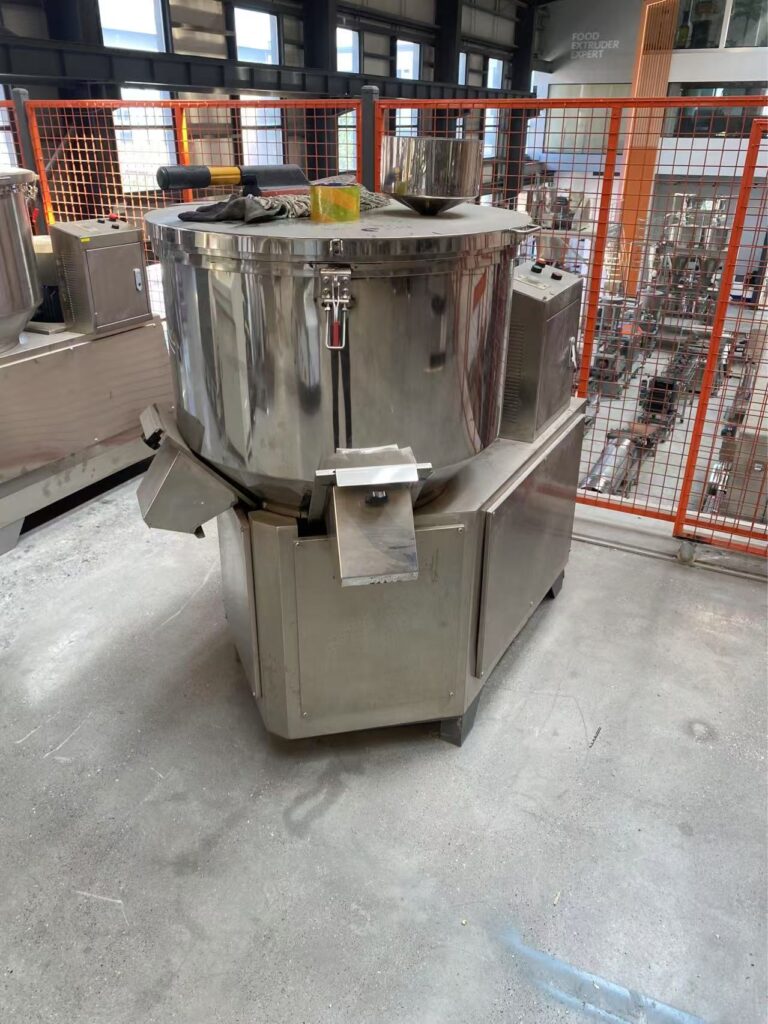
Step 3: Wet Grinding
The soaked rice is ground with water in a wet mill (such as a colloid mill or stone mill) to form a smooth slurry. The slurry consistency is carefully controlled:
- Solid content: Typically 20–30%
- Particle size: Reduced to <50 microns for a smooth mouthfeel
Step 4: Blending and Fortification
The rice slurry is transferred to blending tanks where:
- Water is added to achieve target solids
- Fortification premixes (vitamins, minerals) are added
- Enzymes (if used) are incorporated
- Optional ingredients (sugar, fruit powder) are blended
The slurry is thoroughly mixed to ensure uniform distribution of nutrients.
Step 5: Drum Drying (Roller Drying)
This is the defining step of the traditional process. The fortified slurry is applied as a thin film onto the surface of heated rotating drums.
| Parameter | Typical Range |
|---|---|
| Drum surface temperature | 120–160°C (248–320°F) |
| Drum speed | 2–10 rpm |
| Slurry film thickness | 0.2–0.5 mm |
| Drying time | 10–30 seconds |
The intense heat rapidly gelatinizes the starch and evaporates moisture, transforming the slurry into a thin, dried sheet that peels off the drum surface.
Starch gelatinization is critical: it breaks down raw starch granules, making the cereal easily digestible for an infant’s immature digestive system. Proper gelatinization also contributes to the cereal’s smooth reconstitution properties.
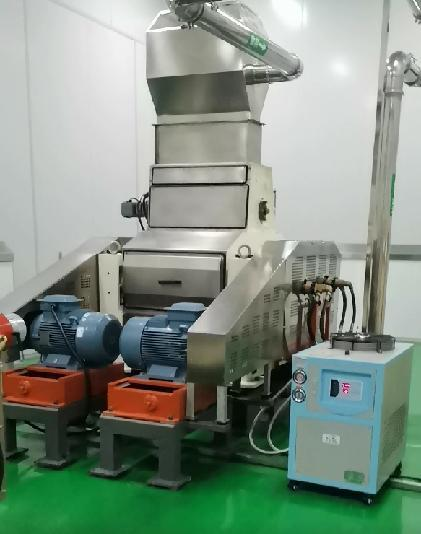
Step 6: Flaking and Milling
The dried sheets are:
- Flaked — broken into small, thin flakes (the familiar appearance of many infant cereals)
- Milled — further ground to achieve the desired particle size
- Sifted — passed through screens to ensure uniform consistency
The final product may range from fine powder (for younger infants) to slightly coarser flakes (for older babies learning to manage texture).
Step 7: Packaging
The finished cereal is packaged in:
- Paperboard boxes with inner liners
- Resealable pouches for convenience
- Single-serve sachets for portion control
Packaging is often flushed with nitrogen to displace oxygen, preventing oxidation of fats and preserving nutrient stability.
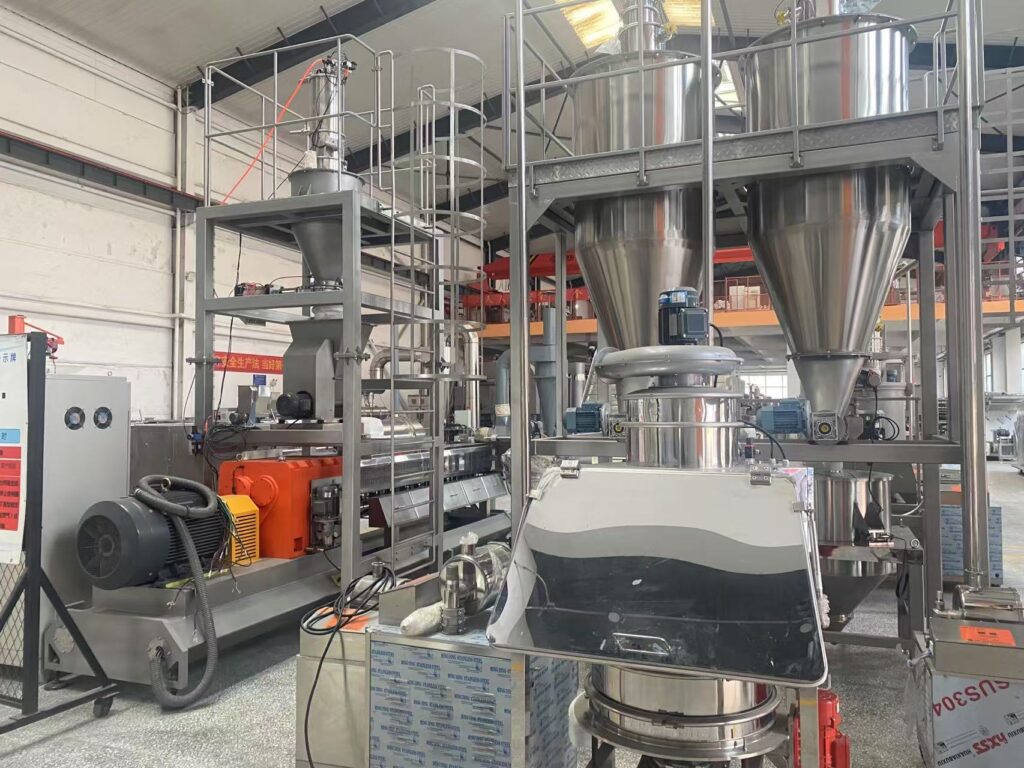
Method 2: Extrusion Cooking (Modern Method)
Extrusion has become increasingly common due to higher efficiency, lower energy consumption, and greater formulation flexibility.
Step 1: Dry Ingredient Preparation
- Rice flour (pre-ground) is mixed with fortification powders, sugar, and other dry ingredients
- The blend is thoroughly mixed in a ribbon or paddle mixer
Step 2: Pre-conditioning
The dry mix enters a steam conditioner where:
- Steam and water are added
- Moisture content rises to 20–30%
- Temperature reaches 70–90°C (158–194°F)
Pre-conditioning begins starch gelatinization and improves extrusion consistency.
Step 3: Extrusion
The conditioned material is fed into a twin-screw extruder (most common) or single-screw extruder.
Inside the extruder:
- Temperature: 100–140°C (212–284°F)
- Pressure: 30–60 bar
- Shear: High mechanical energy from screw rotation
The combination of heat, pressure, and shear fully gelatinizes the starch and cooks the cereal. The molten dough exits through a die plate, where sudden pressure drop causes expansion.
Step 4: Drying and Milling
Unlike the drum-dried method that produces flakes directly, extruded infant cereal typically:
- Exits as expanded ropes or pellets
- Is dried to reduce moisture to 5–8%
- Is milled into a fine powder or flake
Step 5: Post-Extrusion Fortification (Optional)
Heat-sensitive nutrients (certain vitamins, probiotics) that would be degraded during extrusion may be:
- Sprayed onto the milled cereal
- Dry-blended after processing
Step 6: Packaging
Same as drum-dried method.
Method 3: Dry Blending (Simplest, Least Common)
For some products, manufacturers simply:
- Purchase pre-cooked rice flour (produced by a third party)
- Dry blend with fortification powders, sugar, and other ingredients
- Package directly
This method is less common for mainstream infant cereals due to challenges in ensuring uniform nutrient distribution and consistent starch gelatinization. It is occasionally used for organic or specialty products.
4. Comparison of Processing Methods
| Aspect | Drum Drying | Extrusion | Dry Blending |
|---|---|---|---|
| Product texture | Flaked, smooth reconstitution | Fine powder or flake | Variable |
| Starch gelatinization | Complete | Complete | Depends on base flour |
| Nutrient retention | Good for most nutrients; some heat-sensitive losses | Some heat-sensitive nutrient losses | Excellent (if fortification added post-process) |
| Energy efficiency | Moderate | High (more efficient) | Very high |
| Production capacity | Moderate | High | High |
| Capital investment | Moderate | High | Low |
5. Critical Quality Parameters
Infant cereal manufacturing requires rigorous quality control throughout the process.
5.1 Physical Properties
| Parameter | Importance | Typical Target |
|---|---|---|
| Particle size | Affects reconstitution and texture | <250 microns for smooth; larger for textured |
| Moisture content | Shelf stability; prevents microbial growth | 5–8% |
| Water activity (Aw) | Predicts microbial stability | <0.3 |
| Reconstitution viscosity | Ensures appropriate consistency for feeding | Controlled by enzyme treatment and particle size |
| Sedimentation | Indicates uniformity when mixed with liquid | Minimal separation |
5.2 Chemical and Nutritional
| Parameter | Importance |
|---|---|
| Iron content | Must meet regulatory standards (typically 8–12 mg/100g) |
| Vitamin stability | Retained within labeled values through shelf life |
| Arsenic levels | Critical for rice-based products; must comply with limits (e.g., FDA guidance: <100 ppb inorganic arsenic) |
| Mycotoxins | Must be below detection/regulatory limits |
| Pesticide residues | Must meet infant food safety standards (often stricter than general foods) |
5.3 Microbiological Safety
| Parameter | Standard |
|---|---|
| Salmonella | Not detected |
| Cronobacter sakazakii | Not detected (especially critical for powdered infant foods) |
| Total plate count | Low limits |
| Bacillus cereus | Controlled (spore-forming organism) |
6. Special Considerations for Infant Food Processing
6.1 Arsenic in Rice
Rice naturally absorbs arsenic from soil and water more readily than other grains. For infant rice cereal, manufacturers:
- Source rice from regions with lower arsenic levels
- Test incoming rice batches for inorganic arsenic
- Follow FDA guidance (U.S.) or similar regulations globally limiting inorganic arsenic to ≤100 parts per billion
- Some manufacturers blend with other grains (oat, barley) to diversify and reduce exposure
6.2 Allergen Control
Infant cereal production lines must be carefully managed for allergens:
- Gluten — if producing both rice and wheat-based products, rigorous cleaning between runs
- Milk — some varieties contain milk powder; cross-contamination must be controlled
- Soy — another potential allergen in some formulations
Dedicated lines for hypoallergenic products are common.
6.3 Clean Label Trends
Consumer demand has driven changes in processing:
| Trend | Processing Response |
|---|---|
| No added sugar | Formulation without sugar; rely on natural sweetness from rice |
| Organic | Certified organic rice; no synthetic fortificants (must use approved forms) |
| Non-GMO | Sourcing non-genetically modified rice and ingredients |
| Minimal processing | Emphasis on simple ingredient lists; sometimes cold milling |
7. Flow Diagram: Drum Drying Process
Raw Rice
    ↓
Cleaning & Milling
    ↓
Washing & Soaking
    ↓
Wet Grinding → Water
    ↓
Fortification → Vitamins, Minerals
    ↓
Blending (Slurry)
    ↓
Drum Drying (120–160°C)
    ↓
Flaking
    ↓
Milling & Sifting
    ↓
Packaging
    ↓
Finished Product
8. Flow Diagram: Extrusion Process
Rice Flour → Other Dry Ingredients
         ↓
    Dry Blending
         ↓
    Pre-conditioning (Steam + Water)
         ↓
    Extrusion Cooking (100–140°C)
         ↓
    Drying
         ↓
    Milling & Sifting
         ↓
    Post-extrusion Fortification (optional)
         ↓
    Packaging
         ↓
    Finished Product
9. Regulatory Framework
Infant cereals are among the most heavily regulated food products:
| Region | Key Regulations |
|---|---|
| United States | FDA 21 CFR; Infant Formula Act (for some standards); arsenic guidance |
| European Union | Commission Directive 2006/125/EC (processed cereal-based foods for infants) |
| Codex Alimentarius | Standard for Canned Baby Foods (CODEX STAN 73-1981) |
These regulations govern:
- Permitted ingredients and additives
- Nutritional composition (minimums and maximums)
- Contaminant limits
- Labeling requirements
- Microbiological criteria
10. Future Trends in Infant Rice Cereal Processing
10.1 Hydrolyzed Rice Cereals
Enzymatic hydrolysis (using α-amylase) breaks down starch into smaller dextrins and sugars, resulting in:
- Smoother texture when reconstituted
- Naturally sweeter taste without added sugar
- Potentially improved digestibility
10.2 Combination Grains
Moving beyond single-grain rice to blends such as:
- Rice + oat
- Rice + quinoa
- Rice + millet
This diversifies nutrient profiles and addresses arsenic concerns.
10.3 Inclusion of Functional Ingredients
- Probiotics — added after processing to preserve viability
- Prebiotics (GOS, FOS) — support gut microbiome development
- Omega-3 DHA — increasingly common in premium products
10.4 Sustainable Packaging
- Recyclable materials replacing multi-layer laminates
- Reduced packaging weight
- Compostable pouches for certain product lines
Final Thoughts
Infant rice cereal processing is a carefully controlled technological endeavor that prioritizes safety, nutrition, and digestibility above all else. From the selection of low-arsenic rice to the precise control of starch gelatinization—whether through traditional drum drying or modern extrusion—every step is designed to produce a product suitable for an infant’s developing digestive system.
The simple act of mixing a spoonful of cereal with breast milk or formula represents the culmination of rigorous science, stringent quality control, and decades of nutritional research. As consumer preferences evolve toward cleaner labels, organic ingredients, and functional benefits, the processing technologies continue to adapt—but the fundamental goal remains unchanged: to provide a safe, nutritious, and easily digestible first food for the youngest members of our families. If you are interested in the baby food making machine , you can contact me , i will give you good advice and solutions .
1.Will you help us with the installation ?
Yes , We will send engineers to install and debug the equipment, and assist in training your staff.
2.Are you a factory or trading company?
We are a factory.
3.What certificate do you have?
We have ISO and CE certificate.
4.How long is the warranty period?
All of our machines have one year warranty.
5.What’s the main market of your company?
Our customers all over the world.
6.How much production capacity of your company one year?
This depends on your needs.
 French
  English
  Russian
  Spanish
  Italian
  Arabic
  Portuguese
  German
  Japanese
  Moroccan Arabic
  Persian
  Belarusian