
1. Introduction
Multigrain nutrition powder—often marketed as “five-grain” or “whole-grain” powder—is typically a dry blend made from cereals, legumes, and sometimes seeds or nuts. Its appeal comes from convenience: consumers get a grain-based beverage or meal base that is easy to reconstitute with hot water or milk. Producing a stable, smooth, flavorful, and safe powder requires more than simply grinding grains. Modern processing focuses on cleaning, controlled roasting or steaming, fine milling, blending, instantization, and protective packaging.
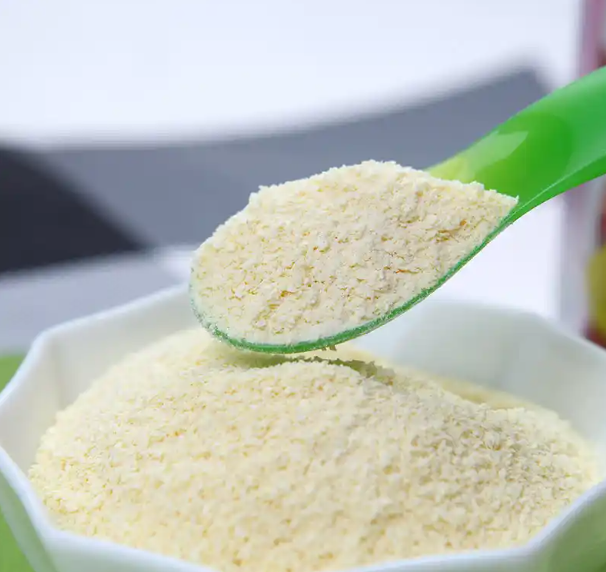
2. Typical Raw Materials and Formulation
A “five-grain” blend varies by region and brand, but common components include:
- Cereals: rice, oats, wheat, corn, millet, sorghum
- Pseudocereals: buckwheat, quinoa (optional)
- Legumes: soybean, black bean, mung bean, pea (for protein)
- Seeds/nuts (optional): sesame, flax, walnut, almond (increase fat and aroma)
- Functional additions (optional): dietary fiber, vitamins/minerals, probiotics
Because each ingredient behaves differently during milling and storage, formulation is designed around taste, nutrition targets, and processing feasibility.
3. Cleaning and Sorting (Safety and Consistency First)
Raw grains typically contain dust, stones, husk fragments, and occasional metal contamination. A standard cleaning section may include:
- Screening and aspiration (remove dust and light impurities)
- De-stoning (remove stones and sand)
- Magnets/metal detection (control metal hazards)
- Optical sorting (remove discolored or moldy kernels, when required)
This stage is critical for food safety and to protect milling equipment.
4. Washing and Drying (Process-Dependent)
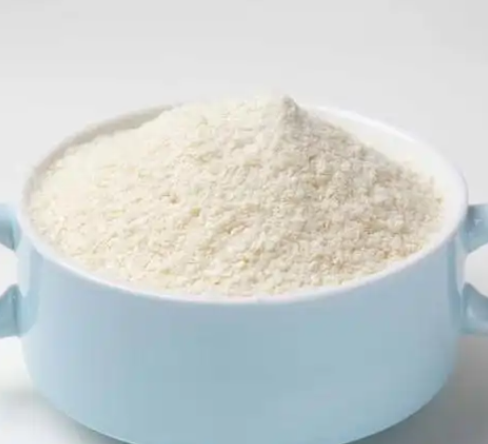
Some factories wash certain grains or beans to reduce surface dust and off-notes. If washing is used, it must be followed by thorough drying to prevent mold growth and to restore a stable moisture level suitable for roasting and milling.
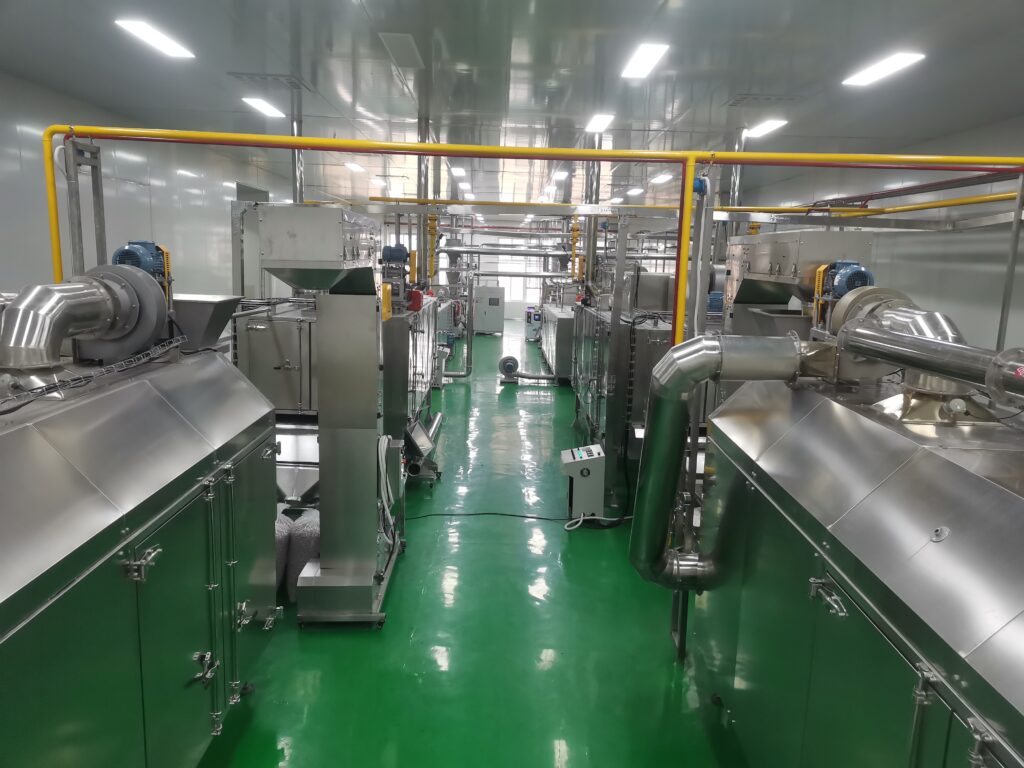
5. Heat Treatment: Roasting, Baking, or Steaming
Heat treatment is one of the most defining steps because it influences flavor, digestibility, and powder behavior.
Common options:
- Roasting/baking (dry heat): develops nutty aroma through Maillard reactions; reduces “raw” grain/bean odors.
- Steaming or cooking (wet heat): improves starch gelatinization and can enhance digestibility; often followed by drying.
- Combined processes: partial steaming + roasting to balance flavor and instant dispersibility.
For multigrain powders that need to thicken in hot water (like porridge-style drinks), controlled gelatinization is especially important.
6. Cooling and Moisture Stabilization
After heating, materials are cooled and equilibrated. Uneven moisture leads to:
- clumping during milling
- inconsistent particle size
- shorter shelf life due to localized moisture pockets
Moisture stabilization improves both milling efficiency and final powder flowability.
7. Milling and Fine Grinding
The core transformation is turning treated grains into a consistent powder. Depending on the desired mouthfeel:
- Hammer mills or pin mills for general grinding
- Roller mills for certain cereals
- Air classifier mills for finer, controlled particle size
Particle size matters: too coarse feels gritty; too fine can create dusting, poor flow, and clumping during reconstitution.
8. Sieving and Classification
After milling, the powder is sieved to remove:
- coarse particles and fibrous fragments
- lumps formed during grinding
- foreign materials (as a final physical control)
This step improves smoothness and ensures consistent rehydration.
9. Blending and Nutrient Fortification
Most products are produced by blending individual grain powders in the correct ratio. Manufacturers often add:
- sweeteners or sugar alcohols (depending on positioning)
- salt or flavor powders
- plant protein concentrates (to raise protein level)
- vitamin/mineral premixes (for “nutrition powder” claims)
To prevent nutrient “hot spots,” micronutrients are typically added as a premix with a carrier (such as maltodextrin) and then blended into the main batch.
10. Agglomeration / Instantization (For Better Solubility and Less Dust)
Many multigrain powders are not truly soluble; they disperse and form a suspension. Instantization improves consumer experience by reducing floating and lumping.
Common technologies:
- Fluid-bed agglomeration: binds fine particles into porous granules that wet quickly.
- Controlled spray addition (water or binder): followed by drying and cooling.
- Optional lecithination for improved wettability (more common in protein-based powders).
The result is faster wetting, better flow, and easier mixing in cups and shakers.
11. Packaging and Shelf-Life Protection
Multigrain powders can absorb moisture and may contain fats (from oats, soy, sesame, nuts) that oxidize.
Packaging goals:
- strong moisture barrier to prevent caking
- good oxygen barrier to reduce rancidity
- optional nitrogen flushing for fat-rich formulas
- tight seal integrity and clear batch coding for traceability
Storage conditions (cool, dry) remain essential after packaging.
12. Quality Control: What Manufacturers Test
Typical checks include:
- Moisture and water activity (caking and microbial risk)
- Microbiology (hygiene indicators; pathogens as required)
- Particle size distribution (mouthfeel and dispersion)
- Bulk density and flowability (packaging consistency)
- Sensory tests (aroma from roasting, off-flavors)
- Nutrient verification (especially if fortified)
Conclusion
Multigrain nutrition powder is produced through a controlled chain of cleaning → heat treatment (roasting/steaming) → drying and stabilization → fine milling → sieving → blending/fortification → instantization → protective packaging. The most important technical levers are moisture control, particle size management, and heat-treatment design, which together determine flavor, smoothness, and how easily the powder reconstitutes.
 French
  English
  Russian
  Spanish
  Italian
  Arabic
  Portuguese
  German
  Japanese
  Moroccan Arabic
  Persian
  Belarusian