
Rice is a dietary staple for more than half of the world’s population. However, the process of milling brown rice into the familiar white rice strips away the nutrient-rich husk, bran, and germ, leaving mostly starch. To combat widespread nutrient deficiencies, particularly in developing countries, food scientists developed fortified rice. But how does it differ from what we might call “natural rice”? The distinction lies in processing, nutrition, and purpose.
1. What is Natural Rice?
“Natural rice” generally refers to rice in its least processed forms, specifically brown rice. It consists of three edible parts:
- The Bran: The fiber-rich outer layer.
- The Germ: The nutrient-dense embryo.
- The Endosperm: The starchy interior.
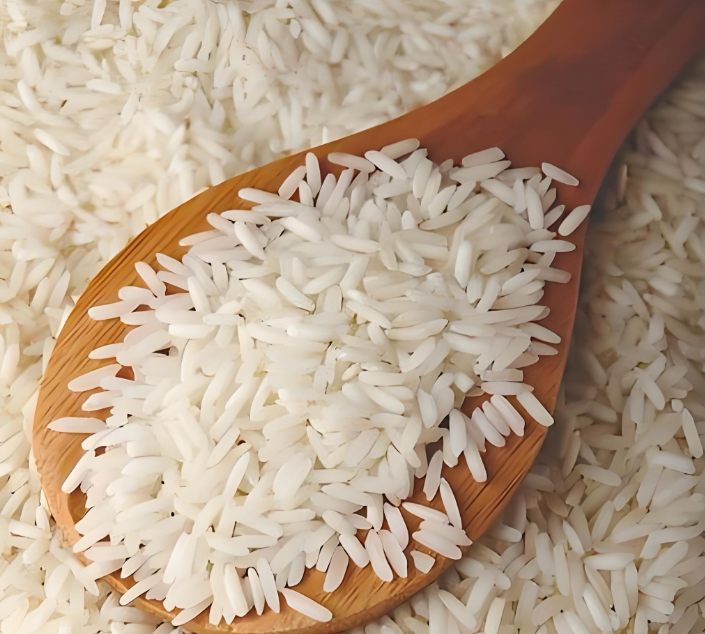
When you purchase “natural” whole-grain rice, you are getting the grain as nature intended, complete with its natural fiber, vitamins (like B vitamins), and minerals (like magnesium and iron). White rice is simply natural rice that has had the bran and germ polished away.
2. What is Fortified Rice?
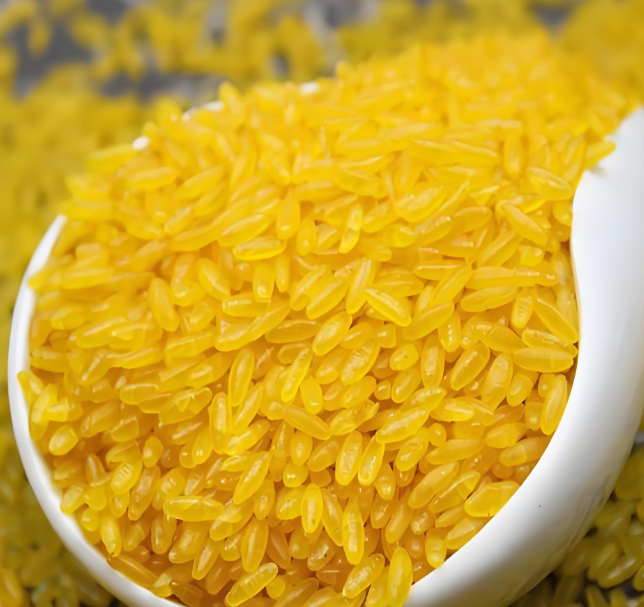
Fortified rice is usually milled white rice that has had vitamins and minerals added back into it after processing. It is an artificial intervention aimed at public health.
There are two main methods of production:
- Coating: Nutrients are mixed with a food-grade wax or polymer and sprayed onto the surface of regular rice grains to create a protective film.
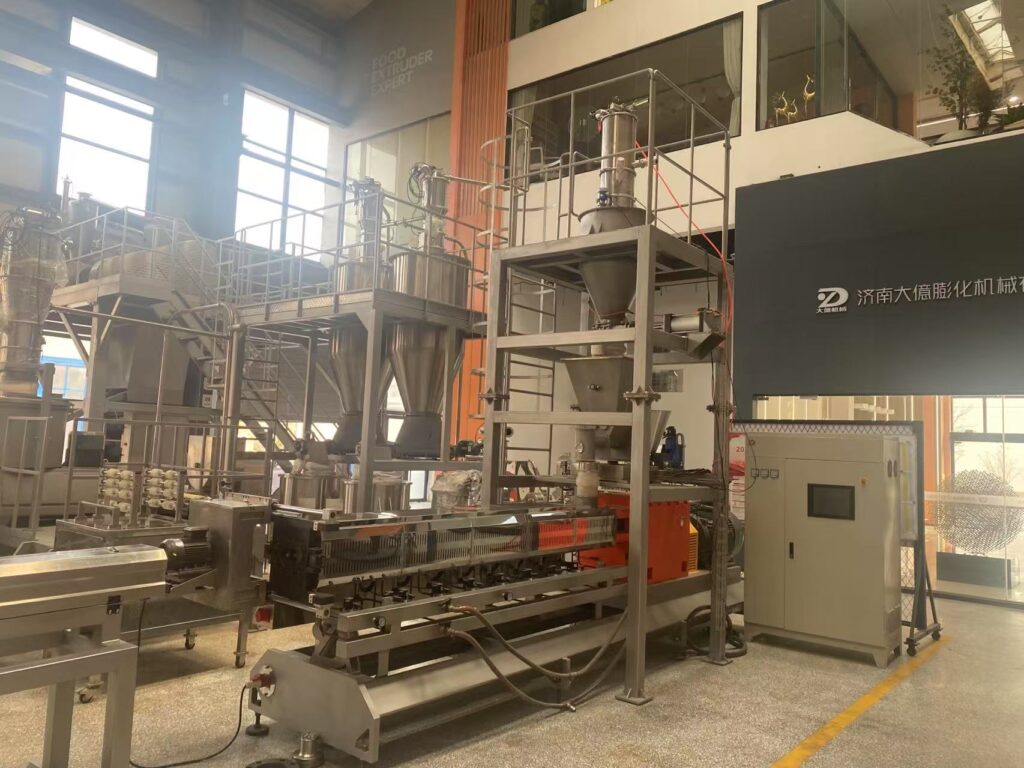
- Extrusion (The “Artificial Grain” Method): Rice flour is mixed with a micronutrient powder (often including iron, folic acid, vitamin B12, and zinc) and water. This dough is passed through an extruder to create rice-shaped “grains” that look identical to natural rice. These are then mixed with normal rice at a specific ratio (usually 1:100 or 1:200).
3. Key Differences at a Glance
| Feature | Natural Rice (e.g., Brown Rice) | Fortified Rice (Usually White Rice) |
|---|---|---|
| Source of Nutrients | Naturally occurring in the bran and germ. | Artificially added after milling. |
| Fiber Content | High (due to the bran layer). | Low (unless specifically blended). |
| Processing | Minimally processed (de-husked only). | Highly processed; nutrients are sprayed on or extruded. |
| Appearance | Often darker, tan color; chewier texture. | Looks identical to standard white rice. |
| Cooking Time | Longer (due to bran). | Same as standard white rice. |
| Nutritional Target | General wellness and digestion. | Specifically targets deficiencies (Anemia, birth defects). |
4. The Pros and Cons
Pros of Natural Rice:
- Fibre : The bran provides dietary fiber, which aids digestion and blood sugar regulation.
- Healthy Fats: Contains natural oils found in the germ.
- No Additives: It is a single-ingredient, whole food.
Cons of Natural Rice:
- Shorter Shelf Life: The natural oils in the bran can go rancid.
- Phytates: Contains phytic acid, which can slightly inhibit mineral absorption, though soaking or rinsing can help.
- Texture: Some find it chewier and less palatable than white rice.
Pros of Fortified Rice:
- Malnutrition Solution: It is an effective, low-cost way to deliver essential nutrients (like iron and folic acid) to large populations without changing their eating habits.
- Shelf Life: Because the base grain is white rice, it lasts longer than brown rice.
- Taste: It tastes exactly like the white rice people are accustomed to.
Cons of Fortified Rice:
- Nutrient Loss: If rinsed excessively before cooking, the sprayed-on nutrients can wash off (though extruded grains are more resilient).
- Processing: It is an ultra-processed food product designed for public health, not a natural agricultural product.
- Missing Fiber: While vitamins are added back, the fiber is not.
Conclusion
The choice between fortified and natural rice depends on your health goals. If you are looking for whole-food nutrition and fiber to support digestion, natural brown rice is the superior choice. However, if you live in an area where micronutrient deficiencies are common, or if you prefer the taste and texture of white rice but still want to ensure you receive essential vitamins, fortified rice serves as a practical and life-saving alternative.If you are interested in the fortified rice making machine , you can contact me .we will give you good advice .
1.Will you help us with the installation ?
Yes , We will send engineers to install and debug the equipment, and assist in training your staff.
2.Are you a factory or trading company?
We are a factory.
3.What certificate do you have?
We have ISO and CE certificate.
4.How long is the warranty period?
All of our machines have one year warranty.
5.What’s the main market of your company?
Our customers all over the world.
6.How much production capacity of your company one year?
This depends on your needs.
 French
  English
  Russian
  Spanish
  Italian
  Arabic
  Portuguese
  German
  Japanese
  Moroccan Arabic
  Persian
  Belarusian