
What was once a niche product found only in health food stores has become a mainstream culinary category. Plant-based meat, powered by textured vegetable protein (TVP), has moved from the fringe to the center of the plate. The global TVP market, valued at $1.8 billion in 2025, is projected to nearly double to $3.7 billion by 2035, driven by its widening range of applications . Today, this versatile ingredient is being used in everything from hybrid meat products to seafood analogues, revolutionizing how we think about protein.
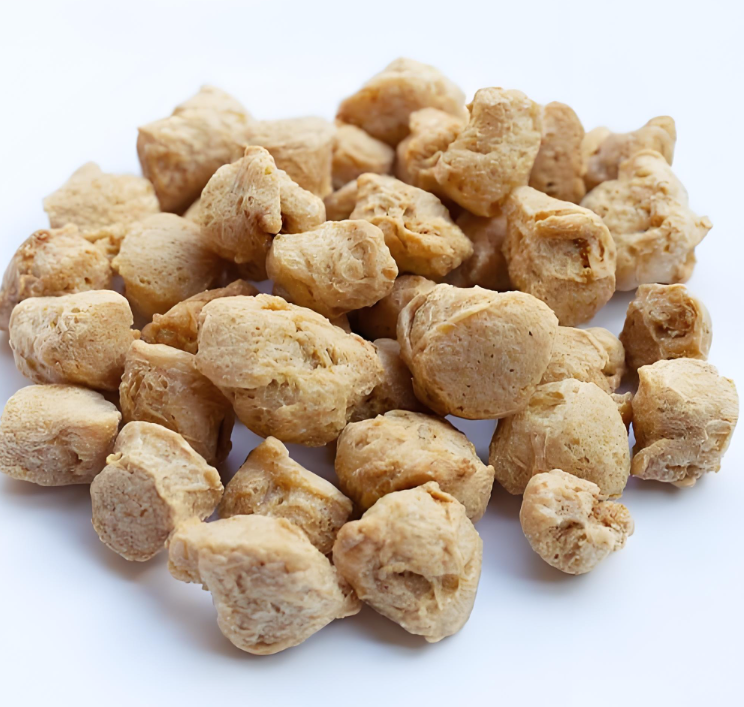
1. Meat Analogues: The Classics Reimagined
The most prominent application of plant-based meat is in creating direct analogues of animal products—foods designed to mimic the taste, texture, and culinary experience of conventional meat. This category has expanded far beyond the early iterations of tofu-based burgers.
Whole-Muscle Cuts
Thanks to advancements in high-moisture extrusion cooking (HMEC) , manufacturers can now produce products with aligned, striated fibres that replicate the bite of whole muscle meat . This technology allows for the creation of plant-based chicken breasts, steaks, and “pulled” meats. Companies like Planted have leveraged this technology, using ingredients as simple as yellow peas, water, rapeseed oil, and salt to create a product that mimics the colour, bite, and consistency of chicken . More recently, fermentation techniques have been combined with extrusion to refine the flavour and texture of whole-muscle cuts, leading to innovations like plant-based steaks that now account for a significant portion of sales for pioneering foodtech companies .
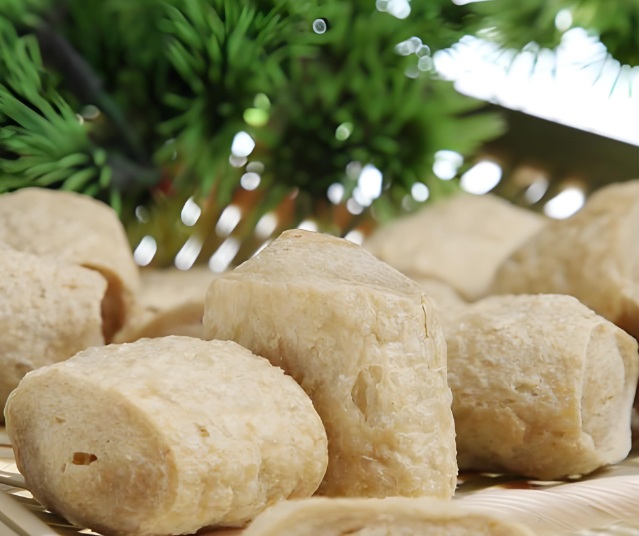
Ground Meats and Mince
Textured vegetable protein in the form of granules ou minced textures is widely used to replicate ground beef, pork, or turkey . This application is a staple in products like plant-based burger patties, taco fillings, and bolognese sauces. The versatility of TVP allows it to be flavoured during rehydration or combined with fats, fibres, and binders to create the juicy, satisfying texture consumers expect from ground meat . Research into novel ingredients, such as defatted baru flour from the Brazilian Cerrado, shows promise for creating TVPs specifically designed for use in high-quality plant-based burgers .
Sausages and Nuggets
Formed products like sausages, hot dogs, and chicken nuggets represent another major application. In these formats, TVP provides the foundational protein structure, which is then mixed with seasonings, fats, and binding agents before being stuffed into casings or shaped into patties and nuggets . This allows for endless culinary creativity, from breakfast sausages to spicy nuggets, all built on a base of textured plant protein .
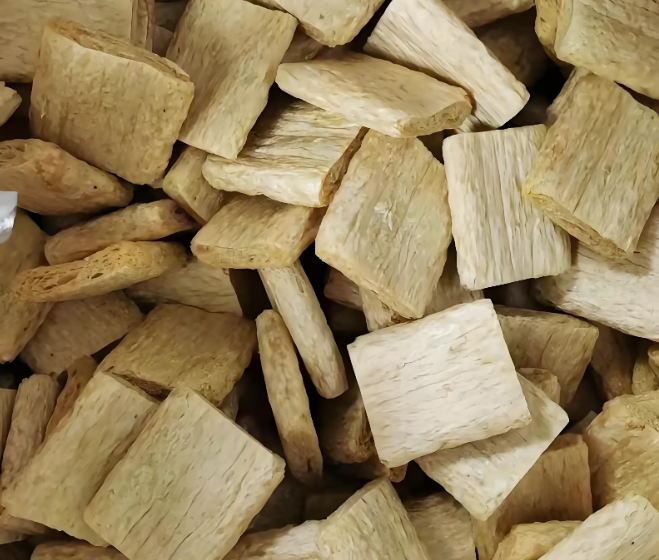
2. Meat Extenders and Hybrid Products: A Bridge for Flexitarians
A rapidly growing application for TVP is as an extender in hybrid meat products—foods that combine conventional meat with plant-based ingredients . This approach, sometimes referred to as “Balanced Proteins,” appeals to flexitarians who want to reduce their meat consumption without giving it up entirely. These products typically replace a minimum of 30% of the animal-based ingredients with a plant-based alternative .
Enhanced Nutrition and Sustainability
By blending TVP with ground meat, manufacturers can create products with a lower environmental footprint, reduced saturated fat, and added fiber, all while maintaining the familiar taste and texture of meat . Common examples include beef-and-mushroom burgers, chicken nuggets blended with chickpeas or pea protein, and pork sausages mixed with lentils .
A Matter of Texture
The success of these hybrid products depends heavily on choosing the right plant protein. Recent research comparing faba bean, pea, and rice protein in hybrid beef patties revealed distinct characteristics:
- Faba bean protein excelled at retaining moisture and fat during cooking, resulting in a juicier, more economical patty with a softer texture .
- Pea protein produced patties that were texturally closest to 100% beef, making it ideal for maintaining a traditional “chew” .
- Rice protein created the firmest patties, which could be useful in specific processed meat applications but may be too tough for a standard burger .
This research highlights that there is no one-size-fits-all solution, and the choice of protein can be tailored to achieve specific product goals.
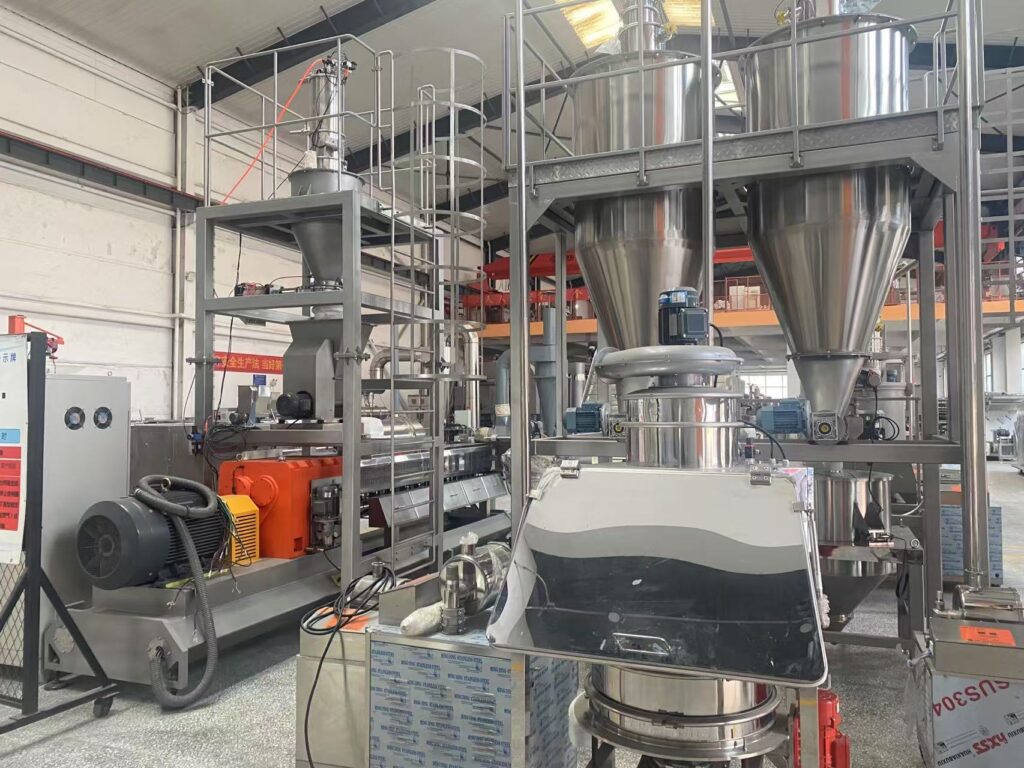
3. Seafood Analogues: The Next Frontier
While much of the plant-based market has focused on terrestrial meat, seafood analogues represent a significant and growing area of innovation. Replicating the delicate flakiness, moisture, and briny flavour of fish presents a unique challenge, but extrusion technology is rising to meet it.
Replicating Fish Structure
Projects like the SEAVEGEXT initiative are specifically focused on creating fish-like structures using both low-moisture TVP and high-moisture HMEC processes . The goal is to understand how different protein sources and extrusion parameters can be manipulated to achieve the characteristic striation and culinary performance of fish . This could lead to plant-based versions of tuna, white fish fillets, and even shellfish, offering a more sustainable alternative to overfished oceans.
4. Snack Foods and Cereals: A Crunchy Application
Beyond direct meat substitutes, TVP is also used as a high-protein ingredient in the broader snack and cereal industry. Textured proteins in the form of chunks ou flakes can be incorporated into:
- Protein bars: Adding a chewy, meat-like texture (in the case of savory bars) or a crunchy element.
- Ready-to-eat cereals and snacks: TVP can be extruded into various shapes and sizes to create protein-enriched breakfast cereals, savory snack mixes, and protein-packed “croutons” for salads .
The Future of Application: Diversification and Precision
The applications of plant-based meat are being driven by two major trends: diversification of protein sources and precision formulation.
Manufacturers are moving beyond soy to include pea, canola, faba bean, and even upcycled ingredients like oilseed press cakes from sunflower, pumpkin, and flaxseed . These novel raw materials not only address consumer concerns about allergens and sustainability but also impart unique textural properties. For instance, TVPs made with sunflower, flaxseed, and pumpkin seed press cakes have been found to be more chewy and less spongy, creating a more meat-like texture .
At the same time, the industry is leveraging AI-enabled tools to model and optimize TVP formulations . These tools help manufacturers precisely adjust fiber length, shear consistency, and thermal processing to achieve the exact chewability and juiciness required for each specific application, whether it’s a flaky fish fillet or a hearty beef-style chunk .
In conclusion, the application of plant-based meat is no longer a simple one-to-one replacement. It is a dynamic and sophisticated field that spans whole-muscle cuts, hybrid meats, seafood, and snacks, all underpinned by cutting-edge food science and a commitment to creating a more sustainable and delicious food system.
 French
  English
  Russian
  Spanish
  Italian
  Arabic
  Portuguese
  German
  Japanese
  Moroccan Arabic
  Persian
  Belarusian