
Rice is simple, but truly great rice is never an accident. fortified rice making machine The difference between rice that feels flat and rice that tastes satisfying often comes down to texture—how each grain feels on the tongue, how it holds moisture, and how it pairs with sauces and side dishes. By adjusting a few variables—grain choice, rinsing, soaking, water ratio, heat control, and finishing—you can consistently produce rice with fuller body, better bite, and a more appealing mouthfeel.
1) Start with the Right Rice for the Texture You Want
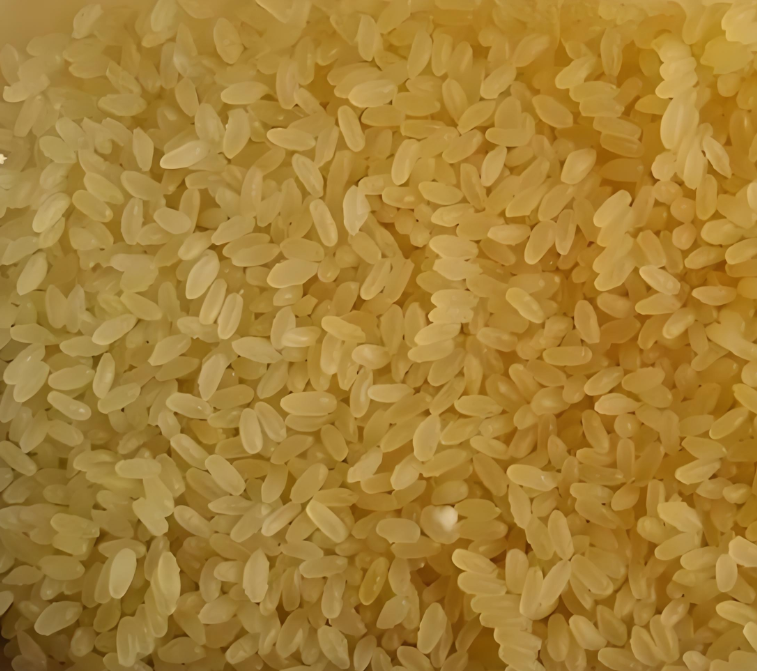
Texture begins with variety. Long-grain rice (like jasmine or basmati) tends to cook up light and separate, with a clean bite. Medium-grain rice is slightly more tender and springy, making it ideal for everyday bowls. Short-grain rice becomes plumper and more cohesive, giving a glossy, pleasantly chewy texture that works beautifully for sushi-style meals or comfort food. Choosing the right grain sets you up for success before you even turn on the stove.
2) Rinse Strategically—Not Automatically
Rinsing removes surface starch, which can make rice gummy. If your goal is fluffy, distinct grains, rinse until the water runs mostly clear. fortified rice making machine If you prefer a slightly clingier, silkier finish (useful for rice bowls), rinse briefly—just enough to remove dust, but not so much that you strip away all the starch that helps create a gentle, cohesive mouthfeel. The key is intent: rinse to match the texture you want.
3) Soak for Plumper Grains and More Even Tenderness
Soaking allows water to penetrate the grain before cooking, reducing uneven centers and improving overall tenderness. For many white rices, 15–30 minutes is enough to noticeably enhance texture, making grains feel more hydrated and “round” rather than dry or chalky. For brown rice, longer soaking can help—but it may require adjusted cooking time.
4) Use Water Ratio as a Texture Dial
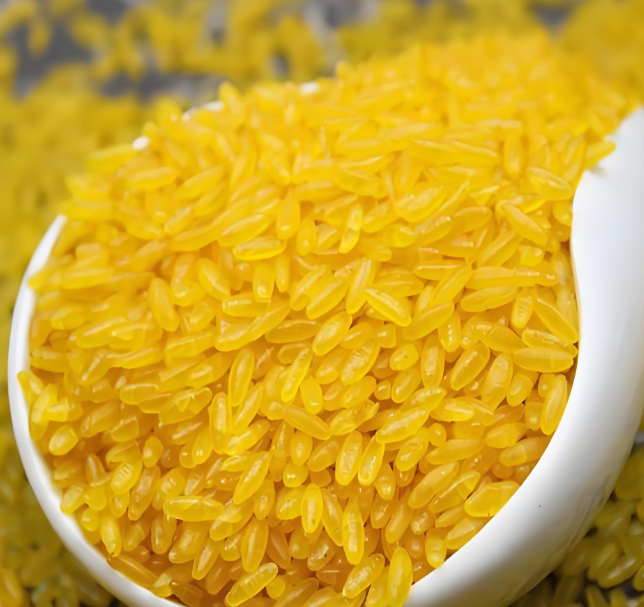
Water ratio is the fastest way to change mouthfeel:
- Slightly less water → firmer bite, more separation, better for fried rice or saucy curries where you don’t want mush.
- Slightly more water → softer, more cushioned texture, better for comfort-style bowls.
Even small changes matter. If your rice is consistently too soft, reduce water a little next time; if it feels dry or hard, increase water slightly or add a short steam rest at the end.
5) Control Heat to Avoid Broken Grains and Gluey Spots
Bring rice to a gentle boil, then immediately reduce to a low simmer and keep the lid on. Aggressive boiling can cause grains to collide, split, and release extra starch, fortified rice making machine leading to uneven texture. Steady, low heat keeps the cooking environment calm and consistent—one of the most reliable ways to preserve a clean, pleasant bite.
6) Resting Is Where Texture Becomes “Finished”
Once the water is absorbed, turn off the heat and let the rice rest covered for 10 minutes. This step is not optional if you care about mouthfeel. Resting allows moisture to redistribute, smoothing out wet/dry patches and giving the grains a more uniform tenderness. Rice that seems slightly underdone at the end of cooking often becomes perfect after resting.
7) Fluff Gently to Improve Lightness Without Damaging Grains
Use a fork, rice paddle, or chopsticks to fluff—lifting and turning rather than stirring. This releases steam and prevents clumping while keeping the grains intact. Over-mixing can break grains and create a pasty texture, especially with softer varieties.
8) Add Fat and Aromatics for a Richer, More Luxurious Feel
If you want rice to feel more “silky” and satisfying, a small amount of fat can transform mouthfeel:
- A teaspoon of butter, ghee, olive oil, or sesame oil
- Cooking the rice briefly with toasted spices (like cumin) or aromatics (like garlic)
Fat coats the grains lightly, enhancing perceived tenderness and giving a fuller, rounder finish—especially helpful for lean meals.

9) Season Properly—Salt Improves Texture Perception
A modest pinch of salt in the cooking water does more than add flavor. It can make rice taste “more complete,” which often reads as better texture, too. fortified rice making machine Proper seasoning helps the grain feel less flat and more satisfying, especially when served plain.
10) Match Texture to the Dish
The best mouthfeel depends on what you’re serving:
- Curries and saucy stir-fries: firmer, separate grains hold up better.
- Rice bowls and grilled meats: medium tenderness with a slight cling feels comforting.
- Fried rice: cook rice a bit firmer and cool it before frying for the best chew and separation.
Enhancing rice texture is about small, repeatable choices: pick the right grain, rinse with purpose, soak when useful, adjust water like a dial, cook gently, rest thoroughly, and fluff with care. With these techniques, rice becomes more than a side dish—it becomes a centerpiece with a refined, satisfying mouthfeel that elevates the entire meal.
 French
  English
  Russian
  Spanish
  Italian
  Arabic
  Portuguese
  German
  Japanese
  Moroccan Arabic
  Persian
  Belarusian