
Rice is a staple food for billions of people, but not all rice products are the same. Two categories that often get confused are fortified rice and instant (ready-to-cook) rice. While both are designed to meet modern needs—better nutrition or greater convenience—they differ in purpose, processing, nutrition, taste, cost, and best use cases.
1) Core Purpose
Fortified rice
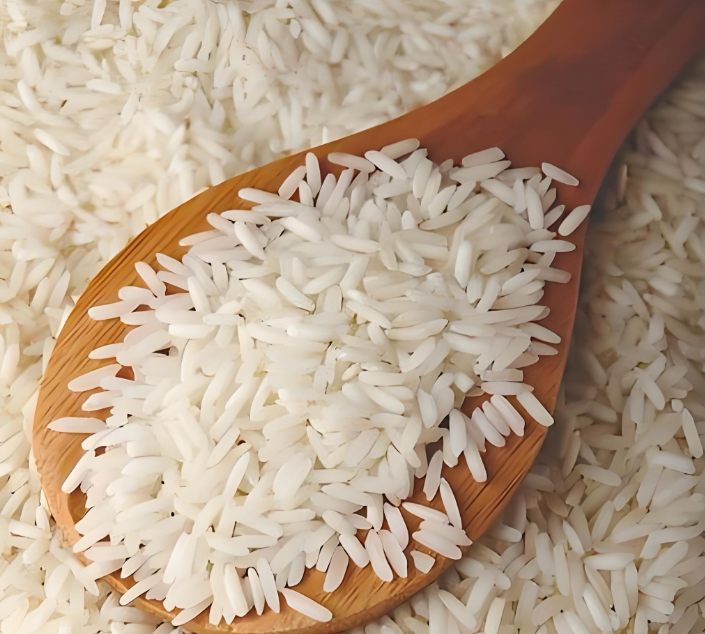
Fortified rice is primarily designed to improve nutritional intake. It is rice that has been enhanced with added vitamins and minerals—commonly iron, folic acid, vitamin B12, vitamin A, zinc, or other micronutrients—especially in populations where deficiencies are common.
Instant rice
Instant rice is mainly designed for speed and convenience. It is rice that has been pre-cooked (fully or partially) and then dried, so it can be prepared in a few minutes with boiling water or short microwave cooking.
2) How They’re Made
How fortified rice is produced
Fortification can be done in several ways, depending on the region and manufacturer:
- Coating/Dusting: Micronutrients are applied to the surface of rice kernels.
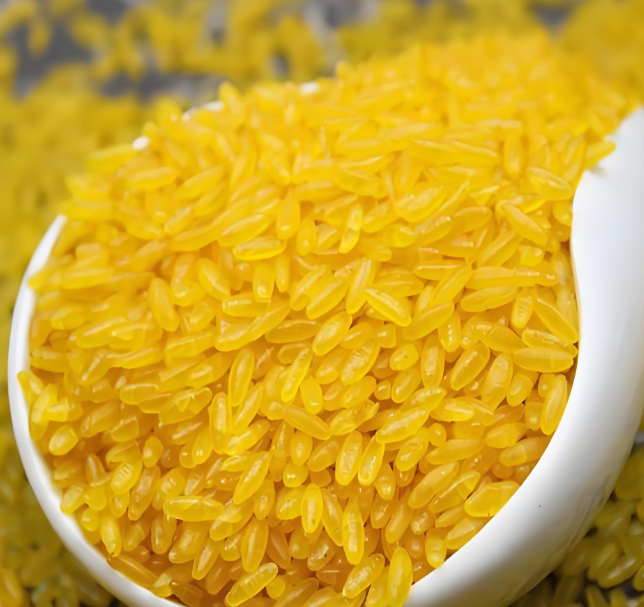
- Extrusion (Fortified kernels): Rice flour is blended with vitamins/minerals, shaped into rice-like “kernels,” and then mixed with regular rice at a set ratio (for example, 1–2% fortified kernels).
- Parboiling with nutrients: Nutrients may be introduced during processing so they move into the grain.
The key point: fortification changes the nutrient profile, not necessarily the cooking time.
How instant rice is produced
Instant rice is typically made by:
- Pre-cooking rice (steam or boil)
- Dehydrating it
- Sometimes flaking or puffing to speed rehydration
The key point: instant rice changes the structure of the rice to make it cook faster.
3) Nutrition: What Changes and What Doesn’t
Fortified rice
- Usually has higher levels of specific micronutrients than regular rice.
- The calorie, protein, and carbohydrate content is often similar to standard white rice (unless additional ingredients are included).
- Nutrient retention depends on the fortification method and cooking practices (for example, excessive rinsing may reduce surface-applied nutrients).
Instant rice
- Generally not “more nutritious” by default; it may be made from white rice, brown rice, or blends.
- Some vitamins/minerals can be lost during processing, though many products remain nutritionally comparable to their original rice type.
- Instant rice can sometimes have added sodium or seasonings if sold as flavored packets, which changes its health profile.
4) Taste, Texture, and Cooking Results
Fortified rice
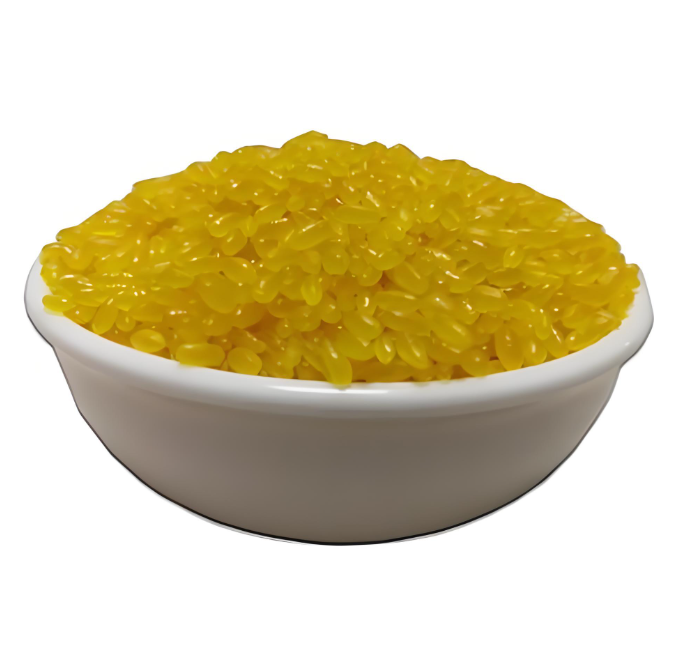
- When done well, it typically tastes and behaves like regular rice.
- Extruded fortified kernels are designed to be visually and texturally similar to rice, though very sensitive consumers may notice minor differences depending on the brand.
Instant rice
- Often has a softer texture and can become mushy if overcooked.
- Flavor may be slightly less “fresh-cooked,” though quality varies widely.
- Excellent for quick meals, but may not deliver the same texture as traditionally cooked rice.
5) Cooking Time and Convenience
- Fortified rice: usually cooks like the rice it’s based on (e.g., white vs. brown). Cooking time is not the main benefit.
- Instant rice: designed to cook in 5–10 minutes or less, sometimes just by soaking in hot water.
6) Cost and Typical Buyers
Fortified rice
- Often used in public health programs, school meals, or regions focusing on micronutrient deficiency reduction.
- May cost more than regular rice depending on technology and distribution, though large programs can reduce the price gap.
Instant rice
- Common among busy households, students, travelers, and emergency food kits.
- Price varies; plain instant rice can be affordable, while branded microwave cups and flavored packs can be more expensive per serving.
7) Which One Should You Choose?
Choose fortified rice if:
- You want to increase micronutrient intake (iron, folate, etc.).
- You’re feeding children, pregnant people, or communities at risk of deficiencies (as advised by local health guidance).
- You want rice that cooks normally but offers added nutritional benefits.
Choose instant rice if:
- You need fast preparation with minimal equipment.
- You prioritize convenience for work lunches, dorm life, camping, or quick dinners.
- You’re okay with slightly different texture compared to traditional rice.
In simple terms, fortified rice is about nutrition, while instant rice is about speed. Fortified rice aims to address vitamin and mineral gaps without changing everyday eating habits. Instant rice, on the other hand, transforms how rice is processed so it can be ready in minutes. Understanding this difference helps you pick the right rice for your health goals, lifestyle, and cooking needs.
 French
  English
  Russian
  Spanish
  Italian
  Arabic
  Portuguese
  German
  Japanese
  Moroccan Arabic
  Persian
  Belarusian