
1. Introduction
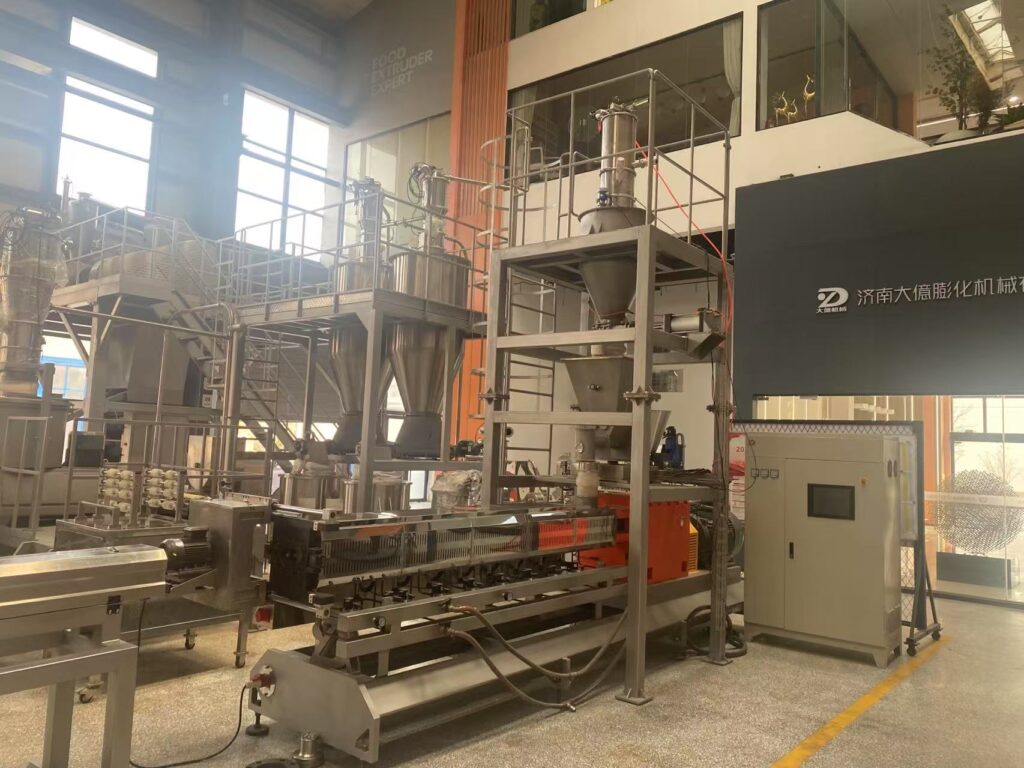
Cleaning a twin-screw extrusion system is essential for food safety, product quality, allergen control, and reliable operation. Because extrusion combines heat, pressure, and shear, residues can bake onto screw elements, barrel liners, the die face, and the cutter area. A good cleaning program includes routine in-process cleaning, planned shutdown cleaning, and periodic deep cleaning with inspection and maintenance.
2. When Cleaning Is Required
Cleaning frequency depends on formulation, run length, and hygiene standards. Typical triggers include:
- Product changeovers (especially flavor, color, or seasoning changes)
- Allergen changeovers (e.g., milk, soy, wheat, nuts)
- High-sugar or high-fat formulations that promote die build-up
- Visible contamination, off-odor, or abnormal discoloration
- Process instability caused by partial plugging or die deposits
- Scheduled sanitation or preventive maintenance intervals
3. Safety and Preparations (Critical)
Before any cleaning activity, follow plant safety rules.
- Lockout/Tagout (LOTO): Required before opening guards, removing the die, or entering any pinch-point area.
- Pressure relief: Never loosen a die or barrel component while pressurized. Confirm die pressure is at zero.
- Thermal hazards: Barrels, die heads, and product can be hot enough to burn. Allow controlled cool-down where required.
- PPE: Heat-resistant gloves, cut-resistant gloves (for sharp parts), eye/face protection, and protective clothing.
- Tools and materials: Scrapers (non-metallic preferred for die face), brushes, vacuum, lint-free wipes, food-grade lubricants (if used), spare gaskets and fasteners, and approved cleaning compounds (if wet cleaning is permitted).
4. In-Process Cleaning (Purge Cleaning)
Purge cleaning is the most common method and is done without disassembly.
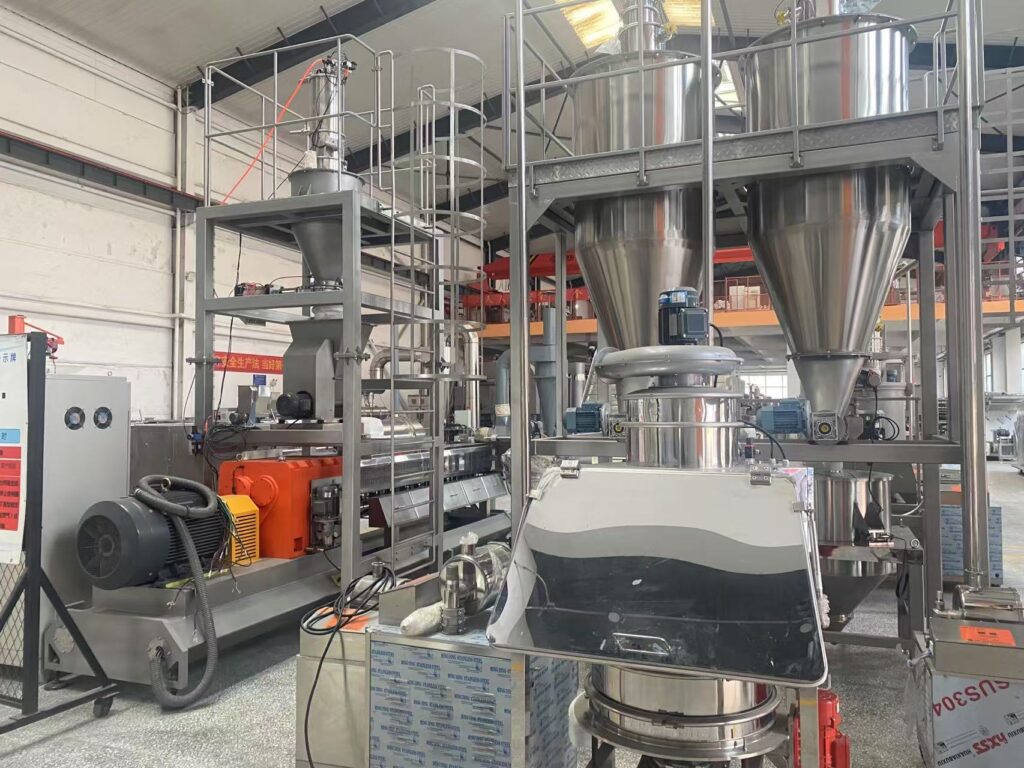
- Stop ingredient additions that cause sticking (e.g., sugars, fats, colors) and return to a simpler base formula if possible.
- Run purge material (often plain starch, rice flour, corn grits, or a commercial purge compound).
- Adjust conditions to help scouring:
- Moderate screw speed to increase shear cleaning action
- Barrel temperatures high enough to keep material plasticized (avoid burning)
- Controlled moisture so the purge is not too wet (ineffective) or too dry (risk of overload)
- Continue until discharge runs clean (color and odor stabilize; no specks).
Purge cleaning is effective for routine transitions but may not remove hardened deposits behind the die or in dead zones.
5. Shutdown Cleaning (Die Face, Cutter, and Accessible Areas)
For many production lines, the die and cutter area are the primary build-up zones.
- Stop feeding and purge until the extrudate becomes light and consistent.
- Reduce screw speed and stop the extruder following standard shutdown procedures.
- LOTO and confirm zero pressure.
- Clean the die face and cutter assembly:
- Remove the knife holder if required
- Brush away crumbs and fines
- Scrape carbonized residue gently (avoid damaging die openings)
- Clean around die holes to prevent “blocked ports” on the next start-up
- Clean guards, covers, and surrounding surfaces to prevent recontamination.
If the die is designed for quick removal, many plants soak the die plate (when allowed) in an approved cleaning solution to loosen baked-on residues, then rinse and dry completely.
6. Wet Cleaning vs. Dry Cleaning (Food Industry Considerations)
Extrusion lines often favor dry cleaning to avoid corrosion, moisture retention, and microbial risks inside the barrel. Wet cleaning may be used for removable parts or when sanitation rules require it.
- Dry cleaning: Vacuum, brushing, wiping, and purge compounds; lowest moisture risk.
- Wet cleaning (only if validated): Typically limited to removable components such as die plates, cutters, hoppers, and external surfaces. Always dry thoroughly before reassembly to prevent rust and start-up issues.
Never introduce water into a hot, running extruder unless the equipment design and SOP explicitly allow it.
7. Deep Cleaning (Disassembly of Screws and Barrel Sections)
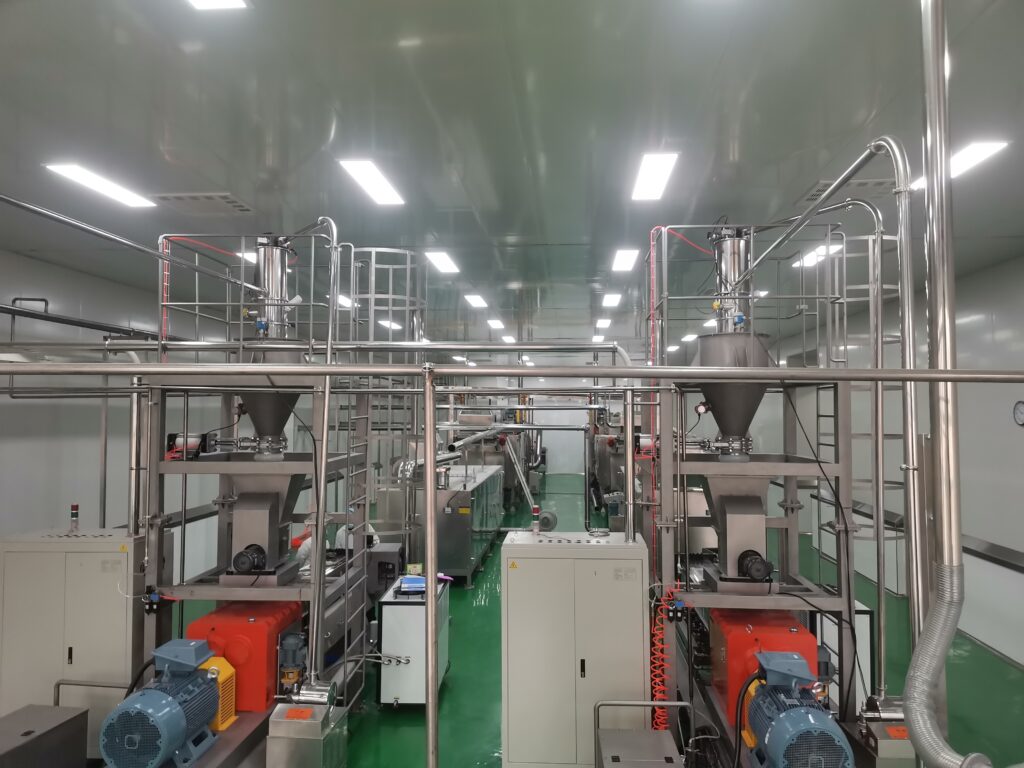
Periodic deep cleaning is required when allergens, carbon build-up, or quality defects persist.
- Planned cooldown and LOTO with full safety verification.
- Remove the die head and any breaker plates or inserts.
- Pull screw shafts and elements using the correct lifting tools to avoid bending or damage.
- Clean screw elements and barrel liners:
- Mechanical removal of deposits using approved tools
- Soaking removable parts in approved solutions if permitted
- Thorough rinsing and complete drying
- Inspect during cleaning:
- Screw wear (flight rounding, element cracking, excessive clearance)
- Barrel liner wear and scoring
- Seals, O-rings, gaskets, and fastener condition
- Reassemble with correct torque and alignment checks, then run a controlled start-up with a purge material.
Deep cleaning should be documented and performed by trained personnel because improper reassembly can lead to severe mechanical failure.
8. Cleaning Validation and Documentation
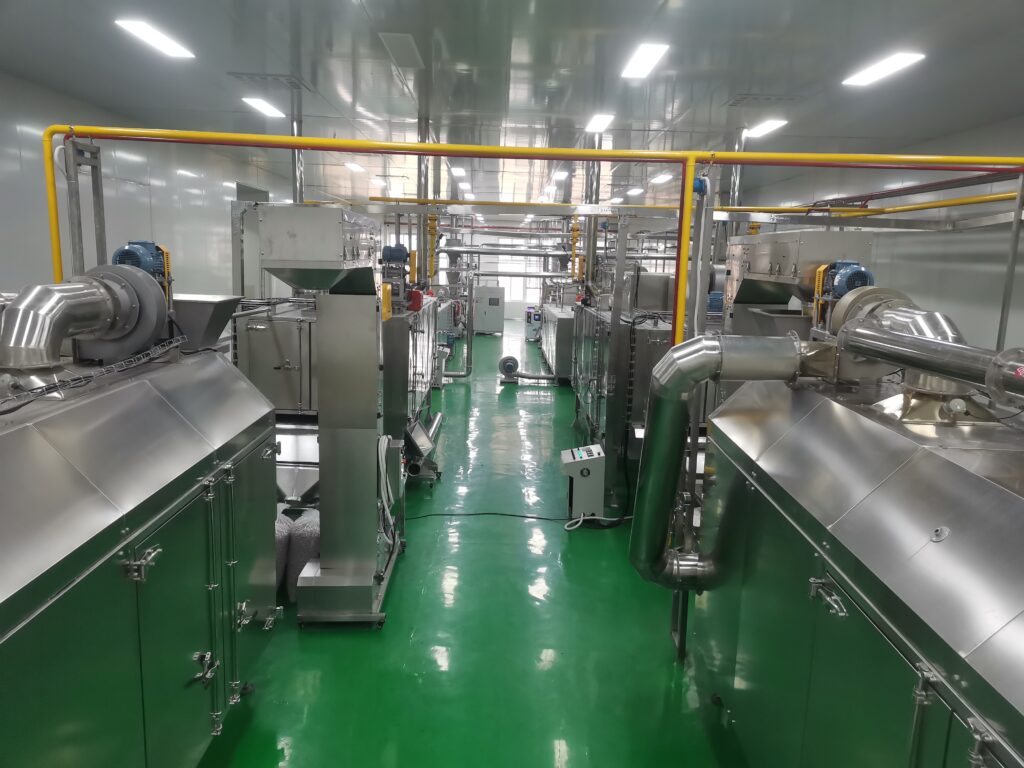
In regulated environments, cleaning must be verifiable.
- Visual inspection: No residue, specks, or odor.
- Allergen verification: Swab tests or rapid test kits where required.
- Records: Date/time, product run, cleaning method, personnel, verification results, and any parts replaced.
9. Practical Tips to Reduce Build-Up
- Keep die heating stable to reduce condensation and sticking.
- Avoid excessive residence time that can cause burning/carbonization.
- Optimize moisture and temperature to prevent overcooked sticky melts.
- Use a short, routine purge at each shutdown to prevent “baked-in” residues.
Effective cleaning of a twin-screw expansion extruder combines safe shutdown practices, purge-based cleaning, targeted cleaning of the die and cutter zones, and periodic disassembly for deep cleaning and inspection. A structured cleaning program improves product consistency, reduces downtime, supports allergen control, and extends the service life of screws, barrels, and dies.
 French
  English
  Russian
  Spanish
  Italian
  Arabic
  Portuguese
  German
  Japanese
  Moroccan Arabic
  Persian
  Belarusian