
The production of fish feed in specific pellet sizes is a critical aspect of modern aquaculture. Different fish species, and even different life stages within the same species, fish feed making machine require feed of appropriate dimensions for optimal consumption, growth, and feed conversion efficiency. Manufacturing these varied sizes involves a controlled process where formulation, grinding, conditioning, pelleting, and post-processing are key.
1. Formulation and Raw Material Preparation
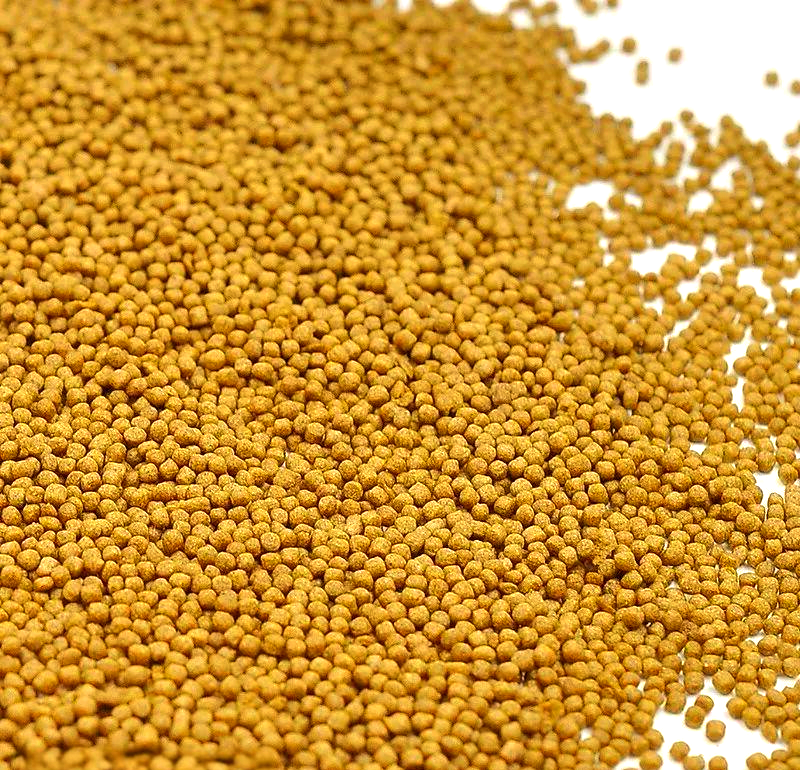
The process begins with formulating a nutritionally balanced diet using ingredients like fishmeal, soybean meal, cereals, vitamins, and minerals. Regardless of the final pellet size, these raw materials are first ground into a fine, uniform powder (meal). fish feed making machine The fineness of this initial grind is crucial as it affects the binding quality, water stability, and digestibility of the final pellet. A consistent, fine meal ensures a homogeneous mixture and facilitates the subsequent pelleting step.
2. Conditioning
The dry meal is then transferred to a conditioner. Here, it is mixed with steam and sometimes liquid binders (e.g., water, oil). Conditioning serves multiple purposes: it hydrates the starch, gelatinizes it (improving binding), kills potential pathogens, and makes the mass pliable for extrusion. The temperature, moisture content, and retention time in the conditioner are precisely controlled. Proper conditioning is essential for producing durable pellets of any size.
3. Pelleting/Extrusion: The Core Size-Determining Step
This is the stage where pellet size is primarily defined. Two main technologies are employed:
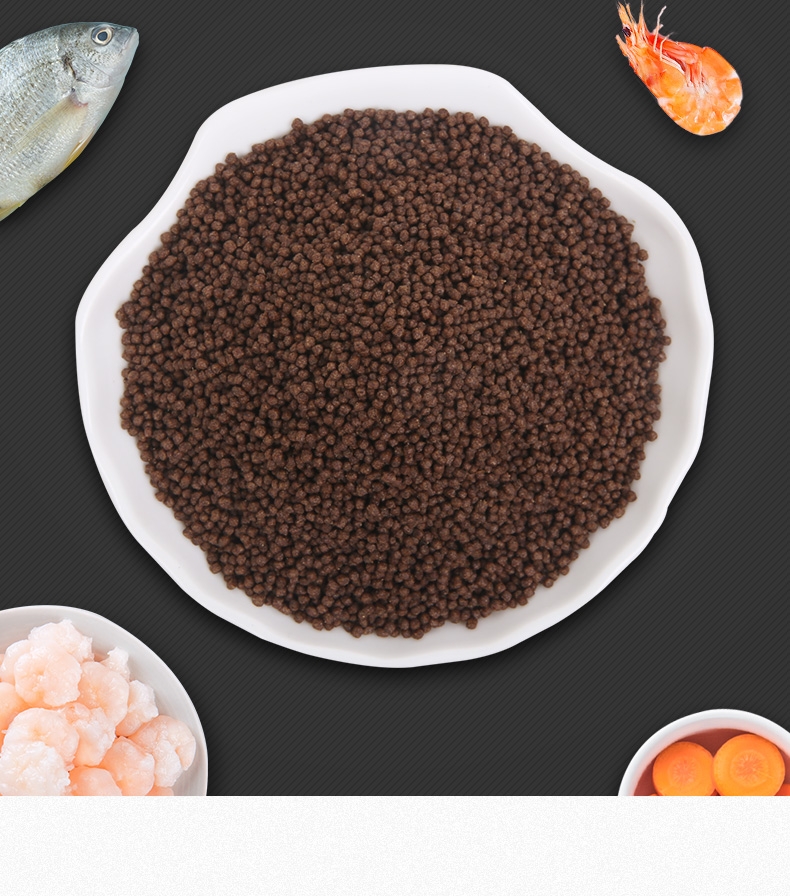
- Sinking Feed via Die Pelleting: For smaller, dense pellets (typically from 0.5mm to 3mm), a ring die pellet mill is often used. The conditioned mash is forced through a rotating metal die containing holes of a specific diameter. Knives on the outside cut the extruded strands to the desired length, which is usually proportional to the hole diameter. Changing the die allows for the production of different pellet sizes.
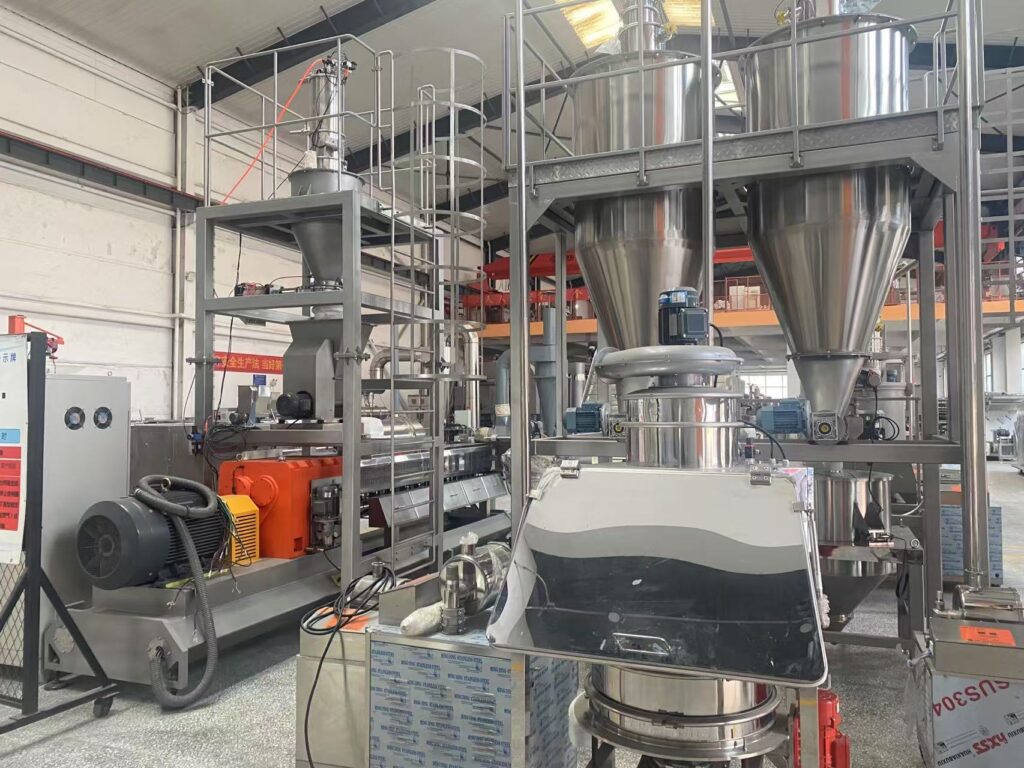
- Floating or Sinking Feed via Extrusion: For a wider range of sizes (from micro-pellets of 0.2mm to large pellets over 10mm), twin-screw extrusion cooking is the preferred and more versatile method. The conditioned mash is cooked under high pressure, temperature, fish feed making machine and shear force inside the extruder barrel. The final size and shape are determined by the die plate fitted at the end of the extruder. Dies have precisely drilled holes of the target diameter. The cutter assembly, with its adjustable speed, slices the expanding extrudate to the desired length. By simply changing the die plate and adjusting the cutter speed, manufacturers can produce a vast array of pellet sizes and shapes (cylinders, ovals, etc.). Extrusion also allows control over pellet density (sinking or floating).
4. Séchage
The freshly cut pellets are soft and moist. They are conveyed to a multi-pass dryer, where hot air circulates to reduce the moisture content to a safe level (typically below 10%). This step stabilizes the pellet, prevents mold growth, and ensures its structural integrity. Drying parameters are adjusted based on pellet size; smaller pellets dry faster than large, dense ones.
5. Cooling
After drying, pellets are hot and need to be cooled to near ambient temperature using ambient or slightly cooled air. This step prevents condensation and spoilage during storage. Proper cooling also finalizes the pellet’s hardness.
6. Coating (Post-Aplication)
For many high-energy feeds, a liquid coating (containing oils, fats, vitamins, or attractants) is applied via a vacuum coater or slurry coating drum. This step is done after drying and cooling because high heat would degrade the sensitive additives. The coating adheres to the surface, enriching the pellet’s nutritional profile without compromising its stability.
7. Screening and Packaging
The final product stream contains some fines (dust) and possibly broken pellets. Vibrating screens are used to separate these out, ensuring only uniform, whole pellets of the specified size are packaged. The removed fines are recycled back into the process. The finished, sized pellets are then weighed and packed in bags or bulk containers.
Key Considerations for Size Control:
- Die Selection: The die hole diameter in either a pellet mill or an extruder is the primary determinant of pellet diameter.
- Cutter Speed: In extrusion, a faster cutter speed produces shorter pellets; a slower speed yields longer ones.
- Recipe & Conditioning: The formulation’s starch and protein content, along with conditioning parameters, influence dough viscosity, which affects expansion and final pellet durability after sizing.
- Drying Profile: Larger pellets require longer or more careful drying to remove internal moisture without case-hardening the exterior.
In summary, producing fish feed in different pellet sizes is a sophisticated, integrated process. While formulation ensures nutrition, it is the interplay of grinding, fish feed making machine conditioning, extrusion/pelleting (with interchangeable dies and cutters), and careful post-processing that allows manufacturers to precisely tailor feed dimensions to the specific mouth gape and feeding behavior of larval fish, fry, fingerlings, or adult stock, thereby minimizing waste and maximizing growth in aquaculture operations.
 French
  English
  Russian
  Spanish
  Italian
  Arabic
  Portuguese
  German
  Japanese
  Moroccan Arabic
  Persian
  Belarusian