
Rice is the primary staple food for more than half of the global population, providing up to 70% of daily caloric intake for billions of people in Asia, Africa, and Latin America . However, polished white rice—the most commonly consumed form—is inherently low in essential micronutrients. When the nutrient-rich bran layer is removed during milling, vital vitamins and minerals are lost, leaving a product that supplies energy but lacks adequate iron, zinc, and other micronutrients . This has led to widespread “hidden hunger”—micronutrient deficiencies that affect over 3 billion people globally, causing health problems including stunting, anemia, and impaired immune function .
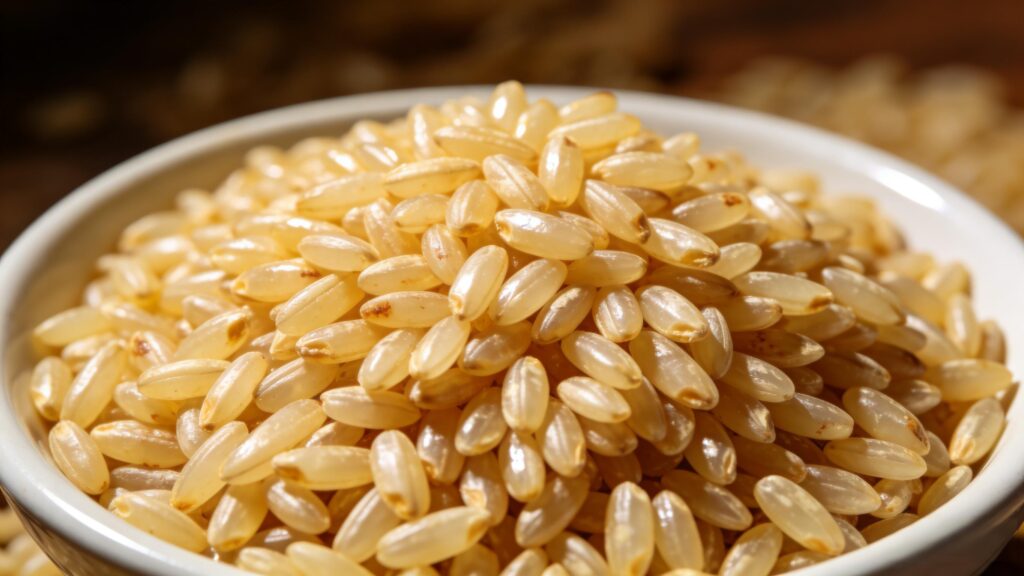
Fortified rice offers a simple, cost-effective solution: enriching this everyday staple with essential vitamins and minerals without changing its appearance, taste, or cooking properties .
What is Fortified Rice?
Fortified rice is regular rice that has been enhanced with added micronutrients. The World Health Organization (WHO) defines fortification as the intentional addition of essential vitamins and minerals to improve the nutritional quality of the food supply and provide public health benefits with minimal risk .
Common nutrients added to fortified rice include:
- Iron: To combat anemia and support cognitive development
- Zinc: Essential for immune function and growth
- Vitamin A: Critical for vision and immune health
- Folic acid and B-complex vitamins: Important for cell development and energy metabolism
How Fortified Rice is Made: The Extrusion Process
While several fortification methods exist—including coating, dusting, and parboiling—extrusion technology has emerged as the most effective and widely adopted approach . This is where twin-screw extrusion technology, discussed in our previous articles, plays a crucial role.
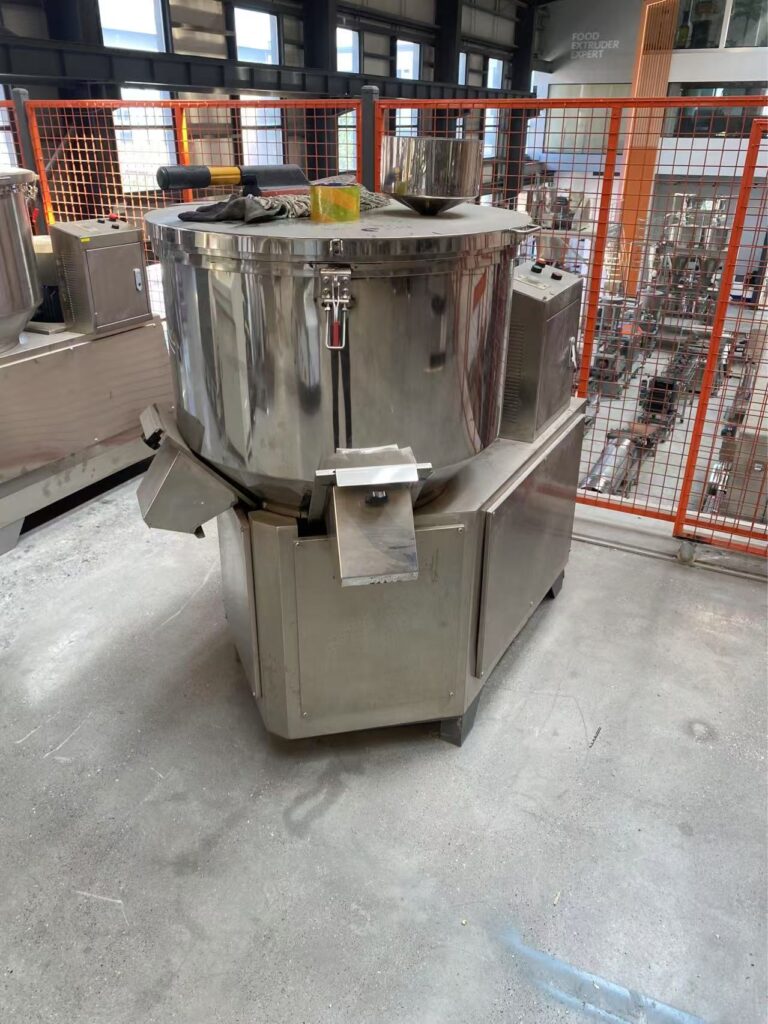
The extrusion process for fortified rice involves several steps:
1. Formulating the Premix: A vitamin-mineral premix is carefully formulated, containing specific amounts of micronutrients such as iron, zinc, folic acid, and vitamin A. This premix is blended with rice flour, typically made from broken rice—an underutilized by-product of rice milling . Using broken rice adds a sustainability dimension, creating value from what would otherwise be a low-value product .
2. Extrusion Cooking: The blended mixture is fed into a twin-screw extruder, where water is added to form a dough. Inside the barrel, the material is subjected to controlled heat (typically 70-110°C for hot extrusion) and mechanical shear . This cooks the starch and creates a homogeneous, plasticized mass. The extrusion process can be either “hot extrusion” (70-110°C), which produces partially pre-cooked kernels with sheen and transparency similar to natural rice, or “cold extrusion” (below 70°C), which creates opaque, uncooked kernels .
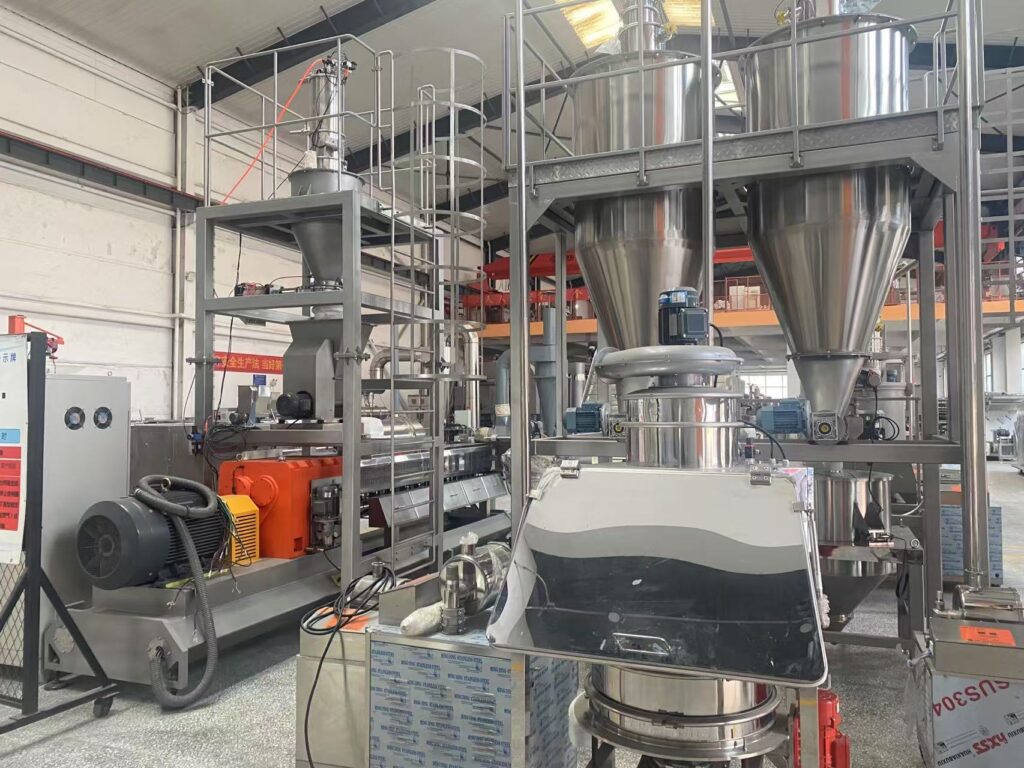
3. Shaping into Kernels: The cooked dough is forced through a die that shapes it into rice-like kernels. A rotating cutter chops the extruded strands into grains that closely mimic the size and shape of natural rice .
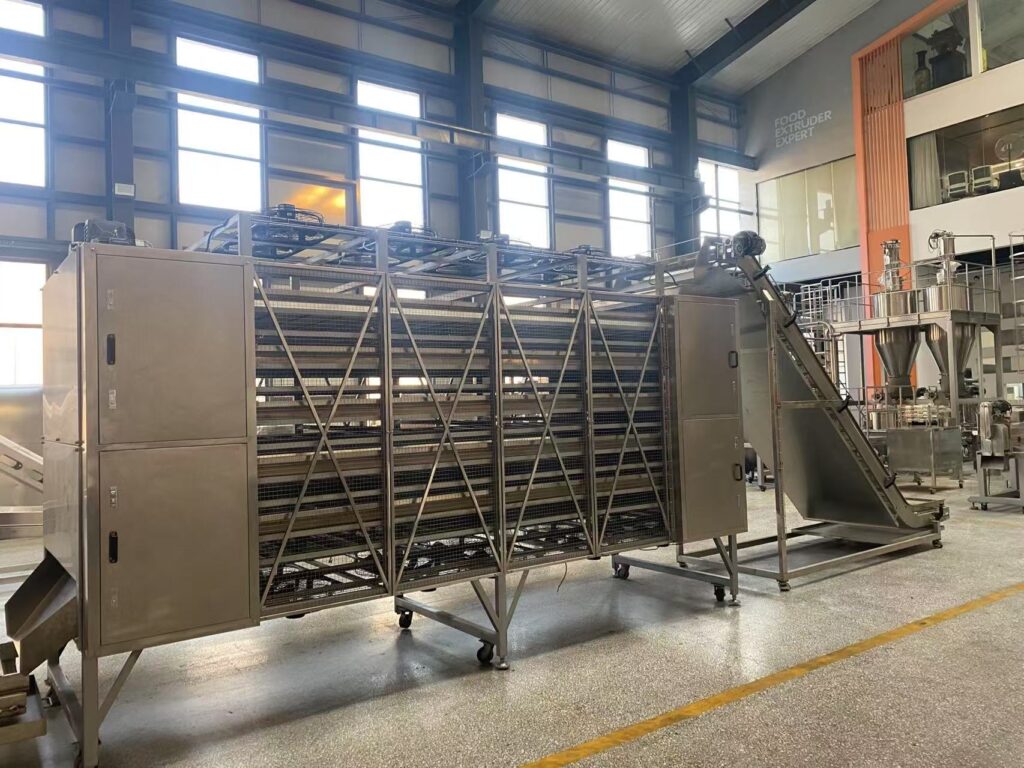
4. Drying and Polishing: The freshly extruded fortified rice kernels (FRKs) are dried to reduce moisture content, preventing spoilage and ensuring shelf stability. Some facilities include polishing steps to further enhance the visual similarity to conventional rice .
5. Blending: The final critical step involves blending the FRKs with regular polished rice, typically at a ratio of 1:50 to 1:200 (0.5% to 2% fortified kernels). This ensures that each serving of rice delivers the target nutrient levels while remaining visually and texturally indistinguishable from ordinary rice .
Nutritional and Public Health Impact
Fortified rice has demonstrated significant potential in addressing malnutrition:
Combating Micronutrient Deficiencies: A Cochrane systematic review informs WHO recommendations that fortifying rice with iron is effective for improving iron status in populations where rice is a staple food . Similarly, fortification with vitamin A and folic acid can improve vitamin A nutrition and folate status, respectively .
Retention of Nutrients: Advanced extrusion techniques show good nutrient retention. For example, supercritical fluid extrusion has demonstrated 55-58% retention of vitamin A and 64-76% retention of vitamin C in fortified puffed rice products . Importantly, extrusion processing can also increase resistant starch content—from 12.42% to 16.50% in one study—potentially offering benefits for glycemic control .
Sustainability and Value Addition: Using broken rice—a milling by-product—for FRK production adds economic value and reduces waste . This creates additional income streams for rice millers while producing a nutritionally enhanced product.
Fortified Rice in Public Health Programs
Governments and international organizations have increasingly adopted fortified rice as a public health intervention. India, for instance, has established pilot plants for FRK production to support large-scale public distribution programs, targeting vulnerable populations including children and pregnant women . The United States has also explored fortified rice in international food aid programs, with industry leaders describing it as a potential “game changer” for global feeding initiatives .
WHO recommends rice fortification as a public health strategy in settings where rice is a staple food, noting that it can reach vulnerable populations not currently covered by wheat or maize flour fortification programs .
Distinguishing Fortified Rice from Biofortified Rice
It is important to distinguish fortified rice from biofortified rice varieties:
- Fortified rice (the subject of this article) involves post-harvest processing—adding nutrients to milled rice through technologies like extrusion or coating .
- Biofortified rice involves breeding rice varieties with enhanced nutrient content, such as high-zinc rice developed through conventional breeding or Golden Rice engineered to produce beta-carotene .
Both approaches address micronutrient deficiencies but through different mechanisms. Fortified rice offers the advantage of being adaptable—different nutrient blends can be formulated based on specific population needs—and can be produced using existing rice supplies .
Conclusion
Fortified rice represents a marriage of food technology and public health nutrition. By leveraging extrusion technology to transform ordinary rice into a micronutrient-delivery vehicle, we can address widespread deficiencies without requiring changes in dietary habits. The resulting product looks like rice, cooks like rice, and tastes like rice—but nourishes like a much richer food.
As global efforts to combat hidden hunger intensify, fortified rice stands out as a scalable, cost-effective, and culturally acceptable intervention with the potential to improve the health of billions . If you are interested in the fortified rice machine , you can contact me , i will give you good advice and solutions .
1.Will you help us with the installation ?
Yes , We will send engineers to install and debug the equipment, and assist in training your staff.
2.Are you a factory or trading company?
We are a factory.
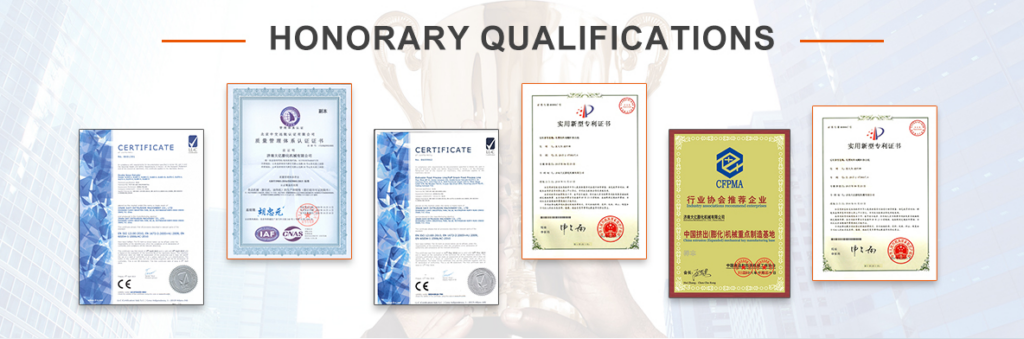
3.What certificate do you have?
We have ISO and CE certificate.
4.How long is the warranty period?
All of our machines have one year warranty.
5.What’s the main market of your company?
Our customers all over the world.
6.How much production capacity of your company one year?
This depends on your needs.
 English
  Russian
  Spanish
  Italian
  Arabic
  Portuguese
  German
  French
  Japanese
  Moroccan Arabic
  Persian
  Belarusian