
A food extruder, often referred to as a food expander or puffing machine, is the heart of any snack food production line. Whether you are making corn puffs, rice crisps, or texturized vegetable protein, this machine operates under extreme conditions—high pressure, high temperature, and continuous friction. Without a rigorous maintenance schedule, your extruder will suffer from reduced efficiency, frequent breakdowns, and compromised product quality. Proper maintenance is not just about fixing problems; it is about preventing them.
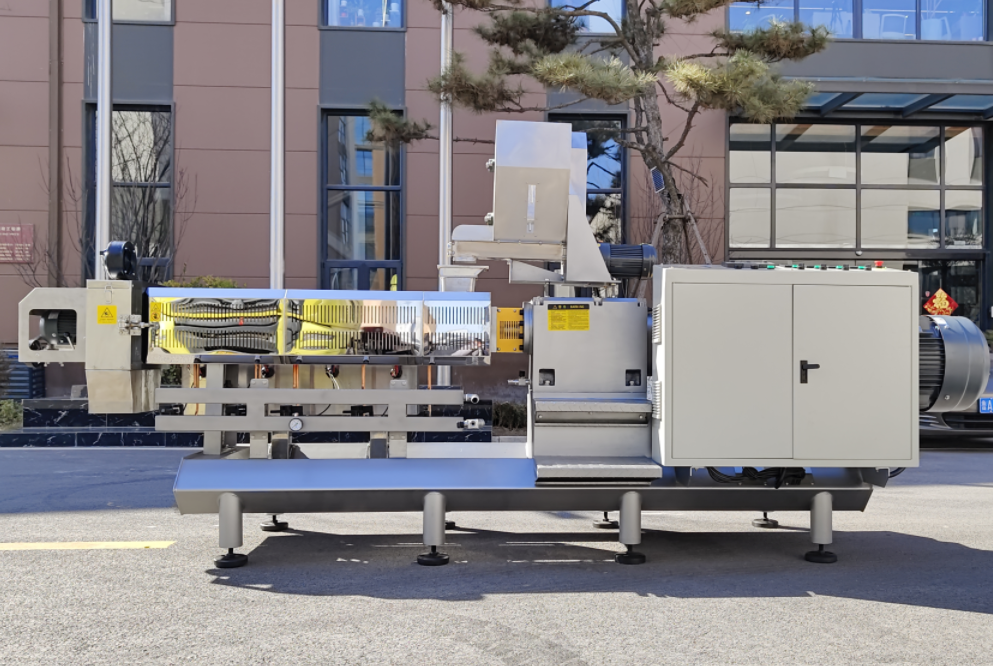
Here is a comprehensive guide on how to maintain your food extruder to ensure it runs smoothly for years to come.
1. Daily Maintenance: The First Line of Defense
The most critical maintenance happens every day at the start and end of each production shift.
A. Pre-Start Inspection
Before turning on the machine, conduct a visual check:
- Lubrication: Check the oil levels in the gearbox and bearings. Low oil is a primary cause of gearbox failure.
- Fasteners: Ensure all bolts, especially those on the barrel and die head, are tight. Vibration can loosen them over time, leading to dangerous leaks of hot material.
- Cooling System: Verify that water or cooling lines are open and flowing correctly. Overheating the barrel before start-up can damage the internal screws.
B. Post-Production Cleaning
Once production ends, the extruder must be cleaned immediately. Residual starch or protein left inside the barrel will harden as it cools, creating a cement-like substance that is extremely difficult to remove later.
- Purging: Run a clean, low-moisture ingredient (like cornmeal or rice flour) through the machine at a lower speed to push out the production material.
- Die Plate Removal: The die plate is the most critical component. Remove it while it is still warm. Soak it in a food-safe cleaning solution to dissolve hardened particles. Use a brass brush—never steel—to clean the holes, as steel can scratch the die, altering the shape of your product.
- Barrel Cleaning: If necessary, remove the screw and clean the barrel interior with a soft scraper and food-grade sanitizer.
2. Scheduled Lubrication: The Lifeblood of the Machine
An extruder relies heavily on rotating parts. A failure in lubrication is a failure of the machine.
- Gearbox Oil: The gearbox is the most expensive part of the extruder. Check the oil level daily. Change the oil completely after the first 500 hours of operation (the break-in period), and thereafter every 2,000 to 3,000 operating hours. Use the exact viscosity of oil recommended by the manufacturer; using the wrong oil can cause foaming and overheating.
- Bearings: Grease the main bearings every 500 hours. Use a high-temperature, food-grade grease to prevent contamination.
- Screw Shaft: The spline shaft connecting the screw to the gearbox must be greased regularly to prevent seizing. If this seizes, removing the screw becomes a destructive process.
3. Wear Parts Management: The Screw and Barrel
In a food extruder, the screw and the inner liner of the barrel are considered consumables. They wear down over time due to the abrasive nature of grains and starches.
- Monitoring Wear: Keep a log of production rates. If you notice a sudden drop in output or an increase in energy consumption (amps) to maintain the same feed rate, your screw and barrel are likely worn. The clearance between the screw flight and the barrel wall should be no more than 0.5mm to 1mm (depending on machine size). If the gap exceeds this, you must replace the components.
- Reversal: For twin-screw extruders, the screws are self-wiping. Do not reverse the rotation if the machine jams; this can cause the screw elements to collide and shatter. Always clear jams manually with the machine off.
- Hard Facing: When replacing screws, consider investing in screws with hard-facing (welded carbide) if you process highly abrasive ingredients like whole corn or rice hulls.
4. Die and Cutter Maintenance
The quality of your final product depends entirely on the condition of the die and the cutter.
- Die Face: Never strike the die with a metal hammer to remove it. Use a brass punch or a rubber mallet. The die face must remain perfectly flat. A warped die causes uneven product length and poor sealing against the cutter.
- Knife Blades: The cutting knives are the most frequently replaced part. Inspect the blades daily for nicks and dullness. A dull knife tears the product rather than cutting it, creating “tails” (long, thin pieces of dried dough) and fines. Replace or sharpen the blades as needed. Ensure the knife hub is perfectly centered to prevent vibration.
5. Electrical and Control Systems
Modern extruders rely on PLCs (Programmable Logic Controllers), variable frequency drives, and sensors.
- Temperature Sensors (Thermocouples): Calibrate thermocouples every six months. If the sensor reads inaccurately, it will either burn the product (too hot) or create a hard blockage (too cold).
- Electrical Cabinets: Keep electrical cabinets sealed and pressurized (if equipped) to prevent dust ingress. Snack food dust is conductive and highly flammable. Use compressed air to clean the filters and fans weekly to prevent overheating of the drives.
6. Preventive Maintenance Schedule
To simplify, follow this structured timeline:
| Frequency | Task |
|---|---|
| Daily | Check oil levels; purge barrel after use; clean die and knives; inspect bolts. |
| Weekly | Check gearbox oil for water contamination (milky appearance); clean electrical cabinet filters; inspect belts for tension. |
| Monthly | Lubricate bearings; check screw-to-barrel clearance; inspect safety interlocks. |
| Quarterly | Take oil sample for laboratory analysis (checks for metal particles); calibrate temperature sensors. |
| Annually | Full gearbox oil change; replace worn screw elements; inspect and replace seals (shaft seals). |
7. Safety First
Never compromise on safety during maintenance.
- Lockout/Tagout (LOTO): Always disconnect power before inserting hands into the machine or removing the die. A sudden start-up can result in catastrophic injury.
- Hot Surfaces: The barrel can exceed 150°C (300°F). Allow the machine to cool before performing maintenance, or wear heat-resistant gloves.
Conclusion
Maintaining a food extruder is a systematic process that blends daily hygiene with mechanical precision. By adhering to a strict lubrication schedule, monitoring wear parts like screws and barrels, and keeping the die and cutters in optimal condition, you can maximize uptime, ensure product consistency, and significantly extend the lifespan of your equipment. Remember, in extrusion, an ounce of prevention is worth a pound of cure—and significantly more profitable than unplanned downtime. If you are interested in the snack food extruder machine , you can contact me , i will give you good advice and solutions .
1.Will you help us with the installation ?
Yes , We will send engineers to install and debug the equipment, and assist in training your staff.
2.Are you a factory or trading company?
We are a factory.
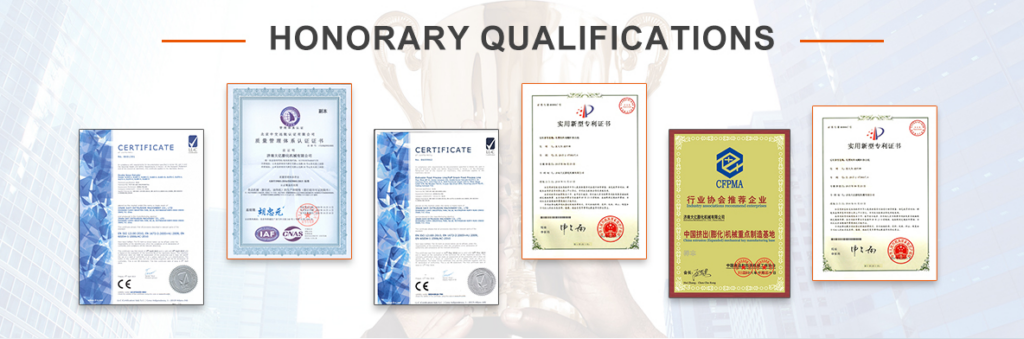
3.What certificate do you have?
We have ISO and CE certificate.
4.How long is the warranty period?
All of our machines have one year warranty.
5.What’s the main market of your company?
Our customers all over the world.
6.How much production capacity of your company one year?
This depends on your needs.
 Persian
  English
  Russian
  Spanish
  Italian
  Arabic
  Portuguese
  German
  French
  Japanese
  Moroccan Arabic
  Belarusian