
Processing Technology of Fortified Rice
Fortified rice is a processed food product designed to address micronutrient deficiencies by adding essential vitamins and minerals to rice. fortified rice machine market It is widely used in public nutrition programs, food aid, and commercial markets, especially in regions where rice is a dietary staple. Unlike naturally nutrient-rich whole grains, fortified rice relies on industrial processing technologies to restore or enhance nutritional value lost during milling.
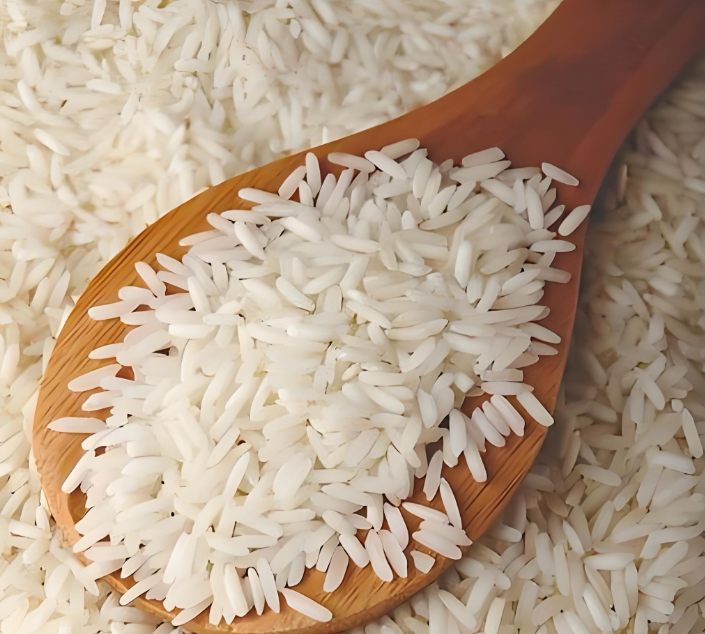
What Is Fortified Rice?
Fortified rice consists of regular milled rice blended with specially manufactured fortified rice kernels (FRK). These kernels are formulated to contain precise amounts of micronutrients such as:
- Iron
- Zinc
- Folic acid
- Vitamin B₁ (thiamine)
- Vitamin B₁₂
- Vitamin A
The final product looks and cooks like ordinary rice, making it easy to integrate into daily diets without changing consumer habits.
Step 1: Preparation of Rice Flour Base
The process begins with rice flour, typically produced from broken rice generated during milling. This improves raw material utilization and reduces waste. fortified rice machine market The flour is finely milled and sieved to achieve uniform particle size, which is critical for consistent nutrient distribution.
At this stage, the rice flour serves as a neutral carrier rather than a complete food, as most natural nutrients have already been removed during polishing.
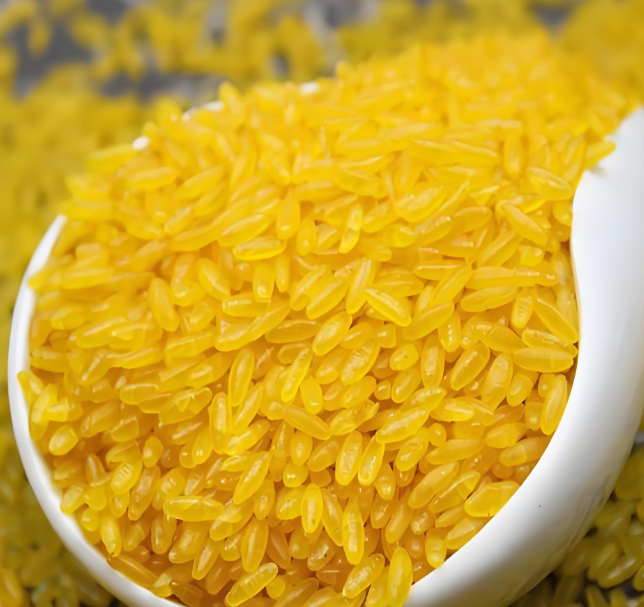
Step 2: Micronutrient Premix Formulation
A micronutrient premix is prepared according to nutritional targets and regulatory standards. The premix is carefully designed to ensure:
- Accurate dosage per serving
- Stability during storage and cooking
- Minimal impact on taste, color, and aroma
Encapsulation technologies are often used to protect sensitive vitamins from heat, moisture, and oxidation.
Step 3: Kernel Production by Extrusion or Shaping
The fortified rice flour and micronutrient premix are blended with water to form a dough, which is then shaped into rice-like kernels using one of two main methods:
1. Hot Extrusion
The dough is processed under high temperature and pressure. This method improves kernel strength and nutrient binding but may increase vitamin loss if not precisely controlled.
2. Cold Extrusion or Compression
Lower temperatures are used to preserve heat-sensitive nutrients. Binding agents may be added to maintain kernel integrity.
The resulting fortified kernels closely resemble natural rice in size and shape but are structurally engineered.
Step 4: Drying and Stabilization
Freshly formed kernels are dried under controlled conditions to reduce moisture content and enhance shelf life. This step is crucial to prevent microbial growth and nutrient degradation during storage and transportation.
Proper drying also ensures that fortified kernels behave similarly to regular rice during washing and cooking.
Step 5: Blending with Regular Rice
Fortified kernels are blended with conventional milled rice at a predefined ratio, commonly 1:50 or 1:100. This dilution ensures that each serving delivers the intended nutrient levels without altering consumer experience.
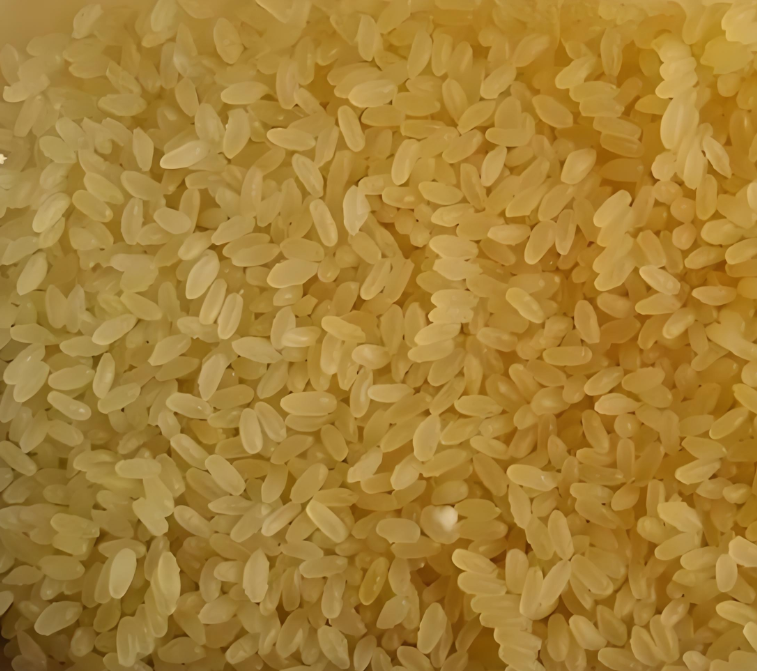
Advanced blending equipment is used to achieve uniform distribution and prevent segregation during handling.
Nutritional and Functional Considerations
While fortified rice effectively improves micronutrient intake, it remains a nutrient delivery system rather than a whole food. Key considerations include:
- Dependence on industrial additives and processing aids
- Limited contribution of dietary fiber
- Nutrient stability affected by washing and cooking practices
Nevertheless, fortified rice plays a significant role in addressing public health challenges such as anemia and vitamin deficiencies.
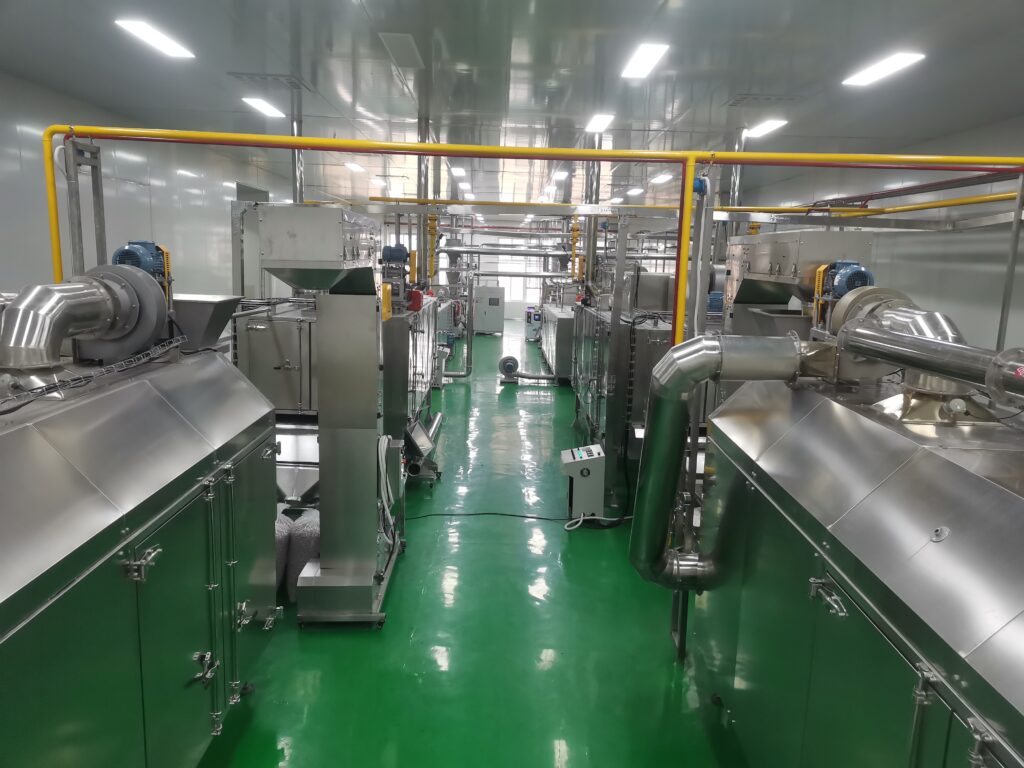
The processing technology of fortified rice represents a balance between nutrition science and industrial food engineering. By transforming refined rice flour into nutrient-enriched kernels and blending them seamlessly into regular rice, manufacturers create a product that is practical, scalable, and nutritionally impactful.
Understanding this process helps consumers, policymakers, and food professionals better evaluate fortified rice—not as traditional rice, but as a carefully designed nutritional intervention.
 Persian
  English
  Russian
  Spanish
  Italian
  Arabic
  Portuguese
  German
  French
  Japanese
  Moroccan Arabic
  Belarusian