
The processing of fish feed is a critical stage where formulation meets functionality. Even with the best raw materials, poor processing can lead to nutrient loss, poor digestibility, physical failure, and ultimately, negative impacts on fish health and water quality. Here are the essential considerations to ensure high-quality fish feed production.
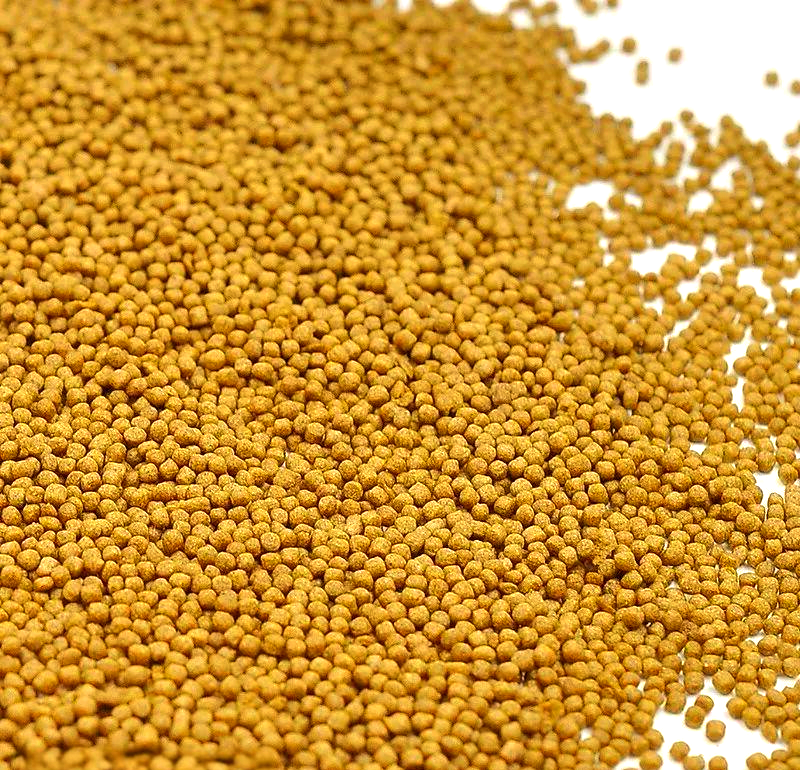
1. Grinding and Particle Size Reduction
- Consideration: Achieving a uniform, fine particle size is crucial for the next stages.
- Why it Matters: Inconsistent particle size affects mixing homogeneity, pellet stability, and digestibility. For extruded feeds, finer particles improve starch gelatinization.
- Best Practice: Use efficient hammer mills or fine grinders with appropriate screen sizes. Monitor particle size distribution regularly.
2. Mixing and Homogeneity
- Consideration: Ensuring a completely uniform blend of all macro and micro-ingredients.
- Why it Matters: Inhomogeneous mixing leads to nutrient “hotspots” and deficiencies in the final pellets, causing uneven growth and health issues in fish populations.
- Best Practice: Employ high-shear, double-ribbon mixers. Follow a precise mixing sequence (add major ingredients first, then micro-premixes with a carrier). Validate mixing time and efficiency through tracer tests.
3. Conditioning: The Pre-Cooking Stage
- Consideration: Optimal steam injection into the mash to achieve the right temperature, moisture, and cooking level.
- Why it Matters: Proper conditioning plasticizes the dough, begins starch gelatinization, and improves binding. Insufficient conditioning leads to poor pellet durability; excessive steam can destroy heat-sensitive nutrients prematurely.
- Best Practice: Precisely control steam quality (dry, saturated steam), temperature (typically 80-95°C), and retention time in the conditioner. Target moisture content of 25-35% before extrusion.
4. Extrusion Processing Parameters
This is the heart of modern aquafeed production and requires meticulous control of multiple variables:
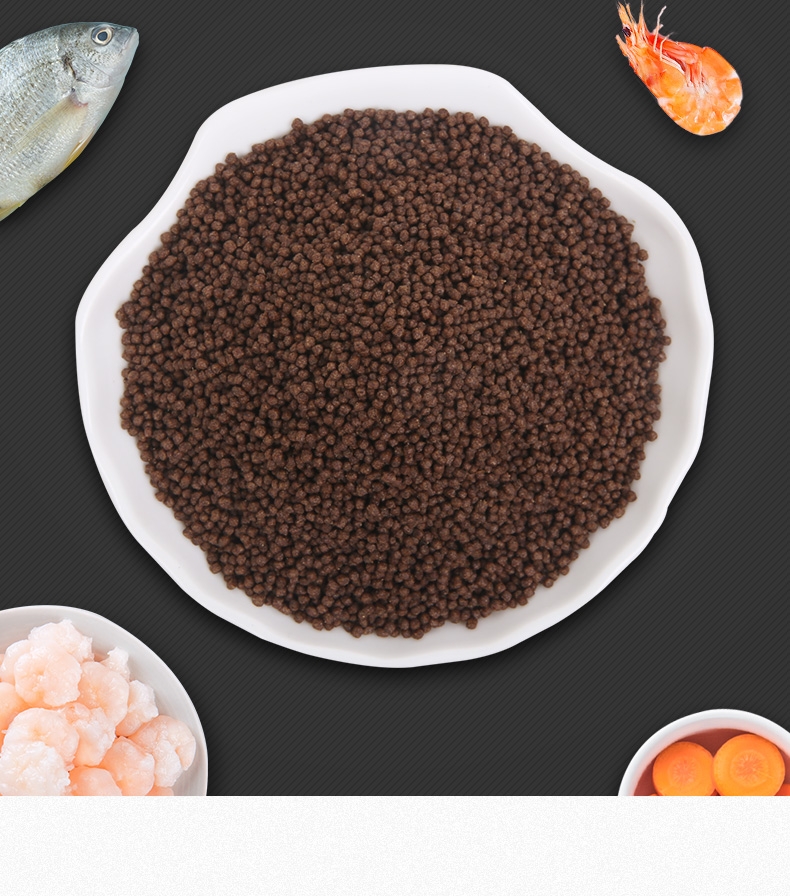
- Temperature & Pressure: High temperature (120-150°C) and pressure cook the dough, destroy pathogens and anti-nutritional factors, and gelatinize starch. Caution: Excessive heat can damage proteins (Maillard reaction) and destroy vitamins/amino acids like lysine.
- Moisture: Tightly linked with temperature. Adjusting moisture affects product density.
- Screw Speed & Configuration: The design and speed of the extruder screw(s) influence shear force, cooking intensity, and residence time.
- Die Selection: The die hole size and shape determine pellet diameter and physical form.
- Control of Density: The balance between temperature, moisture, screw speed, and die pressure dictates whether the pellet will float, sink slowly, or sink rapidly—a critical functional property for different fish species.
5. Drying and Cooling
- Consideration: Reducing moisture to a safe level (below 10%) without causing nutrient degradation or creating cracks.
- Why it Matters: Improper drying leads to mold growth and short shelf life. Rapid or uneven drying causes stress cracks, increasing “fines” (dust). Inadequate cooling before packaging can lead to condensation and spoilage.
- Best Practice: Use multi-stage, temperature-controlled dryers (e.g., belt dryers) with gradual reduction in heat. Follow with efficient cooling to near ambient temperature. Monitor moisture content at the dryer’s inlet, middle, and outlet.
6. Post-Processing: Liquid Coating (Vacuum or Spray)
- Consideration: The application of heat-sensitive additives (vitamins, enzymes, probiotics, oils) after drying.
- Why it Matters: The high heat of extrusion destroys many essential micronutrients and beneficial additives. Post-processing coating is the only way to guarantee their activity in the final feed.
- Best Practice: Use accurate vacuum coating or fat spray systems. Ensure even distribution and proper adhesion of liquids. For oil coating, use stabilized oils to prevent rancidity.
7. Physical Quality Control During Processing
Constant in-line checks are essential:
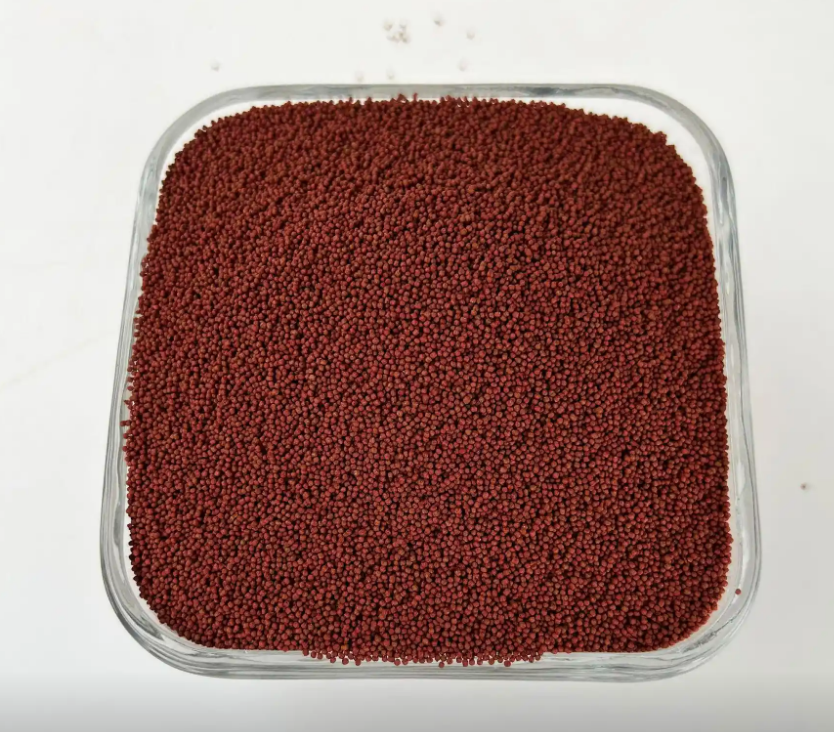
- Pellet Durability Index (PDI): Measures the pellet’s resistance to breakage during handling and transportation. Low PDI means more fines, wasted feed, and poor water quality.
- Water Stability: For species that eat slowly, pellets must remain intact in water without rapid disintegration or leaching nutrients.
- Fines Generation: Minimizing dust is crucial for feed efficiency and water quality.
- Uniformity: Check for consistent size, shape, and color, indicating stable process control.
8. Sanitation and Cross-Contamination
- Consideration: Maintaining a clean processing line and preventing carryover between different feed batches.
- Why it Matters: Residual feed can harbor pathogens or cause allergen cross-contamination (e.g., feeds for different species with different medicaments).
- Best Practice: Implement a strict cleaning schedule, including mechanical cleaning and, where necessary, flushing. Design equipment with easy-clean features.
Conclusion
Successful fish feed processing is a balancing act between applying sufficient heat and mechanical energy to achieve desired physical properties and nutrient digestibility, while avoiding excessive damage to heat-sensitive components. Attention to every detail—from particle size to post-coating—is non-negotiable. Consistent monitoring of process parameters and rigorous physical testing at each stage are the keys to producing a high-quality, durable, nutritious, and safe final product that delivers optimal results in the aquaculture environment.
 Persian
  English
  Russian
  Spanish
  Italian
  Arabic
  Portuguese
  German
  French
  Japanese
  Moroccan Arabic
  Belarusian