
1. Introduction
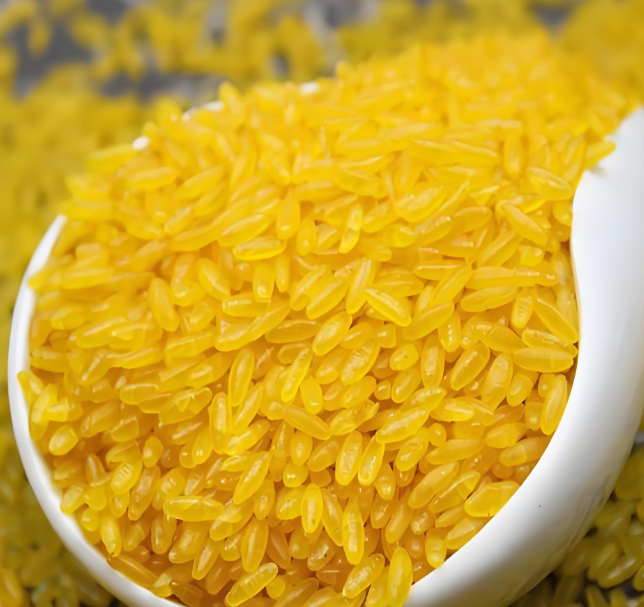
Rice is a staple food for more than half of the world’s population. fortified rice making machine As consumer expectations rise—demanding better taste, safer products, longer shelf life, and improved nutrition—rice processing must evolve beyond basic milling. “Enhanced rice processing” refers to upgrading the full chain of post-harvest operations through improved equipment, tighter quality control, smarter process design, and value-added technologies such as parboiling, fortification, and precision polishing. This article outlines key steps in modern rice processing and practical approaches to strengthen the process for quality, efficiency, and sustainability.
2. Raw Material Control and Post-Harvest Handling
High-quality processing begins with high-quality paddy.
Key practices
- Variety selection and segregation: Keep varieties separate to ensure consistent cooking quality and milling behavior.
- Harvest timing: Harvest at proper maturity to reduce chalkiness and fissuring.
- Moisture management: Maintain paddy moisture in a safe range (commonly around 12–14% for storage, depending on local conditions) to minimize mold growth and grain cracking.
- Clean storage: Use aeration, pest control, and sanitation to prevent contamination and quality loss.
Strengthening this stage reduces downstream breakage and improves head rice yield, which directly affects profitability.
3. Cleaning and Pre-Processing Upgrades
Before milling, paddy should be cleaned thoroughly to protect equipment and ensure food safety.
Enhanced cleaning line may include
- Pre-cleaners and scalpers to remove straw, stones, and large impurities
- Destoners to remove mineral particles that can damage rollers and whitening chambers
- Magnetic separators to capture metal fragments
- Aspiration systems to remove dust and light impurities
A robust cleaning system improves product safety, reduces wear on machines, and stabilizes milling performance.
4. Dehusking (Hulling): Maximizing Efficiency with Minimal Breakage
Dehusking removes the husk and produces brown rice. Modern plants often use rubber roll hullers due to high efficiency and gentle handling.
Process strengthening measures
- Optimize roll pressure and differential speed to minimize broken kernels.
- Maintain consistent paddy feed using vibratory feeders and sensors.
- Install husks aspiration and separation to prevent recirculation issues.
- Use paddy separators to efficiently separate unhusked grains for re-hulling.
Proper dehusking reduces energy waste and limits mechanical stress that causes fissures.
5. Whitening and Polishing: Precision Control for Appearance and Quality
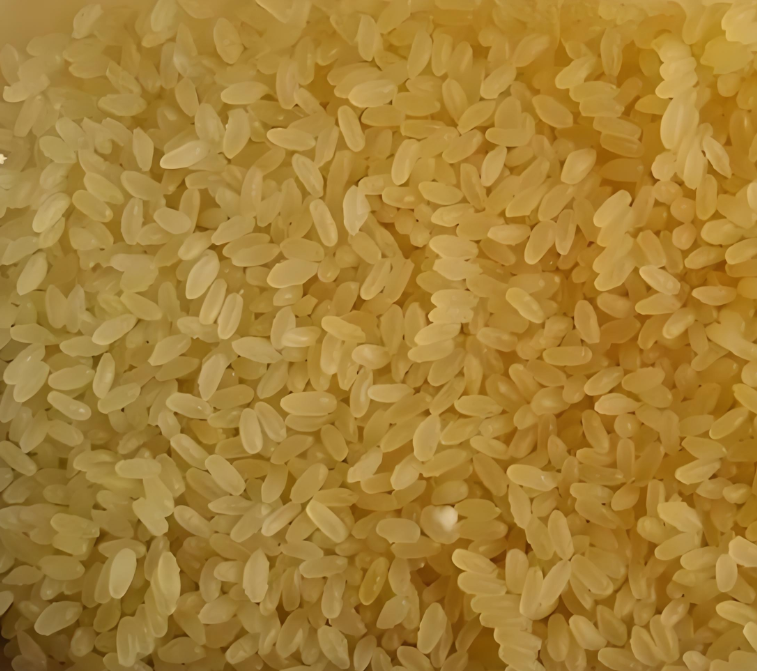
Whitening removes bran layers; polishing improves surface luster and cleanliness.
Modern improvements
- Use multi-stage whitening with controlled pressure rather than aggressive single-pass milling.
- Employ water mist or silky polishers to reduce surface scratches and enhance appearance (with hygiene controls).
- Monitor whiteness using inline color/whiteness meters to avoid over-milling.
Why this matters
Over-milling reduces yield and strips nutrients. Precision polishing balances appearance, cooking quality, and nutritional value.
6. Grading, Sorting, and Quality Assurance
After milling, rice is graded and sorted to meet market standards.
Enhanced sorting technologies
- Length graders to separate head rice from brokens
- Optical color sorters to remove discolored grains, foreign seeds, and defects
- Metal detectors and checkweighers to improve safety and compliance
Quality metrics to monitor
- Head rice yield, broken ratio
- Whiteness and transparency
- Moisture content and kernel integrity
- Contaminant levels and foreign matter
A strong QA program ensures consistency and reduces customer complaints.
7. Parboiling and Fortification: Value Addition Through Process Innovation
To increase nutritional retention and improve milling performance, fortified rice making machine some producers adopt parboiling, which involves soaking, steaming, and drying paddy before milling.
Benefits
- Higher resistance to breakage
- Better retention of vitamins and minerals
- Improved shelf stability in some contexts
Fortification (adding micronutrients such as iron, folic acid, and vitamins) can address public health needs. Typical approaches include:
- Dusting, coating, or extrusion-based fortified kernels blended with regular rice
Fortification requires strict dosage control, mixing uniformity, and regulatory compliance.
8. Drying and Tempering: The Hidden Driver of Milling Yield
Drying is one of the most critical factors affecting cracking and breakage.
Process strengthening
- Use staged drying with tempering intervals to equalize moisture gradients inside kernels.
- Avoid overly high drying temperatures that create fissures.
- Apply moisture sensors and feedback control to maintain target moisture.
Well-controlled drying significantly improves head rice yield and reduces powder formation.
9. Packaging, Storage, and Shelf-Life Protection
Even perfectly milled rice can degrade if packaging and storage are weak.
Recommended enhancements
- Use packaging with good barrier properties against moisture and oxygen.
- Consider modified atmosphere packaging where feasible to reduce insect activity and oxidation.
- Maintain dry, clean warehouses with temperature and humidity monitoring.
- Implement FIFO/FEFO inventory practices.
These measures protect aroma, reduce rancidity risk (especially in brown rice), and prevent infestation.
10. Sustainability and Digitalization in Rice Mills
Modern rice processing increasingly emphasizes efficiency and environmental performance.
Opportunities
- Use husk and bran as by-products for bioenergy, feed, or industrial materials.
- Reduce energy consumption via optimized pneumatic conveying, efficient motors, and heat recovery.
- Apply digital tools (IoT sensors, MES/SCADA) for real-time monitoring of moisture, yield, downtime, and quality.
Data-driven operations reduce losses, stabilize output, and improve traceability.
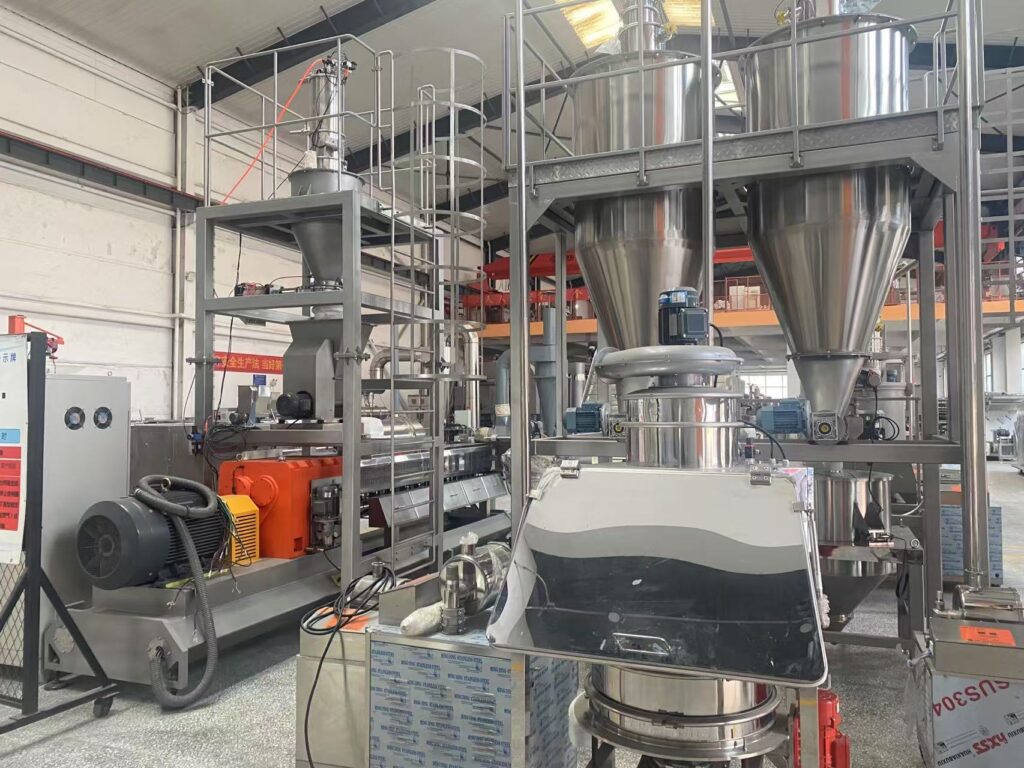
Fortified rice processing technology is not a single upgrade but a system-level improvement—from raw material control and gentle dehusking to precision whitening, fortified rice making machine advanced sorting, and robust packaging. By integrating better process control, modern equipment, and value-added innovations such as parboiling and fortification, rice mills can increase head rice yield, strengthen food safety, improve product consistency, and deliver higher-value products to diverse markets. Ultimately, a strengthened rice processing chain supports both profitability and sustainable food supply.
 Persian
  English
  Russian
  Spanish
  Italian
  Arabic
  Portuguese
  German
  French
  Japanese
  Moroccan Arabic
  Belarusian