
Introduction
The drying and toasting stage is arguably the most transformative phase in corn flake manufacturing. While often simplified as “toasting” on cereal boxes, this high-heat process is a precisely engineered thermal operation that determines the final product’s texture, stability, flavor, and shelf life. This stage converts soft, malleable flakes into the crisp, golden, and stable breakfast cereal consumers expect.
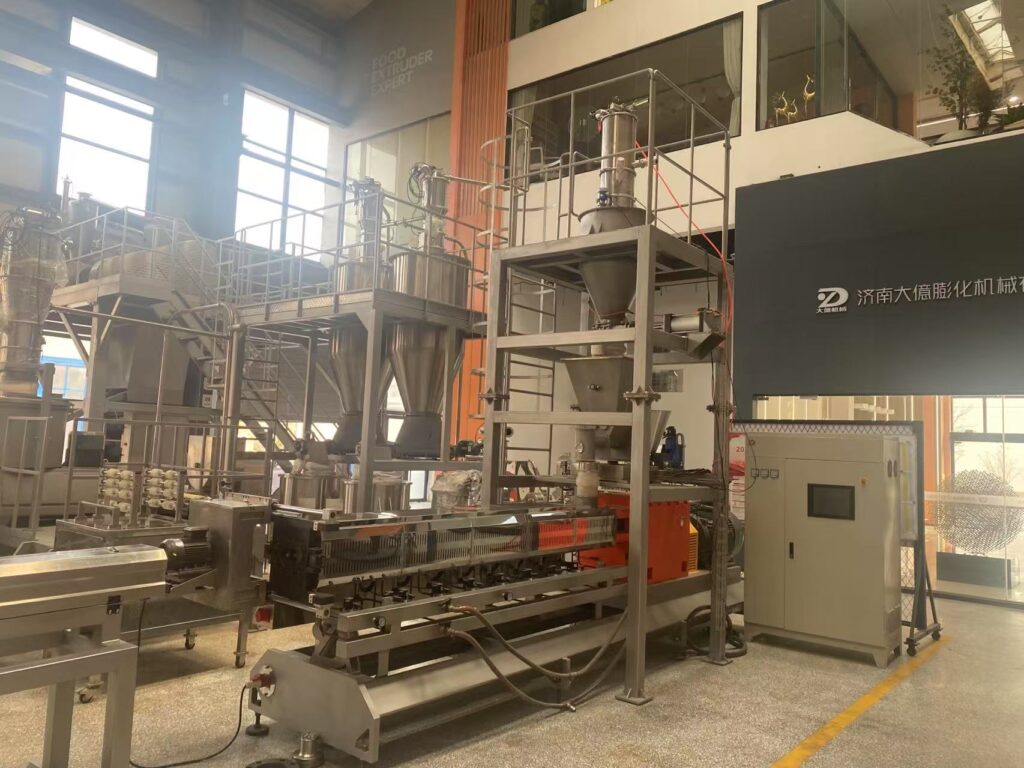
The Core Objectives of Drying/Toasting
This single-stage process serves multiple critical functions:
- Moisture Reduction: Lowers moisture content from ~20-30% post-flaking to ~1-3% for crispness and microbial stability.
- Texture Creation: Develops the rigid, glassy structure responsible for the characteristic “crunch.”
- Color Development: Initiates Maillard browning reactions and caramelization for golden color and complex flavor.
- Flavor Formation: Generates the signature “toasted” flavor compounds through pyrolysis and chemical reactions.
- Enzyme Deactivation: Ensures product stability by deactivating any residual enzymes.
- Structure Setting: Permanently sets the flake’s physical shape and prevents deformation.
Industrial Drying Systems: Design and Operation
Modern cereal plants utilize one of two primary dryer designs, both operating as continuous conveyors through precisely controlled thermal zones.
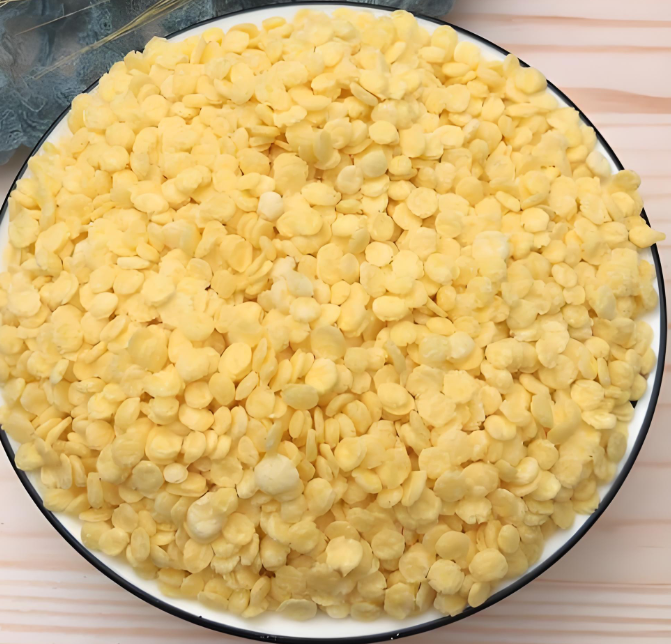
1. Multi-Pass Conveyor Dryers (Most Common)
- Design: Flakes travel on a series of stacked, perforated conveyor belts through an insulated oven chamber.
- Airflow: High-velocity hot air (250-350°F / 120-175°C) is forced vertically through the product bed—first upward, then downward in alternating passes to ensure even drying.
- Zoning: Typically divided into 3-5 independent control zones:
- Zone 1 (High Heat): Rapid surface moisture removal (300-350°F / 150-175°C)
- Zone 2 (Moderate Heat): Core moisture migration and evaporation (275-300°F / 135-150°C)
- Zone 3 (Finishing): Final moisture equilibration and color development (250-275°F / 120-135°C)
- Residence Time: Total drying time ranges from 3 to 8 minutes, depending on flake thickness and initial moisture.
2. Fluidized Bed Dryers (For Enhanced Uniformity)
- Design: Hot air is blown upward through a perforated plate at velocities sufficient to suspend flakes in a “fluidized” state.
- Advantage: Exceptional heat transfer and uniformity, preventing uneven spots.
- Application: More common for premium or specialty flakes where consistency is paramount.
The Science of Thermal Transformation
Phase 1: Constant-Rate Drying (First 60-70% of process)
- Surface moisture evaporates freely.
- Flake temperature remains near the wet-bulb temperature of the drying air.
- Minimal structural changes occur.
Phase 2: Falling-Rate Drying (Critical final stage)
- Moisture must migrate from the flake’s interior to the surface.
- Flake temperature rises toward the dry-bulb air temperature.
- Key physical transformation: The starch-protein matrix undergoes glass transition, transforming from rubbery to glassy state.
- This transition “locks in” the flake’s structure, creating permanent crispness.
Chemical Reactions Driving Quality
- Maillard Reaction:
- Occurs between reducing sugars (from added malt/syrup) and amino acids (from corn proteins)
- Peaks at 280-330°F (140-165°C)
- Produces golden-brown pigments and hundreds of flavor compounds (pyrazines, furans)
- Caramelization:
- Direct thermal decomposition of sugars at temperatures above 320°F (160°C)
- Contributes to both color and buttery, sweet flavor notes
- Starch Dextrinization:
- Partial breakdown of starch molecules at the flake surface
- Creates a thin, glossy coating that enhances milk resistance
Precision Control Parameters
Modern dryers are controlled via sophisticated PLC systems monitoring:
- Temperature Profile: Zone temperatures must be carefully sequenced to prevent case-hardening (rapid surface drying that traps interior moisture).
- Air Velocity: Typically 500-1000 feet/minute (2.5-5 m/s) to ensure efficient heat transfer without blowing flakes.
- Relative Humidity Control: Exhaust air RH is monitored; too low wastes energy, too high slows drying.
- Residence Time: Precisely controlled by conveyor speed to ±2 seconds.
- Product Bed Depth: Typically maintained at 1-3 inches (2.5-7.5 cm) for optimal airflow.
Quality Indicators and Process Validation
Operators continuously monitor:
- Moisture Content: Measured via near-infrared (NIR) sensors or periodic laboratory tests (e.g., loss-on-drying).
- Color Development: Compared against standardized color charts or measured by colorimeters (Lab* values).
- Bowl Life (Milk Resistance): Tested by submerging flakes in milk and measuring time to sogginess.
- Water Activity (Aw): Maintained below 0.3 to prevent microbial growth and ensure crispness.
Energy and Efficiency Considerations
- Thermal Efficiency: Modern dryers recover 20-40% of waste heat via heat exchangers.
- Alternative Heating: Some facilities use indirect steam heating or infrared elements for specific zones.
- Emissions Control: Volatile organic compounds (VOCs) from browning reactions are captured via thermal oxidizers or scrubbers.
Innovations and Future Trends
- Impinging Jet Technology: High-velocity air jets directed perpendicular to the product bed for faster drying.
- Radio Frequency (RF) Assisted Drying: RF energy targets remaining moisture pockets for exceptional uniformity.
- Real-Time Moisture Mapping: Advanced sensors create 3D moisture profiles of each flake.
- Adaptive Control Systems: AI algorithms adjust parameters in real-time based on raw material variations.
Conclusion
The drying and toasting process is where corn flakes truly become breakfast cereal. Far from simple dehydration, it’s a carefully choreographed balance of heat, mass transfer, and chemical transformation. The precise control of time, temperature, and airflow in this stage directly determines whether flakes emerge as crisp, golden, and flavorful successes or as pale, brittle, or soggy failures. This hidden thermal engineering, invisible to consumers, is ultimately responsible for the satisfying crunch in every bowl.
 Persian
  English
  Russian
  Spanish
  Italian
  Arabic
  Portuguese
  German
  French
  Japanese
  Moroccan Arabic
  Belarusian