
Walk down any pet-food aisle and you’ll see the same promises repeated in different fonts: premium, natural, human‑grade, gently cooked, ancestral. dog food making machine The packaging shows bright vegetables, glossy cuts of meat, and happy dogs sprinting through fields.
What you don’t see is the industrial reality of how most dry and many wet dog foods are manufactured—what gets used, how it’s transformed, and why the final product can look nothing like the ingredients pictured on the front.
This article doesn’t accuse any specific brand of wrongdoing. It simply lays out common, legal, widely used processing steps in the pet-food industry—and the questions consumers should be asking.
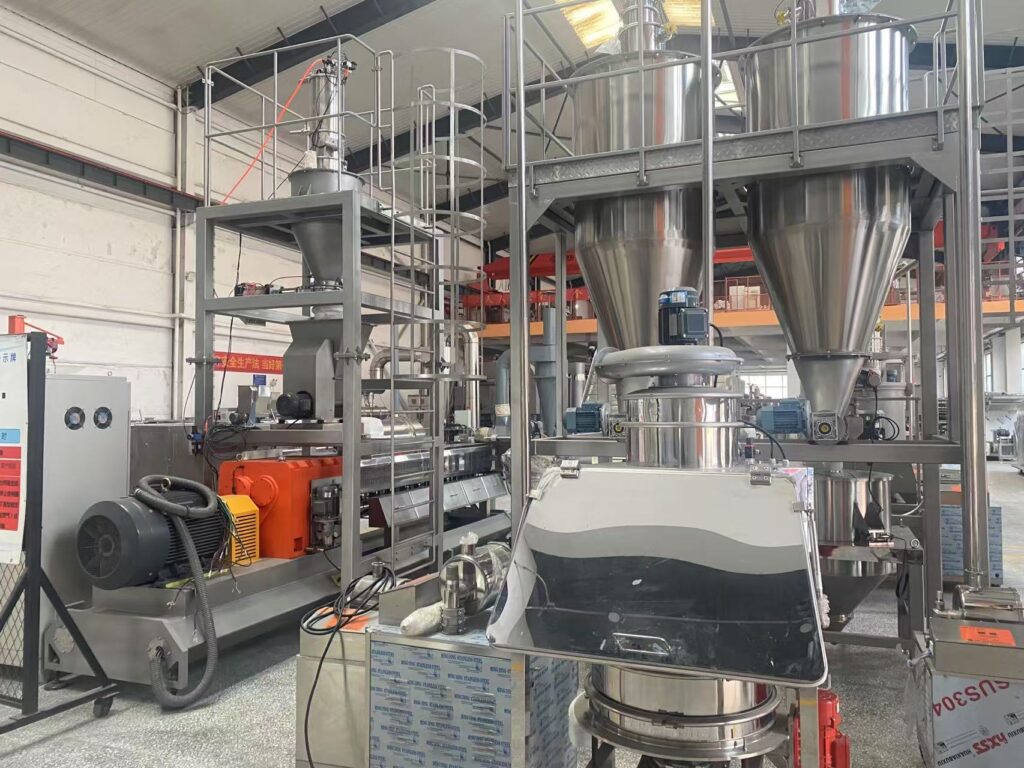
1) The two main factories behind most dog food
Dry kibble: an engineering product (extrusion)
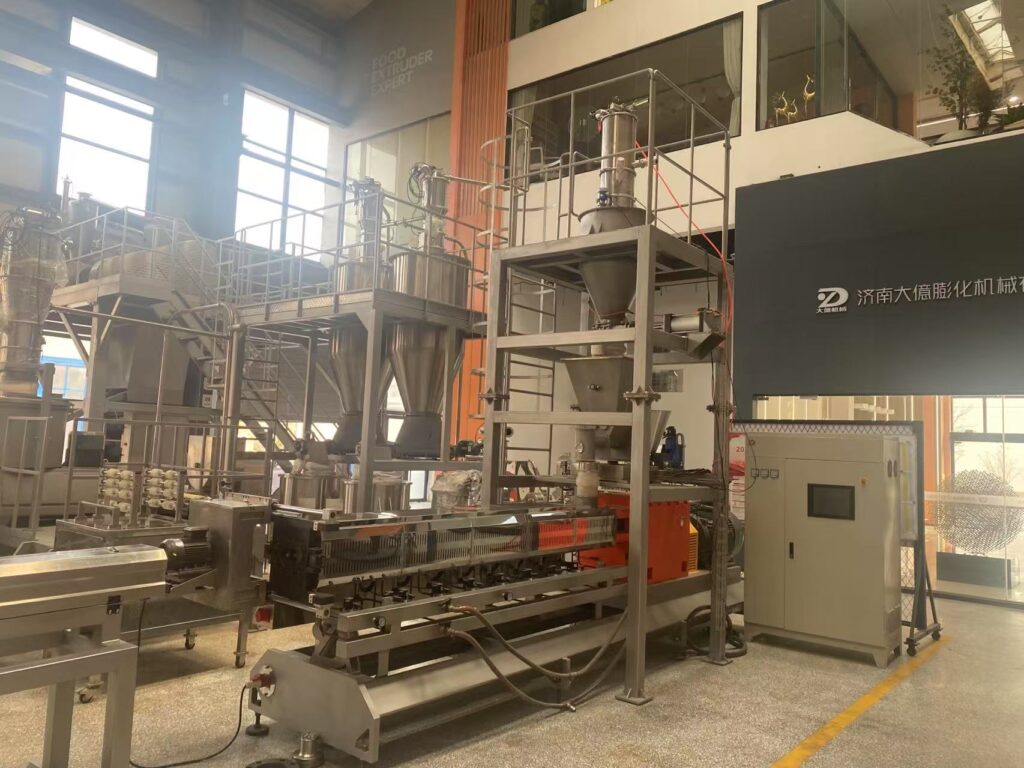
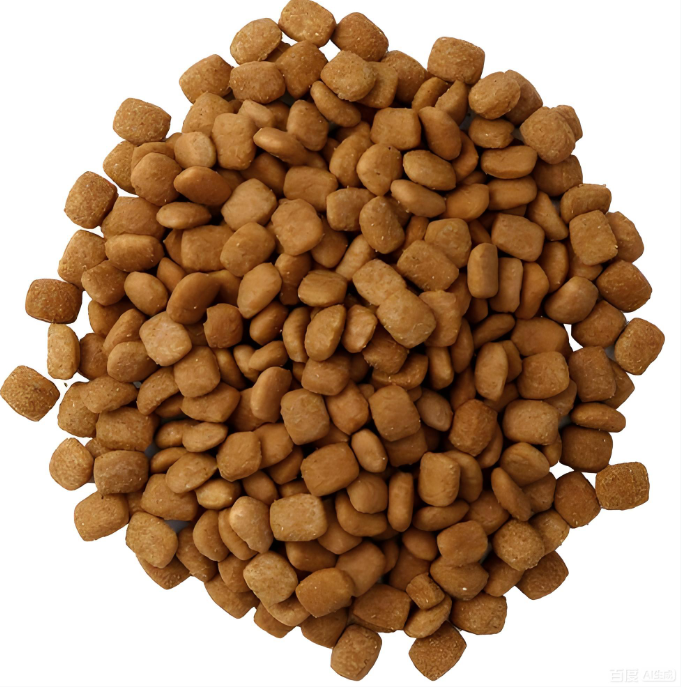
Most kibble is made using extrusion, a high-throughput method designed for shelf stability, low cost, and consistent shape.
A simplified version of the process often looks like this:
- Commodity ingredients arrive in bulk
Common inputs include meat meals, grain flours, starches, plant proteins, fats, fiber sources, and vitamin/mineral premixes. - Grinding and blending
Ingredients are milled into uniform particle sizes and mixed into a dough-like “mash.” - High heat + pressure (the extruder)
The mash is forced through an extruder where temperature, shear, and pressure cook and reshape it. When it exits the die, it expands (like puffed cereal). - Drying
The pieces are dried to a low moisture level so they can sit on a shelf for months. - Fat coating (“palatant” step)
Since heavily processed kibble can be bland, manufacturers often spray on fats and flavor enhancers (often called palatants or digest) to boost smell and taste.
Result: stable pellets that ship cheaply, store easily, and provide consistent nutrition—but are far removed from “fresh food.”
Canned/wet food: thermal sterilization
Canned foods typically rely on retort cooking—sealed containers are heated to kill pathogens and make the product shelf-stable.
This can be nutritionally adequate and sometimes more palatable, dog food making machine but the process is still industrial cooking, not “fresh stew in a can.”
2) The ingredient list: legally acceptable, often misunderstood
“Meat,” “meal,” and the reality of rendering
A major input for many kibbles is meat meal (e.g., chicken meal, lamb meal). Meals are produced via rendering: raw animal materials are cooked to separate fat and water from protein solids, which are then dried and ground.
Rendering is not automatically “bad.” It’s a method to use animal by-products efficiently and reduce waste. But it also means:
- the “meat” portion may have been pre-cooked and concentrated before it ever reaches the kibble plant
- ingredient quality depends heavily on source control and handling upstream
- variability is managed through formulation and lab testing, not by “freshness” aesthetics
Plant protein boosters
To hit protein targets at lower cost, formulas may include pea protein, corn gluten meal, soy protein, lentils, or other concentrates. dog food making machine Again, not inherently harmful—but it can change what “high protein” actually means (animal vs. plant contribution).
3) Why kibble often needs flavors added back in
Extrusion and drying can reduce natural aromas and alter fats. That’s one reason many dry foods are coated after cooking with:
- animal fats
- hydrolyzed proteins
- digests/palatants (industry terms for concentrated flavor coatings)
If you’ve ever noticed a strong, meaty smell when opening a bag, a significant portion can come from this coating step—not from visible “chunks of meat” inside.
4) “Complete and balanced” often means “supplemented back to spec”
Processing can reduce certain heat-sensitive nutrients. Many diets are formulated so that, after cooking, the food still meets standards by adding:
- vitamin/mineral premixes
- synthetic amino acids (when needed)
- stabilized vitamins designed to survive manufacturing and storage
This is normal in modern pet food. The point is simply: the final nutrition profile often depends as much on premix engineering as on the romantic ingredient imagery.
5) Shelf life and oxidation: the quiet trade-off
Dry kibble’s long shelf life is a feature—but it introduces challenges:
- Fats can oxidize over time (especially once a bag is opened).
- Manufacturers use antioxidants (natural or synthetic) to slow rancidity.
- Storage conditions matter more than most people realize: heat, light, and time can degrade flavor and some nutrients.
6) The marketing gap: what pictures imply vs. what factories do
Common front-of-bag signals can be emotionally persuasive while still being technically compatible with highly processed manufacturing:
- “With real chicken” can coexist with a formula built largely on meals, starches, and flavor coatings.
- “Natural” can still include industrial processing and premixes (definitions are limited and vary by jurisdiction).
- “Human-grade” has specific meaning only if the entire supply chain and facility standards truly match the claim—otherwise it can be vague or inconsistently applied.
The uncomfortable truth: much of the pet-food aisle is less “cooking” and more food manufacturing.
7) What consumers can do (without panic-buying)
If you want to evaluate a food beyond the branding, focus on concrete questions:
- What is the primary processing method? (extruded kibble vs. baked vs. air-dried vs. canned/retort vs. frozen/fresh)
- How transparent is sourcing and quality control?
Look for clear statements on ingredient sourcing, testing (microbial, mycotoxins), and manufacturing location. - Is the diet backed by feeding trials or only formulation?
- How is fat protected from oxidation?
Ask about antioxidant systems and packaging. - Is the company willing to answer technical questions?
A serious manufacturer will respond with specifics, not slogans.
Closing: “Expose” the process, not just the brand
Dog food isn’t automatically “toxic” because it’s processed. dog food making machine Many dogs do fine on kibble, and modern manufacturing can deliver safe, consistent nutrition at scale.
But consumers deserve a clear view of what’s actually happening: high-heat extrusion, rendering inputs, palatant coatings, premix-driven nutrition, and the long shelf-life trade-offs that come with it.
The real exposure is this: the story on the bag is often a pastoral fantasy, while the product inside is an industrial formulation designed to meet targets—nutritional, logistical, and economic.
 Persian
  English
  Russian
  Spanish
  Italian
  Arabic
  Portuguese
  German
  French
  Japanese
  Moroccan Arabic
  Belarusian