
Breadcrumbs, a simple product made from ground or processed dried bread, are one of the most versatile ingredients in both home kitchens and industrial food production. While often thought of merely as a coating for fried foods, breadcrumbs serve a wide range of functional, textural, and binding purposes across culinary traditions worldwide. This article explores the major applications of breadcrumbs, categorizing them by their role in food preparation.
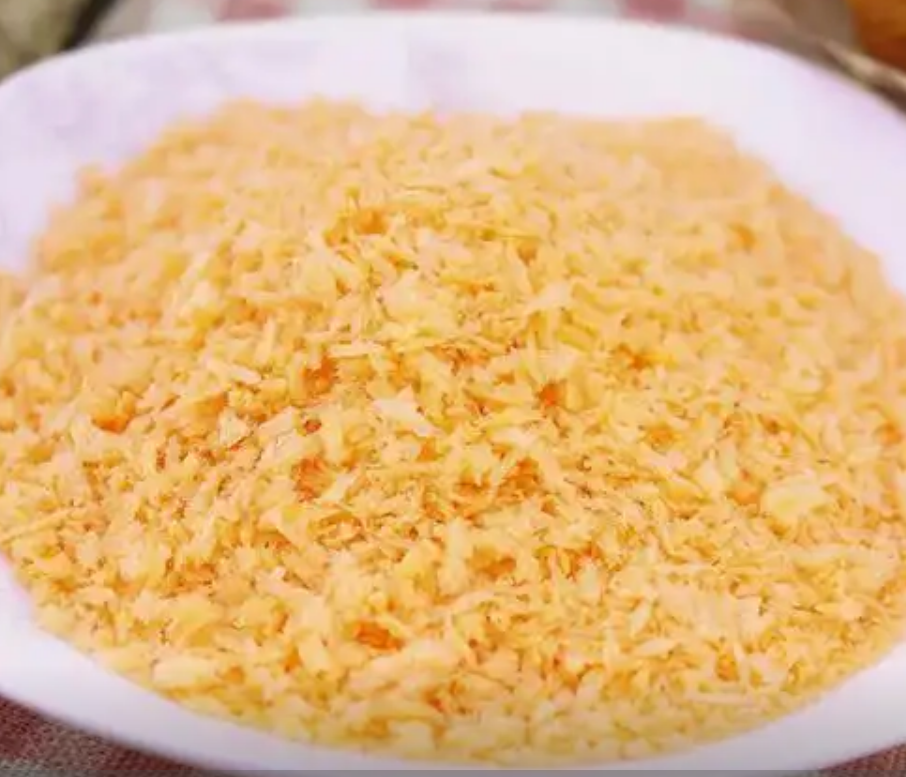
1. Coating for Fried and Baked Foods (Breading)
The most well-known application of breadcrumbs is as a crispy outer layer for foods that are fried, air-fried, or baked. This process, known as breading, typically follows a three-step sequence: dredging in flour, dipping in egg wash, and coating with breadcrumbs.
Common examples:
- Chicken: Chicken tenders, chicken parmesan, fried chicken cutlets
- Seafood: Breaded shrimp, fish fillets (fish and chips), crab cakes
- Vegetables: Onion rings, fried zucchini sticks, breaded mushrooms, fried green tomatoes
- Meat: Pork chops (Viennese-style schnitzel), veal cutlets, chicken fried steak
- Cheese: Mozzarella sticks, fried brie, halloumi fingers
Why breadcrumbs work for coating: They provide a high surface area that becomes crisp and golden when heated, create a barrier that seals in moisture, and add a satisfying crunchy texture contrast to the soft interior.
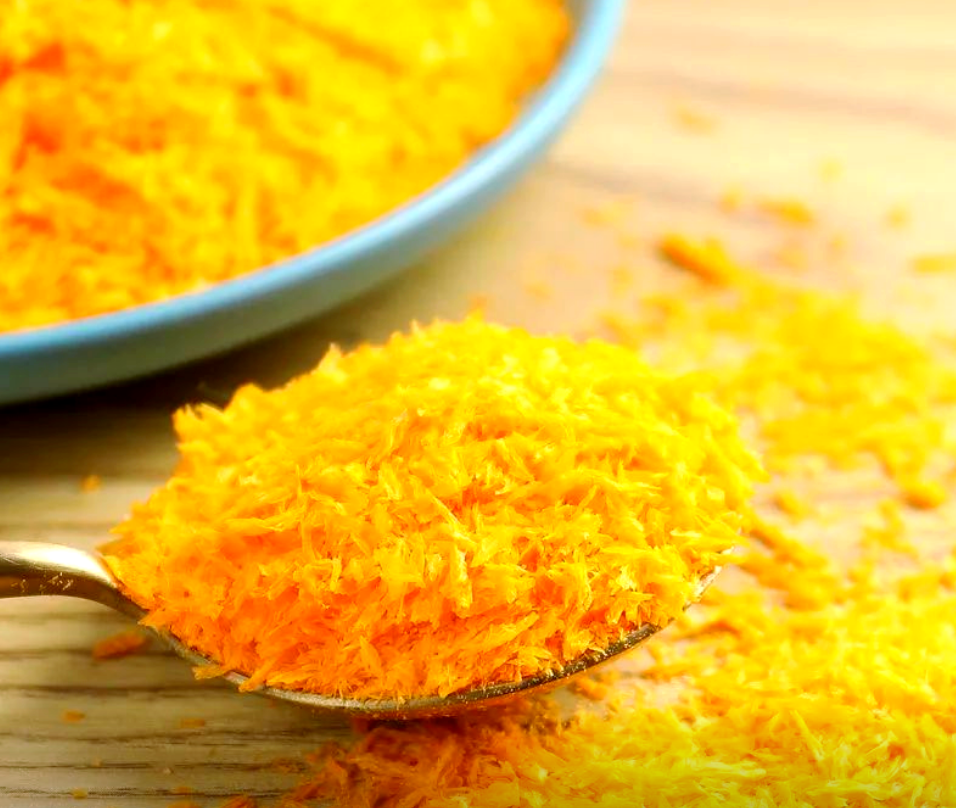
2. Binding Agent (Panade)
In meatballs, meatloaf, hamburger patties, veggie burgers, and pâtés, breadcrumbs serve as a panade — a mixture of breadcrumbs and a liquid (milk, broth, or water) that is combined with ground meat or vegetables. This application is critical for texture and moisture retention.
Functions as a binder:
- Prevents protein shrinkage: Meat proteins tighten during cooking, squeezing out natural juices. Breadcrumbs interrupt this protein network, holding onto moisture and fat.
- Adds tenderness: Without breadcrumbs, meatballs and meatloaf become dense, rubbery, or dry. Breadcrumbs create a lighter, more tender texture.
- Extends yield: Breadcrumbs are an inexpensive filler that allows more portions from the same amount of meat.
Examples: Swedish meatballs, Italian polpette, American meatloaf, kofta (Middle Eastern spiced meatballs), veggie burgers.
Typical ratio: 1 cup breadcrumbs to 500g (1 lb) ground meat, plus ½ cup liquid (milk or stock).
3. Topping for Casseroles and Gratins
Breadcrumbs are widely used as a crunchy topping for baked dishes. When mixed with melted butter or oil and sprinkled over casseroles, macaroni and cheese, or vegetable gratins, they brown in the oven to form a golden, crispy crust that contrasts with the creamy or soft interior below.
Common dishes:
- Macaroni and cheese: Buttered breadcrumb topping adds essential crunch
- Scalloped or au gratin potatoes: Breadcrumbs mixed with cheese create a golden crust
- Vegetable gratins: Cauliflower, broccoli, or tomato gratins topped with herbed breadcrumbs
- Baked pasta dishes: Lasagna, baked ziti, or pastitsio benefit from a breadcrumb crust
- Casserole toppings: Tuna noodle casserole, green bean casserole, chicken divan
Enhancements: Breadcrumbs for topping are often mixed with grated Parmesan cheese, minced garlic, fresh herbs (thyme, rosemary, parsley), lemon zest, or paprika before sprinkling over the dish.
4. Thickening Agent
Less commonly known, breadcrumbs can function as a thickener for soups, stews, and sauces. While flour and cornstarch are more common, breadcrumbs offer a unique advantage: they add body and a subtle bread flavor without requiring a separate slurry.
Applications:
- Ribollita (Tuscan bread soup): Stale bread (or breadcrumbs) is stirred into a vegetable and bean soup until it thickens and becomes porridge-like.
- Bread sauces: English bread sauce (served with roast poultry) uses breadcrumbs simmered in milk with onion and cloves.
- Gazpacho (thickened version): Some Spanish cold soups use soaked breadcrumbs as a thickener.
- Stews: In some rustic cuisines, breadcrumbs are sprinkled into thin stews to add body.
Method: Sprinkle breadcrumbs gradually into simmering liquid while whisking, or soak them first in a small amount of liquid to form a paste before incorporating.
5. Stuffing and Fillings
Breadcrumbs are a primary component of stuffings (also called dressings) for poultry, meats, and vegetables. Unlike large bread cubes used in traditional Thanksgiving stuffing, breadcrumbs produce a finer, more uniform texture.
Examples:
- Poultry stuffing: Mixed with sautéed onions, celery, herbs, and broth, then stuffed into turkey, chicken, or Cornish hens
- Mushroom stuffing: Breadcrumbs combined with garlic, parsley, and cheese for stuffing mushrooms caps or portobellos
- Seafood stuffing: For stuffing crab, lobster, or shrimp, often with butter and white wine
- Vegetable stuffing: For bell peppers, tomatoes, or zucchini (often with rice or meat as well)
- Stuffed grape leaves (dolmas): Some regional recipes include breadcrumbs as a binder with rice and herbs
6. Crumb Topping for Desserts (Streusel and Crusts)
In baking, breadcrumbs — especially sweetened and buttered varieties — are used as toppings for fruit desserts or as a base for pie and cheesecake crusts.
Dessert applications:
- Fruit crisps and crumbles: Apple crisp, berry crumble, or peach cobbler topped with a mixture of breadcrumbs, brown sugar, oats, butter, and cinnamon
- Crumb cake (Streuselkuchen): A German-style cake with a thick layer of sweet, buttery breadcrumb streusel
- Pie crusts: Some no-roll pie crusts are made from toasted breadcrumbs mixed with sugar and melted butter, then pressed into a pan
- Cheesecake base: While graham crackers are more common, finely ground toasted breadcrumbs can substitute, especially for savory cheesecakes
- Bread pudding (paradoxically): Although bread pudding uses bread chunks, leftover sweet breadcrumbs can also be used.
7. Industrial and Food Service Applications
In large-scale food manufacturing, breadcrumbs are used in standardized, high-volume applications where consistency and shelf stability are critical.
Industrial uses:
- Frozen convenience foods: Pre-breaded chicken nuggets, fish sticks, mozzarella sticks, onion rings, and vegetable patties
- Meat extenders: Added to sausages, hot dogs, and processed meat products to reduce cost and modify texture
- Coating for oven-baked products: Many “air-fried” or “baked not fried” products rely on breadcrumbs to simulate deep-fried texture
- Pet food: Some dry pet foods and treats use breadcrumbs as a binder and texture agent
Industrial breadcrumb types:
| Type | Description | Typical Use |
|---|---|---|
| Japanese panko | Long, flaky, angular crumbs; absorbs less oil | Premium frozen seafood, chicken tenders |
| American style | Fine, granular, uniform crumbs | Meatloaf, meatballs, casserole toppings |
| Italian seasoned | Mixed with oregano, basil, garlic powder, Parmesan | Chicken parmesan, eggplant parmesan |
| Gluten-free | Made from rice flour, cornmeal, or gluten-free bread | Allergy-friendly breaded products |
8. Other Creative and Functional Uses
Beyond the major categories, breadcrumbs find several niche but valuable applications:
- Egg wash substitute (vegan cooking): Mixed with water and flaxseed meal, breadcrumbs can help coatings adhere in plant-based recipes.
- Extending ground meat: Adding breadcrumbs and water allows home cooks to stretch expensive ground meat further without sacrificing texture.
- Preventing sticking: Sprinkling breadcrumbs on a baking sheet or pizza stone before placing dough helps prevent sticking (similar to using cornmeal).
- Adding crunch to salads: Toasted, seasoned breadcrumbs are used as a substitute for croutons in salads or as a garnish for soups (e.g., French onion soup).
- Crab crack (fishing bait): In recreational fishing, breadcrumbs are mixed with other ingredients to form dough balls used as bait.
Conclusion
Breadcrumbs are far more than a simple coating for fried foods. Their applications span seven major categories: coating for fried/baked foods, binding agent for meat products, crunchy topping for casseroles, thickener for soups and stews, filling for stuffing, dessert topping and crust, and industrial food manufacturing. Each application leverages a different property of breadcrumbs — their ability to become crisp, absorb and retain moisture, bind proteins, create texture contrast, or add bulk.
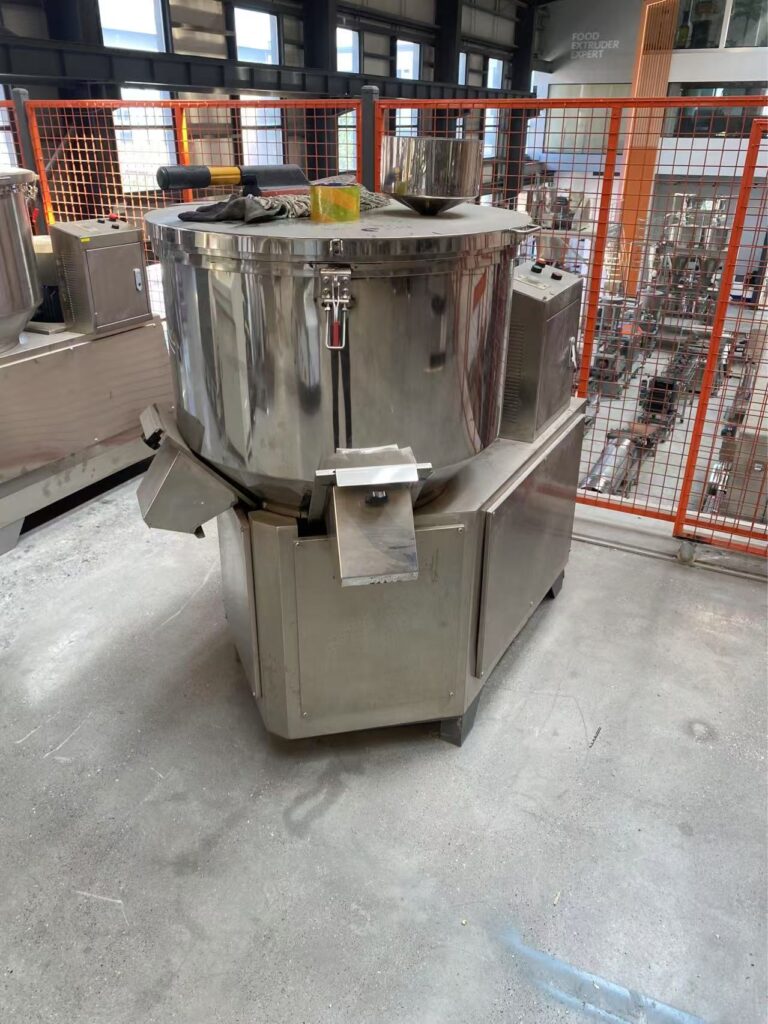
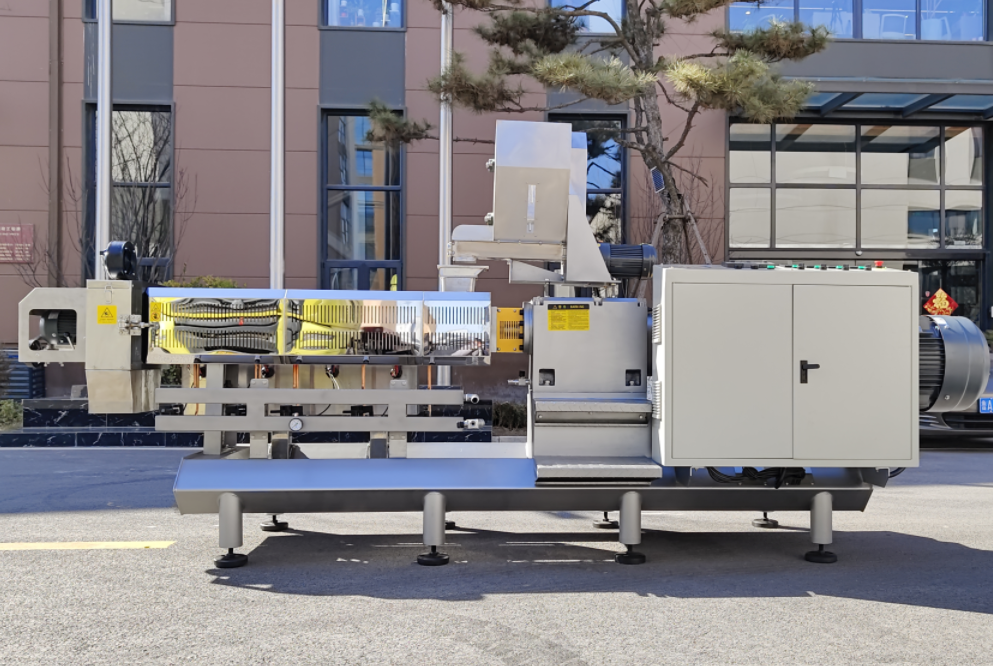
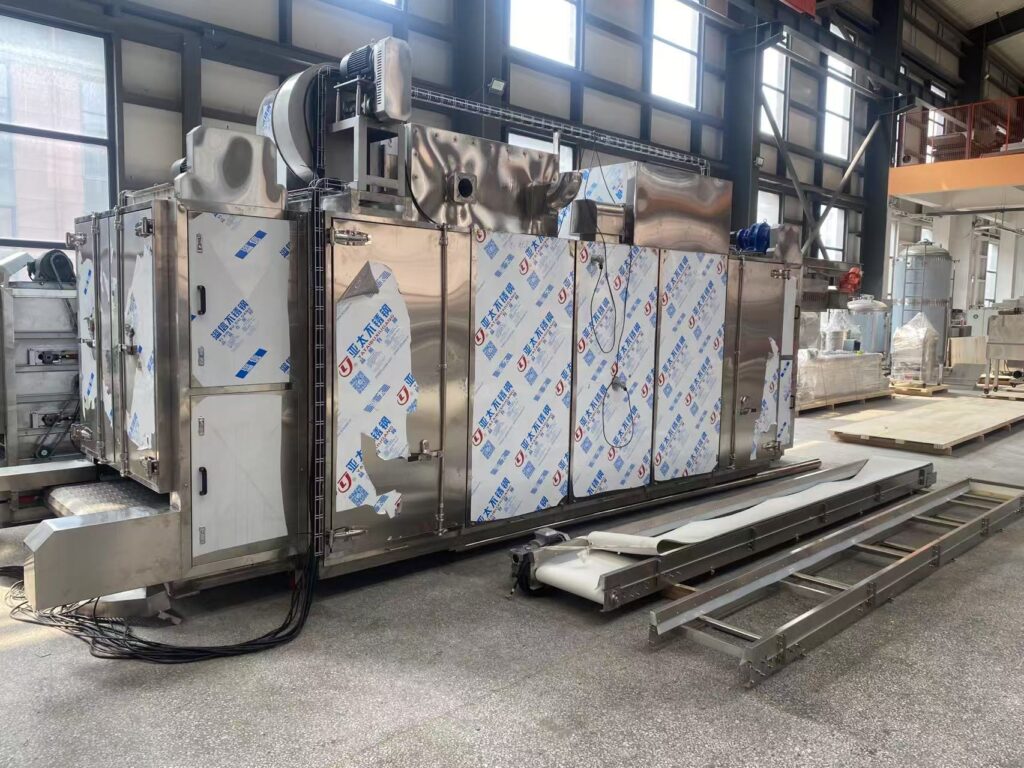
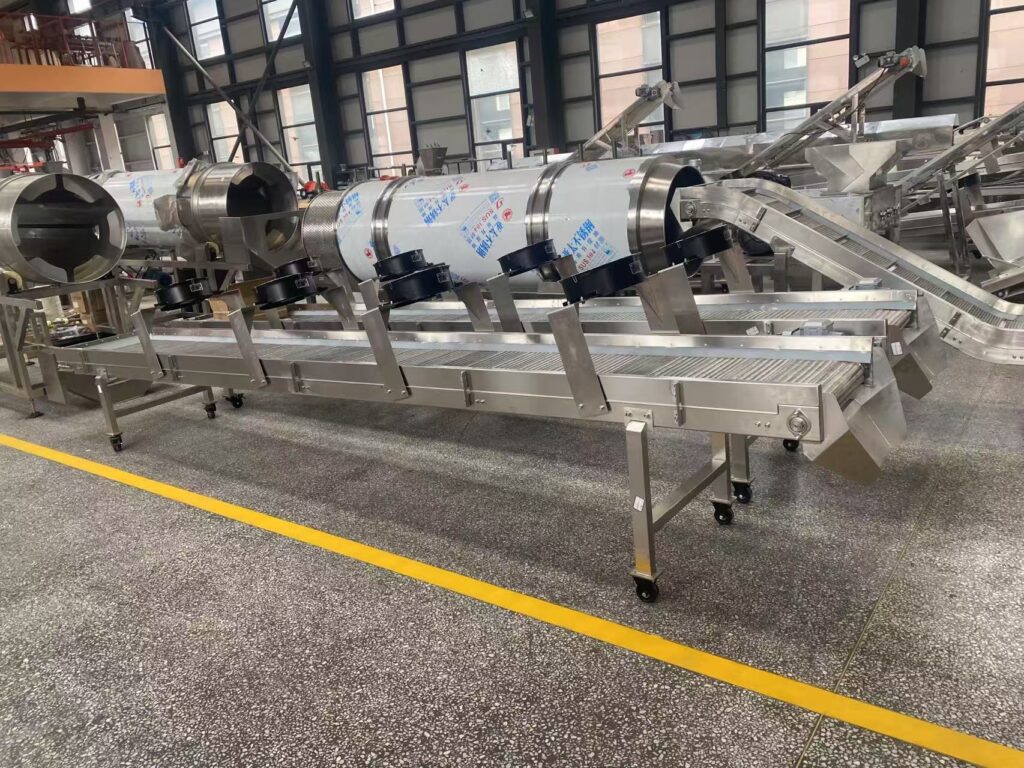
From the Japanese kitchen using delicate panko for tempura-style frying to the Italian nonna adding breadcrumbs to her meatballs, and from industrial frozen food plants to high-end restaurants using herbed breadcrumb crusts on scallops, this humble ingredient demonstrates remarkable versatility. Whether you are a home cook or a food manufacturer, understanding these applications allows you to use breadcrumbs not just as an afterthought, but as a purposeful, functional ingredient that transforms texture, flavor, and structure. If you are interested in the bread crumbs machinery, you can contact me , i will give you good advice and solutions .
1.Will you help us with the installation ?
Yes , We will send engineers to install and debug the equipment, and assist in training your staff.
2.Are you a factory or trading company?
We are a factory.
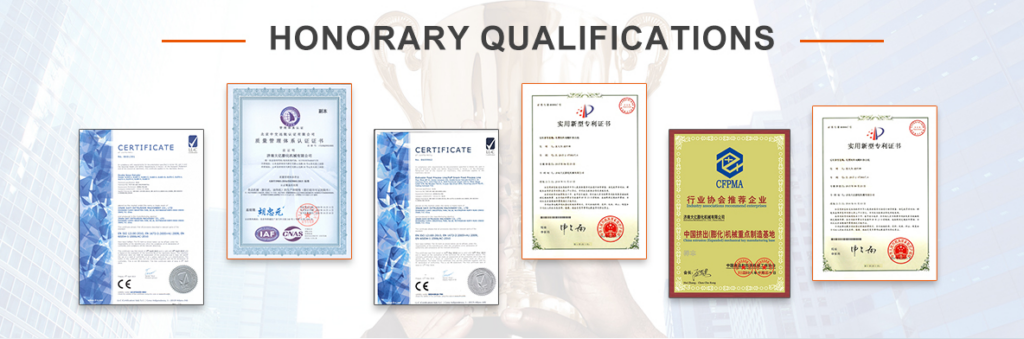
3.What certificate do you have?
We have ISO and CE certificate.
4.How long is the warranty period?
All of our machines have one year warranty.
5.What’s the main market of your company?
Our customers all over the world.
6.How much production capacity of your company one year?
This depends on your needs.
 Persian
  English
  Russian
  Spanish
  Italian
  Arabic
  Portuguese
  German
  French
  Japanese
  Moroccan Arabic
  Belarusian