
Nutritional powders encompass a diverse range of products—from protein supplements and meal replacements to infant formula, sports nutrition, and medical nutrition products. These powders deliver concentrated nutrition in a convenient, shelf-stable format that can be reconstituted with liquid or consumed directly. The manufacturing process requires precision, hygiene, and careful control of particle characteristics to ensure consistent quality, solubility, and nutritional integrity.
This article provides a detailed examination of the processing technologies used in nutritional powder manufacturing, from raw material handling to final packaging.
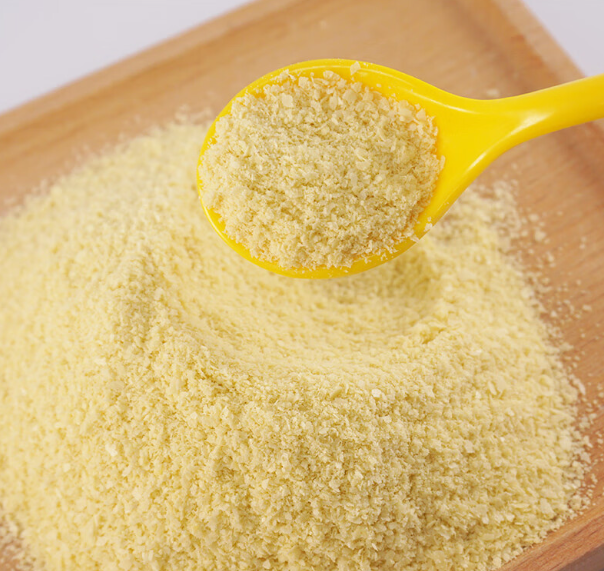
1. Overview: The Nutritional Powder Landscape
Nutritional powders serve various market segments:
| Category | Examples | Key Characteristics |
|---|---|---|
| Protein Powders | Whey, casein, soy, pea protein | High protein content; often flavored |
| Meal Replacements | Weight management, complete nutrition | Balanced macros; vitamin/mineral fortified |
| Infant Formula | Stage 1, 2, 3; specialty formulas | Strictest regulatory requirements; fortified |
| Sports Nutrition | Recovery, pre-workout, electrolytes | Targeted functional ingredients |
| Medical Nutrition | Tube feeding, disease-specific | Prescription or medical food classification |
| Functional Powders | Greens powders, collagen, probiotics | Single-ingredient or blends; often heat-sensitive |
Despite their diversity, most nutritional powders share common processing principles: blending of dry ingredients, particle size reduction, agglomeration for improved solubility, and careful packaging to preserve stability.
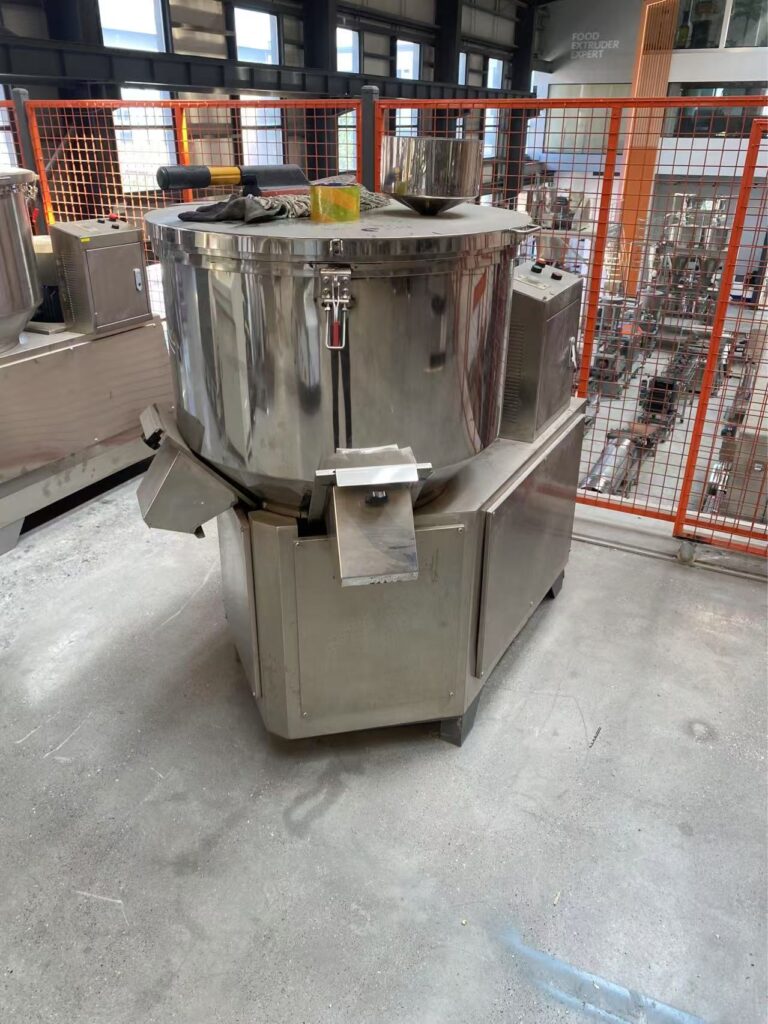
2. Raw Material Considerations
Ingredient Categories
| Category | Examples | Considerations |
|---|---|---|
| Proteins | Whey protein concentrate/isolate, soy protein isolate, pea protein, rice protein | Heat sensitivity; solubility; flavor profile |
| Carbohydrates | Maltodextrin, sucrose, fructose, corn syrup solids | Hygroscopicity; sweetness; solubility |
| Fats/Oils | Powdered oils (MCT, vegetable oils), lecithin | Oxidation sensitivity; encapsulation needed |
| Vitamins | Premixes (A, B-complex, C, D, E, K) | Heat and light sensitivity; potency stability |
| Minerals | Calcium carbonate, magnesium oxide, zinc sulfate | Particle size; reactivity; bioavailability |
| Functional Ingredients | Probiotics, enzymes, botanicals | Extreme heat sensitivity; viability requirements |
| Flavors | Natural and artificial flavors | Volatility; carrier systems |
| Sweeteners | Stevia, sucralose, sugar | Particle size uniformity; sweetness intensity |
Critical Raw Material Parameters
- Particle size distribution: Affects blend uniformity and solubility
- Moisture content: Impacts flowability, microbial stability, and shelf life
- Water activity (aw): Critical for microbial control; target typically <0.3 aw
- Bulk density: Affects packaging fill weights and blending efficiency
- Microbiological quality: Pathogen control essential (Salmonella, Cronobacter critical for infant formula)
3. Primary Processing Technologies
Nutritional powders are manufactured using three primary processing approaches, each suited to different product types and ingredient sensitivities.
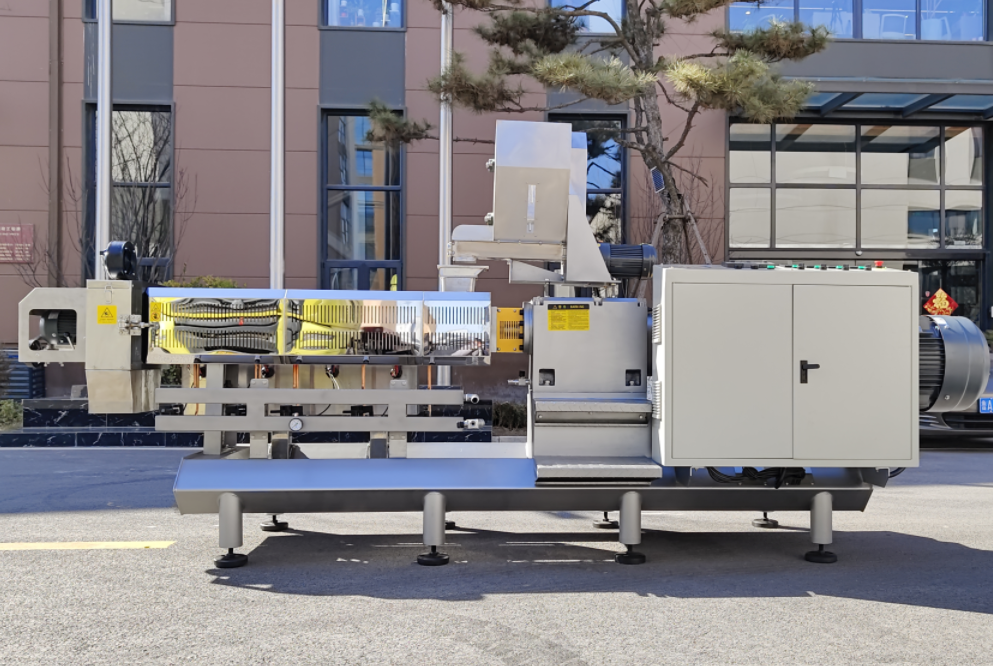
3.1 Dry Blending (Simple Blending)
Dry blending is the simplest and most economical method, used when all ingredients are already in powder form and heat-sensitive components must be preserved.
Process Flow:
Raw Materials → Sifting/Screening → Weighing/Dispensing → Blending → PackagingEquipment Used:
- V-Blenders: Gentle blending; ideal for free-flowing powders; 15-45 minute cycles
- Ribbon Blenders: Efficient for larger batches; 10-30 minute cycles
- Bin Blenders: Gentle, low-shear; suitable for fragile ingredients
- High-Shear Mixers: For breaking agglomerates; used when minor ingredients require distribution
Advantages:
- Minimal heat exposure—ideal for probiotics, vitamins, flavors
- Lower equipment investment
- Simple operation and validation
Disadvantages:
- Potential for segregation during handling
- Limited particle size control
- May require pre-milling of ingredients
Typical Applications: Probiotic powders, simple supplements, low-fat formulations
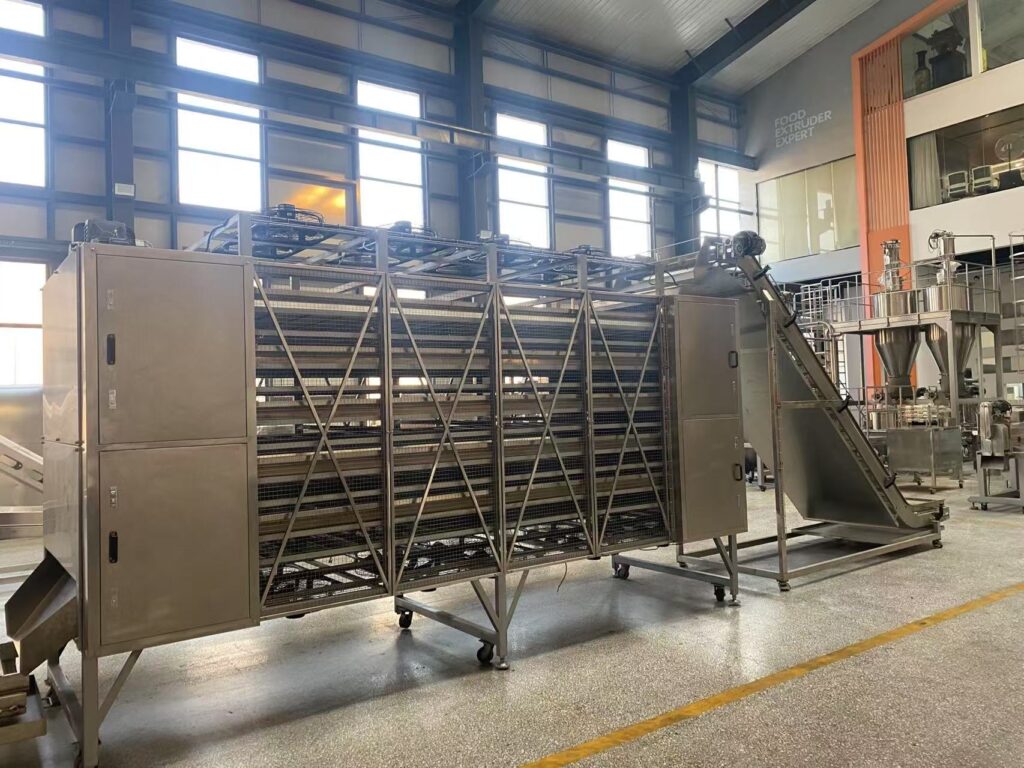
3.2 Wet Granulation
Wet granulation is used when ingredients have poor flow properties, tendency to segregate, or require improved compressibility (though tableting is rare for powders, granulation aids handling).
Process Flow:
Dry Ingredients → Mixing → Addition of Binder Solution → Wet Massing → Wet Sieving → Drying → Dry Sieving → Final BlendingEquipment Used:
- High-shear granulators (e.g., Diosna, Collette)
- Fluid bed processors (top spray or bottom spray)
- Tray dryers or fluid bed dryers
- Comill or oscillating granulator for sizing
Advantages:
- Improved flowability
- Reduced dust
- Better content uniformity
- Enhanced solubility through controlled agglomeration
Disadvantages:
- Heat exposure during drying may affect heat-sensitive nutrients
- Higher equipment cost
- Longer processing time
3.3 Agglomeration (Instantization)
Agglomeration is the preferred technology for nutritional powders requiring rapid solubility—such as protein powders, infant formula, and meal replacements. The process creates larger, porous particles that wet instantly and disperse quickly in liquid.
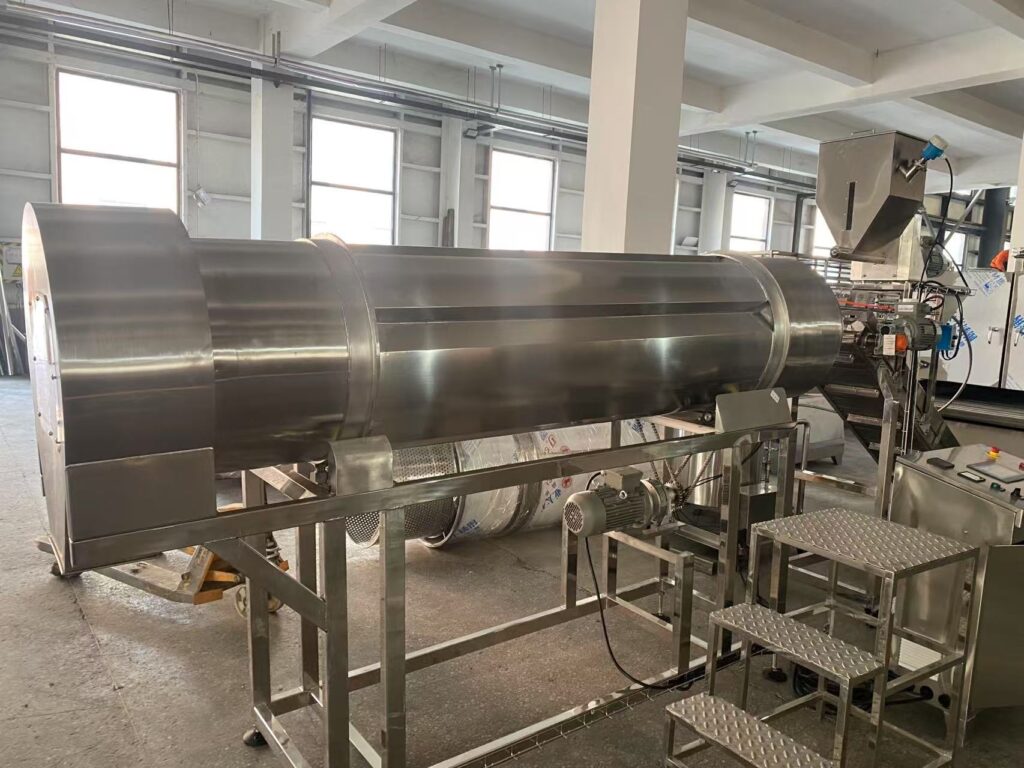
Process Principle: Fine particles are bound together using moisture or binders, then dried to form stable agglomerates with controlled particle size (typically 150-500 microns).
Agglomeration Technologies:
| Technology | Method | Characteristics | Applications |
|---|---|---|---|
| Fluid Bed Agglomeration | Top spray or bottom spray of binder solution onto fluidized particles | Most common; precise control; single-unit operation | Protein powders, infant formula |
| Steam Agglomeration | Steam injection to hydrate particle surfaces | Gentle; no added binders; minimal heat | Dairy powders, whey protein |
| Spray Drying (co-current) | Atomization of liquid feed into drying chamber | Complete liquid-to-powder conversion; built-in agglomeration via fines return | Infant formula base, dairy powders |
Process Flow (Fluid Bed Agglomeration):
Fine Powders → Fluid Bed Chamber → Pre-heating → Spraying Binder → Drying → Cooling → SizingBenefits of Agglomeration:
- Instant solubility (wetting time reduced from minutes to seconds)
- Reduced dust during handling
- Improved flowability
- Uniform particle size distribution
Considerations:
- Heat sensitivity of ingredients (process temperatures 40-80°C)
- Potential for nutrient degradation if not controlled
- Higher equipment cost than simple blending
3.4 Spray Drying
Spray drying is the foundational technology for many nutritional powders, converting liquid formulations (milk, protein solutions, carbohydrate syrups) directly into powder form.
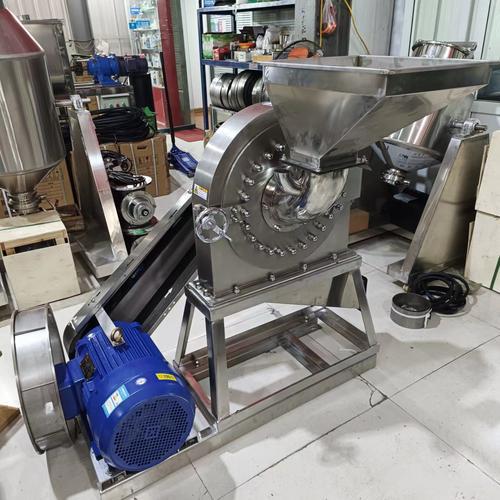
Process Flow:
Liquid Feed Preparation → Homogenization → Heating → Atomization → Drying Chamber → Powder Separation → Cooling → Agglomeration (optional) → PackagingKey Process Parameters:
| Parameter | Typical Range | Impact |
|---|---|---|
| Inlet temperature | 150-220°C | Drying rate; heat exposure to product |
| Outlet temperature | 70-95°C | Final powder moisture; heat exposure |
| Feed solids | 30-55% | Drying efficiency; particle structure |
| Atomizer type | Rotary wheel or nozzle | Particle size; bulk density |
Atomizer Options:
| Type | Characteristics | Particle Characteristics |
|---|---|---|
| Rotary (centrifugal) | High capacity; flexible; 10,000-20,000 RPM | 30-150 microns; more uniform |
| Pressure nozzle | Narrow particle distribution; higher bulk density | 50-200 microns; coarser |
| Two-fluid nozzle | Fine particles; good for viscous feeds | 10-100 microns; finer |
Post-Spray Drying Processing:
- Lecithination: Surface coating with lecithin to improve wettability and reduce dust
- Agglomeration: Fines return to spray tower or separate fluid bed to create instantized product
- Dry blending: Addition of heat-sensitive ingredients (vitamins, probiotics) after drying
Applications: Infant formula base powder, dairy powders, whey protein, maltodextrin, powdered fats
4. Detailed Process: Spray Drying with Agglomeration (Infant Formula Example)
Infant formula represents the highest regulatory standard for nutritional powders, requiring precise processing and stringent safety controls.
Process Description
Stage 1: Liquid Feed Preparation
- Raw materials (skim milk, lactose, vegetable oils, demineralized whey) are received, tested, and stored
- Oils are melted, blended with emulsifiers (lecithin)
- Protein sources are hydrated, blended with carbohydrate solutions
- Vitamin and mineral premixes are added (heat-sensitive vitamins may be added post-drying)
Stage 2: Homogenization
- Liquid mixture passes through high-pressure homogenizer (100-200 bar)
- Ensures fat globules are uniformly dispersed (target size <1 micron)
- Prevents creaming during storage and improves powder solubility
Stage 3: Heat Treatment (Pasteurization)
- Liquid feed heated to 85-95°C for 15-30 seconds
- Reduces microbial load; inactivates enzymes
- For infant formula, may include ultra-high temperature (UHT) treatment (135°C, 3-5 seconds)
Stage 4: Evaporation
- Liquid concentrated from 12-15% solids to 45-55% solids
- Multi-effect evaporators reduce water content efficiently
- Reduces energy consumption in spray drying by 70-80%
Stage 5: Spray Drying
- Concentrate atomized into drying chamber
- Hot air (inlet 180-220°C) rapidly evaporates water
- Product temperature maintained below 80°C due to evaporative cooling
- Powder exits at outlet temperature 75-95°C, moisture 2-4%
Stage 6: Agglomeration (Integrated or Separate)
- Integrated: Fines from cyclones are returned to spray drying chamber, colliding with wet droplets to form agglomerates
- Separate: Powder enters fluid bed for additional agglomeration with steam or lecithin spray
- Target particle size: 150-400 microns for instant solubility
Stage 7: Dry Blending (Heat-Sensitive Additions)
- After cooling, heat-sensitive nutrients (vitamins C, B-complex, probiotics) are dry-blended
- Performed in low-humidity environment (RH <40%)
- Ensures potency retention
Stage 8: Packaging
- Nitrogen flushing to displace oxygen
- Multi-layer laminated bags or metal cans
- Controlled environment (temperature <25°C, humidity <40%)
5. Alternative Processing Technologies
5.1 Roller Drying
An older technology less common today but still used for certain products:
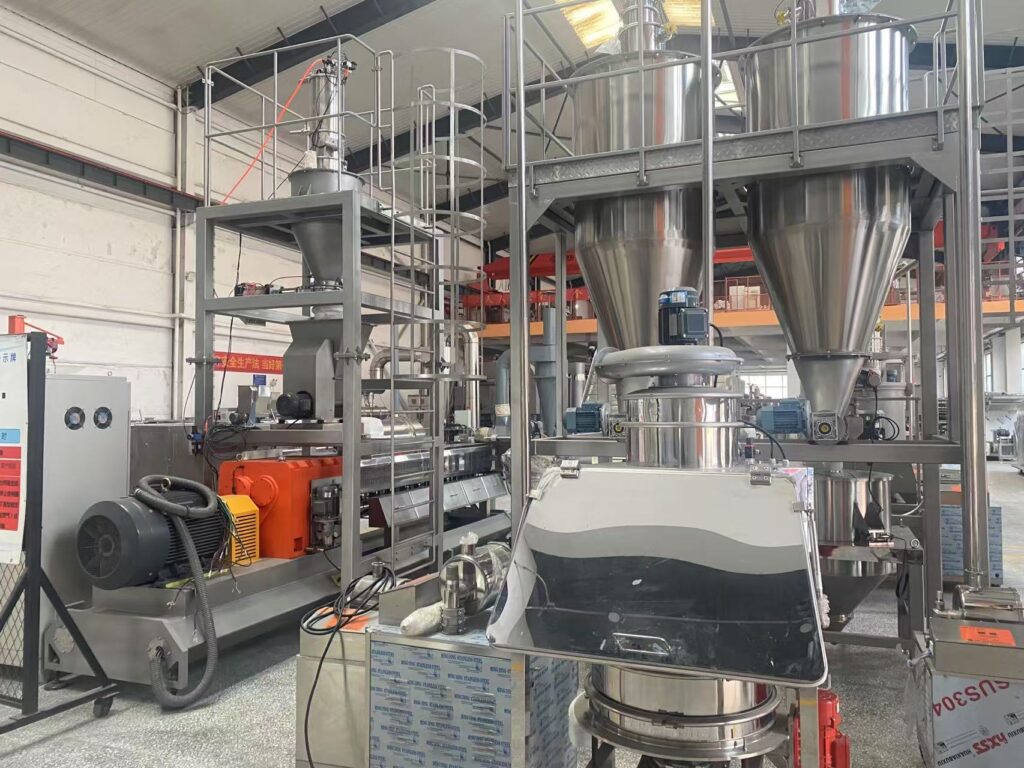
- Liquid feed applied to heated rotating drums (120-160°C)
- Dried film scraped off, milled to powder
- Advantages: Lower cost; handles high-viscosity feeds
- Disadvantages: Higher heat exposure; inconsistent particle shape; lower solubility
5.2 Freeze Drying (Lyophilization)
Used for ultra-premium products requiring maximum nutrient preservation:
- Liquid product frozen, then placed under vacuum
- Ice sublimates directly to vapor without passing through liquid phase
- Advantages: Superior nutrient retention; excellent solubility; no heat degradation
- Disadvantages: Very high cost; batch process; long cycle times (24-48 hours)
- Applications: Probiotic powders, high-value supplements, specialty medical nutrition
5.3 Extrusion (for Specialty Powders)
Used for certain functional powders requiring gelatinization or texturization:
- Pre-conditioning of ingredients with moisture and heat
- High-shear extrusion cooking
- Drying and milling to powder
- Applications: Pre-gelatinized starches, textured vegetable proteins
6. Critical Quality Parameters
Physical Properties
| Parameter | Target Range | Method | Significance |
|---|---|---|---|
| Particle size distribution | D90: 150-500 µm (varies by product) | Sieve analysis, laser diffraction | Solubility; flowability; mouthfeel |
| Bulk density | 0.4-0.8 g/mL | Volumetric measurement | Packaging; dosing accuracy |
| Tap density | 0.5-1.0 g/mL | Tapped density analyzer | Flowability; segregation risk |
| Angle of repose | <35° (excellent flow); >45° (poor flow) | Angle measurement | Handling; packaging efficiency |
| Wettability | <30 seconds | Immersion test | Reconstitution performance |
| Dispersibility | >95% | Agitation test | Solubility quality |
Chemical Properties
| Parameter | Target Range | Frequency | Method |
|---|---|---|---|
| Moisture content | 2-5% (varies by product) | Each batch | Karl Fischer, loss-on-drying |
| Water activity (aw) | <0.3 | Each batch | Water activity meter |
| Protein content | Per specification | Each batch | Kjeldahl, Dumas, NIR |
| Fat content | Per specification | Each batch | Acid hydrolysis, NIR |
| Ash content | Per specification | Each batch | Muffle furnace |
| Vitamin potency | ±10-20% of label claim | Quarterly | HPLC |
| Mineral content | Per specification | Monthly | ICP-MS, AAS |
Microbiological Properties
| Parameter | Infant Formula | Adult Nutrition | Method |
|---|---|---|---|
| Total plate count | <1,000 CFU/g | <10,000 CFU/g | Plate count |
| Coliforms | <3 MPN/g | <10 CFU/g | Most Probable Number |
| Salmonella | Negative in 25g | Negative in 25g | Enrichment culture |
| Cronobacter (E. sakazakii) | Negative in 10g | Not required | Enrichment culture |
| Bacillus cereus | <100 CFU/g | <1,000 CFU/g | Selective culture |
7. Hygienic Design and Food Safety
Facility Design Principles
- Segregation: Raw material receiving, processing, packaging, and finished goods areas physically separated
- Air handling: HEPA filtration in packaging areas; positive pressure to prevent contamination
- Metal detection: In-line metal detectors at final packaging stage
- Magnetic separation: Removal of ferrous particles from dry ingredients
- Cleanability: All equipment surfaces smooth, stainless steel, with no dead legs or crevices
Process Safety Controls
| Hazard | Control Measure | Critical Limit |
|---|---|---|
| Pathogens in liquid feed | Pasteurization/UHT | Time-temperature combination validated |
| Post-drying contamination | Environmental monitoring; positive air pressure | Airborne micro counts <10 CFU/m³ |
| Cross-contamination | Dedicated lines for allergen-containing products | Changeover validation |
| Metal contamination | Metal detectors | Test piece detection at start and end of each run |
Allergen Management
Common allergens in nutritional powders:
- Milk/dairy
- Soy
- Wheat/gluten
- Tree nuts
- Eggs
Control Strategies:
- Dedicated production lines for allergen-free products
- Validated cleaning protocols (swab testing for protein residues)
- Physical separation of allergenic ingredients
8. Packaging Requirements
Package Types
| Package Type | Material | Suitable For | Shelf Life |
|---|---|---|---|
| Metal can | Steel or aluminum with inner coating | Infant formula; high-value products | 18-24 months |
| Multi-layer pouch | PET/Al/PE or PET/EVOH/PE | Protein powders; meal replacements | 12-18 months |
| Stand-up pouch with zipper | PET/PE with reclosable feature | Consumer convenience products | 12 months |
| Bulk bag | Multi-wall paper with polyethylene liner | Industrial or food service | 12 months |
Packaging Environment
- Relative humidity: Maintained below 40% to prevent moisture pick-up
- Oxygen control: Nitrogen flushing to achieve <2% residual oxygen
- Temperature: <25°C for most products; refrigerated for probiotics
Seal Integrity
- Heat seal parameters: Temperature, pressure, dwell time monitored continuously
- Seal strength testing: Tensile testing at defined intervals
- Leak testing: Vacuum decay or bubble test for finished packages
9. Common Processing Challenges and Solutions
| Challenge | Cause | Solution |
|---|---|---|
| Poor solubility | Fine particles; surface lipids | Agglomeration; lecithination |
| Segregation | Particle size differences between ingredients | Granulation; careful blending protocols |
| Microbial contamination | Post-processing contamination | Environmental controls; terminal sterilization options |
| Vitamin degradation | Heat exposure; oxidation | Addition post-drying; nitrogen packaging |
| Dust explosion risk | Fine combustible dust | Explosion venting; dust collection; ATEX-rated equipment |
| Batch inconsistency | Variable raw materials | Supplier qualification; in-process testing; SPC |
10. Regulatory Considerations
Regional Frameworks
| Region | Key Regulations | Specific Requirements |
|---|---|---|
| USA | FDA 21 CFR | Infant Formula Act; Current Good Manufacturing Practices (cGMP) 21 CFR 111 |
| EU | EU Regulation 609/2013 | Food for Specific Groups; HACCP mandatory |
| China | GB standards | GB 10765 (infant formula); GB 14880 (fortification) |
| Codex Alimentarius | International standards | CODEX STAN 72 (infant formula); CODEX STAN 181 (formula for special medical purposes) |
Critical Documentation
- Specifications: Raw materials, in-process, finished product
- Master batch records: Detailed production instructions
- Batch production records: Actual process parameters recorded
- Stability studies: Real-time and accelerated data
- Validation reports: Process, cleaning, methods
- Traceability: Raw material lot numbers through finished product distribution
11. Future Trends in Nutritional Powder Processing
| Trend | Technology | Impact |
|---|---|---|
| Cold processing | Low-temperature agglomeration; vacuum drying | Preservation of heat-sensitive bioactives (probiotics, enzymes) |
| Precision blending | Automated dispensing; real-time NIR monitoring | Reduced overage; consistent nutrient levels |
| Sustainable packaging | Mono-material recyclable pouches | Environmental footprint reduction |
| Clean label | Minimal processing; natural ingredients | Reduced additive usage; simpler ingredient statements |
| Personalized nutrition | Small-batch, flexible production lines | Custom formulations; D2C fulfillment |
| Plant-based expansion | Alternative proteins (insect, fava, fermented) | New ingredient processing challenges |
Conclusion
Nutritional powder processing is a sophisticated field that combines fundamental powder handling principles with advanced technologies like spray drying, agglomeration, and precision blending. The choice of processing method depends on the product’s nutritional profile, target solubility characteristics, and sensitivity of ingredients.
For simple blends of heat-stable ingredients, dry blending offers a cost-effective entry point. For products requiring instant solubility and consistent particle characteristics, agglomeration technologies are essential. Spray drying remains the cornerstone technology for converting liquid nutritional formulations into stable, functional powders—particularly for infant formula and dairy-based products.
Success in nutritional powder manufacturing requires rigorous control of physical and chemical parameters, meticulous hygiene practices, and a deep understanding of ingredient interactions. With the growing demand for convenient, functional nutrition products, mastery of these processing technologies positions manufacturers to serve a diverse and expanding global market. If you are interested in the nutrition powder machine , you can contact me , i will give you good advice and solutions .
1.Will you help us with the installation ?
Yes , We will send engineers to install and debug the equipment, and assist in training your staff.
2.Are you a factory or trading company?
We are a factory.
3.What certificate do you have?
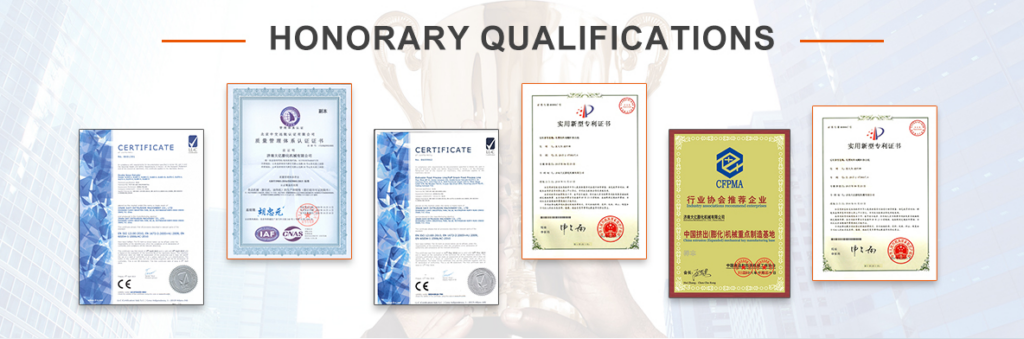
We have ISO and CE certificate.
4.How long is the warranty period?
All of our machines have one year warranty.
5.What’s the main market of your company?
Our customers all over the world.
6.How much production capacity of your company one year?
This depends on your needs.
 Persian
  English
  Russian
  Spanish
  Italian
  Arabic
  Portuguese
  German
  French
  Japanese
  Moroccan Arabic
  Belarusian