
Fish farming has become one of the fastest-growing sectors in the global food industry. As aquaculture continues to expand, the demand for high-quality fish feed is also increasing. Properly processed fish feed plays a critical role in improving fish growth, maintaining water quality, and increasing farming efficiency. This guide provides a comprehensive overview of fish feed processing, including raw materials, equipment, production steps, and key factors for producing high-quality fish feed.
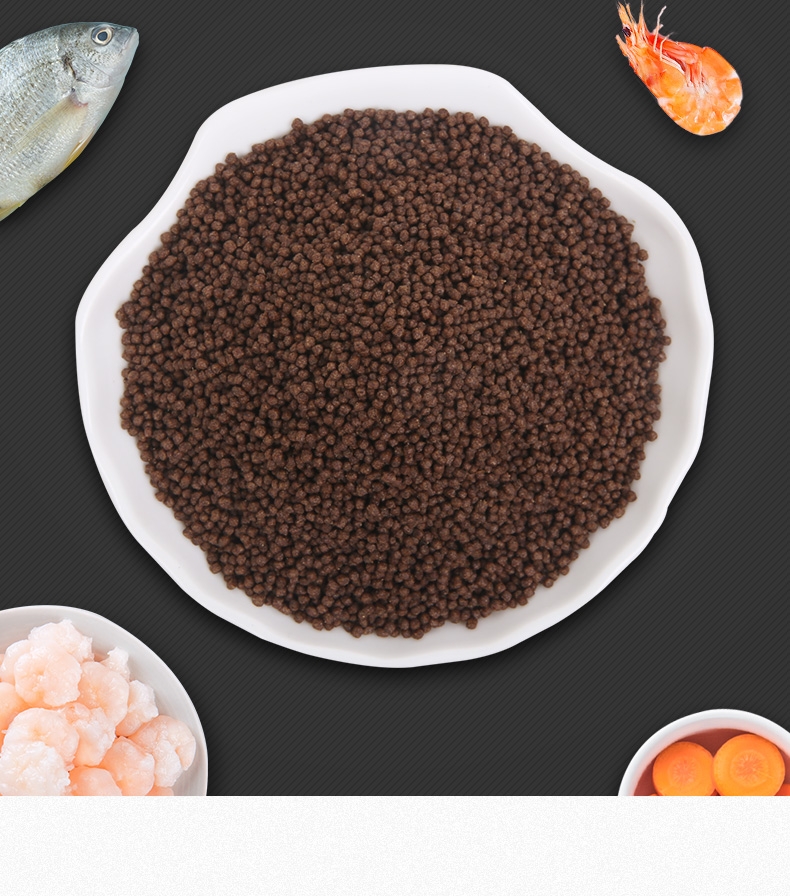
1. Understanding Fish Feed Types
Before starting fish feed processing, it is important to understand the different types of fish feed commonly used in aquaculture.
Floating Fish Feed
Floating feed remains on the water surface and allows farmers to easily observe fish feeding behavior. It is widely used in farming species such as tilapia, catfish, and ornamental fish.
Sinking Fish Feed
Sinking feed gradually sinks to the bottom of the water and is suitable for bottom-feeding fish such as shrimp and certain carp species.
Slow-Sinking Feed
This type of feed sinks slowly in the water, making it suitable for fish that feed in the middle layers of water.
Selecting the right type of feed depends on the feeding habits of the fish species being farmed.
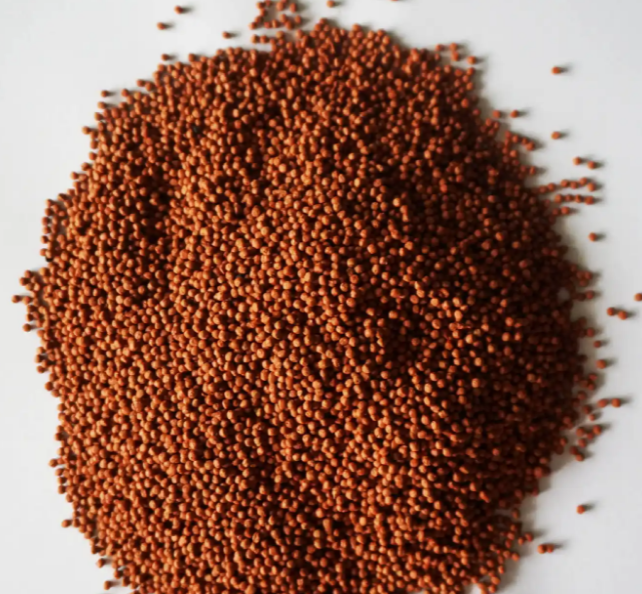
2. Main Raw Materials for Fish Feed
Fish feed is typically produced using a combination of protein sources, carbohydrates, vitamins, and minerals.
Common raw materials include:
- Fish meal
- Soybean meal
- Corn flour or corn meal
- Wheat flour
- Rice bran
- Fish oil or vegetable oil
- Vitamin and mineral premixes
- Amino acids and additives
The formulation of fish feed should be carefully balanced to provide adequate nutrition for fish growth and health.
3. Essential Equipment for Fish Feed Production
A typical fish feed processing line includes several machines that work together to produce high-quality feed pellets.
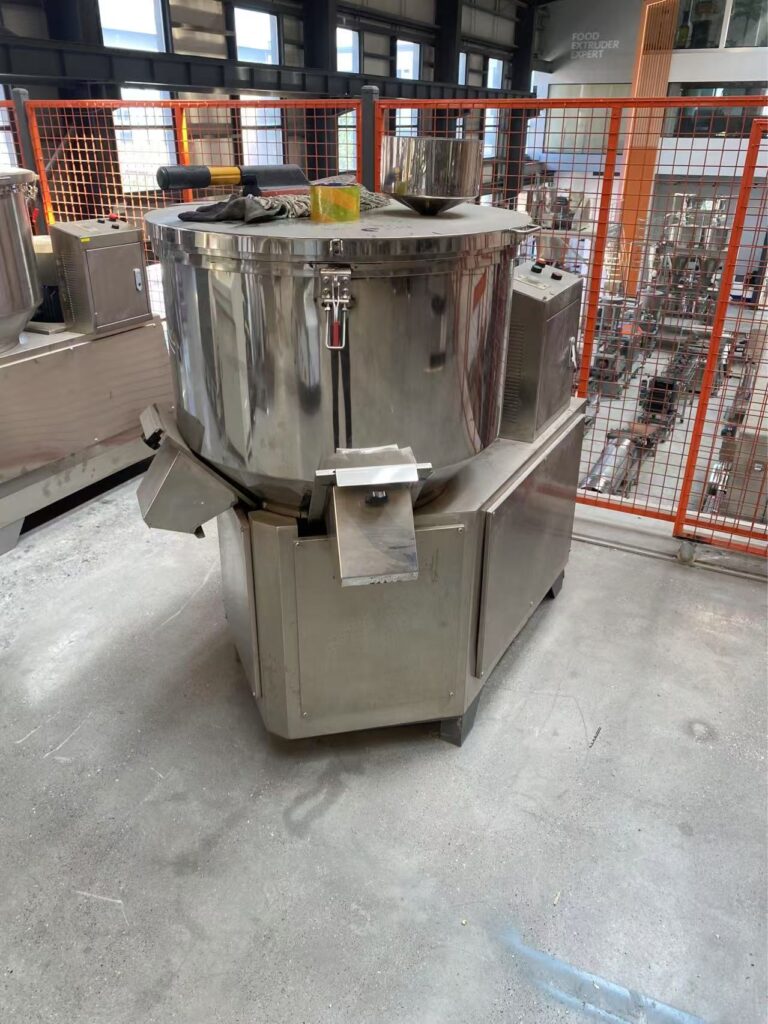
Grinding Machine (Hammer Mill)
This machine grinds raw materials into fine powder, which improves mixing efficiency and pellet quality.
Mixer
The mixer combines different ingredients evenly according to the feed formula.
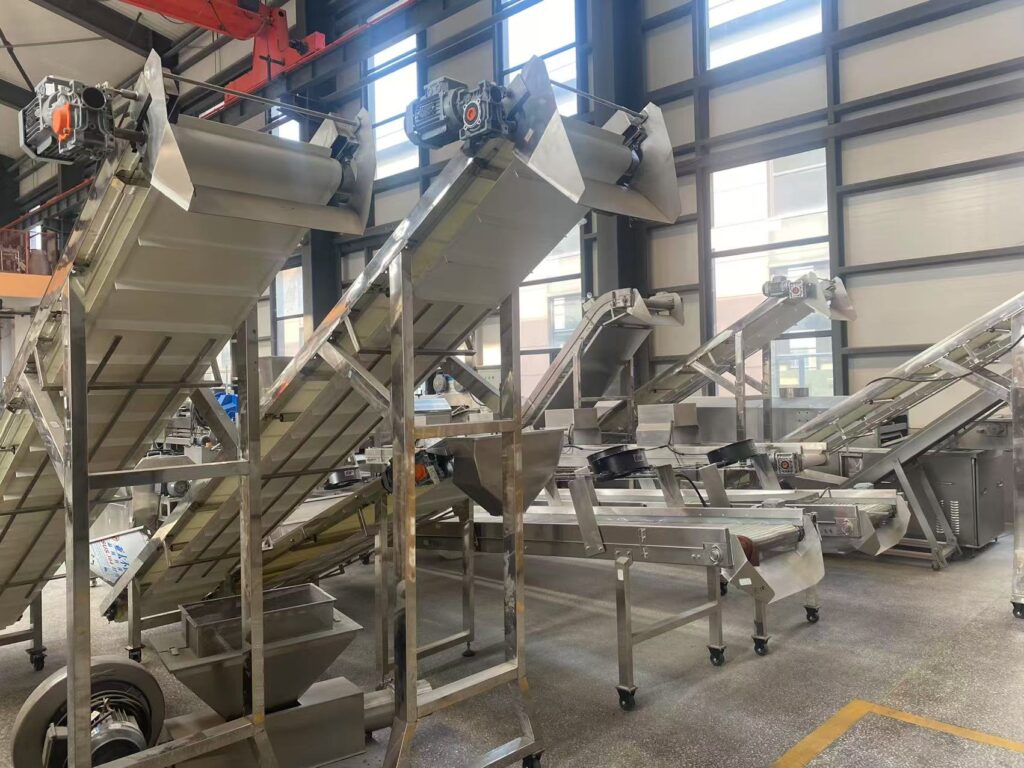
Screw Conveyor
This equipment transports the mixed materials to the next processing stage.
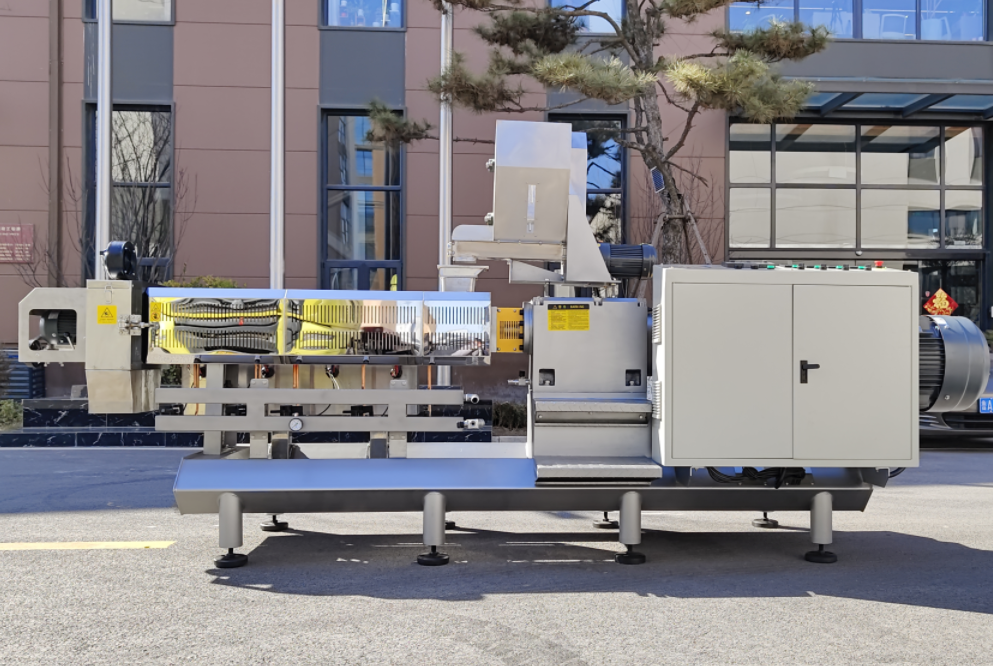
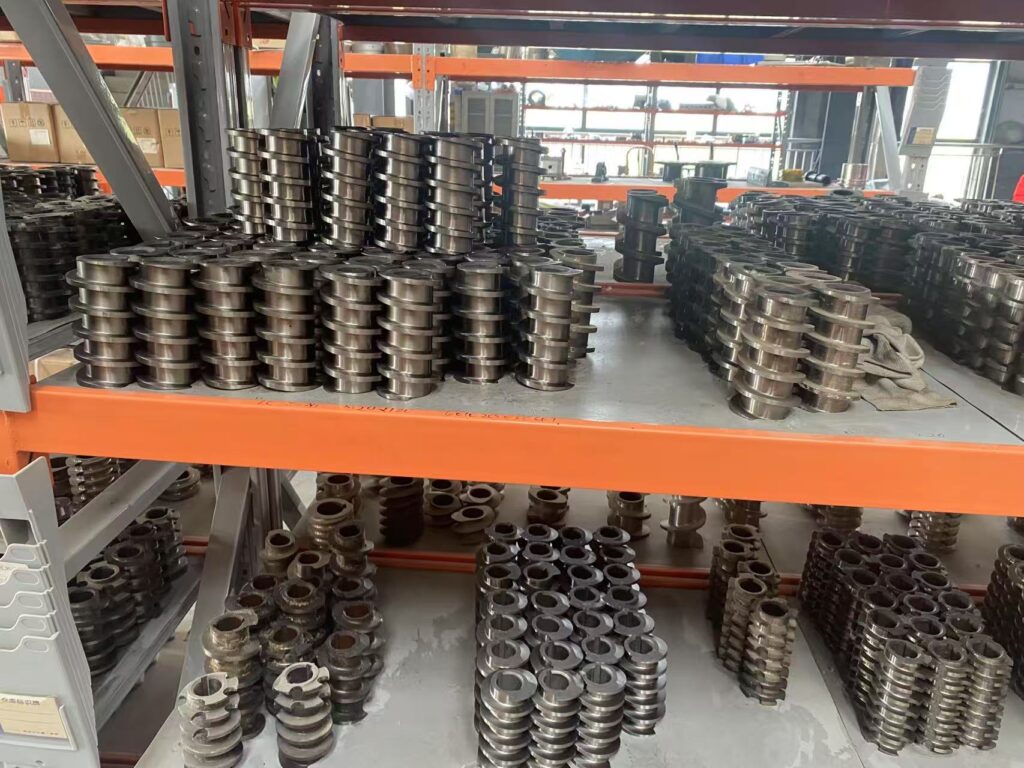
Extruder or Pellet Mill
The extruder is the core machine in fish feed production. It cooks and shapes the feed under high temperature and pressure, producing floating or sinking pellets depending on the settings.
Dryer
The dryer removes excess moisture from the pellets to improve shelf life and product stability.
Oil Sprayer
Oil or liquid nutrients are sprayed onto the pellets to enhance nutritional value and palatability.
Cooling Machine
Cooling reduces the temperature of the pellets and stabilizes their structure before packaging.
Packaging Machine
Finally, the finished fish feed is weighed and packed for storage and distribution.
4. Fish Feed Processing Steps
The fish feed production process generally includes the following steps:
- Raw Material Preparation – Selecting and cleaning raw materials.
- Grinding – Reducing particle size to improve mixing and digestion.
- Mixing – Combining all ingredients according to the feed formulation.
- Extrusion or Pelletizing – Cooking and shaping the feed into pellets.
- Drying – Removing moisture to improve durability and shelf life.
- Oil Coating – Adding oils and flavor enhancers.
- Cooling – Stabilizing the pellets.
- Packaging – Packing the final product for storage or sale.
Each step must be carefully controlled to maintain consistent feed quality.
5. Key Factors Affecting Fish Feed Quality
Several factors influence the quality and performance of fish feed.
Nutritional Balance
Fish require the right balance of protein, fats, carbohydrates, vitamins, and minerals. A well-designed formula ensures optimal growth and health.
Pellet Size
Different fish species and growth stages require different pellet sizes. Small pellets are suitable for juvenile fish, while larger pellets are used for adult fish.
Water Stability
High-quality fish feed should maintain its shape in water long enough for fish to consume it without disintegrating quickly.
Floatability
For floating fish feed, the pellets must have good buoyancy to stay on the water surface.
6. Quality Control and Food Safety
Maintaining strict quality control during fish feed processing is essential. Manufacturers should regularly inspect raw materials, monitor production parameters, and test finished products.
Key quality checks include:
- Pellet hardness and durability
- Moisture content
- Nutritional composition
- Pellet size uniformity
Proper sanitation and equipment maintenance are also important to prevent contamination.
7. Cost Management in Fish Feed Production
Raw materials usually represent the largest portion of production costs. To improve profitability, manufacturers should:
- Optimize feed formulations
- Source raw materials from reliable suppliers
- Reduce waste during production
- Improve equipment efficiency
Good cost management helps maintain competitive pricing while ensuring product quality.
8. Market Opportunities in Fish Feed Production
The global aquaculture industry continues to grow rapidly, creating strong demand for fish feed. Small and medium-sized feed producers can supply local fish farms, aquaculture cooperatives, and ornamental fish markets.
By focusing on product quality, consistent supply, and competitive pricing, fish feed manufacturers can build long-term relationships with customers.
Conclusion
Fish feed processing is a promising business opportunity in the growing aquaculture industry. By selecting high-quality raw materials, using reliable processing equipment, and maintaining strict quality control, manufacturers can produce nutritious and efficient fish feed. With proper planning and management, a fish feed processing operation can achieve both economic success and sustainable growth. If you are interested in the fish feed machine , you can contact me , i will give you good advice and solutions .
1.Will you help us with the installation ?
Yes , We will send engineers to install and debug the equipment, and assist in training your staff.
2.Are you a factory or trading company?
We are a factory.
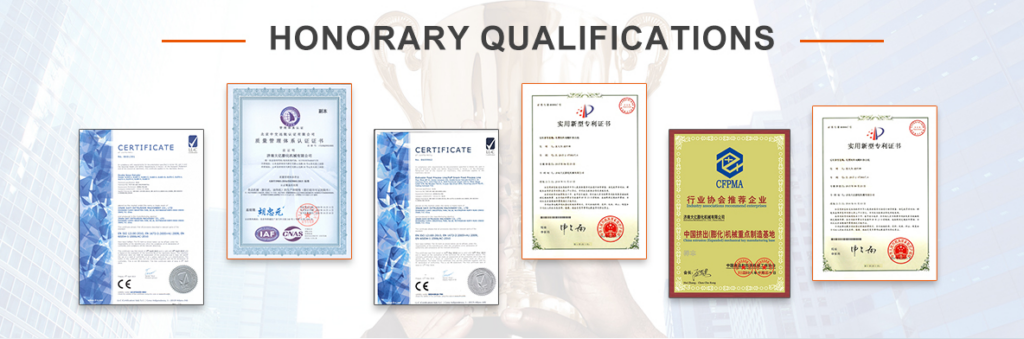
3.What certificate do you have?
We have ISO and CE certificate.
4.How long is the warranty period?
All of our machines have one year warranty.
5.What’s the main market of your company?
Our customers all over the world.
6.How much production capacity of your company one year?
This depends on your needs.
 Persian
  English
  Russian
  Spanish
  Italian
  Arabic
  Portuguese
  German
  French
  Japanese
  Moroccan Arabic
  Belarusian