
Introduction
Drying is one of the most critical unit operations in the production of ready-to-eat breakfast cereals, including the iconic corn flake. Far from being a simple matter of removing water, industrial drying is a precisely controlled process that fundamentally shapes the final product’s texture, flavor, and shelf stability. This article provides a comprehensive examination of how corn flakes are dried during manufacturing, exploring the scientific principles, equipment, and process parameters that transform cooked grain into the crispy cereal consumers expect.
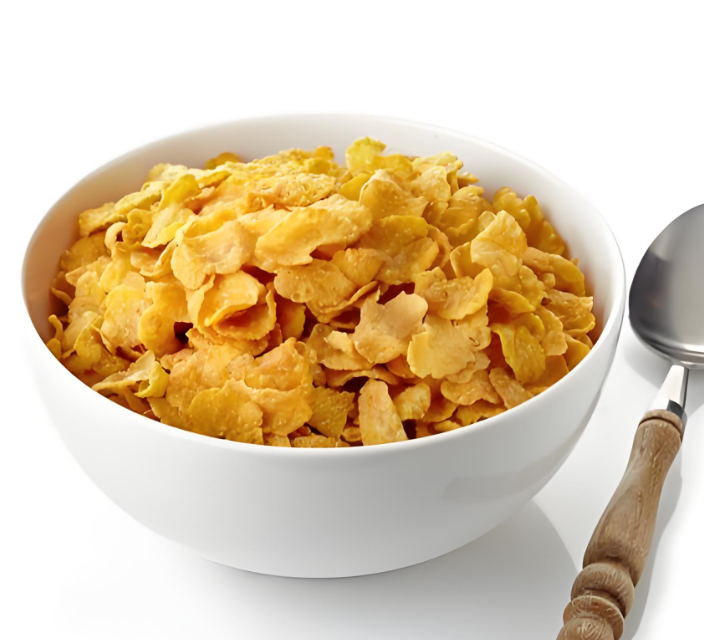
As noted in the authoritative reference “Breakfast Cereals and How They Are Made,” most ready-to-eat breakfast cereals require drying as an intermediate or final processing step. This drying involves the controlled removal of water from the cooked grain and other ingredients to obtain the desired properties—properties essential for further processing such as flaking, toasting, and packaging .
The Fundamental Purpose of Drying
Before examining the specific drying stages, it is essential to understand that drying serves multiple purposes beyond simple moisture removal. The thermal drying process results from simultaneous heat and mass transfer whereby water is vaporized and removed from the product. For particles or pellets of cooked cereal, the dominant mechanism of heat transfer is convection from air to the product, while the major mechanism of mass transfer is diffusion after surface moisture has evaporated .
As industry experts emphasize, “the purpose of drying is not simply to drive off moisture. Moisture removal can most efficiently be done at combustion temperatures. Rather, the purpose is to utilize drying to create the desired product, reliably and repeatedly” . This principle underpins the entire approach to cereal drying—every drying step is designed to achieve specific product characteristics at precisely the right moment in the process.
The Multi-Stage Drying Process for Corn Flakes
Corn flake manufacturing involves not one but several distinct drying operations at different points in the production line. Each stage serves a unique purpose and requires carefully controlled conditions.
Stage 1: Pre-Drying After Cooking
Following the initial cooking of corn grits—typically conducted at 15-18 psi pressure for approximately two hours —the cooked mass emerges with a moisture content of 20-35% . This high-moisture material requires immediate attention.
The pre-drying stage serves several critical functions:
- Preventing agglomeration of the cooked grits
- Preventing product damage during subsequent material handling
- Creating appropriate material properties before flaking
During this stage, the cooked grits are dried at approximately 66°C until the moisture content reaches 19-20% . This controlled moisture reduction transforms the soft, cooked mass into individual grits with the proper consistency for flaking. Following this initial drying, the material is cooled to 30-40°C before proceeding to the flaking operation .
The Critical Role of Tempering
After pre-drying, the partially dried grits undergo a crucial step called tempering. This is not a drying operation per se, but it is intimately connected to the drying process. During tempering, the pieces are held in storage bins for a period ranging from minutes to hours, allowing moisture and temperature to equalize throughout each piece .
The importance of tempering cannot be overstated. Because drying creates a moisture gradient within each particle—with the surface drier than the interior—tempering allows this gradient to dissipate through diffusion. If a pellet is too moist or too dry on the inside, it will not form a good flake. Research has demonstrated that precise control of tempering times significantly reduces the amount of fine material produced during flaking, improving overall manufacturing yield.
Stage 2: Flaking and Subsequent Processing
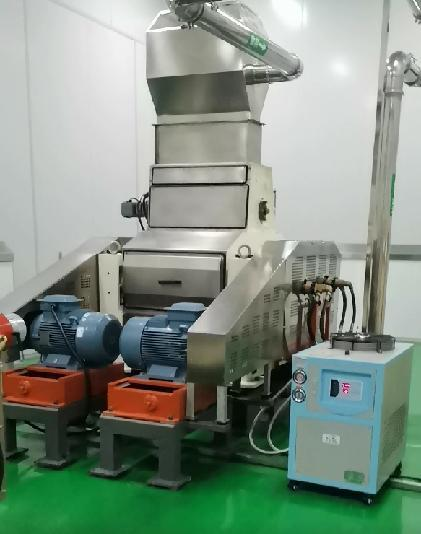
After tempering, the conditioned grits pass through flaking rolls—precision-machined steel rollers that crush the pellets into thin flakes typically 0.7-1.0 mm thick . At this point, the raw flakes still contain approximately 20% moisture and remain limp and pliable. They are not yet the crispy cereal recognizable as corn flakes.
Stage 3: Toasting—The Final Drying Stage
The transformation from raw flake to finished cereal occurs in the toasting oven, which represents the final and most dramatic drying stage. This operation is sometimes distinguished from drying in technical literature, but it is fundamentally a drying process combined with additional thermal treatment.
During toasting, the flakes are conveyed through a multi-zone oven that exposes them to high-velocity hot air at temperatures ranging from 250-350°C for 20-150 seconds . This intense thermal treatment accomplishes multiple objectives simultaneously:
- Rapid moisture reduction: The moisture content plummets from approximately 20% to the final 1-3% required for shelf stability.
- Starch cooking completion: The heat continues to cook the starches that were gelatinized during the initial cooking stage.
- Flavor development: The high temperatures trigger Maillard reactions—chemical interactions between amino acids and reducing sugars—that produce the characteristic golden-brown color and the deep, roasted, toasty flavor associated with corn flakes.
- Texture creation: The rapid expansion of residual moisture within each flake creates the final crispy, crunchy texture. As steam escapes under pressure, it can form the small blisters visible on the surface of a typical corn flake.
The combination of high temperature and precise timing is essential. If the toasting is insufficient, the flakes will be soft and lack crispness. If excessive, they may burn or develop off-flavors. The optimal parameters must be carefully established for each product formulation.
The Drying-Tempering Sequence in Extruded Cereals
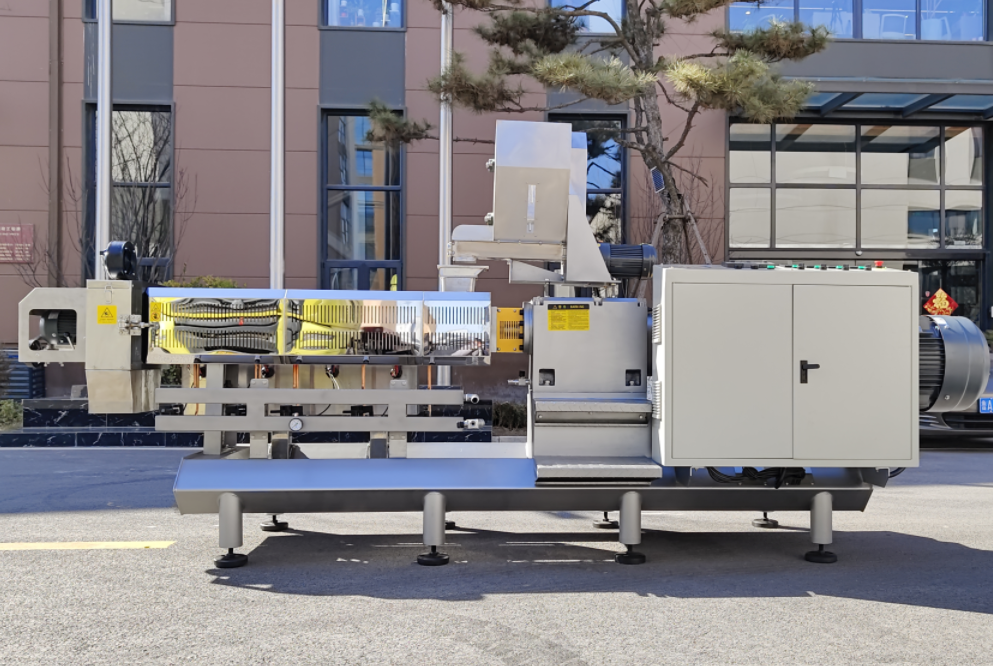
Many modern corn flakes are produced using extrusion cooking rather than traditional batch cooking. In this process, ingredients are mixed, cooked, and formed into pellets in a continuous extruder before drying and flaking . Research has shown that in extrusion-cooked cereals, a drying-tempering step before toasting significantly influences final product quality .
Studies examining the effect of process variables on extruded breakfast cereals have demonstrated that both extrusion temperature and moisture content before toasting significantly affect product quality indices such as hardness and density. Importantly, these processing conditions dramatically influence product softening during immersion in milk—a key aspect of the eating experience .
Scientific Principles Governing Cereal Drying
Understanding how corn flakes are dried requires appreciation of the underlying scientific principles.
Heat and Mass Transfer
The drying process in cereal manufacturing is governed by simultaneous heat and mass transfer. Heat must first transfer from the drying air to the product surface (typically by convection), then conduct into the interior of each piece. Simultaneously, moisture must migrate from the interior to the surface (primarily by diffusion), then evaporate from the surface into the air stream .
The rate of drying depends on several factors:
- Air temperature: Higher temperatures increase the driving force for heat transfer
- Air humidity: Drier air can accept more moisture
- Air velocity: Faster air movement reduces the boundary layer at the product surface
- Product characteristics: Size, shape, and internal structure affect moisture diffusion rates
Optimal Drying Conditions
Research has quantified the optimal drying parameters for corn flakes. A 2018 study investigating the impact of drying temperatures on corn flake quality concluded, based on analysis of physical, chemical, and antioxidant properties, that the optimal drying temperature for corn flakes is 84°C . This finding underscores the precision required—temperatures too low may not achieve proper texture development, while temperatures too high may degrade nutritional quality.
The assumption of constant temperature and relative humidity inside the dryer is critical to process control. As technical literature notes, “this assumption is not trivial, since the rate of drying and the driving forces for drying are substantially affected by both temperature and relative humidity” .
Drying Equipment for Cereal Manufacturing
The equipment used for drying corn flakes varies by stage and production scale.
Pre-Dryers
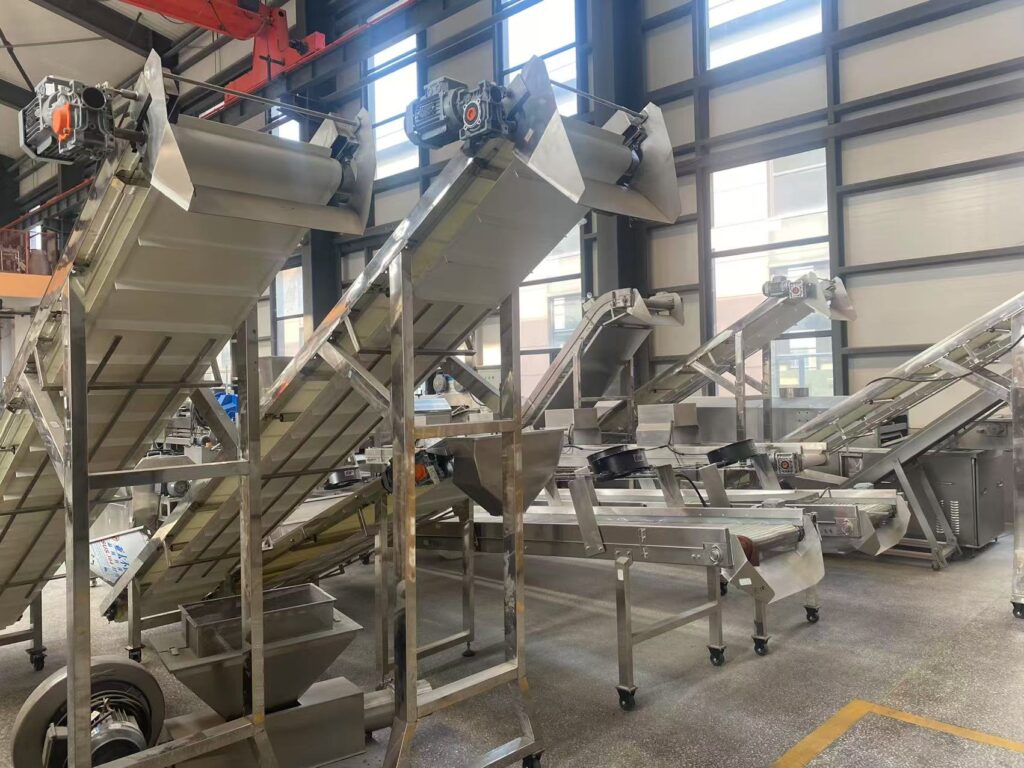
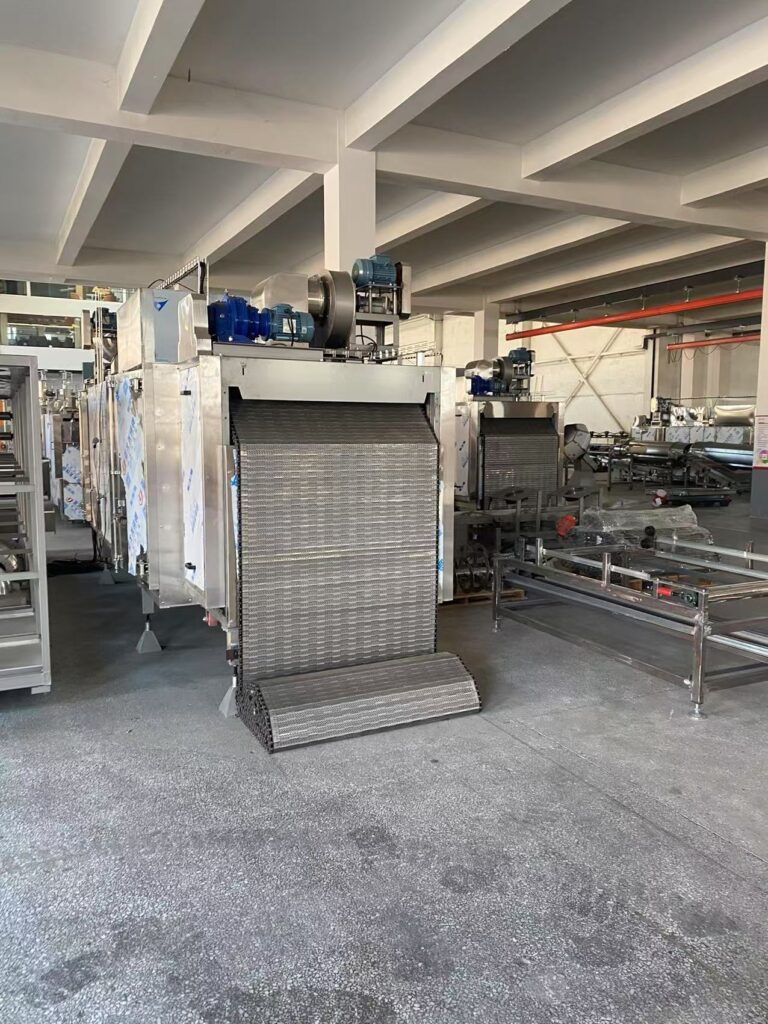
For the initial drying of cooked grits or extruded pellets, manufacturers typically employ continuous conveyor dryers. These consist of perforated belts through which conditioned air is directed. The design must ensure uniform airflow through the product bed to achieve consistent moisture content across all particles.
Toasting Ovens
The final toasting stage uses specialized ovens designed to deliver high-temperature air at controlled velocities. Modern facilities may employ fluidized bed toasters, where the product is suspended in an air stream, ensuring uniform heat treatment and rapid moisture removal . Fluidized bed technology offers advantages in heat transfer efficiency and product uniformity.
Coating Dryers
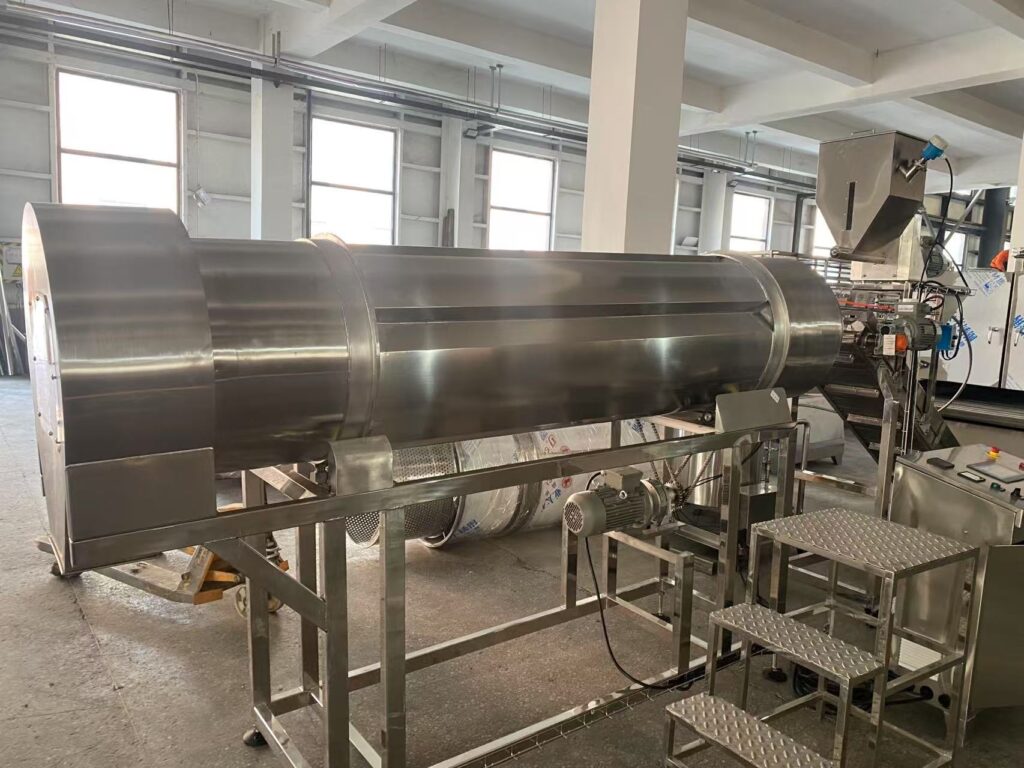
Many corn flakes receive additional treatments after toasting, such as sugar coatings or vitamin fortification. When sugar syrups are applied, another drying step is required to set and harden the coating and remove the moisture introduced with the syrup . These dryers operate at lower temperatures than toasting ovens to prevent burning the added sugars.
Quality Considerations in Drying
Throughout the drying process, manufacturers must balance multiple quality parameters.
Moisture Uniformity
The existence of moisture gradients within and between cereal particles must be minimized through proper dryer design and operation, supplemented by tempering steps where necessary. Uniform moisture content ensures consistent texture and shelf stability.
Nutritional Retention
Because some vitamins can be destroyed by high heat, manufacturers often spray vitamins onto the cereal after toasting, ensuring that the final product delivers the nutritional profile promised on the package. This practice recognizes that the drying process, while essential for texture development, can compromise heat-sensitive nutrients.
Texture Development
The final eating quality depends critically on the drying profile. Products with the same density but processed at different extrusion temperatures show different water uptake and softening rates when immersed in milk . This demonstrates that the thermal history during processing—including drying—affects not just initial crispness but how the cereal behaves in the bowl.
Conclusion
The drying of breakfast cereal corn flakes is far more complex than simply removing water. It is a multi-stage, precisely controlled process that transforms cooked grain into a stable, flavorful, and texturally appealing product. From initial pre-drying that prepares material for flaking, through tempering that ensures moisture uniformity, to the final high-temperature toasting that creates color, flavor, and crispness—each drying step is carefully designed to contribute specific properties to the finished cereal.
Research continues to refine our understanding of optimal drying parameters, with recent studies identifying specific temperatures that best preserve quality while achieving desired characteristics. As manufacturing technology advances, with innovations like fluidized bed toasting and improved process control, the ability to consistently produce high-quality corn flakes continues to improve.
The next time you pour milk over a bowl of corn flakes, you can appreciate the sophisticated drying science that transformed simple corn grits into that satisfyingly crispy cereal—a process that represents one of food engineering’s most elegant achievements. If you are interested in the corn flakes machine , you can contact me , i will give you good advice and solutions .
1.Will you help us with the installation ?
Yes , We will send engineers to install and debug the equipment, and assist in training your staff.
2.Are you a factory or trading company?
We are a factory.
3.What certificate do you have?
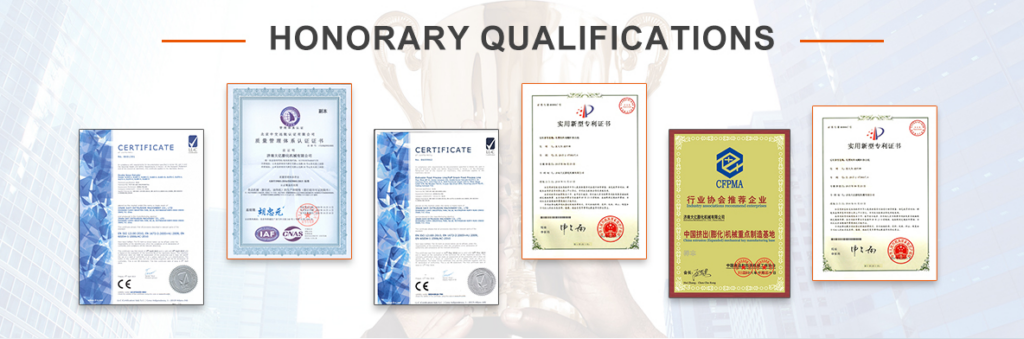
We have ISO and CE certificate.
4.How long is the warranty period?
All of our machines have one year warranty.
5.What’s the main market of your company?
Our customers all over the world.
6.How much production capacity of your company one year?
This depends on your needs.
 Persian
  English
  Russian
  Spanish
  Italian
  Arabic
  Portuguese
  German
  French
  Japanese
  Moroccan Arabic
  Belarusian