
Introduction
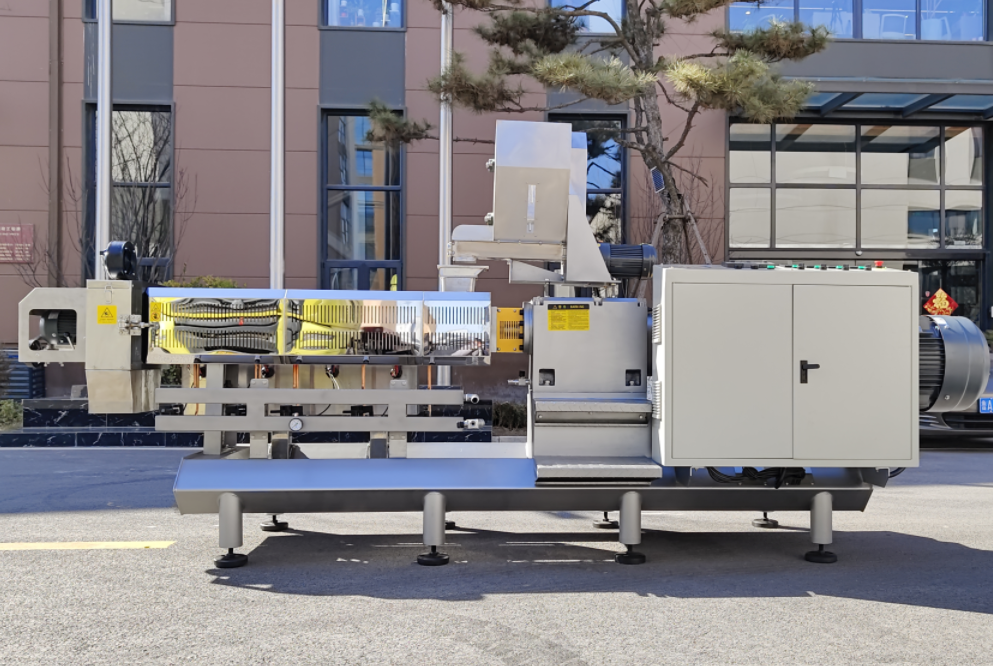
The twin-screw extruder is the heart of many modern food processing operations, from breakfast cereals and snacks to texturized vegetable protein and, notably, puffed breadcrumbs. Its ability to continuously cook, mix, shear, and shape materials makes it incredibly versatile, yet technically demanding. Unlike single-screw machines, twin-screw extruders offer greater control but also present unique operational challenges.
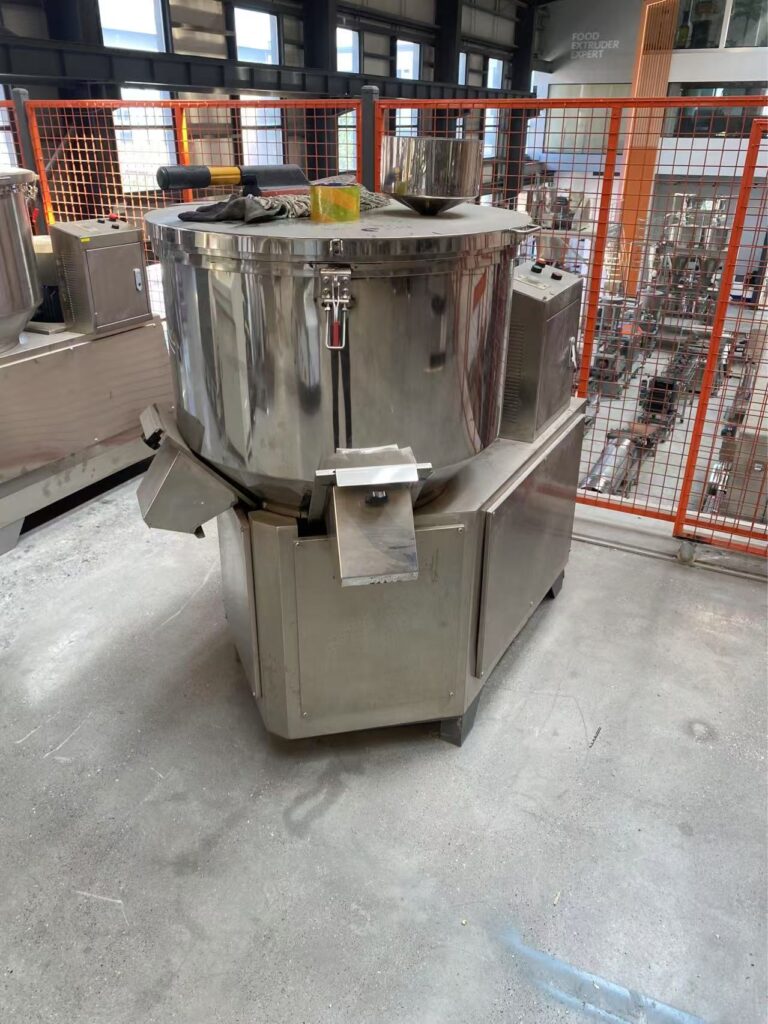
Proper operation is essential to prevent mechanical failure, ensure product quality, and maintain safety. This article outlines the critical considerations for operators and maintenance teams when running a twin-screw extrusion line.
1. Pre-Startup Checks: The Foundation of Safety
Before pressing the start button, a systematic inspection is non-negotiable.
- Screw and Barrel Configuration: Verify that the screw elements (conveying, kneading, reverse elements) are assembled in the correct sequence for your specific recipe. An incorrect configuration will lead to improper mixing, burning, or excessive wear.
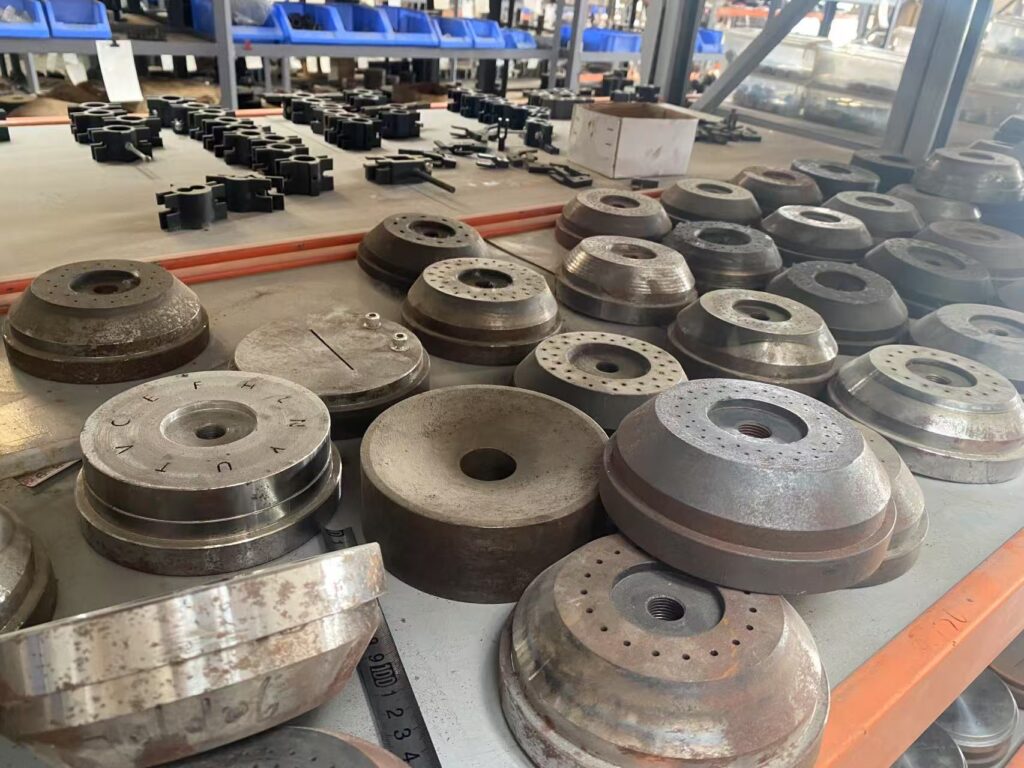
- Die Plate Condition: Inspect the die for blockages or damage. A partially blocked die creates dangerous pressure buildup.
- Barrel Alignment: Ensure the barrels are correctly clamped and aligned. Misalignment causes screw rubbing, leading to metal contamination and catastrophic failure.
- Safety Guards: Confirm that all interlocks and safety guards are in place and functional. Never operate with guards removed.
2. Process Parameter Control: The Art of Balance
Extrusion is a science of interdependent variables. Small changes in one area cascade into others.
- Moisture Content: The feed moisture is critical. Too little moisture causes high torque, excessive wear, and burning. Too much moisture results in a soggy product, lack of expansion (puff), and potential slip in the barrel (loss of conveying efficiency). Pre-conditioning the raw material is often essential.
- Temperature Profile: The barrel is divided into zones. The temperature must be profiled correctly:
- Feeding Zone: Usually cooled to prevent sticking and premature cooking.
- Cooking/Kneading Zones: High temperatures to gelatinize starches or denature proteins.
- Die Zone: Often cooled slightly to create a stable “skin” on the product as it exits.
- Deviating from the recipe’s profile will ruin product texture and color.
- Screw Speed (RPM): RPM directly controls shear rate and residence time. Higher RPM increases mechanical energy input (SME), which can aid puffing but also risks degrading heat-sensitive ingredients or burning the product.
- Feed Rate: The extruder must be “starve-fed” or “flood-fed” according to its design. Starve-fed extruders (common in twin-screw) must have a consistent, calibrated feeder. Fluctuations cause surging—uneven output and density.
3. Monitoring Torque and Pressure
These are the vital signs of your extruder’s health.
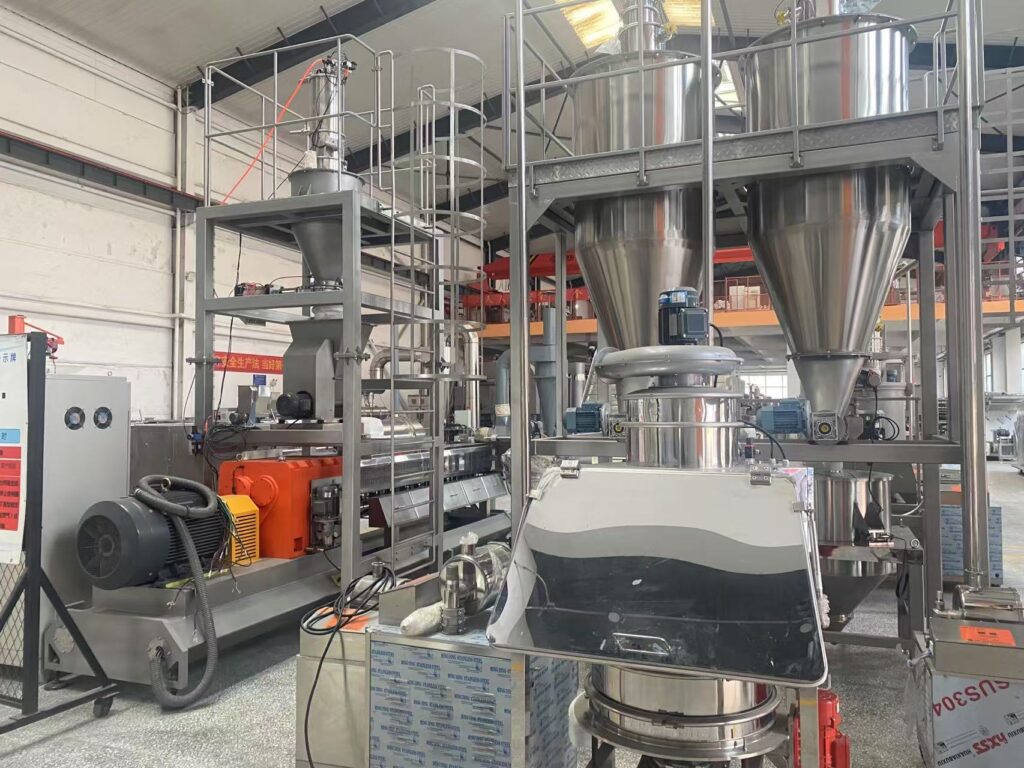
- Torque (% Motor Load): This indicates how hard the screws are working. A sudden spike in torque suggests a blockage (die plugging) or a change in recipe viscosity. Operating consistently above 85-90% of rated torque risks shearing the screw shaft or damaging the gearbox.
- Die Pressure: High pressure is necessary for expansion, but excessive pressure can blow the die off or cause a “screw-back” (product shooting back out the feed throat). Monitor the pressure transducer closely during startups.
4. Wear and Tear Management
Twin-screw extruders are subject to extreme abrasion, especially when processing materials with high fiber or minerals (like rice, corn, or certain proteins).
- Abrasive Ingredients: Ingredients like sugar, salt, and minerals act as abrasives. Operators must track production hours and monitor product quality for signs of wear (e.g., decreasing SME, poor mixing).
- Screw and Liner Inspection: Regularly schedule inspections of the screw elements and barrel liners. Worn screws lose their conveying efficiency; they cannot generate the necessary pressure. Tungsten carbide coatings or bi-metallic liners should be inspected for chipping or polishing.
- Keep a Log: Maintain a detailed log of which screw elements are installed and for how many hours they have run. This predictive maintenance approach prevents unexpected downtime.
5. Startup and Shutdown Procedures
Improper startup and shutdown are leading causes of blockages (“freeze-offs”).
- Startup: Never start feeding raw material into a cold extruder. Bring the barrels up to set temperature and allow them to soak (heat soak) for 15-30 minutes to ensure thermal stability throughout the metal. Begin feeding at a low rate, gradually increasing to target.
- Shutdown: The shutdown process is designed to clear the barrel of product.
- Stop feeding raw material.
- Introduce a “purge” material (often soaked breadcrumbs, oats, or a commercial purging compound) to push the remaining product out.
- Once the barrel is clear, reduce RPM and turn off heaters, allowing the extruder to run cool before finally stopping the screws. Never let a hot extruder sit full of stagnant product—it will harden and lock the screws solid.
6. Hygiene and Sanitation
In food production, sanitation is safety.
- Schedule Cleaning: Extruders are difficult to clean. Establish a schedule for wet cleaning (for allergen changes) or dry cleaning (for same-product runs).
- Dead Spots: Be aware of areas where product can accumulate—kneading block tips, die back-plates, and vent stuffers. These areas can harbor spoilage organisms.
- Flush with Care: When flushing with water, ensure the machine is cool enough to prevent steam explosions, and ensure all water is purged before the next production run to avoid rust or hydraulic locking.
7. Safety Protocols: The Human Element
- Hot Surfaces: Barrel temperatures often exceed 150°C (300°F). Ensure operators wear appropriate heat-resistant gloves.
- Product Ejection: When the die is cut, hot product and steam are ejected with force. Operators should never place their face or hands directly in front of the die during operation.
- Lockout/Tagout (LOTO): Strict adherence to LOTO procedures is mandatory during any maintenance, cleaning, or jam clearing.
Conclusion
The twin-screw extruder is a powerful tool, but it demands respect and technical knowledge. By adhering to rigorous pre-start checks, maintaining strict control over process parameters, and committing to proactive maintenance, operators can ensure consistent product quality, maximize equipment lifespan, and maintain a safe working environment. Mastery of these operational nuances is what separates a successful extrusion operation from one plagued by downtime and rejects.
 Persian
  English
  Russian
  Spanish
  Italian
  Arabic
  Portuguese
  German
  French
  Japanese
  Moroccan Arabic
  Belarusian