
Introduction
Rice is the primary source of sustenance for over 3.5 billion people worldwide, yet polished white rice—the form most commonly consumed—is predominantly starch, stripped of the vitamins, minerals, and bioactive compounds concentrated in the bran and germ . This nutritional inadequacy has driven the development of a sophisticated array of processing technologies designed to transform ordinary rice into nutritionally enriched rice, capable of addressing widespread micronutrient deficiencies and chronic disease burdens.
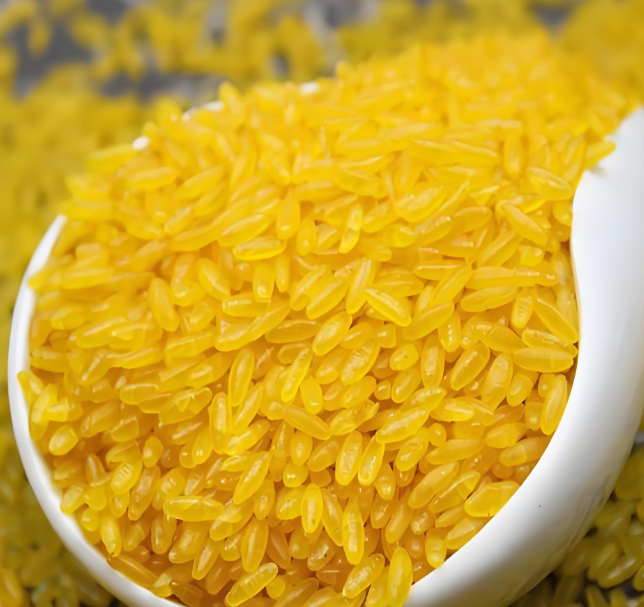
Today, the term “nutritional rice” encompasses multiple distinct product categories: fortified rice with added vitamins and minerals, germinated brown rice with enhanced bioactive compounds, high-resistant starch rice for glycemic control, and colored rice varieties with preserved anthocyanins . Each category demands specific processing approaches. This article synthesizes current scientific and industrial knowledge to explain how nutritional rice is systematically engineered from paddy to plate.
1. Foundational Concepts: Understanding the Nutritional Target
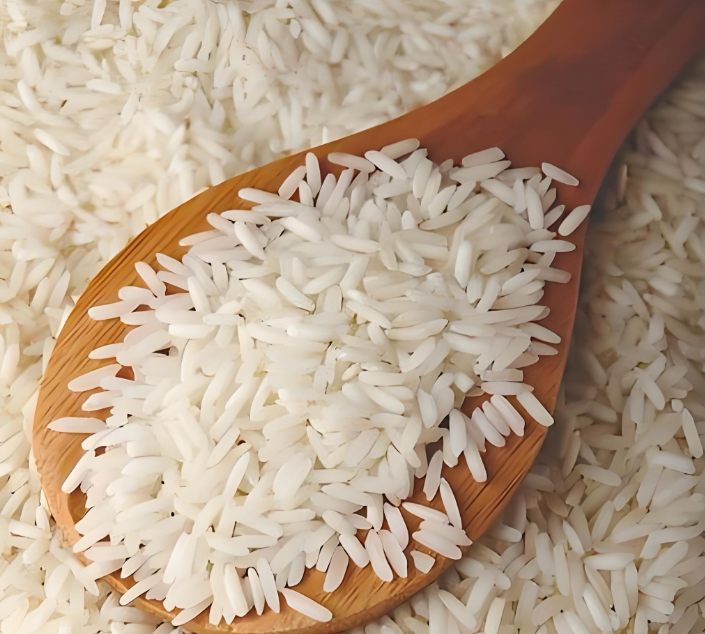
Before examining specific technologies, it is essential to understand what processing seeks to achieve. Conventional rice milling removes the husk, bran layer, and germ, leaving the starchy endosperm. While this produces the familiar white grain with superior cooking quality and extended shelf life, the nutritional cost is severe: polishing removes 75–90% of iron, zinc, copper, and magnesium, and substantial portions of B vitamins and dietary fiber .
Nutritional rice processing therefore pursues three strategic objectives:
| Objective | Description | Key Technologies |
|---|---|---|
| Nutrient Restoration | Replacing micronutrients lost during milling | Coating, dusting, extrusion |
| Nutrient Enhancement | Increasing levels beyond native content | Parboiling, germination, biofortification |
| Bioactivity Preservation | Retaining heat-sensitive phytochemicals | Low-temperature drying, high-pressure processing |
These objectives are pursued through either whole-grain approaches (enhancing brown rice’s inherent nutrients) or reconstitution approaches (creating fortified kernels that mimic white rice) .
2. Extrusion Technology: The Dominant Platform for Fortified Rice
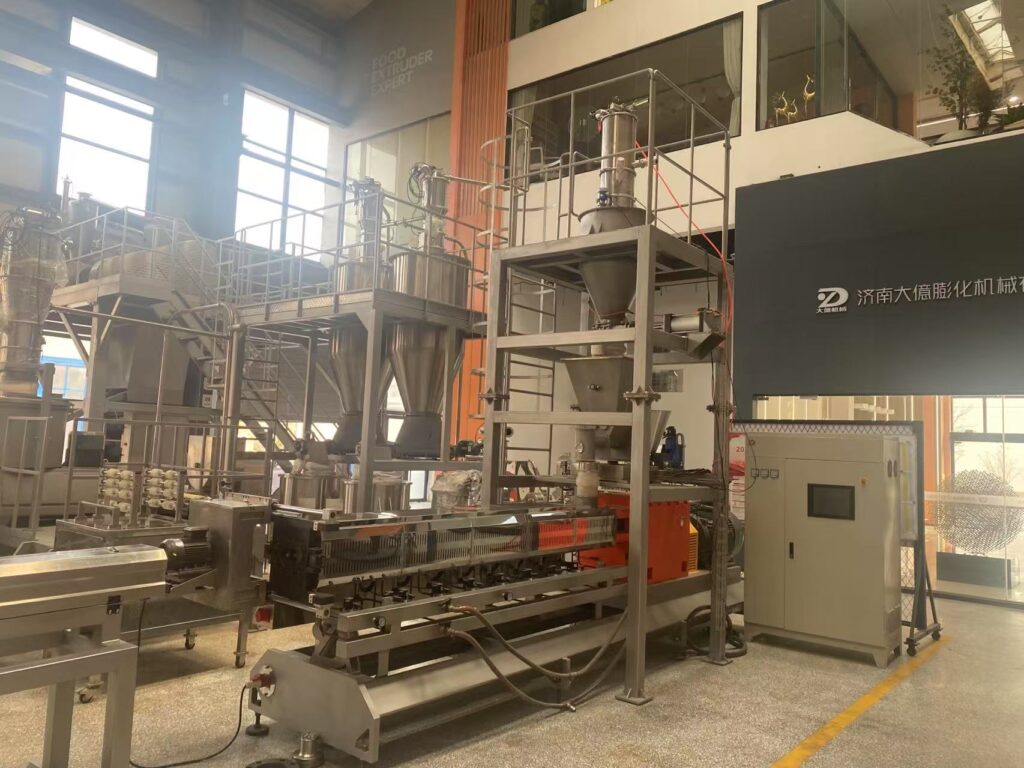
Extrusion has emerged as the most commercially significant technology for producing nutritionally enhanced rice, particularly fortified rice kernels (FRK). The process fundamentally reconstructs rice from its constituent flour, enabling precise nutrient dosing and consistent product quality .
2.1 The Extrusion Process Explained
The extrusion production of fortified rice kernels follows a systematic sequence:
Raw Material Preparation: Broken rice—an abundant, low-value milling byproduct—is ground into flour with controlled particle size distribution. This practice transforms agricultural waste into valuable nutritional intervention material .
Dry Mixing: The rice flour is thoroughly blended with a precisely formulated micronutrient premix. Common additions include iron (as ferric pyrophosphate or NaFeEDTA), zinc oxide, folic acid, vitamin B12, and vitamin A. For fiber-fortified products, insoluble and soluble dietary fibers are incorporated at specified ratios .
Conditioning: The dry blend is conditioned with steam and water to achieve optimal moisture content (typically 20–30%) for extrusion. This hydration step is critical for starch gelatinization and dough development .
Extrusion Cooking: The conditioned material enters the extruder barrel, where mechanical shear and thermal energy cook the starch under controlled conditions. Key parameters include:
- Temperature: Ranging from 70°C (cold extrusion) to 110–180°C (hot extrusion)
- Screw speed: Typically 120–160 rpm, influencing shear intensity and residence time
- Die configuration: Determines kernel shape and density
As the material exits the die, it expands to form rice-shaped kernels. Research demonstrates that optimized extrusion at 90°C with 20% moisture produces fortified kernels with excellent nutrient retention and physical integrity .
Drying and Cooling: Freshly extruded kernels contain excess moisture and must be carefully dried to prevent fissuring. Modern facilities employ advanced drying and cooling conveyor systems that enable efficient moisture removal to 14% or below, allowing immediate packaging and distribution .
Blending: The final critical step involves blending fortified kernels with natural polished rice at ratios typically ranging from 1:50 to 1:200, ensuring that consumers receive targeted nutrient levels without perceptible differences in appearance or cooking behavior .
2.2 Advanced Extrusion Variants
Supercritical Fluid Extrusion (SCFX) represents a significant technological refinement. By injecting supercritical carbon dioxide (SC-CO₂) into the extruder barrel, processors achieve two simultaneous benefits: SC-CO₂ acts as a viscosity-reducing plasticizer and as a blowing agent for expansion. This enables extrusion at substantially lower temperatures (approximately 100°C versus 130–180°C for conventional steam-based systems). The lower thermal load dramatically improves retention of heat-labile nutrients: SCFX achieves 55–58% retention of vitamin A, 64–76% retention of vitamin C, and 98.6% retention of all essential amino acids including lysine—a particularly heat-sensitive amino acid typically degraded during high-temperature processing .
Gelatinization-Induced Whole Grain Rice Fortification (GIWGRF) offers an alternative to extrusion for whole-grain applications. This technique involves soaking pre-gelatinized rice (with approximately 57% degree of gelatinization) in micronutrient solution, followed by brief steaming (60–140 seconds at 105°C) and low-temperature drying (38°C). Optimized processing achieves 98% micronutrient uptake with 64–84% retention after cooking, all without altering the rice’s physicochemical or cooking properties—a significant advantage for consumer acceptance .
3. Parboiling: Traditional Technology, Modern Nutritional Applications
Parboiling predates modern extrusion by centuries but remains nutritionally relevant. The process involves three stages: soaking paddy in water, steaming to gelatinize starch, and drying before milling.
From a nutritional perspective, parboiling drives water-soluble vitamins and minerals from the bran and germ into the endosperm before these nutrient-rich layers are removed during milling. Consequently, parboiled rice retains substantially more thiamine, riboflavin, niacin, iron, and zinc than raw-milled white rice .
However, not all parboiling is equal. Research comparing rudimentary versus improved parboiling methods demonstrates that improved parboiling—characterized by better temperature control and reduced processing time—produces rice with significantly higher mineral retention. Additionally, parboiling increases resistant starch content and reduces glycemic index compared to conventionally milled rice, offering metabolic benefits beyond simple micronutrient fortification .
The critical trade-off lies in consumer acceptance. Parboiled rice possesses distinctive amber coloration, firmer texture, and altered flavor profile—characteristics that some populations prefer but others reject. This sensory divergence limits parboiling’s universal applicability as a nutritional intervention strategy .
4. Germination: Biological Activation of Nutritional Potential
Germination (sprouting) represents a fundamentally different approach to nutritional enhancement: rather than adding external nutrients, it unlocks latent nutritional potential within the grain itself.
Process: Brown rice is steeped in water (typically 25–35°C for 8–24 hours), drained, and allowed to germinate under controlled humidity for 24–48 hours until the embryonic axis emerges. This biological activation triggers enzymatic transformations: endogenous phytases degrade phytic acid (an antinutrient that chelates minerals), proteases hydrolyze storage proteins into bioactive peptides, and amylases partially depolymerize starch. Crucially, germination stimulates de novo synthesis of γ-aminobutyric acid (GABA), a neurotransmitter with hypotensive and anxiolytic properties .
Nutritional Outcomes: Systematic meta-analysis of 133 peer-reviewed studies confirms that germination significantly elevates concentrations of GABA, ferulic acid, vitamin E, and various phenolic compounds. Germinated brown rice beverages contain significantly higher total lipids and lipid-related beneficial compounds compared to non-germinated controls .
Commercial Applications: The United States Department of Agriculture has developed green technologies to produce free-flowing germinated brown rice beverages with minimal GRAS (Generally Recognized as Safe) additions. These products deliver enhanced nutrition while maintaining acceptable sensory profiles .
Temporal Optimization: Critical to successful germination processing is establishing precise temporal boundaries. Early germination (first 24 hours) favors de novo synthesis of beneficial phytonutrients; extended germination risks catabolic losses of macronutrients. Processors must therefore establish variety-specific germination windows that maximize bioactive accumulation while preserving yield and functional properties .
5. Colored Rice Processing: Preserving Delicate Phytochemicals
Black, red, and purple rice varieties contain substantial concentrations of anthocyanins and proanthocyanidins—flavonoid pigments with potent antioxidant, anti-inflammatory, and anti-diabetic activities. However, these bioactive compounds are thermally labile and readily degraded by conventional processing .
Processing Challenges: Traditional rice milling, designed for maximum whiteness and storage stability, aggressively removes the pigmented bran layers where anthocyanins are concentrated. Furthermore, high-temperature extrusion and prolonged cooking accelerate anthocyanin degradation through oxidation and thermal cleavage.
Emerging Solutions: Contemporary research has identified several processing strategies that preserve pigmented rice bioactivity:
- Mild fractionation: Precision milling systems that selectively remove only the non-pigmented outer pericarp while retaining pigmented aleurone layers
- Low-temperature drying: Vacuum freeze-drying and microwave-assisted drying at reduced power settings minimize thermal degradation
- Extrusion optimization: Specific extrusion parameters can paradoxically increase measurable anthocyanin content in black rice bran by liberating bound phenolic compounds from the food matrix, thereby improving bioavailability despite some absolute losses
- Ultrasound-assisted processing: Enhances pigment extraction and stabilization while reducing thermal exposure
Novel Variety Development: Processing begins even before the grain enters the facility. Radiation-induced mutagenesis using γ-ray radiation has successfully developed new colored rice varieties with enhanced anthocyanin content and improved processing stability, demonstrating the integration of breeding and processing sciences .
6. High-Resistant Starch Rice: Processing for Glycemic Control
With rising global diabetes prevalence, processing technologies that reduce rice’s glycemic impact have attracted intense research interest.
Resistant starch (RS) refers to starch fractions that escape small-intestinal digestion and undergo colonic fermentation, producing short-chain fatty acids that improve insulin sensitivity and gut health. Conventional white rice contains minimal RS (typically <3%). Processing interventions can substantially elevate this .
Extrusion for Resistant Starch: Extrusion cooking under optimized conditions (moderate temperature, controlled shear, adequate moisture) promotes starch retrogradation upon cooling—a recrystallization process that renders starch resistant to enzymatic hydrolysis. One study demonstrated that fiber-fortified extruded rice analogues increased resistant starch content from 12.42% to 16.50%—a clinically meaningful elevation .
Retrogradation Processing: Separate from extrusion, controlled cooling and storage of gelatinized rice promotes amylose retrogradation and RS formation. This principle underlies certain “cook-chill” rice products positioned for glycemic management.
7. Emerging and Novel Processing Technologies
The nutritional rice processing landscape continues to evolve with several innovative approaches:
High-Pressure Processing (HPP): This non-thermal technology subjects rice grains to extreme isostatic pressure (400–600 MPa). HPP achieves microbial inactivation without thermal degradation of pigments or vitamins. Additionally, high-pressure impregnation can drive micronutrients into the grain interior without the fissuring associated with atmospheric soaking .
Cold Plasma Technology: Atmospheric cold plasma treatment modifies starch granular structure and can deposit micronutrient films on grain surfaces. This emerging technology offers potential for fortification without water consumption or thermal damage .
Ultrasonication: High-frequency sound waves create cavitation bubbles that disrupt the grain surface and enhance micronutrient uptake during soaking. Ultrasonic treatment of milled rice significantly increases vitamin B5 (pantothenic acid) absorption capacity .
Pre-Harvest Fortification: Agronomic biofortification involves foliar application of micronutrient fertilizers (zinc, selenium, iodine) during grain filling. Nutrients absorbed through leaves are translocated to developing grains, achieving fortification without post-harvest processing. While less precise than industrial fortification, this approach reaches farmers in remote areas without access to centralized processing facilities .
8. Industrial Implementation: The Fortified Rice Kernels Pilot Plant
The translation of extrusion technology from laboratory to industrial scale is exemplified by the Fortified Rice Kernels Pilot Plant at CSIR-National Institute for Interdisciplinary Science and Technology in India. This state-of-the-art facility, inaugurated in April 2025, demonstrates the maturity of extrusion-based fortification technology .
Operational Specifications:
- Continuous production capacity: 30–50 kilograms per hour
- Integrated drying and cooling conveyor systems
- Indigenous technology platform developed specifically for local nutritional priorities
- Produces kernels enriched with essential vitamins and minerals that are “virtually indistinguishable from natural rice”
Broader Mission: Beyond production, the facility serves as an innovation and training hub for start-ups, food safety professionals, and public health experts—recognizing that technology transfer and workforce development are essential complements to hardware installation .
9. Quality Control and Stability Considerations
Successful nutritional rice processing extends beyond initial nutrient incorporation to ensure stability throughout distribution and domestic preparation.
Washing Loss: Significant fractions of surface-adhered nutrients are lost when consumers traditionally wash rice before cooking. Extruded kernels, which encapsulate micronutrients within the starch matrix, demonstrate superior washing retention (60–90% depending on processing parameters) compared to coated or dusted products. Gelatinization-induced fortification achieves 60–73% washing retention with moderate processing, rising to 80–90% with more extensive gelatinization .
Cooking Retention: Thermal degradation and leaching during boiling further reduce final nutrient intake. Optimized processing achieves 30–84% cooking retention, with higher gelatinization degrees improving retention at the cost of increased kernel fragility. Supercritical fluid extrusion, with its lower thermal exposure, demonstrates superior vitamin retention .
Sensory Equivalence: Perhaps the most critical quality parameter is invisibility. Nutritional rice fails if consumers reject it due to atypical appearance, odor, texture, or flavor. Successful technologies produce fortified kernels that, when blended at recommended ratios, are indistinguishable from conventional rice during washing, cooking, and consumption .
Conclusion: An Integrated Processing Landscape
The production of nutritional rice is not a single technology but an integrated processing landscape spanning mechanical, thermal, biological, and emerging physical interventions. Extrusion dominates industrial fortification programs due to its precision, scalability, and nutrient encapsulation capability. Parboiling offers a traditional pathway with established nutritional benefits. Germination unlocks the grain’s latent biosynthetic capacity. Colored rice processing demands gentle handling to preserve delicate phytochemicals.
Critically, these technologies are not mutually exclusive. Contemporary research explores hybrid approaches—germinated rice subjected to extrusion, parboiled rice with controlled degree of milling, high-pressure processed colored rice—suggesting that future nutritional rice products will emerge from thoughtful integration of multiple processing principles.
As the global community confronts the intertwined challenges of micronutrient malnutrition and diet-related chronic disease, the sophisticated processing technologies described herein transform rice from a simple caloric staple into a precision-delivery vehicle for public health nutrition. The humble grain, through scientific processing, becomes a powerful instrument of human wellbeing.
 Spanish
  English
  Russian
  Italian
  Arabic
  Portuguese
  German
  French
  Japanese
  Moroccan Arabic
  Persian
  Belarusian