
Instant rice, also known as quick-cooking or precooked rice, is a staple convenience food designed to significantly reduce preparation time while maintaining acceptable sensory qualities. Instant rice making machine Its production involves a series of carefully controlled steps that gelatinize the rice starch, followed by drying to create a stable, shelf-ready product. The core processing technologies can be broadly categorized into two main approaches: traditional hot-water processing and the more modern and efficient dry heat treatment.
1. Key Processing Stages
The manufacture of instant rice typically follows these sequential stages:
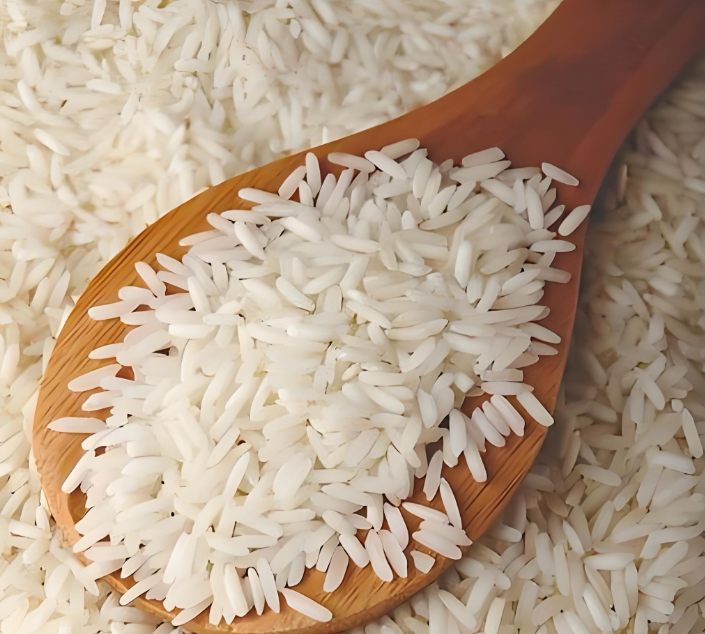
- Raw Material Selection: High-quality, uniform milled white rice (long, medium, or short grain) is essential. Broken grains are minimized to ensure even processing and a consistent final texture.
- Cleaning and Washing: Rice is cleaned to remove impurities, dust, and husk fragments. It is then washed to eliminate surface starch, which prevents excessive clumping during subsequent cooking.
- Conditioning / Steeping: The cleaned rice is soaked in water (often at elevated temperatures, e.g., 50-70°C) to achieve a target moisture content of 30-35%. This step hydrates the kernels, making them more receptive to uniform gelatinization and reducing processing time.
- Gelatinization (The Core Step): This is the most critical phase where starch granules absorb water, swell, Instant rice making machine and lose their crystalline structure. Methods include:
- Continuous Steam Cookers: Rice is conveyed through pressurized steam chambers, achieving thorough and rapid cooking.
- Hot-Water Baths: Rice is submerged in near-boiling water until fully gelatinized.
- Dry Heat / Puffing (for a different texture): Preconditioned rice is subjected to high-temperature, short-time (HTST) treatment in a hot air chamber or “gun puffing,” where rapid pressure release causes the kernel to expand and become porous.
- Disruption of Gel Structure (For Quick Rehydration): To accelerate water penetration during final preparation, the gelatinized rice matrix may be physically altered. This can involve:
- Freezing & Thawing: Creating ice crystals that rupture the starch gel.
- Drying under Tension: Controlled drying that creates microscopic fissures and voids.
- Mild Mechanical Rolling: Flattening the kernels slightly to increase surface area.
- Drying: The cooked, moist rice is dried to a final moisture content of 8-12% to ensure microbial stability and long shelf life. This must be done carefully to avoid forming a hard, impervious “case” on the kernel surface. Common technologies are:
- Multi-Stage Conveyor Dryers: Using progressively hotter air in different zones.
- Fluidized Bed Dryers: Where hot air suspends the grains for extremely uniform drying.
- Continuous or Batch Air-Drying: In controlled temperature and humidity rooms.
- Cooling, Screening, and Blending: The dried rice is cooled to ambient temperature, screened to remove clumps or碎片, and often blended with vitamins and minerals (in the case of fortified instant rice) or flavorings.
- Packaging: The product is packed in moisture-proof and airtight containers, often under inert gas (nitrogen) to prevent oxidative rancidity and extend shelf life.
2. Primary Technological Methods
The two dominant industrial methods define the texture and rehydration properties of the final product:
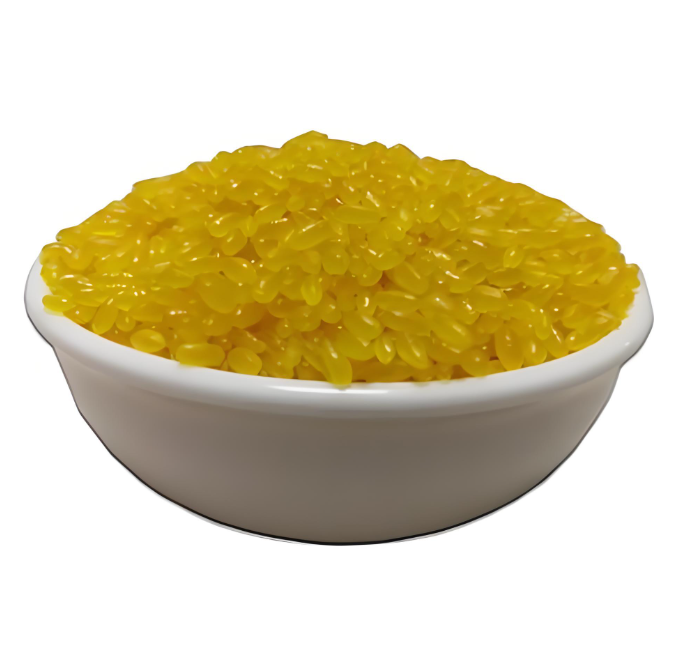
A. Hot-Water Soaking / Cooking Method (Traditional)
This method involves fully cooking the rice in excess water or steam, followed by washing to remove surface stickiness and then drying. It produces a product that closely resembles home-cooked rice but can sometimes result in a mushy texture or significant nutrient loss (via leaching into the cooking water) if not meticulously controlled. The drying stage is energy-intensive.
B. Dry Heat Treatment / Puffing Method (Modern & Efficient)
This is now the preferred method for large-scale production. Instant rice making machine Preconditioned rice is exposed to superheated air or steam under pressure, followed by a sudden pressure drop.
- Process: The intense, rapid heat causes internal moisture to flash into steam, puffing the kernel and creating a highly porous, spongy internal structure.
- Advantages: Extremely fast rehydration (often within 2-5 minutes in hot water), better nutrient retention (minimal leaching), and a distinctive, lighter, and more separate grain texture.
- Product Type: This is the technology behind most “instant rice” or “minute rice” products found in supermarkets.
3. Quality Control and Critical Parameters
Successful production hinges on controlling several factors:
- Gelatinization Degree: Must be complete to ensure fast rehydration and edibility.
- Rehydration Time & Ratio: The final product must regain texture in boiling water within the promised time (e.g., 5-10 minutes) and absorb a predictable amount of water.
- Texture & Taste: Must be acceptable, with minimal stickiness, a firm but tender bite, and no off-flavors from processing.
- Nutritional Retention: Especially important for fortified products; processing must minimize the degradation of added and intrinsic vitamins.
- Shelf Stability: Final moisture content and packaging must prevent moisture regain, staleness, or insect infestation.
The processing of instant rice is a sophisticated application of food engineering,Instant rice making machine balancing the need for convenience, safety, and sensory quality. The shift towards dry heat/puffing technologies has enabled the mass production of a consistent, quick-preparing product. Ongoing innovations focus on improving texture to mimic fresh-cooked rice, enhancing nutritional profiles, and increasing energy efficiency in the drying stages, ensuring that instant rice remains a vital and evolving component of the global food supply.
 Spanish
  English
  Russian
  Italian
  Arabic
  Portuguese
  German
  French
  Japanese
  Moroccan Arabic
  Persian
  Belarusian