
Pet food processing has evolved significantly over the past century, transforming from simple table scraps into sophisticated, nutritionally balanced products manufactured using advanced technologies. Today’s pet food industry employs a diverse array of processing methods, each designed to achieve specific goals: ensuring food safety, preserving nutritional value, extending shelf life, and creating textures and flavors that appeal to dogs and cats.
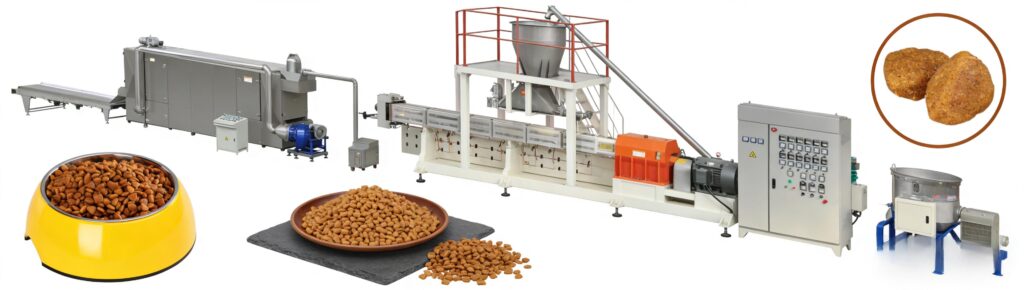
This guide provides a comprehensive overview of the major processing methods used in pet food manufacturing, from traditional techniques like extrusion and canning to innovative approaches such as freeze-drying and high-pressure processing.
Table of Contents
- Overview of Pet Food Processing
- Raw Material Preparation
- Dry Pet Food Processing: Extrusion (Kibble)
- Wet Pet Food Processing: Canning and Retorting
- Raw and Minimally Processed Methods
1. Overview of Pet Food Processing
Processing serves multiple essential functions in pet food production:
- Ensuring food safety: Processes eliminate harmful pathogens such as Salmonella, E. coli, and Listeria
- Extending shelf life: Techniques like canning and extrusion allow products to remain shelf-stable without preservatives
- Enhancing nutrient availability: Cooking and processing can make certain nutrients more digestible for pets
- Creating consistent quality: Standardized processes ensure uniform palatability, appearance, and texture
The global pet food market was estimated at USD 120.87 billion in 2023 and is expected to reach approximately USD 194 billion by 2032, driven by the pet humanization trend and increasing demand for premium, functional pet foods .
2. Raw Material Preparation
Before any cooking or shaping occurs, raw ingredients must undergo thorough preparation. This stage is critical for ensuring product consistency and food safety.
Breaking Down Protein Ingredients
Many pet food plants receive meat ingredients in massive, frozen raw blocks, requiring specialized equipment to break them down . Equipment used includes:
| Equipment Type | Function |
|---|---|
| Frozen block grinders | Reduce frozen meat blocks to manageable sizes |
| Pre-breakers | Initial size reduction before grinding |
| Grinders | Produce uniform particle sizes for consistent mixing |
| Emulsifiers | Create smooth, homogeneous pastes for wet foods |
| Dicers and slicers | Produce uniform cuts for treats and specialty products |
According to Rome Grinding Solutions, “Pet food production often involves a diverse mix of ingredients, including fresh proteins (beef, pork, poultry, fish), frozen blocks, soft materials (offal, liver, emulsions), hard items (bone-in cuts, tendons), and byproducts such as trimmings and rendered fats” .
Importance of Consistency
Consistent particle size is crucial for ensuring uniform cooking, even drying, and proper extrusion performance. Sharp blades are critical for this step—dull blades can cause smearing or tearing, impacting final product texture . Uniform cuts translate into standardized product sizes, reducing waste and improving yield.
Mixing and Blending
After size reduction, ingredients are precisely weighed and blended according to the product formulation. Mixing equipment with heating and chilling capabilities, as well as emulsifiers, help create consistent blends batch after batch .
3. Dry Pet Food Processing: Extrusion (Kibble)
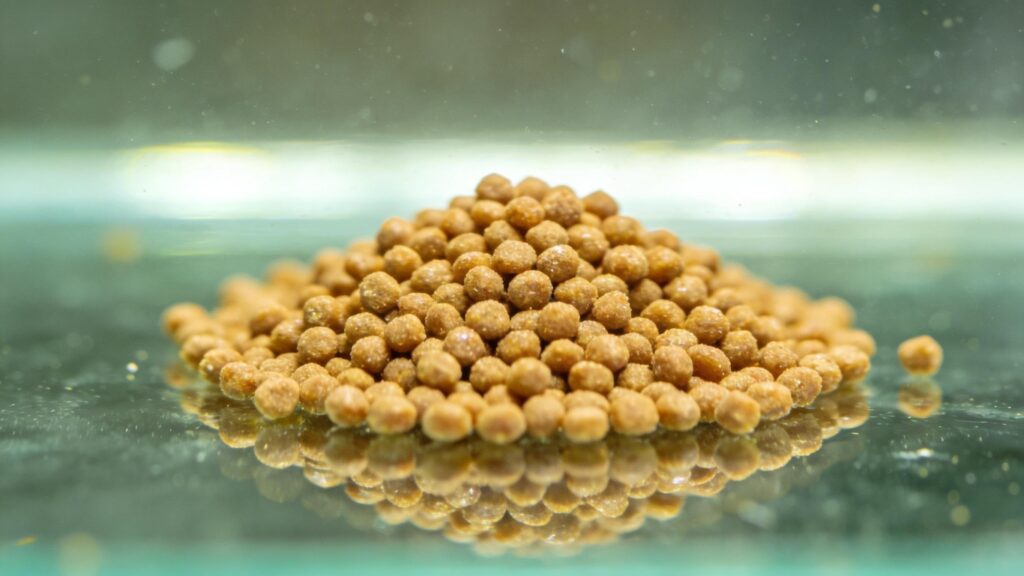
Extrusion is the most common method for producing dry pet food (kibble), accounting for the majority of dry diets on the market. The process combines cooking, shaping, and texturizing in a single operation .
The Extrusion Process
Step 1: Mixing the Base
Primary ingredients (grains, protein meals, and other dry components) are pulverized and blended thoroughly to create a consistent, nutrient-rich dough .
Step 2: Pre-conditioning
The dry mixture enters a pre-conditioner where it is combined with water, steam, and wet ingredients. This hydrates the powders, begins starch gelatinization, and initiates the cooking process.
Step 3: Extrusion and Cooking
The conditioned dough enters the extruder barrel, where it is subjected to high temperature and pressure. Operational parameters such as temperature, moisture content, and screw speed play significant roles in determining the texture, digestibility, and nutritional value of the extruded feed .
While under extreme pressure, the dough is forced through specially shaped holes called dies. As the dough emerges, the sudden pressure drop causes moisture to flash off, expanding the kibble. A rotating knife cuts the extruded ribbons into individual kibbles of the desired size .
Step 4: Drying
The freshly extruded kibble contains significant moisture and must be dried to 6-10% to prevent mold growth and ensure shelf stability. The fresh kibble passes through a hot air dryer to remove excess moisture, ensuring the texture is crunchy and the shelf life is stable .
Step 5: Cooling
Dried kibble is cooled to ambient temperature before coating to prevent condensation and spoilage.
Step 6: Coating
Once cooled, the kibble is sprayed with a specialized mist of oils, fats, vitamins, minerals, and palatants. This “top-dressing” replaces any nutrients that might have been sensitive to the initial cooking heat and enhances flavor .
4. Wet Pet Food Processing: Canning and Retorting
Wet pet foods contain 70-85% moisture and offer high palatability, hydration benefits, and a variety of textures. Canning relies on retort sterilization to achieve commercial sterility .
The Canning Process
Step 1: Ingredient Preparation
Depending on the recipe, meat can start fresh or frozen. The meat is placed in a grinder and inspected to ensure there is no foreign material .
Step 2: Mixing
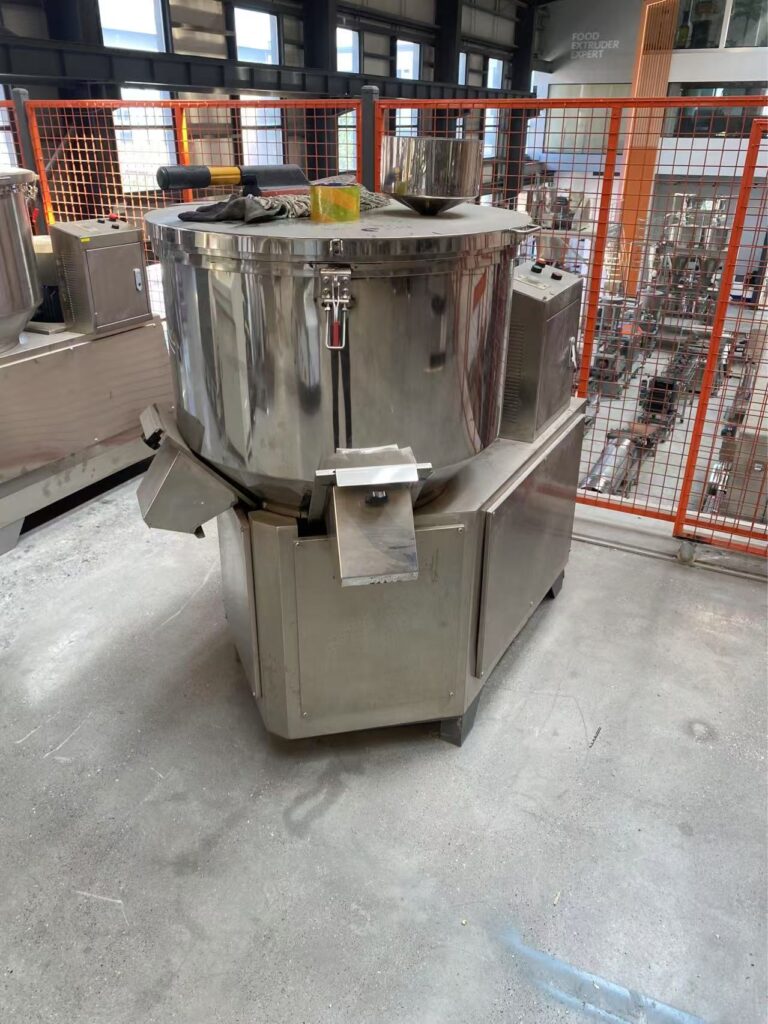
The recipe’s dry and liquid ingredients are added to the ground meat and placed in a mixer. Ingredients are mixed to a specified consistency depending on the recipe, then passed through another inspection point .
Step 3: Filling
Empty cans pass under a jet of air to remove any possible foreign material. Filling equipment dispenses the mixture into the cans—the final cooking and sterilization process occurs once the product is canned .
Step 4: Sealing
Once the product is dispensed, the can lids are sealed with a partial vacuum. The sealed cans are washed to remove any residue and inspected to ensure correct fill and vacuum levels .
Step 5: Retort Sterilization
The cans are coded and loaded into a retorting machine. In the retorting machine, the product is cooked and sterilized with the use of steam under pressure. This process:
- Destroys pathogenic bacteria and spores
- Achieves commercial sterility without preservatives
- Allows the product to remain shelf-stable for extended periods
Step 6: Cooling and Labeling
The sealed cans are cooled in water and dried, then labeled, cased, placed on pallets, and shrink wrapped .
Control de calidad
A sampling of finished cans is pulled from each run to be reviewed and analyzed by the Quality Assurance team. Some cans are placed in incubation for ten days. Product is released for distribution only after samples pass both a sensory panel and processing records review .
Recent Innovations
Packaging companies are modernizing wet pet food production with upgrades such as:
- Improved rotogravure printing for premium shelf impact
- Recyclable monofilm materials
- Enhanced efficiency in transversal sealing and clipping automation
5. Raw and Minimally Processed Methods
Consumer demand for minimally processed, “natural” pet foods has driven growth in alternative processing methods that preserve nutrients while ensuring safety.
5.1 Freeze-Drying
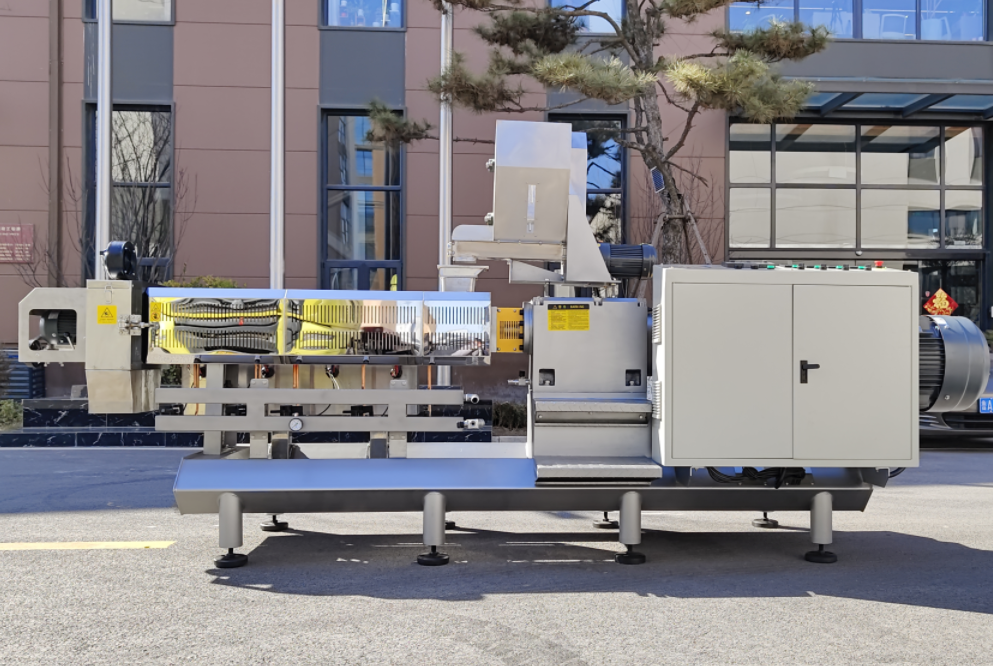
Freeze-drying (lyophilization) is a technique that removes moisture through sublimation—the direct conversion of ice to water vapor—without passing through a liquid phase .
The Freeze-Drying Process
- Freezing: The product is rapidly frozen at very low temperatures
- Primary Drying (Sublimation): The frozen product is placed in a vacuum chamber. Under vacuum, ice sublimates directly to vapor, which is collected on condenser coils
- Secondary Drying: Remaining bound water is removed through controlled heating under vacuum
Key Advantages
- Preserves nutritional value and flavor exceptionally well
- Produces lightweight, shelf-stable products (6 months to 2 years at room temperature)
- Creates a porous, non-shrunken structure that facilitates rapid and nearly complete rehydration
Purpose
The goal of freeze-drying is to reduce the water activity of the pet food product to a level that does not support microbial growth, while minimizing chemical changes and physical deterioration .
Industry Growth
Formula Raw, a Canadian pet food manufacturer, unveiled a new facility that quadrupled its freeze-dried production capacity from 7,500 kg to over 30,000 kg per month .
5.2 High-Pressure Processing (HPP)
High-Pressure Processing is a non-thermal preservation technology that uses high hydrostatic pressure to inactivate microorganisms .
How HPP Works
The basic method involves:
- Placing food products in flexible, sealed packaging
- Loading them into a pressure vessel
- Subjecting them to pressures up to 600 MPa (approximately 87,000 psi)
- Holding for a few minutes
Pressure is transmitted instantaneously and uniformly throughout the product, independent of size or geometry, with an associated adiabatic temperature increase of only 2-3°C per 100 MPa .
Mechanisms of Microbial Inactivation
HPP inactivates microorganisms primarily through:
- Disruption of cellular membranes
- Denaturation of intracellular proteins
- Interference with genetic materials
Gram-negative bacteria (such as Salmonella and E. coli) are generally more sensitive to HPP than Gram-positive bacteria or bacterial spores due to their thinner peptidoglycan layers .
Efficacy in Pet Food Applications
| Pathogen | Processing Conditions | Reduction Achieved |
|---|---|---|
| Salmonella spp. | 450-750 MPa, 0-7 min | 0.76 to >9 log units |
| Shiga toxin-producing E. coli | 586 MPa, 3-4 min | 5-log reduction |
| Listeria monocytogenes | 586 MPa, 4 min (beef-based) | 5-log reduction |
Advantages of HPP
- Inactivates harmful bacteria and food spoilage microorganisms, resulting in longer product shelf-life
- Reduces the need for added food preservatives and harsh chemicals, enabling cleaner labels
- Retains “raw-like” attributes with minimal effects on flavor compounds, vitamins, and nutrients
Combined Approaches
Recent studies indicate that the combination of HPP, lactic acid fermentation, and frozen storage achieves a 5-log reduction of Salmonella spp., Shiga toxin-producing E. coli, and L. monocytogenes in raw pet foods .
6. Emerging Processing Technologies
6.1 Puffing Technology
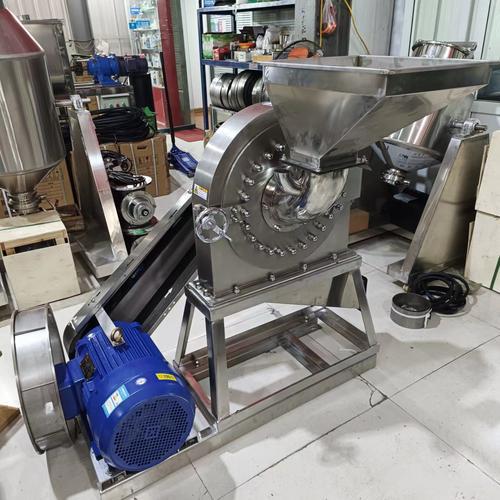
Puffing is a hydrothermal process that uses heat and pressure to significantly expand the volume of raw materials .
Benefits of Puffing
- Enhances digestibility by breaking down starches
- Extends shelf life by reducing moisture
- Preserves nutrients
- Allows easy enrichment with vitamins, minerals, or proteins
Bühler recently unveiled a new Puffing Application Center in Switzerland, offering food and feed producers industrial-scale capabilities to develop plant-based products. According to Christoph Vogel, Head of Business Unit Human Nutrition at Bühler, “With this center, we are ready to support customers worldwide – not only in food, but also in pet food and feed, where demand for crispy, nutritious products is on the rise” .
6.2 Plasma Treatment
Atmospheric cold plasma treatment offers versatility for surface sterilization applications .
Efficacy example:
- 120 seconds of plasma treatment achieved 2-log CFU/cm² reduction of Campylobacter jejuni on chicken skin and breast fillets
Plasma technology is particularly promising for post-packaging decontamination of dry pet food surfaces and has demonstrated potential for maintaining nutritional value and sensory attributes .
6.3 Irradiation and Pulsed Light
Irradiation:
- Gamma irradiation at 1 kGy successfully reduced Salmonella Typhimurium by 2.2 logs and Staphylococcus aureus by 1.6 logs
- Effectively extends shelf life by significantly reducing microbial loads
- Minimal impact on nutritional quality
Pulsed Light:
- Provides rapid and efficient pathogen inactivation, particularly on smooth surfaces
- Suitable for post-packaging applications where thermal processing might damage the product
6.4 Ozone Treatment
Ozone operates as a non-thermal technology that is highly energy-efficient and residue-free .
Applications:
- Effective at reducing Aspergillus flavus contamination in extruded dry dog food
- Batch and spray ozone sanitation systems reduce foodborne pathogens on vegetables used in raw meat-based pet diets
7. Coating and Palatability Enhancement
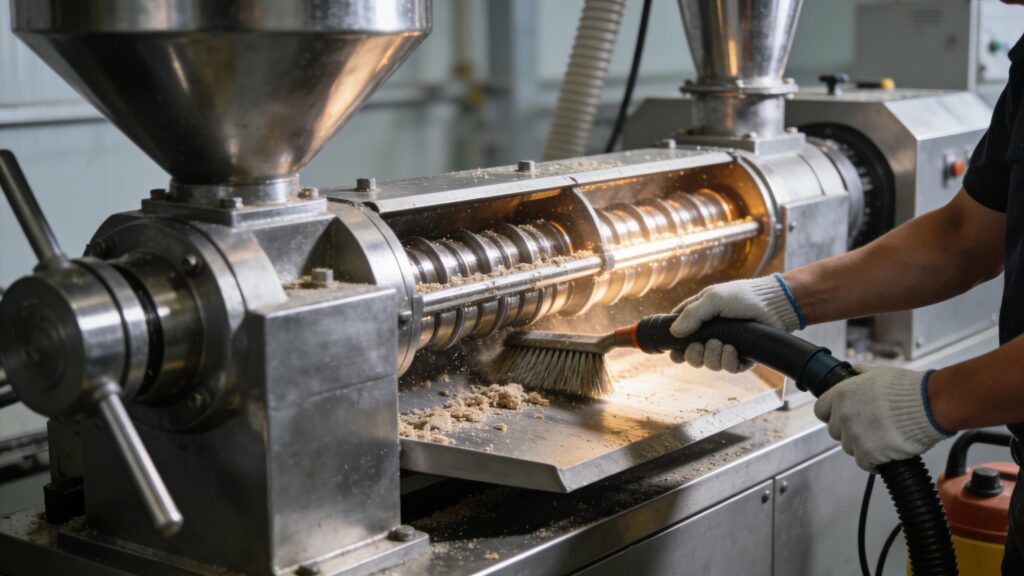
After the base product is processed, coatings are applied to enhance palatability, nutrition, and appearance. “The coatings that go onto the kibble are what make the animal want to eat it. If the manufacturer doesn’t get that right; the feed quality will be low,” said Jessica Stank of APEC .
Coating Systems
Various systems are used to apply liquid and powder coatings:
| System Type | Description | Applications |
|---|---|---|
| Batch coaters | Small-scale, ideal for R&D and specialty products | Testing formulations, small batches |
| Continuous drum coaters | High-capacity, inline coating | Large-scale production |
| Mist coaters | Atomize liquids in enclosed chambers | Uniform coating, minimal waste |
| Spinning disk coaters | Centrifugal atomization | Clog-resistant, uniform application |
Precision Spray Control (PSC)
Modern coating systems employ precision spray control technology that:
- Automates flow rates by turning spray nozzles on and off to match line speed variations in real time
- Maintains consistent application regardless of throughput changes
- Minimizes waste and reduces operating costs
Palatants
A palatant is an ingredient or blend of ingredients added to pet foods to enhance the food’s taste and aroma .
According to Alana Brown of AFB International, “Adding palatants to pet food products is crucial because they significantly enhance the taste of the food, making it more appealing to pets. This is essential to ensure that pets consume an adequate amount of food to meet their nutritional requirements. Without an appetizing flavor, even the most nutritionally balanced food may fail to attract pets, leading to insufficient nutrient intake and potentially harming their health” .
8. Quality Control and Food Safety
Quality control is integrated throughout the manufacturing process, from ingredient sourcing to final packaging.
Continuous Monitoring
During production, manufacturers continuously verify:
- Proper temperature, pressure, and pH
- Environmental conditions (bacteria presence in facility)
- Equipment setup and function
- Product size, shape, color, and moisture content
- Metal detection and foreign material screening
Testing Protocols
| Test Type | Purpose |
|---|---|
| Nutritional analysis | Verify protein, fat, fiber, moisture meet label claims |
| Microbiological testing | Ensure absence of Salmonella and other pathogens |
| Palatability testing | Confirm product appeal to pets |
| Stability testing | Establish shelf life and storage conditions |
Hygienic Design
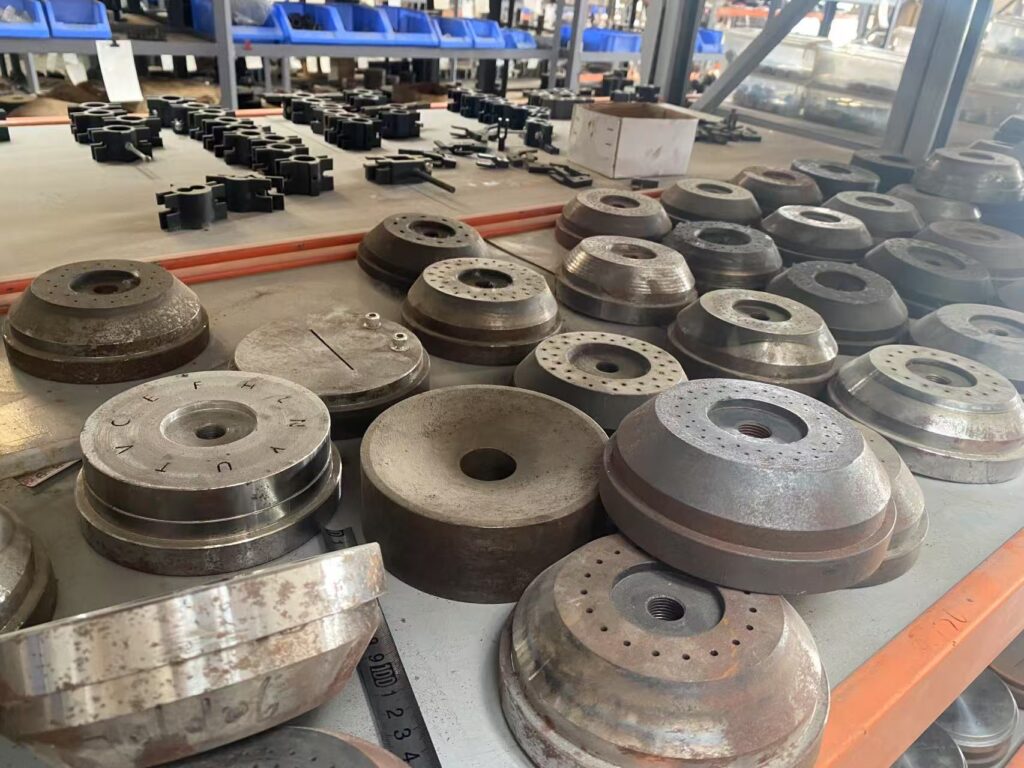
Modern meat processing equipment is designed with hygienic principles in mind. According to Rome Grinding Solutions, “At Rome, we understand that food safety isn’t negotiable — it’s foundational. That’s why we prioritize hygienic design in every piece of equipment we build. Our systems are crafted from stainless steel, with easy-access components that simplify sanitation and reduce the risk of cross-contamination” .
9. Conclusion
Pet food processing has evolved into a sophisticated field combining food science, engineering, and nutrition. From traditional extrusion and canning to innovative non-thermal technologies like HPP and freeze-drying, manufacturers have an expanding toolkit to create safe, nutritious, and appealing products for dogs and cats.
Summary of Methods
| Method | Product Type | Key Characteristics |
|---|---|---|
| Extrusion | Dry kibble | High-temperature cooking, starch gelatinization, shaped kibble |
| Canning/Retorting | Wet food | High moisture, sterilized in sealed containers, shelf-stable |
| Freeze-Drying | Raw-inspired | Sublimation drying, nutrient preservation, room-temperature stable |
| HPP | Raw/fresh | Cold pasteurization, pathogen reduction, raw-like attributes |
| Puffing | Crispy products | Hydrothermal expansion, enhanced digestibility |
Each processing method offers distinct advantages and is suited to different product formats. As consumer expectations continue to evolve, the industry is responding with innovations in processing technology, sustainable packaging, and formulations that prioritize both pet health and environmental responsibility .
Disclaimer: This article provides general information about pet food processing methods for educational purposes. Processing technologies and regulatory requirements vary by country and may change over time. For specific manufacturing guidance, consult with qualified food processing engineers and regulatory experts. If you are interested in the dog food making machine , you can contact me , i will give you good advice and solutions .
1.Will you help us with the installation ?
Yes , We will send engineers to install and debug the equipment, and assist in training your staff.
2.Are you a factory or trading company?
We are a factory.
3.What certificate do you have?
We have ISO and CE certificate.
4.How long is the warranty period?
All of our machines have one year warranty.
5.What’s the main market of your company?
Our customers all over the world.
6.How much production capacity of your company one year?
This depends on your needs.
 Spanish
  English
  Russian
  Italian
  Arabic
  Portuguese
  German
  French
  Japanese
  Moroccan Arabic
  Persian
  Belarusian