
Corn flakes are a classic ready-to-eat breakfast cereal made primarily from corn grits or corn flour. Their characteristic thin, crispy texture and toasted flavor come from a controlled process that includes cooking, forming, flaking, drying, and toasting. Below is a practical overview of the standard industrial processing method.
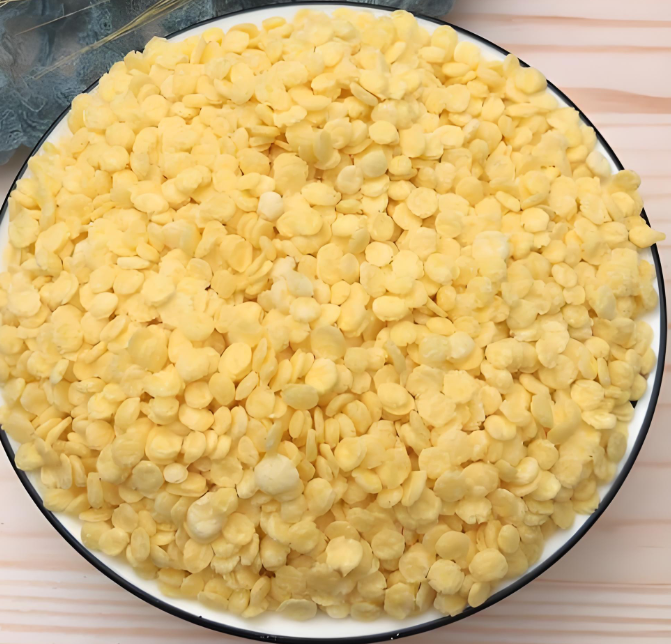
1) Raw Material Preparation
Most corn flakes start with corn grits (degermed and dehulled) for a clean flavor and stable shelf life. Typical supporting ingredients may include:
- Sugar or malt syrup (sweetness and browning)
- Salt (flavor enhancement)
- Vitamins and minerals (fortification)
- Minor additives such as emulsifiers or antioxidants (optional, depending on formulation)
Raw materials are inspected for moisture, particle size, and impurities, then stored and dosed according to the recipe.

2) Mixing and Pre-Conditioning
Dry ingredients are blended to ensure uniform distribution of salt, sugar, and premixes. Water (and sometimes syrup) is added to adjust moisture for effective cooking. Many factories use a pre-conditioner to begin hydration and gentle heating before the main cooker or extruder stage.
3) Cooking / Gelatinization
Cooking is essential to develop the structure needed for flaking. The goal is to gelatinize starch and create a cohesive cooked mass.
Common cooking methods include:
- Batch pressure cooking (traditional process using a cooker)
- Continuous cooking with an extruder (modern, efficient, and highly controllable)
During cooking, temperature, moisture, and residence time are controlled to achieve a cooked texture without burning or excessive shear.
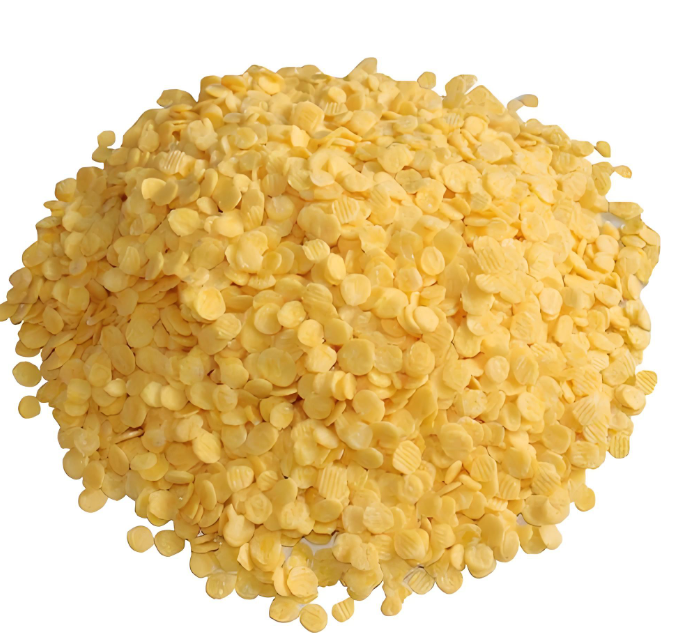
4) Forming into Pellets or Grit “Gems”
After cooking, the material is formed into small pieces (often called pellets, granules, or gems). This step creates uniform units that will later be rolled into flakes. Uniform size helps achieve consistent thickness and even toasting.
5) Drying and Tempering
The cooked pellets are partially dried to reach a target moisture level suitable for flaking. After drying, the pellets are often tempered (rested in bins) to allow moisture to equilibrate throughout each piece. Proper tempering reduces cracking and improves flake quality.
6) Flaking (Rolling)
Tempered pellets pass through flaking rolls that compress them into thin flakes. Key controls include:
- Roll gap (flake thickness)
- Roll surface condition (smoothness and wear)
- Feed rate and pellet moisture (affect flake integrity)
Well-controlled rolling produces uniform flakes that toast evenly and maintain crispness.
7) Toasting (Baking) and Crisping
Rolled flakes are conveyed through a toaster/oven where they are dried further and toasted. This stage develops:
- Crisp texture (final moisture reduction)
- Color and aroma (Maillard browning and caramelization from sugars)
Time and temperature profiles are adjusted to avoid scorching while achieving the desired golden color.
8) Coating / Flavoring (Optional)
Depending on the product style, flakes may be coated after toasting with:
- Light sugar syrup, honey, or malt (gloss and sweetness)
- Cocoa, cinnamon, or other flavors
- Small amounts of oil (for flavor carry and mouthfeel)
Coating is followed by a short drying step if needed to maintain crispness and prevent stickiness.
9) Cooling
Before packaging, flakes are cooled to near room temperature. Proper cooling prevents condensation inside bags or cartons, which can lead to loss of crispness and shortened shelf life.
10) Packaging and Quality Control
Corn flakes are packed in moisture-barrier packaging (often an inner bag plus carton). Quality checks commonly include:
- Moisture content and water activity
- Flake size distribution and breakage rate
- Color, flavor, and crispness
- Metal detection and microbiological safety (as required)
Summary
The processing of breakfast cereal corn flakes relies on controlled cooking, pellet forming, drying/tempering, roll flaking, and precise toasting. By managing moisture and heat at each stage, manufacturers can consistently produce corn flakes with the desired crunch, color, and flavor, along with strong shelf stability.
 Spanish
  English
  Russian
  Italian
  Arabic
  Portuguese
  German
  French
  Japanese
  Moroccan Arabic
  Persian
  Belarusian