
Cleaning extruders is a critical maintenance operation that ensures product quality, prevents cross-contamination, maintains efficiency, and extends equipment life. Improper cleaning can lead to material degradation, microbial growth, mechanical wear, or even safety incidents. Below are the essential considerations for a safe and effective extruder cleaning process.
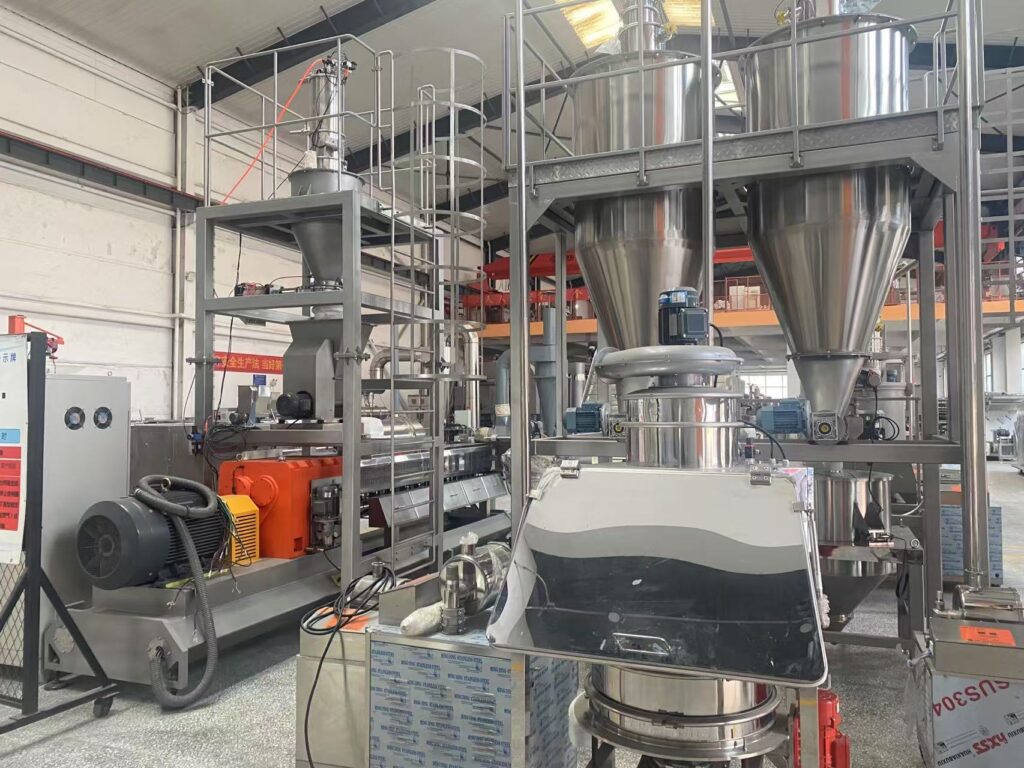
1. Pre-Cleaning Preparation
- Complete Product Run-Out:
Run the extruder empty (with appropriate purging material) until minimal residual product exits the die. - Equipment Shutdown & Lockout/Tagout (LOTO):
Follow strict energy isolation procedures—electrical, thermal, and mechanical—to prevent accidental startup. - Cooling Period:
Allow barrel temperatures to drop below 60°C before disassembly to avoid burns or thermal deformation of components. - Documentation Review:
Check cleaning SOPs, material safety data sheets (MSDS), and equipment manuals.
2. Cleaning Methods: Selection & Suitability
Choose the method based on residue type, frequency, and extruder design:
| Method | Best For | Key Risks |
|---|---|---|
| Dry Purging | Quick changeovers between compatible materials | Incomplete removal, high shear heat |
| Wet Cleaning (Food-Grade Solvents) | Sticky, fatty, or heat-sensitive residues | Solvent compatibility, ventilation, residue disposal |
| Disassembly Cleaning | Thorough cleaning, allergen changeovers, maintenance | Extended downtime, reassembly errors |
| Steam/High-Pressure Water | Sanitization, microbial control | Moisture ingress, corrosion, thermal shock |
3. Step-by-Step Critical Cleaning Stages
a) Barrel & Screw Cleaning
- Remove screws carefully using proper lifting tools; inspect for wear, cracks, or material buildup in flight channels.
- Clean screws with plastic scrapers, brass brushes, or approved solvents—avoid steel tools that may damage surfaces.
- Use barrel brushes or foam plugs soaked in cleaning agents for barrel cleaning; verify no residue remains in grooves or vents.
b) Die & Head Assembly Cleaning
- Soak dies in warm, soapy water or approved solvent baths to soften residues.
- Use ultrasonic cleaners for intricate die channels if available.
- Never use sharp metal objects on die surfaces; use copper or wooden tools.
c) Feed Zone & Hopper Cleaning
- Clear all residual powder or granules to prevent contamination or bridging.
- Check magnets for metal debris and clean thoroughly.
4. Material & Chemical Safety
- Purging Compounds: Select compatible purging resins (e.g., polyethylene-based for polyolefins; abrasive types for stubborn residues).
- Cleaning Agents: Use only approved, non-toxic, and easily rinsed agents. Avoid chlorine-based chemicals on stainless steel.
- Ventilation: Ensure adequate fume extraction when using volatile solvents.
5. Mechanical & Operational Risks
- Thermal Stress: Avoid rapid heating/cooling of barrels to prevent distortion.
- Screw Damage: Do not drop screws or allow them to rotate freely during manual cleaning.
- Reassembly Errors: Follow torque specifications for bolts; align screws and barrels precisely to prevent binding.
- Wear Inspection: Document screw/barrel wear, especially in high-shear zones, and schedule replacements if clearances exceed tolerance.
6. Sanitation & Allergen Control
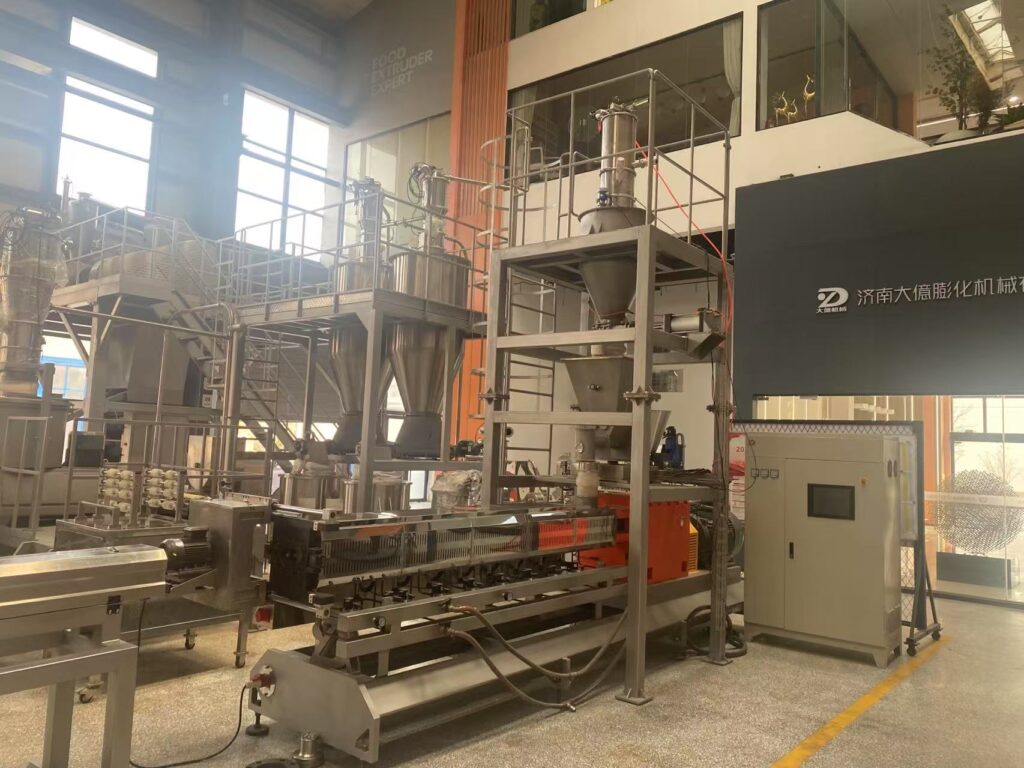
- Microbial Growth Prevention: Thoroughly dry all components before reassembly; use food-grade sanitizers if required.
- Allergen Management: After processing allergenic materials (e.g., soy, nuts), perform validated cleaning and verify with allergen swab tests.
- Lubrication: Use only food-grade lubricants on seals and bearings.
7. Post-Cleaning Verification
- Visual Inspection: Use flashlights or borescopes to check hard-to-reach areas.
- First-Run Testing: Process a small batch of new material and inspect for discoloration, odor, or contamination.
- Documentation: Record cleaning date, methods, chemicals used, and any issues observed for traceability.
8. Safety Protocols
- Personal Protective Equipment (PPE): Heat-resistant gloves, safety glasses, chemical aprons, and respirators if needed.
- Fire Prevention: No open flames near solvents; keep spark-proof tools in flammable environments.
- Ergonomics: Use hoists for heavy screws; avoid awkward postures during manual cleaning.
9. Environmental & Waste Management
- Disposal: Collect and dispose of purged material, solvents, and residues per local environmental regulations.
- Water Usage: Minimize water consumption in wet cleaning; treat wastewater if contaminated with oils or chemicals.
10. Preventive Maintenance Integration
- Schedule cleaning during planned downtime to combine with other maintenance (e.g., screw inspection, thermocouple calibration).
- Monitor cleaning frequency trends—excessive buildup may indicate upstream process issues (e.g., improper formulation, temperature control).
Conclusion
Effective extruder cleaning requires a systematic approach that balances thoroughness, safety, and efficiency. By following structured procedures—from proper purging and disassembly to inspection and verification—operators can prevent product defects, reduce downtime, and extend equipment service life. Regular training on cleaning protocols, combined with adherence to safety and environmental standards, ensures consistent performance and compliance in food, pharmaceutical, and polymer processing industries.
 Spanish
  English
  Russian
  Italian
  Arabic
  Portuguese
  German
  French
  Japanese
  Moroccan Arabic
  Persian
  Belarusian