
High-quality dog food is not defined by marketing claims—it is defined by nutritional adequacy, ingredient safety, digestibility, consistency, and quality control. dog food making machine Whether you are developing a commercial kibble, a wet food product, or a fresh-cooked diet, the goal is the same: deliver complete and balanced nutrition that supports a dog’s health across life stages. Below are the key principles and practical steps for making high-quality dog food.
1. Start with Clear Nutritional Standards
A high-quality dog food must be complete and balanced for the intended life stage (growth, adult maintenance, or all life stages). Use recognized nutrient profiles such as:
- AAFCO Dog Food Nutrient Profiles (commonly used in North America), or
- FEDIAF Guidelines (commonly used in Europe)
Key targets include:
- Adequate protein with a strong amino acid profile
- Appropriate fat levels for energy and essential fatty acids
- Controlled calcium and phosphorus (especially critical for puppies and large breeds)
- Sufficient vitamins and trace minerals
- Proper fiber levels to support gut health and stool quality
2. Choose Ingredients for Safety, Digestibility, and Consistency
“High-quality” ingredients are not just premium-sounding—they must be safe, traceable, and consistent.
Protein Sources
Use well-characterized animal and/or plant proteins with reliable specs:
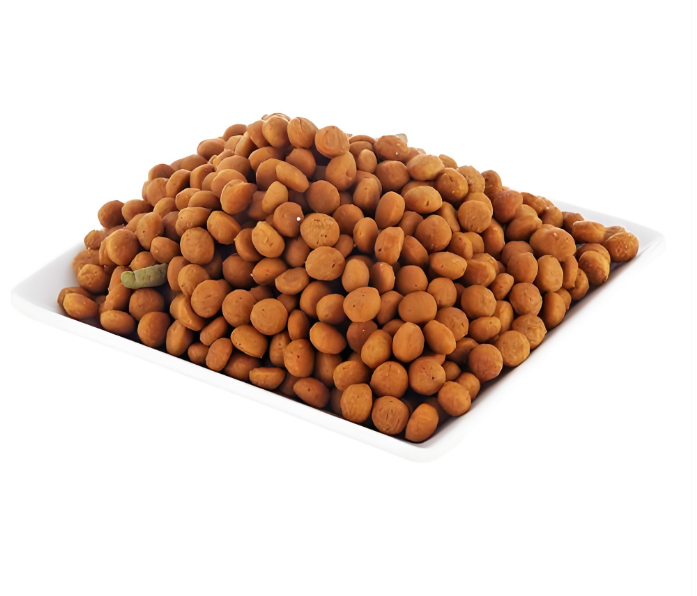
- Chicken, turkey, beef, lamb, fish meals (for kibble)
- Fresh meats (often used in fresh or wet diets)
- Egg products (high digestibility)
Quality indicators include:
- Controlled ash and bone levels
- Low oxidation and good freshness (especially for fish-based ingredients)
- Supplier documentation and lot traceability
Carbohydrates and Binders (for kibble structure)
Starch sources support extrusion and kibble texture:
- Rice, oats, barley, corn, wheat, potatoes, peas (depending on formulation goals)
Fats and Oils
Fats drive palatability and energy density:
- Chicken fat, beef tallow, fish oil, algae oil (for omega-3s)
Control oxidation with:
- Proper storage (cool, low oxygen exposure)
- Antioxidants where appropriate (e.g., mixed tocopherols)
3. Formulate for Function, Not Just “Crude” Numbers
Crude protein and crude fat do not tell the full story. High-quality dog food considers:
- Amino acid balance (e.g., lysine, methionine)
- Fatty acid profile (omega-6/omega-3 balance; EPA/DHA when needed)
- Mineral bioavailability (chelated minerals may help in some formulas)
- Digestibility and stool quality, not just nutrient inclusion
Many brands validate quality through digestibility trials and feeding tests, not only lab calculations.
4. Use the Right Processing Method (Kibble, Wet, or Fresh)
Dry Kibble (Extrusion)
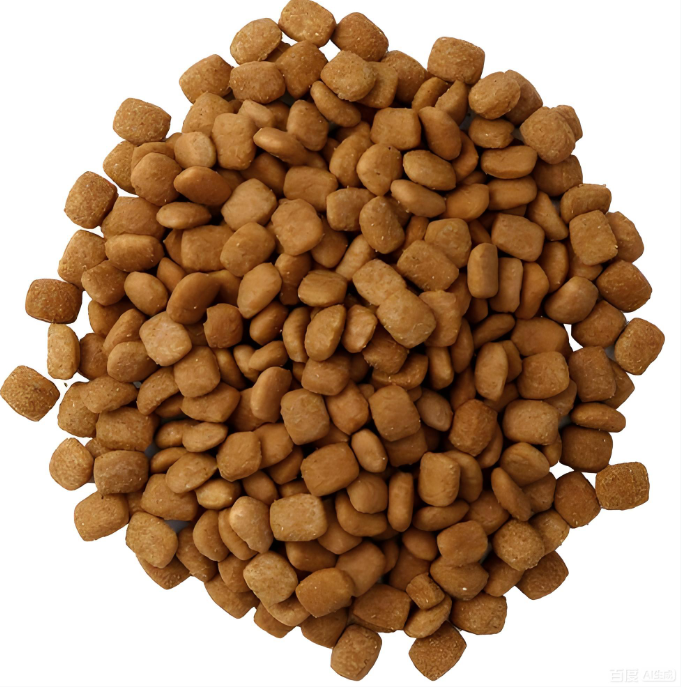
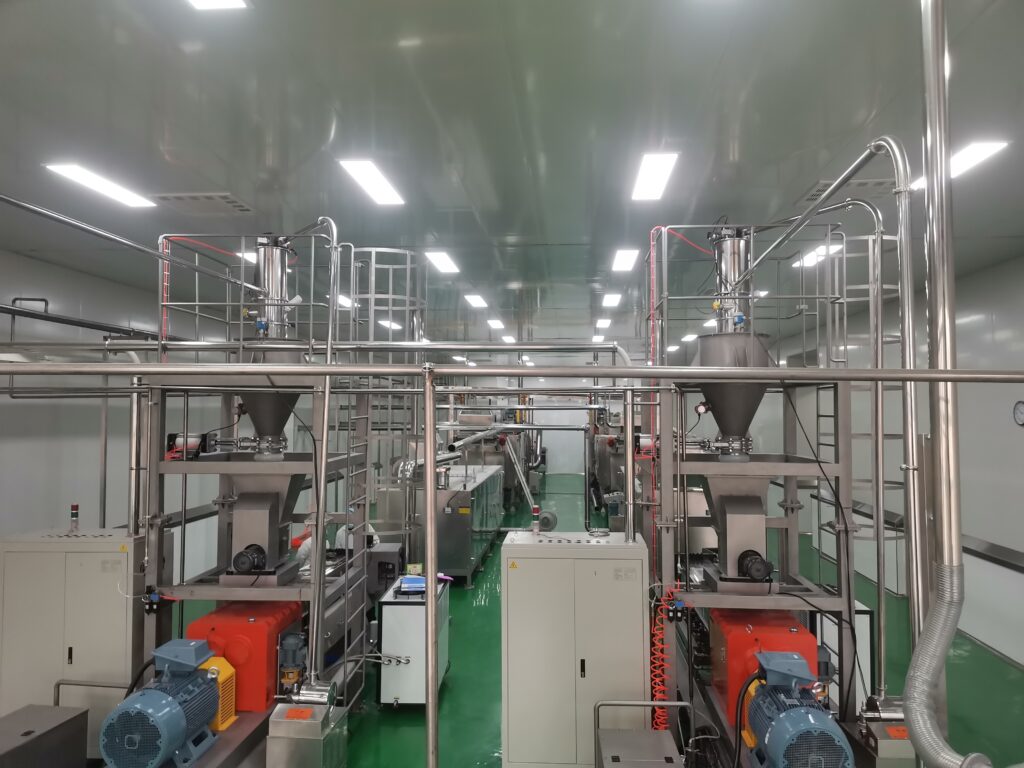
Most dry dog food is made by extrusion:
- Grind ingredients to controlled particle size
- Mix uniformly (including micro-ingredients)
- Condition with steam/water
- Extrude to cook and shape kibble
- Dry to safe moisture
- Apply fats and palatants as a coating
- Cool and package
Critical controls for high quality:
- Consistent moisture and temperature during extrusion
- Adequate starch gelatinization for structure
- Correct drying to prevent mold but avoid over-drying brittleness
- Accurate post-coating to ensure stable fat levels and palatability
Wet/Canned Food (Retort Sterilization)
Wet food relies on thermal sterilization for safety:
- Strict control of time/temperature (“retort” schedules)
- Container integrity checks (seams, lids)
- Texture management (gels, gravies) without compromising nutrition
Fresh-Cooked Diets
Fresh diets must control:
- Pathogen reduction (validated cooking step)
- Cold-chain logistics
- Shorter shelf life and stricter hygiene standards
5. Ensure Palatability Without Sacrificing Health
Dogs must want to eat the food consistently. dog food making machine Palatability can be improved by:
- High-quality fats and meat-based coatings
- Natural flavors and broths (depending on product type)
- Correct kibble texture and aroma retention
Avoid relying on excessive salt or low-quality fats. Palatability should come from good ingredients and proper processing.
6. Control Food Safety and Prevent Contamination
A high-quality dog food program is built on safety systems such as HACCP and GMP. Key risks include:
- Salmonella and other pathogens
- Mycotoxins in grains
- Oxidation and rancidity in fats
- Heavy metals (especially in certain fish-based ingredients)
- Cross-contamination between formulas
Best practices:
- Supplier approval and incoming testing
- Metal detection and magnets
- Allergen control and sanitation verification
- Finished-product testing and environmental monitoring
7. Verify Quality with Testing and Documentation
Quality must be measurable. Common checks include:
- Proximate analysis (moisture, protein, fat, fiber, ash)
- Vitamin and mineral verification (especially after heat processing)
- Microbiology testing (pathogen screening)
- Oxidation indicators for fats (peroxide value, anisidine value)
- Kibble durability, fines %, and water activity (for dry food)
- Shelf-life and stability studies
Strong documentation (batch records, lot codes, recall readiness) is part of being “high quality.”
8. Package and Store Properly
Even excellent food can degrade if packaging is poor. For dry dog food:
- Use barrier bags that protect against oxygen and moisture
- Control headspace oxygen where possible
- Store finished goods in cool, dry conditions
- Use clear best-by dating based on stability data
Making high-quality dog food requires more than selecting attractive ingredients. dog food making machine The best products combine sound nutritional formulation, safe and consistent raw materials, controlled processing, strong quality assurance, and objective testing. When these elements work together, the result is a food that supports healthy digestion, steady energy, good skin and coat condition, and long-term wellbeing.
 Spanish
  English
  Russian
  Italian
  Arabic
  Portuguese
  German
  French
  Japanese
  Moroccan Arabic
  Persian
  Belarusian