
In aquaculture, the choice between floating and sinking fish feed is not only a matter of preference—it affects feeding efficiency, fish growth, water quality, and farm management. fish food machine automatic While both types can deliver the same nutritional formula, they differ significantly in physical properties, production methods, applicable species, and feeding outcomes.
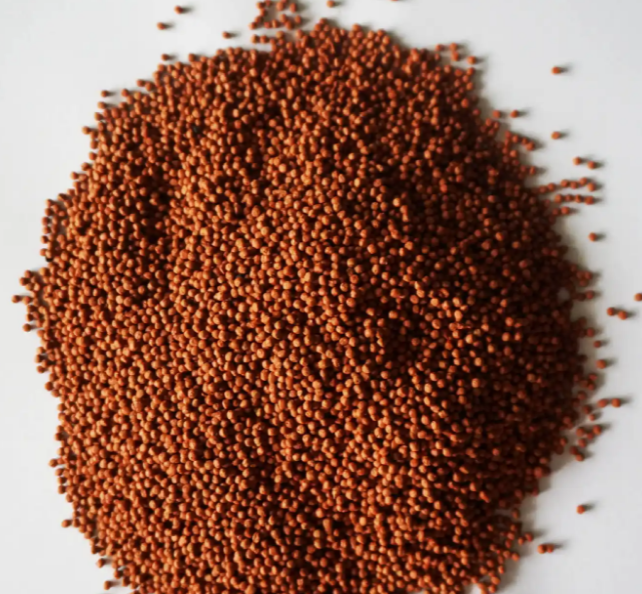
1. Basic Definition and Behavior in Water
Floating Feed
Floating feed pellets remain on the water surface for a period of time (from minutes to hours depending on design). Fish consume them at or near the surface.
Sinking Feed
Sinking feed pellets descend through the water column and settle on the bottom (or sink slowly). Fish consume them mid-water or near the bottom.
2. Production Technology: Extrusion vs. Pelleting
Floating Feed: Typically Extruded
Most floating feed is produced using extrusion. During extrusion, heat, moisture, fish food machine automatic and mechanical shear “cook” the mix. When the pellet exits the die, water flashes into steam and creates expansion, forming internal pores that reduce density—allowing the pellet to float.
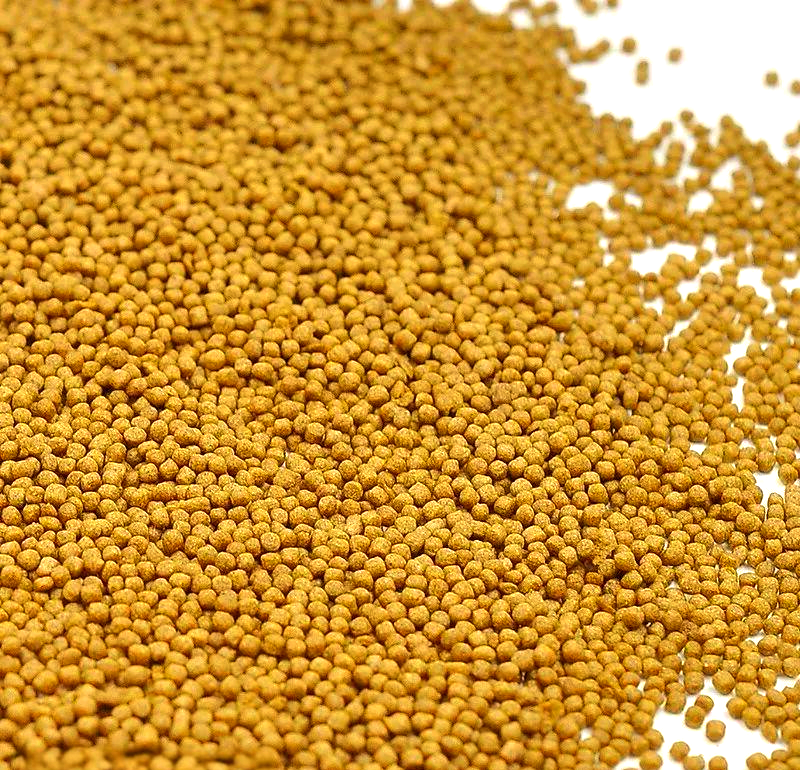
Key processing features:
- Higher starch gelatinization (better expansion)
- Lower bulk density
- Often supports higher fat addition via post-extrusion coating (including vacuum coating)
Sinking Feed: Often Pelleted (or Low-Expansion Extruded)
Sinking feed is commonly made via pelleting, which compresses the conditioned mash through a die with limited expansion. Pellets are denser and thus sink. Sinking feeds can also be made by extrusion, but with low expansion and higher density settings.
Key processing features:
- Higher density and firmer structure
- Less expansion (fewer pores)
- Generally simpler and lower-cost equipment compared with extrusion
3. Density, Porosity, and Pellet Structure
The fundamental difference is bulk density:
- Floating pellets have more internal air spaces (higher porosity), making them lighter than water.
- Sinking pellets are more compact (lower porosity), making them heavier than water.
These structural differences also influence how the feed behaves during storage, transport, and feeding.
4. Feeding Management and Observation
Floating Feed Advantages
- Easy to observe feeding: Farmers can see appetite and adjust ration immediately.
- Less overfeeding: Uneaten feed is visible and can be removed in some systems.
- Supports precision feeding: Helpful for automatic feeders and feeding response monitoring.
Floating Feed Limitations
- Surface feeding may increase competition and aggression in some species.
- Wind and surface currents can push pellets away, causing uneven intake.
Sinking Feed Advantages
- Suitable for bottom-feeding and timid fish that avoid the surface.
- Can reduce surface crowding and stress for some species.
- Often preferred in deeper ponds or cages when surface conditions are rough.
Sinking Feed Limitations
- Harder to monitor intake: Uneaten feed may accumulate on the bottom.
- Higher risk of water quality deterioration if overfed (ammonia increase, oxygen demand, sludge formation).
5. Nutrient Retention and Water Stability
Both floating and sinking feed must maintain integrity in water, fish food machine automatic but the priorities can differ:
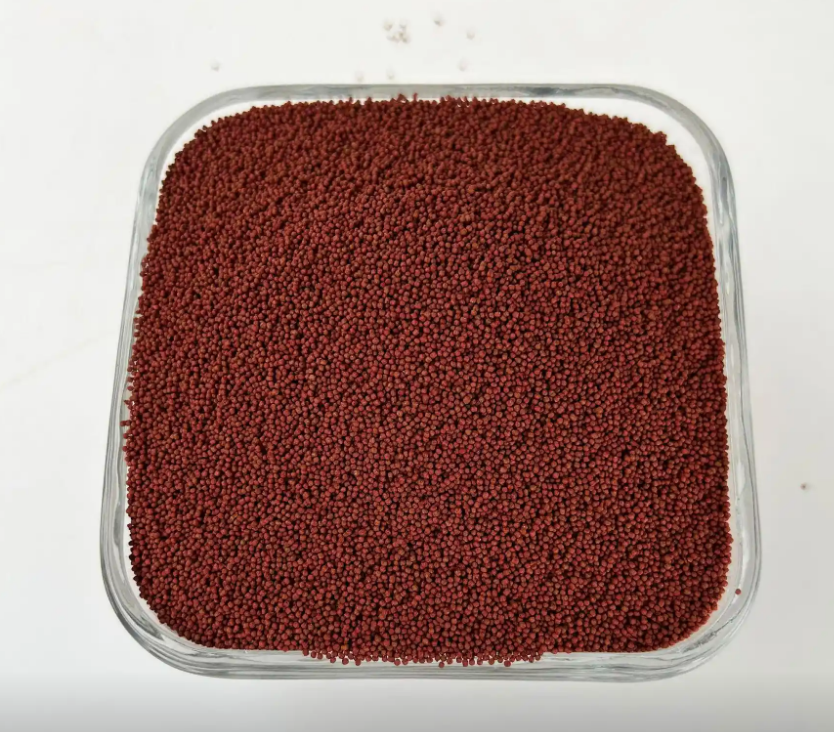
- Floating feed must resist breaking at the surface and avoid rapid nutrient leaching.
- Sinking feed must remain stable while sinking and after reaching the bottom, especially for slow-feeding species.
Poor water stability in either type leads to:
- Nutrient loss (especially soluble vitamins and attractants)
- Increased suspended solids and turbidity
- Higher biological oxygen demand and worse pond hygiene
6. Species and Farming Scenarios
Floating Feed Is Commonly Used For
- Many surface or mid-water feeding species in intensive systems
(e.g., tilapia, carp in some systems, catfish in many regions, snakehead in some practices) - Farms that rely on visual control and frequent feeding adjustments
Sinking Feed Is Commonly Used For
- Bottom-feeders and species that prefer deeper feeding zones
(e.g., many shrimp feeds are sinking; some carnivorous fish and some marine species may prefer sinking/slow-sinking pellets) - Systems where surface feeding is inefficient due to waves, light sensitivity, or fish behavior
Note: Actual preference varies by species, size stage, and local practices.
7. Cost and Practical Considerations
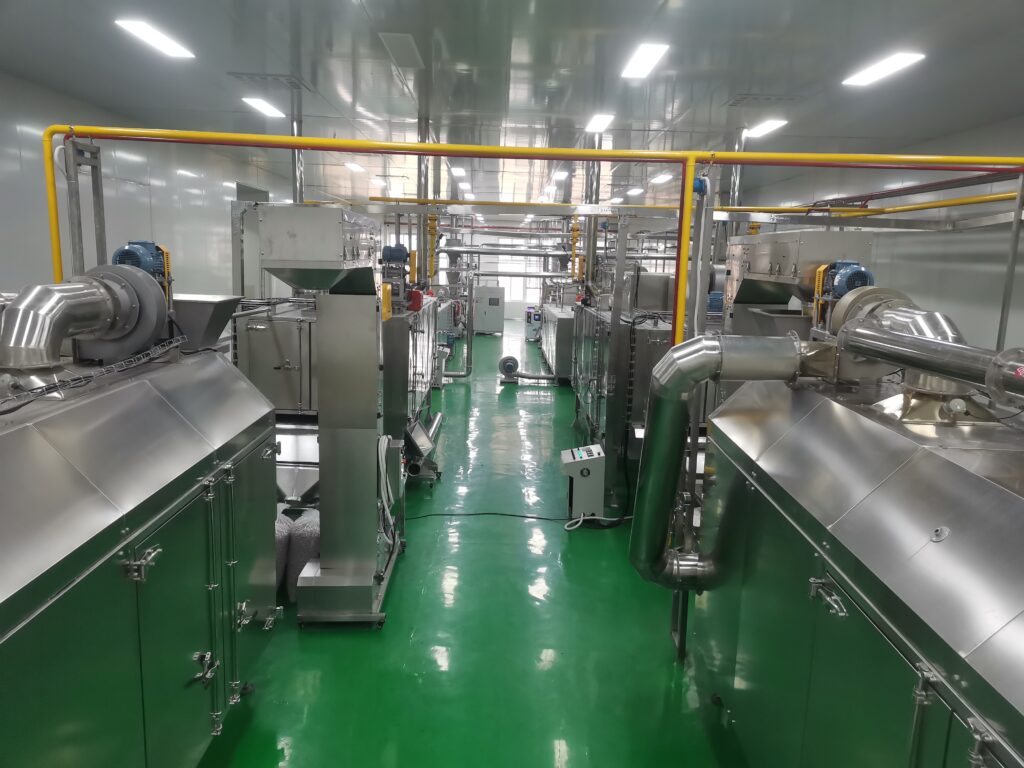
- Floating feed typically has higher processing cost due to extrusion energy use, more complex equipment, and the need for tighter control of moisture, temperature, and expansion.
- Sinking feed is often less expensive to produce, especially with conventional pelleting lines, though high-quality sinking pellets still require good conditioning, die selection, and drying/cooling control.
However, the “cheaper” feed can become more expensive in practice if it increases waste or worsens water quality.
8. Choosing the Right Feed Type
A practical selection should consider:
- Fish feeding behavior (surface vs. bottom)
- Pond/cage environment (wind, waves, depth, clarity)
- Management goals (visual monitoring vs. hidden feeding)
- Water quality risk and waste control
- Equipment availability and feed supplier capability
Floating fish feed is designed to remain on the surface, enabling easy feeding observation and tighter ration control, and it is usually made by extrusion with expanded, porous pellets. Sinking fish feed is designed to descend and be eaten below the surface, typically made by pelleting or low-expansion extrusion, producing denser pellets that can be better suited for bottom-feeding species. The best choice depends on species behavior, farm conditions, and how strictly the farmer needs to monitor feeding in real time.
 Spanish
  English
  Russian
  Italian
  Arabic
  Portuguese
  German
  French
  Japanese
  Moroccan Arabic
  Persian
  Belarusian