
The puffing extruder is a remarkable piece of engineering, widely used in the food, feed, and industrial sectors to create expanded products like puffed snacks, breakfast cereals, and texturized proteins . Its operation relies on a combination of heat, pressure, and mechanical shear to cook and shape raw materials . However, to ensure consistent product quality, equipment longevity, and operator safety, a strict operational protocol must be followed. This guide provides a step-by-step overview of how to safely and effectively operate a puffing extruder.
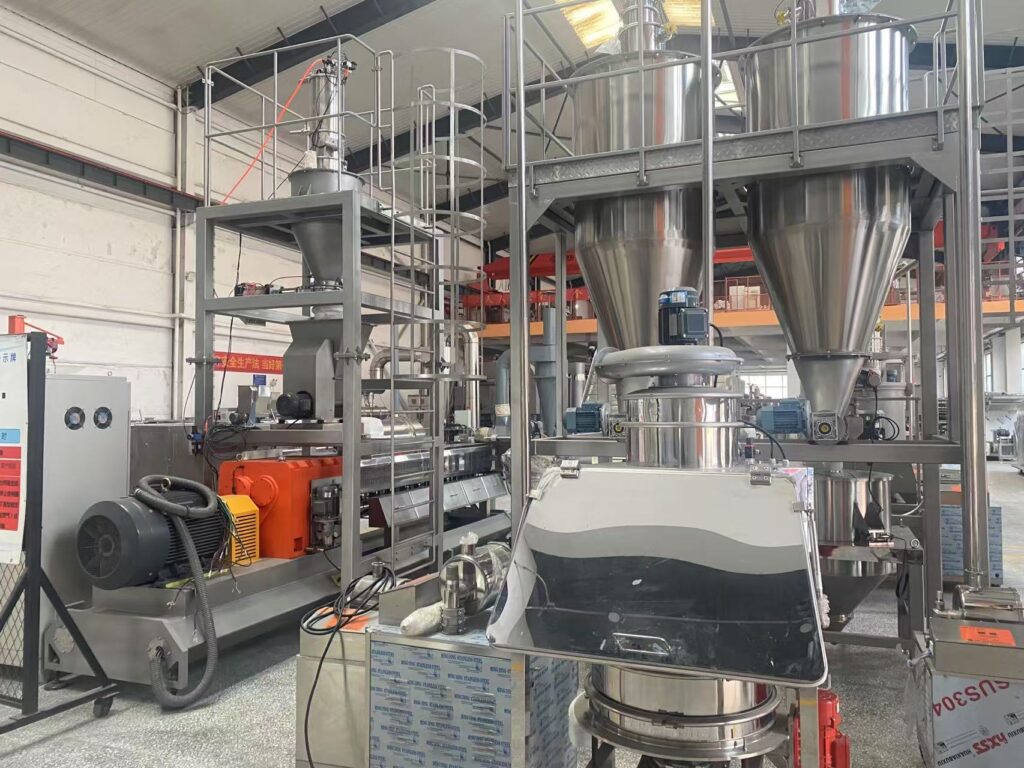
1. Pre-Operation Preparation and Safety Checks
Before starting the machine, a thorough inspection is critical. This phase prevents accidents and equipment damage.
- Inspect and Clean the Machine: Ensure all components, including the screws, barrels, and dies, are clean and properly assembled. Remove any residues from previous production runs to prevent contamination . Check that all connecting bolts and anchor bolts are securely fastened .
- Check Lubrication and Electrical Systems: Verify that all moving parts are adequately lubricated to prevent overheating and excessive wear . Inspect cables and control panels to ensure they are intact with no exposed wires .
- Raw Material Inspection: Raw materials like cornmeal or rice flour must be properly ground, dried, and free from contaminants such as metal or stones, which can severely damage the screw and barrel . It is also vital to check that the feed inlet is clear to prevent blockages .
- Test Safety Mechanisms: Test all emergency stop buttons to confirm they function correctly . Ensure a fire extinguisher, suitable for grease fires, is nearby .
2. Startup Procedures
Proper startup is a gradual process that brings the machine to operational status safely.
- Wear Personal Protective Equipment (PPE): Operators must wear heat-resistant gloves, safety goggles, and closed-toe shoes to protect against hot surfaces and potential material ejections .
- Gradual Preheating: Turn on the heating zones of the extruder barrel. Preheat the barrel slowly to the required temperatures (typically between 120°C and 180°C for puffed snacks) to avoid thermal shock to the metal components . For some applications, like feed extrusion, the cavity may need to be preheated with steam to around 100°C .
- Initial “Warm-Up” Run: Before adding raw materials, start the screw at a low speed (idling). The idling time should generally not exceed 2 minutes. This helps check for any unusual noises or vibrations . Some operators perform a friction preheating step by feeding a small amount of material to raise the temperature and pressure before full production begins .
3. The Extrusion Process: From Raw Material to Product
This is the core of the operation, where raw ingredients are transformed into a puffed product.
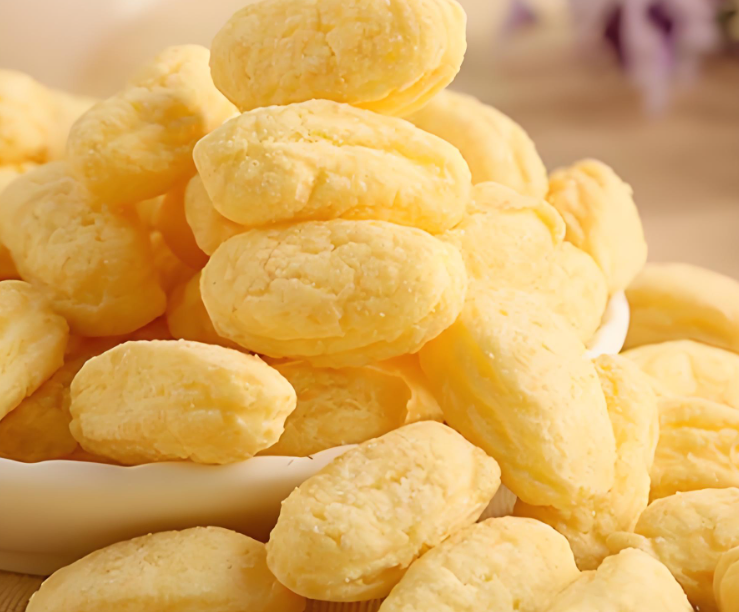
- Consistent Feeding: Gradually introduce the mixed raw material into the hopper. Start with a low feed rate and gradually increase it to prevent clogging and overloading the motor. The goal is to maintain a consistent feed rate for uniform processing .
- Monitoring and Adjustment: As the material travels through the barrel, it is subjected to heat, pressure, and shear. The operator must constantly monitor key parameters:
- Temperature and Pressure: Keep these within safe operating limits to prevent explosions or burns and to ensure proper cooking .
- Screw Speed (RPM): Adjust the speed based on product requirements. Higher speeds increase shear and heat, affecting texture and puffing .
- Moisture Content: The moisture level of the input material is critical. Too much moisture can lead to a dense product, while too little can cause insufficient puffing .
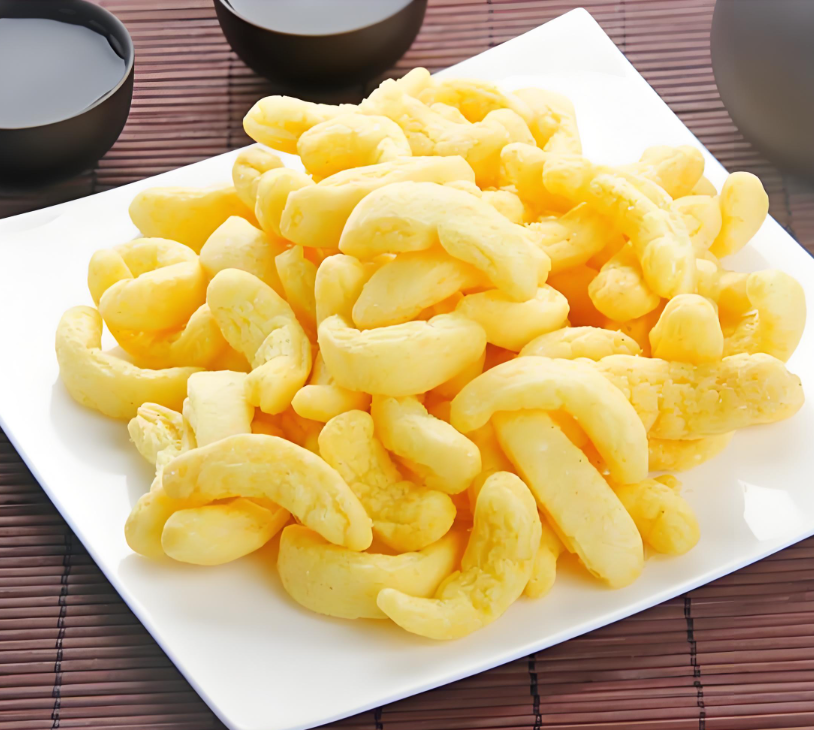
- Puffing and Cutting: When the material exits the die, the sudden drop in pressure causes it to expand or “puff.” A rotating cutter then slices the extruded rope into the desired size and shape .
4. Shutdown and Cleaning Procedures
Shutting down correctly is just as important as starting up, preventing blockages and making future startups easier.
- Gradual Shutdown for Normal Stops: First, stop the feeder to allow the material in the barrel to be processed. Let the machine run until the host motor’s current drops to a no-load value, indicating the barrel is mostly empty. Then, turn off the main motor and heating zones .
- Clearing the Barrel: To prevent material from hardening inside and blocking the machine, it is often necessary to clear the barrel. This can be done by introducing a cleaning agent (like soy flour for corn extrusion) to push out remaining material before the final stop . For an emergency shutdown (e.g., power failure), the template (die) should be opened and the barrel emptied manually by turning the drive belt .
- Hot Disassembly and Cleaning: After shutdown, the operator must wear high-temperature gloves to quickly remove the die and screws. These parts should be cleaned immediately while hot to remove residual material, as it is much harder to remove once cooled and hardened .
5. Post-Processing and Quality Control
The work doesn’t end once the product leaves the extruder.
- Drying and Seasoning: The freshly extruded puffed snacks often have high moisture and need to be dried in an oven or dryer to achieve the desired crispness. After drying, they may be tumbled in a drum with oil and seasonings .
- Final Inspection: The finished product must be checked for consistent size, shape, texture, and degree of puffing. If the product does not meet standards, process parameters (temperature, screw speed, feed rate) may need adjustment for the next run .
6. Routine Maintenance
Regular maintenance is the key to a long and safe machine life.
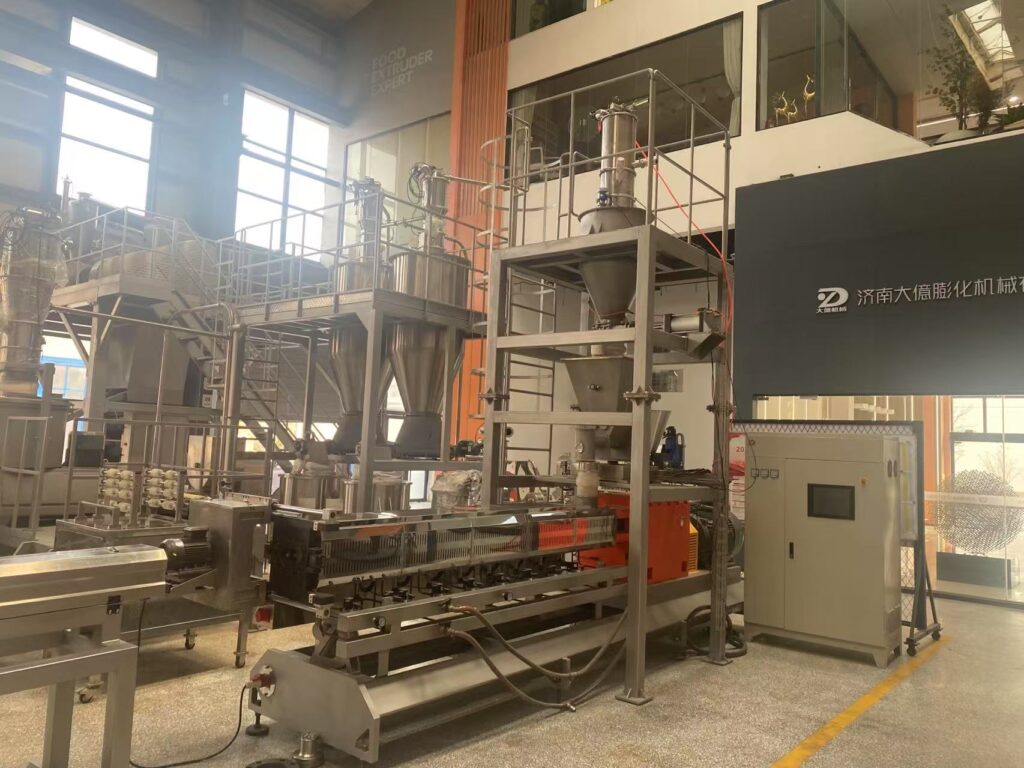
- Lubrication: Replace oil and lubricating grease at regular intervals (e.g., every 4000 hours of operation). Main bearings and gearboxes require particular attention .
- Inspection: Regularly check the wear on critical parts like screws and barrels. Materials with abrasive fillers (like calcium carbonate or glass fiber) can accelerate wear . Inspect and clean the electric control cabinet and magnetic separators at the feed inlet .
- Record Keeping: Keep logs of maintenance, inspections, and any repairs performed on the screws or barrels. This helps predict when parts might need replacement or repair .
 Spanish
  English
  Russian
  Italian
  Arabic
  Portuguese
  German
  French
  Japanese
  Moroccan Arabic
  Persian
  Belarusian