
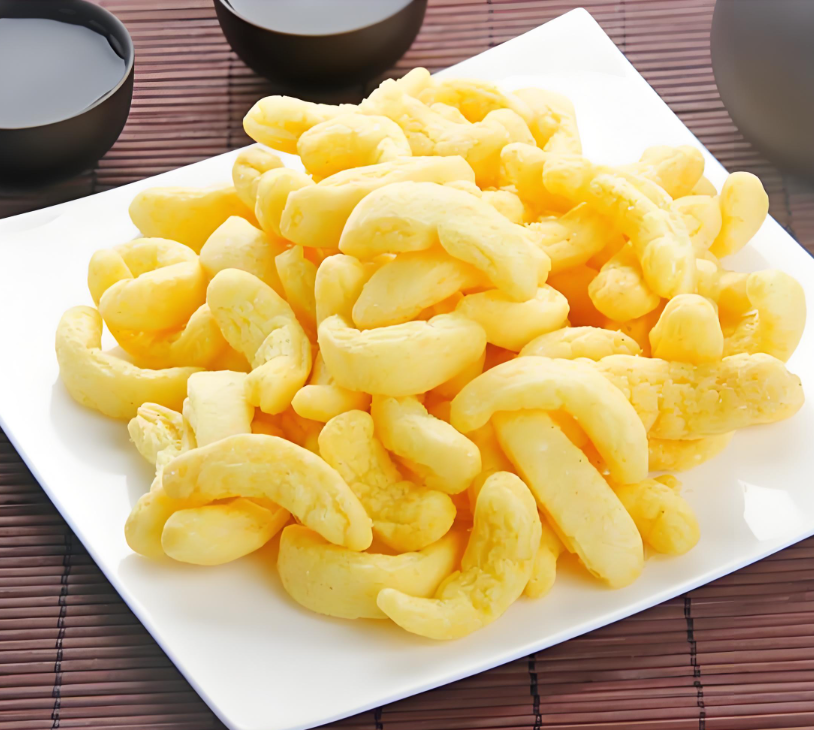
The humble puffed snack—whether a cheese-flavored corn puff, a hearty whole-grain cereal, or a high-protein health snack—is a modern marvel of food science. Its appeal lies in a unique combination of textures: an initial crispy crunch followed by a light, airy melt-in-the-mouth experience. Behind this simple pleasure is a sophisticated continuous process known as extrusion cooking. Producing a puffed snack that is consistently delicious requires a deep understanding of ingredients, precise control of machinery, and an appreciation for the complex chemical and physical transformations that occur in a matter of seconds.
The Heart of the Process: The Extruder
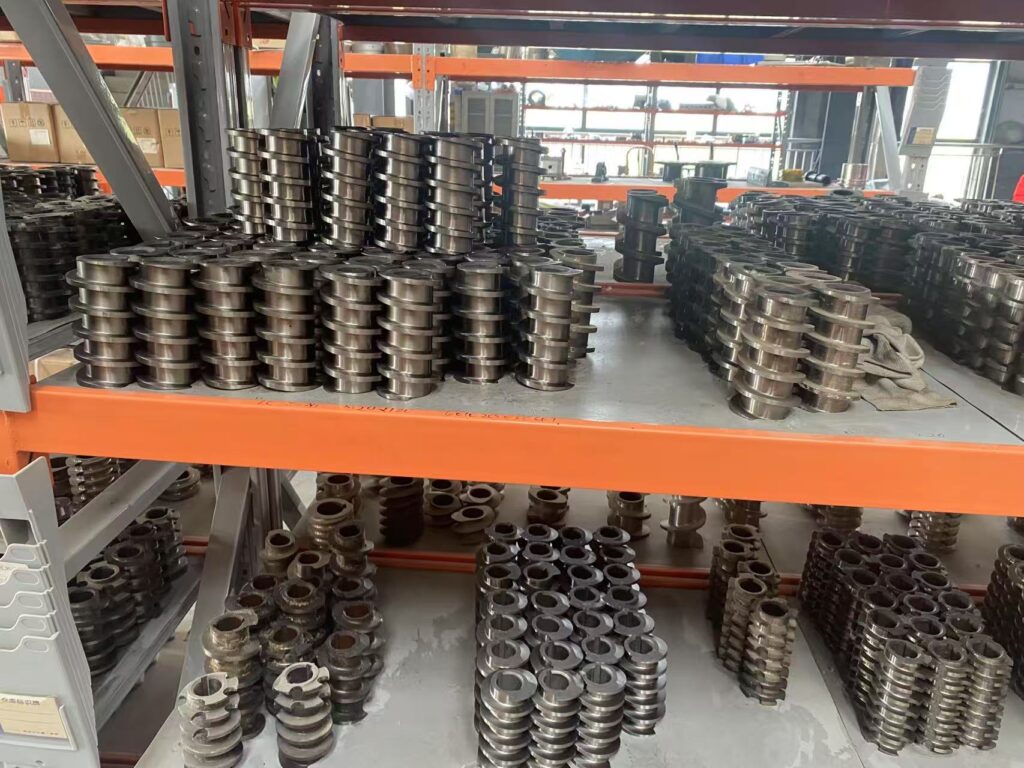
The journey from raw flour to a finished puff begins in the extruder, often a twin-screw machine for its versatility and control . Think of the extruder as a high-temperature, high-pressure reactor combined with a shaping die. It is a long barrel containing rotating screws that convey, knead, and cook the raw materials. The process can be broken down into several critical stages.
1. Formulation and Pre-conditioning: Building the Foundation
Deliciousness starts before the ingredient enters the barrel. The base recipe typically revolves around a starch source, such as corn, rice, wheat, or oats . These starches are the structural backbone that will create the puff. However, to build flavor and nutritional value, other ingredients are added. These can include protein concentrates from peas or soy, vegetable powders, and whole grains .
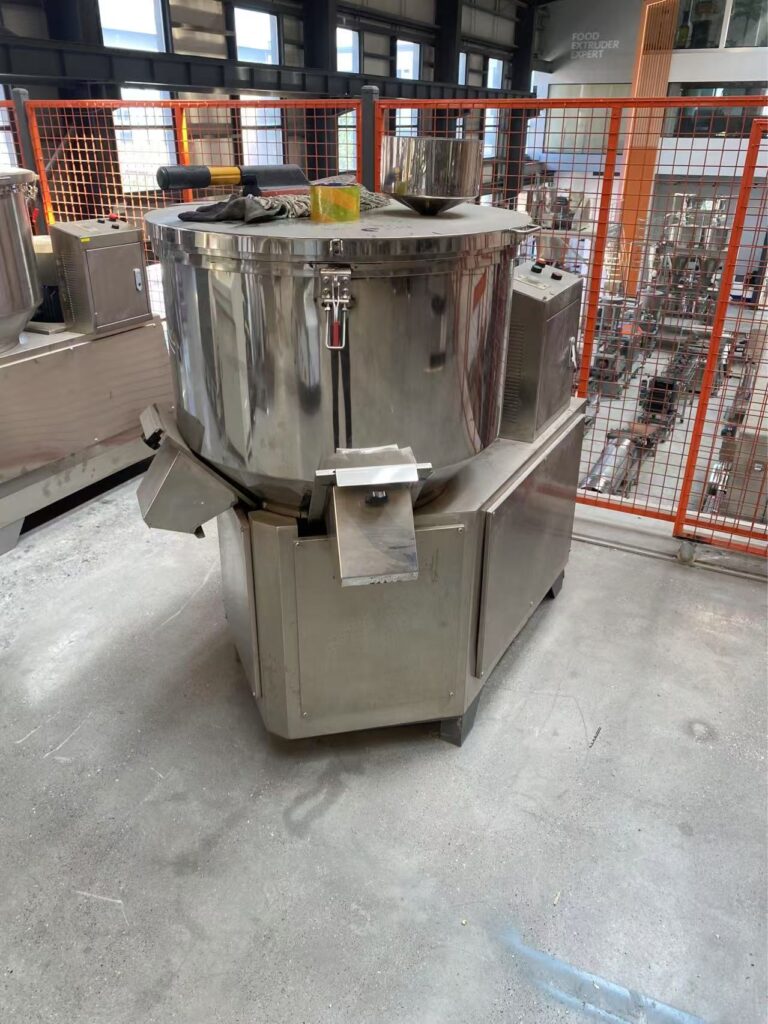
Before extrusion, dry ingredients are often blended and may enter a pre-conditioner. Here, they are mixed with steam and water. This step hydrates the particles and begins to cook the starches, making the subsequent extrusion process more efficient and consistent. It also allows for higher moisture levels, which can be gentler on heat-sensitive nutrients .
2. The Cooking Journey: Transformation Under Pressure
Inside the extruder barrel, a series of precisely controlled changes occur:
- Conveying and Mixing: The rotating screws push the material forward. The screw configuration—with its specific arrangement of kneading blocks and transport elements—intensely mixes the ingredients into a homogeneous dough .
- Shearing and Heating: As the dough is forced through the barrel, mechanical energy is transferred from the screws to the dough. This friction generates intense heat, a phenomenon known as viscous dissipation. Additional heat can be applied through heating jackets around the barrel. Temperatures can soar to between 150°C and 180°C, creating a superheated, molten dough .
- Chemical Reactions: The high heat and shear force trigger essential transformations. Starches gelatinize, meaning they absorb water, swell, and lose their crystalline structure, becoming digestible and giving the product its structure. Proteins are denatured, which can help with texture and nutritional quality . This is also where flavor development begins, as the heat generates toasty, cereal-like notes through browning reactions.
3. The Die and Expansion: The Moment of Creation
The business end of the extruder is the die, a metal plate with precisely shaped openings. The molten, pressurized dough is forced through these openings. The magic happens instantly as the extrudate exits:
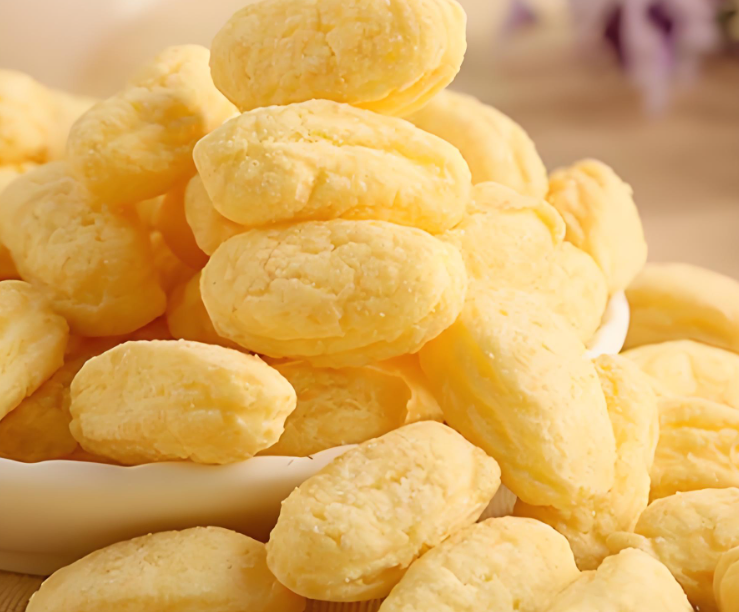
The moment the hot dough emerges from the die, it experiences a catastrophic pressure drop—from high pressure inside the barrel to normal atmospheric pressure. This is like opening a vigorously shaken soda bottle. The superheated water trapped in the molten matrix instantly flashes into steam. This expanding steam creates millions of tiny gas bubbles (nucleation sites) throughout the extrudate, causing it to inflate dramatically, a phenomenon known as the expansion ratio . The structure sets almost immediately as the steam escapes and the material cools, forming the characteristic rigid, airy foam matrix.
The size of the cells and the thickness of their walls are critical to texture. Recent research shows that larger cells are positively correlated with crunchiness and crispness, while thicker cell walls contribute to hardness .
| Process Stage | Key Actions & Conditions | Purpose & Effect |
|---|---|---|
| Formulation & Pre-conditioning | Blending starches, proteins, fibers; adding steam/water. | Hydrates particles, begins cooking, ensures consistency. |
| Cooking & Shearing | Screws convey & knead dough; temp. reaches 150-180°C. | Starches gelatinize, proteins denature; flavor develops. |
| Die & Expansion | Dough forced through die; immediate pressure drop. | Water flashes to steam; product puffs & cellular structure sets. |
| Cutting & Drying | Rotating blade cuts at die face; air/vacuum drying. | Creates final shape; achieves desired crispy, shelf-stable texture. |
4. Cutting and Shaping
Right at the die face, a rotating blade cuts the continuous extrudate into individual pieces. The speed of the blade determines the length of the final puff. As the product is cut, it may still be hot and pliable, allowing for further shaping if needed .
Finishing Touches: From Puff to Snack
The product leaving the extruder is a puffed but often still soft and warm base. To transform it into the tasty snack in the bag, two final steps are crucial.
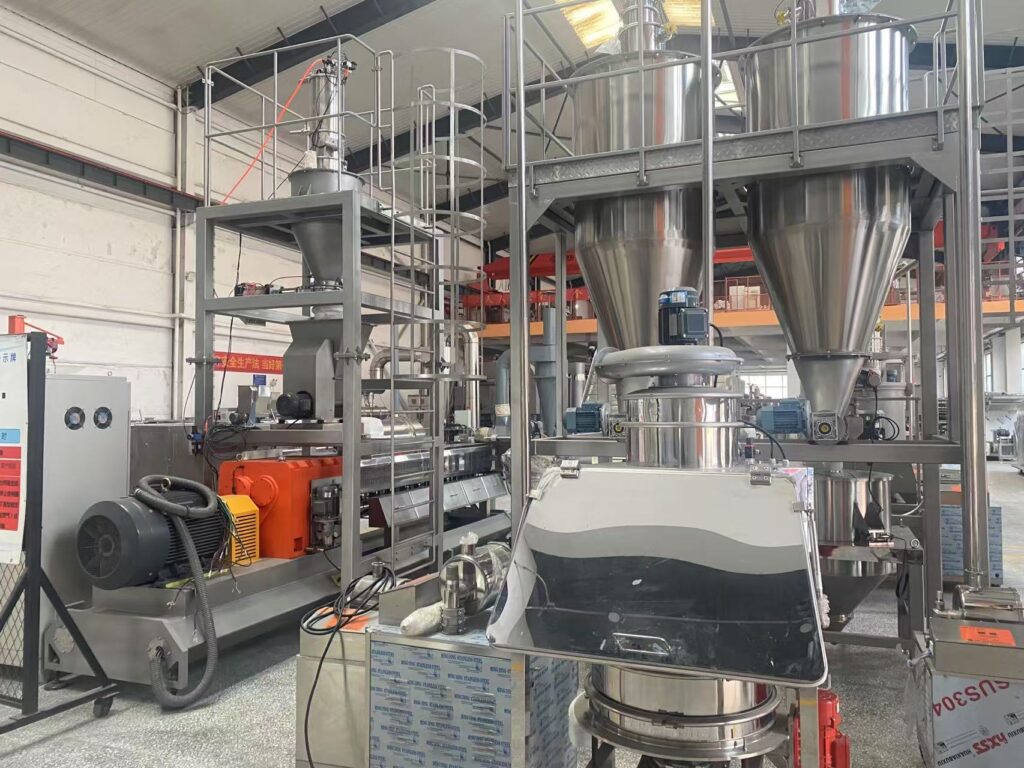
- Drying: Freshly extruded puffs have a moisture content that is too high for that desired crispy texture. They are passed through large dryers, which use hot air to reduce the moisture to a stable level, typically below 3-5% . This step finalizes the texture, making it rigid and crispy, and ensures shelf stability.
- Seasoning and Coating: This is where the distinct flavor profile is added. The dried puffs are tumbled in large rotating drums while liquid oils and powdered seasonings are applied. The oil acts as an adhesive, helping the flavorful powder—be it cheese, barbecue, or sour cream and onion—stick to every nook and cranny of the snack’s surface .
Innovations for a Healthier Future
The classic extrusion process faces a challenge: adding high amounts of protein or fiber often results in a hard, dense, and unpalatable product . This is because proteins and fibers disrupt the starch network and restrict bubble growth. However, food scientists are developing innovative solutions to produce healthier snacks that don’t compromise on taste.
One promising technique is gas-assisted extrusion. By injecting an inert gas like nitrogen into the barrel, manufacturers create additional nucleation sites. This helps the product expand more, resulting in a lower density, reduced hardness, and improved crispness—even with protein levels as high as 50% .
Another frontier is supercritical fluid extrusion. This method uses supercritical carbon dioxide (CO₂) instead of steam as the blowing agent. Because CO₂ turns into a gas at much lower temperatures, the process can be carried out at around 100°C. This gentler approach protects heat-sensitive nutrients, allowing for the creation of puffed snacks fortified with vitamins, minerals, and proteins that would otherwise be damaged by traditional high-heat methods .
In conclusion, producing a delicious puffed snack is a delicate balance of art and science. It demands a mastery of ingredients to formulate a base that tastes great and handles well, the engineering precision to control temperature, pressure, and shear inside the extruder, and the chemical knowledge to manipulate starch, protein, and gas to create the perfect light, crispy, and flavorful bite. As consumer demand shifts toward healthier options, the science of extrusion continues to evolve, ensuring that the future of snacking is both tasty and nutritious. If you are interested in the puffed snack food machine , you can contact me , i will give you good advice and solutions .
1.Will you help us with the installation ?
Yes , We will send engineers to install and debug the equipment, and assist in training your staff.
2.Are you a factory or trading company?
We are a factory.
3.What certificate do you have?
We have ISO and CE certificate.
4.How long is the warranty period?
All of our machines have one year warranty.
5.What’s the main market of your company?
Our customers all over the world.
6.How much production capacity of your company one year?
This depends on your needs.
 Spanish
  English
  Russian
  Italian
  Arabic
  Portuguese
  German
  French
  Japanese
  Moroccan Arabic
  Persian
  Belarusian