
Fortified rice has evolved from a simple public health intervention into a multifaceted tool addressing malnutrition across diverse settings worldwide. Its ability to deliver essential micronutrients without altering dietary habits or cooking practices makes it uniquely adaptable to various applications—from large-scale government programs to emergency humanitarian responses and commercial markets. This article explores the primary applications of fortified rice and how they contribute to improving global nutrition security.
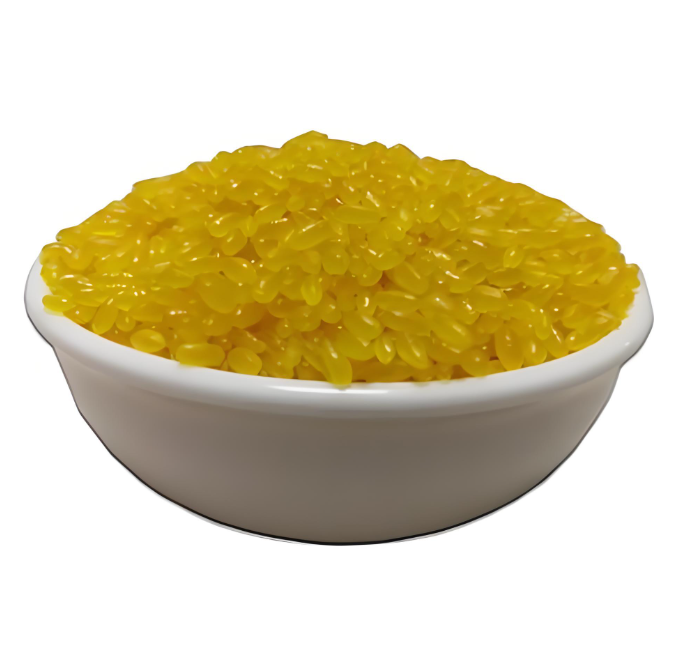
1. National Public Health Programs
The most significant application of fortified rice is within government-led public health initiatives designed to combat widespread micronutrient deficiencies, often called “hidden hunger” .
Targeted Public Distribution Systems: Countries with high rice consumption have integrated fortified rice into their social safety nets. In India, for example, the government supplies fortified rice enriched with iron, folic acid, and vitamin B12 through the Targeted Public Distribution System (TPDS), reaching millions of low-income households with nutrient-enhanced staples . By March 2024, all custom-milled rice in every government scheme had been replaced with fortified rice, demonstrating an unprecedented scale of implementation .
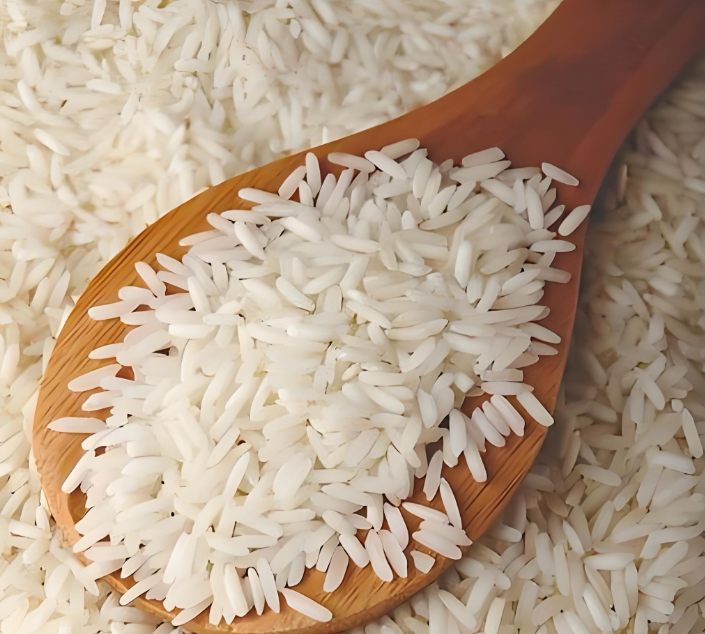
Integrated Child Development Services: Fortified rice plays a crucial role in early childhood nutrition. Through India’s ICDS program, fortified rice is provided to Anganwadi centers, supporting nutrition for children under six and pregnant/lactating women . Similarly, Laos launched a national rice fortification project in early 2025 specifically to address iron deficiency anemia, which affects approximately 40 percent of women of reproductive age and 44 percent of children under five nationwide .
Anemia Reduction Strategies: The economic burden of micronutrient deficiencies has driven policy action. In Laos, anemia-related health issues resulted in economic losses exceeding $241 million in 2020 alone, prompting the government to integrate fortified rice into the national food system with support from development partners . These programs recognize that rice, as the staple food, serves as an ideal vehicle for delivering essential vitamins and minerals at population scale.
2. School Feeding Programs
School-based nutrition interventions represent one of the most impactful applications of fortified rice, simultaneously addressing childhood malnutrition and supporting educational outcomes .
Mid-Day Meal Schemes: India’s Pradhan Mantri Poshan Shakti Nirman (PM POSHAN) scheme, formerly the Mid-Day Meal Programme, serves fortified rice to millions of school children daily . This application ensures that children receive essential nutrients during critical developmental years, with documented improvements in concentration, attendance, and physical growth .
Institutional Procurement Models: In Nigeria, the West African Fortified Parboiled Unpolished Rice (WAFPUR) Project leverages existing school feeding programs in Kano and Ogun States to introduce fortified parboiled rice . The project aims to improve the nutritional status of up to 20,000 school children while simultaneously creating economic opportunities for local rice processors . This dual-impact model demonstrates how school feeding applications can strengthen both public health and local food systems.
Cognitive Development Benefits: Research confirms that nutrition delivered through school meals directly impacts learning capacity. Fortified rice in school feeding initiatives has been shown to improve student concentration and academic performance, reduce dropout rates, and strengthen immune systems among vulnerable child populations .
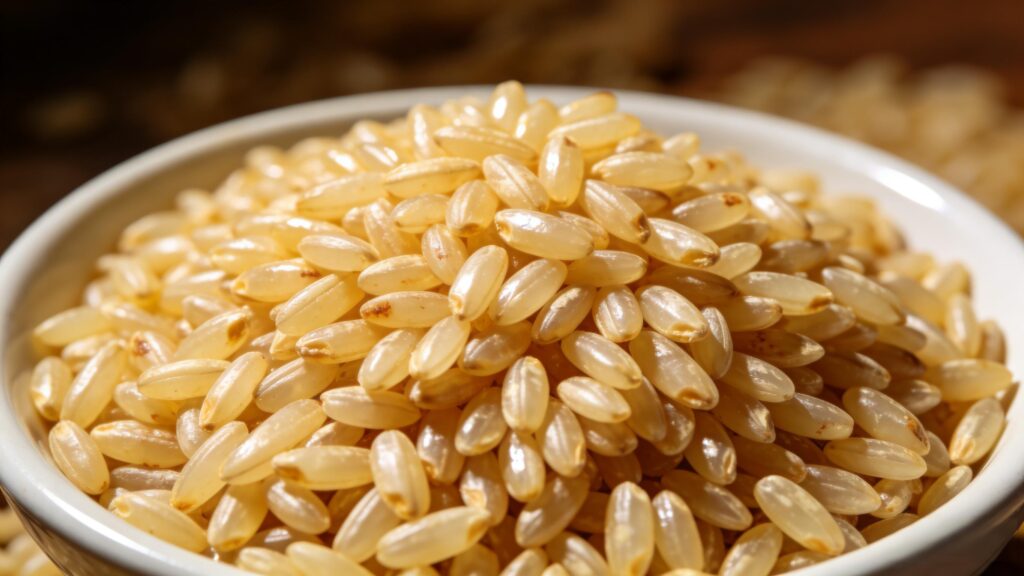
3. Humanitarian Aid and Emergency Relief
In crisis-affected regions, fortified rice has become a cornerstone of international food assistance .
Refugee and Displacement Settings: Organizations including the World Food Programme (WFP), UNICEF, and the Red Cross distribute fortified rice in refugee camps, famine-stricken areas, and post-conflict zones . The nutrient-dense grains help restore health among displaced populations, support child development in emergency settings, and increase resilience among vulnerable groups facing prolonged food insecurity .
Emergency Stockpiles: Fortified rice offers practical advantages for disaster preparedness. With a shelf life of 12-24 months when properly packaged, it is ideal for stockpiling by disaster relief agencies for rapid deployment after earthquakes, floods, or hurricanes . Its lightweight, compact form facilitates transport, while high caloric and nutritional density ensures efficiency in logistics-constrained environments.
COVID-19 Response: The pandemic highlighted the importance of fortified rice in maintaining nutrition security during crises. Despite supply chain disruptions, humanitarian organizations increased the use of fortified rice , reinforcing its role as a tool for public health resilience .
4. Biofortification: An Agricultural Approach
Beyond industrial fortification, biofortification—breeding crops to increase their nutritional value—represents a complementary application that reaches populations with limited access to processed fortified foods .
High-Zinc Rice Varieties: The International Rice Research Institute (IRRI) has developed zinc-biofortified rice varieties to combat stunting and deficiency-related health problems . In Indonesia, the Inpari IR Nutri Zinc variety, released in 2019, contains 34.4 ppm zinc—25% higher than popular conventional varieties—and is now grown on more than 200,000 hectares . This application contributed to reducing stunting prevalence from 30.8 percent in 2018 to 21.6 percent in 2022 .
Farmer Adoption and Market Integration: In Uttar Pradesh, India, farmers are successfully cultivating biofortified rice varieties introduced through the Seeds Without Borders initiative . Women farmers from self-help groups have reported not only nutritional benefits for their families but also higher profits—selling biofortified rice seeds at ₹30/kg compared to ₹22/kg for conventional varieties, increasing profit margins by 14.4% . One innovative farmer milled his biofortified rice and marketed it at ₹130/kg, more than doubling his income compared to selling raw paddy .
Golden Rice: For vitamin A deficiency, which affects millions in rice-dependent populations, Golden Rice has been developed through transgenic approaches to contain beta-carotene, which the body converts to vitamin A . This application targets a deficiency that causes preventable blindness and increased mortality in children.
5. Commercial and Retail Markets
The private sector has increasingly embraced fortified rice as a value-added product for health-conscious consumers .
Retail Channels: Fortified rice is available through supermarkets, hypermarkets, convenience stores, and online platforms . In North America and Europe, where fortification is generally voluntary, fortified rice positions itself as a functional food for consumers seeking convenient nutritional enhancements . These markets demand clean labels, traceable sourcing, and third-party certifications .
Instant and Convenience Products: Manufacturers have developed value-added products including enriched instant rice and ready-to-eat rice products that combine nutrition with consumer convenience . These products target busy households seeking quick meal solutions without compromising nutritional quality .
Product Differentiation: Companies differentiate their fortified rice offerings through packaging sizes tailored to specific channels, fortificant claims, and certification cues. Online channels require digital-first storytelling about nutritional benefits, while supermarkets focus on in-store presentation and bulk options .
6. Military and Institutional Rations
Fortified rice serves specialized applications requiring high nutritional density and long shelf life .
Defense Logistics: Military forces incorporate fortified rice into field rations and Meals, Ready-to-Eat (MREs) to maintain soldier performance during prolonged missions . The product must withstand extreme conditions, resist breakage during transport, and maintain nutrient stability across temperature variations.
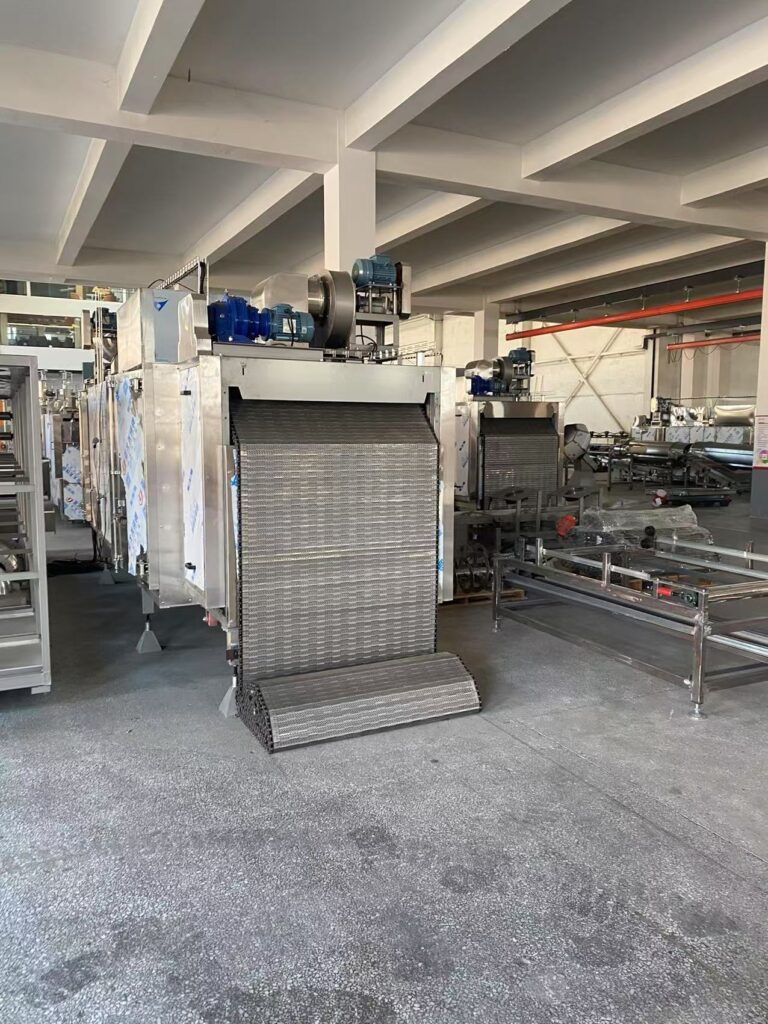
Disaster Relief Specifications: Manufacturers supplying this sector must ensure processing lines produce rice resistant to moisture, contamination, and physical stress—ensuring reliability when deployed after natural disasters . Batch testing and moisture-resistant packaging are essential requirements.
7. International Trade and Export Markets
The global trade of fortified rice is expanding as importing nations recognize its economic and health benefits .
Import-Dependent Nations: Countries with limited arable land or vulnerable food systems—including Gulf Cooperation Council states and small island nations—import fortified rice to strengthen national nutrition security without requiring domestic processing infrastructure .
Regional Trade Adaptation: Tariff policy changes have reshaped fortified rice sourcing strategies, prompting manufacturers to diversify supplier portfolios and accelerate nearshoring initiatives . Export-oriented producers must adhere to strict international regulations including maximum residue limits, packaging requirements, and traceability protocols .
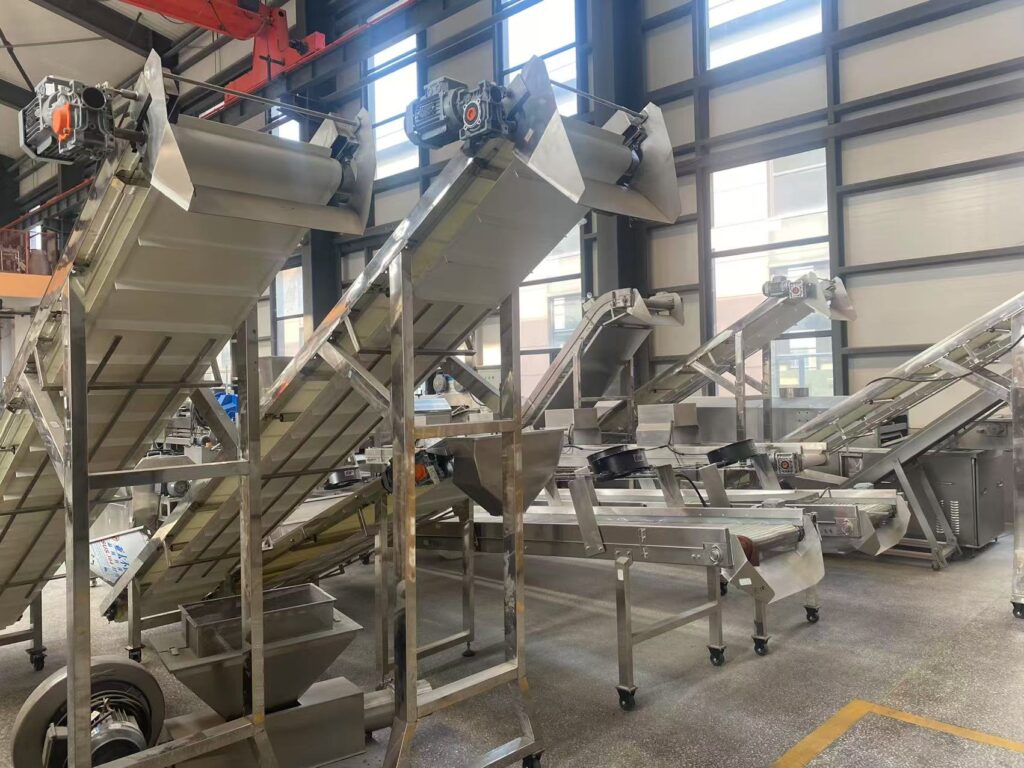
Regulatory Compliance: Successful export operations require compliance with diverse frameworks including FDA standards, EU regulations, and Codex Alimentarius guidelines . Advanced processing lines with automated monitoring systems ensure consistency in nutrient content and grain integrity across international markets.
Conclusion: A Versatile Tool for Multiple Missions
Fortified rice has demonstrated remarkable adaptability across applications—from national public health infrastructure to emergency response, from school cafeterias to commercial retail shelves. Its effectiveness stems from a fundamental insight: because rice is already a dietary staple for billions, enhancing its nutritional content requires no behavior change from consumers .
Whether implemented through government procurement, humanitarian distribution, or commercial marketing, fortified rice applications share common elements: cost-effectiveness, scalability, and cultural acceptability. As processing technologies continue to advance and regulatory frameworks mature, the range of applications will likely expand further, offering new opportunities to address malnutrition in all its forms across diverse global contexts. If you are interested in the fortified rice making machine , you can contact me . I will give you good advice and solutions .
1.Will you help us with the installation ?
Yes , We will send engineers to install and debug the equipment, and assist in training your staff.
2.Are you a factory or trading company?
We are a factory.
3.What certificate do you have?
We have ISO and CE certificate.
4.How long is the warranty period?
All of our machines have one year warranty.
5.What’s the main market of your company?
Our customers all over the world.
6.How much production capacity of your company one year?
This depends on your needs.
 Spanish
  English
  Russian
  Italian
  Arabic
  Portuguese
  German
  French
  Japanese
  Moroccan Arabic
  Persian
  Belarusian