
Inside the Fish Feed Industry: An Unseen Processing Chain
Fish feed is the foundation of modern aquaculture, yet its production process remains largely invisible to consumers. fish feed making machine Marketed as “nutritionally balanced” and “scientifically formulated,” commercial fish feed often hides a complex and troubling industrial reality. This article examines how fish feed is processed, what goes into it, and the risks embedded in its manufacturing chain.
Raw Materials: Low Cost Comes First
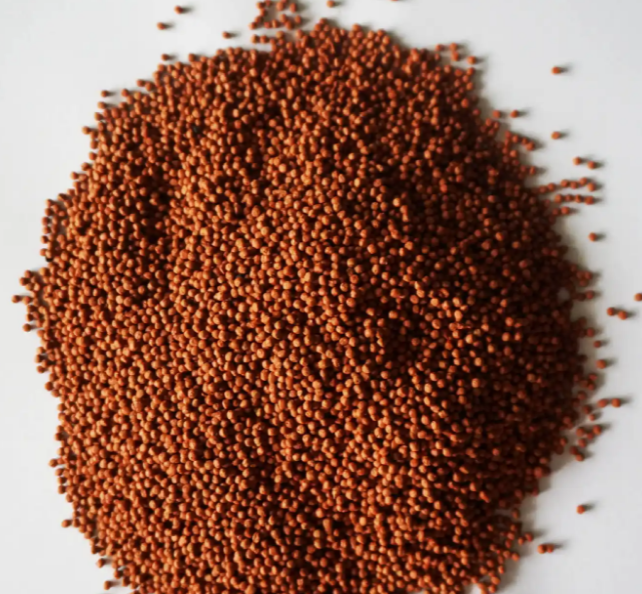
The production of fish feed begins with the selection of raw materials, where cost efficiency frequently outweighs quality. Instead of whole, fresh fish, manufacturers commonly rely on fishmeal made from processing waste—fish heads, bones, viscera, and spoiled or unsold catch. fish feed making machine In some regions, these by-products may already be partially decomposed before processing begins.
To further reduce costs, fishmeal is often blended with plant-based fillers such as soy meal, corn gluten, wheat bran, and rice husks. While these ingredients increase bulk and protein numbers on paper, many fish species have limited ability to digest plant proteins, leading to poor nutrient absorption and increased waste output.
Chemical Additives and Synthetic Supplements
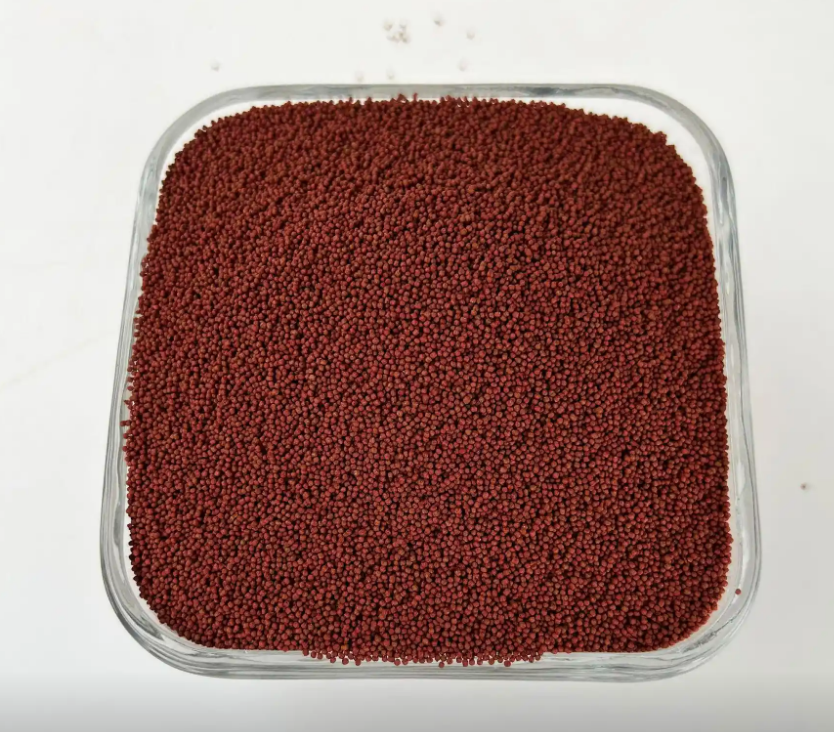
During processing, manufacturers add a range of chemical substances to stabilize and enhance the feed. Antioxidants are used to slow fat oxidation, fish feed making machine artificial pigments are added to improve fish coloration, and synthetic amino acids compensate for poor protein quality. Preservatives help extend shelf life, particularly when raw materials are already degraded.
In some cases, antibiotics and growth-promoting agents are incorporated into feed formulations to prevent disease outbreaks in densely stocked fish farms. This practice raises serious concerns about antibiotic resistance and the accumulation of drug residues in aquatic environments.
High-Temperature Processing: Nutrition Lost
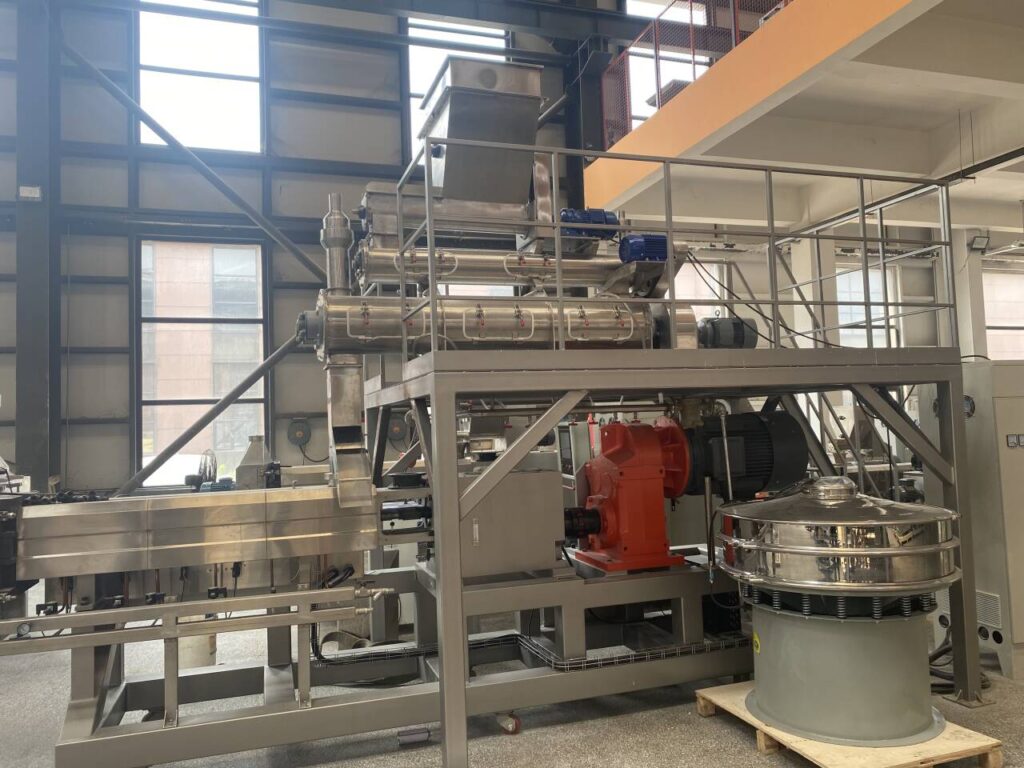
Fish feed is typically produced through extrusion or pelleting, processes that involve high temperatures and pressure. While these methods improve durability and water stability, they also degrade heat-sensitive nutrients such as vitamins, enzymes, and essential fatty acids.
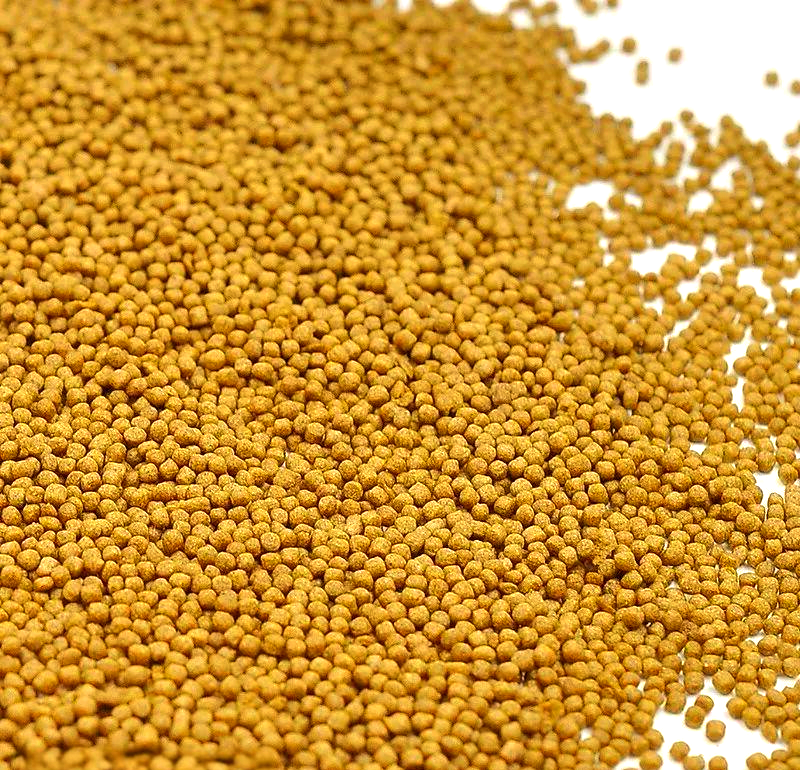
To compensate, manufacturers often spray synthetic vitamins and oils onto the feed after processing. However, fish feed making machine these surface coatings are prone to oxidation and leaching once the feed enters the water, reducing their actual nutritional value by the time fish consume them.
Contamination Risks in the Supply Chain
The fish feed processing chain is vulnerable to contamination at multiple stages. Poor-quality fishmeal can contain heavy metals, dioxins, or harmful bacteria. Plant-based ingredients may carry pesticide residues or mycotoxins from improper storage.
Quality control standards vary widely across regions, and regulatory oversight is often limited. In developing markets, feed mills may lack adequate testing equipment, allowing contaminated batches to enter circulation unnoticed.
Environmental Consequences
The consequences of industrial fish feed processing extend beyond fish health. Indigestible fillers and excess nutrients are excreted into surrounding waters, contributing to eutrophication, algae blooms, and oxygen depletion. Uneaten feed accumulates on the seafloor, altering microbial ecosystems and damaging aquatic habitats.
Ironically, the overuse of wild-caught fish to produce fishmeal for aquaculture places additional pressure on marine ecosystems, undermining the sustainability claims often associated with farmed fish.
A System Built on Opacity
Perhaps the most concerning aspect of fish feed processing is the lack of transparency. Ingredient lists are often vague, quality grades are undisclosed, and consumers have little access to information about sourcing or processing methods. This opacity shields manufacturers from accountability while shifting environmental and health risks downstream.
Toward Better Practices
Exposing the realities of fish feed processing is the first step toward reform. Improved sourcing standards, stricter quality control, reduced reliance on antibiotics, and clearer labeling are all achievable goals. Sustainable alternatives—such as insect protein, algae-based feeds, and improved fermentation techniques—offer promising paths forward if adopted responsibly.
Until transparency becomes the norm rather than the exception, fish feed will remain a hidden driver of environmental degradation and food safety concerns—out of sight, but far from harmless.
 Spanish
  English
  Russian
  Italian
  Arabic
  Portuguese
  German
  French
  Japanese
  Moroccan Arabic
  Persian
  Belarusian