
The production of fortified rice kernels (FRK) — also known as artificial rice or extruded rice — is a highly technical process. These kernels are designed to mimic the appearance, texture, and cooking behavior of natural rice grains while acting as a vehicle for essential micronutrients. To achieve a high-quality product with minimal breakage and optimal nutrient retention, manufacturers must pay close attention to five critical factors.
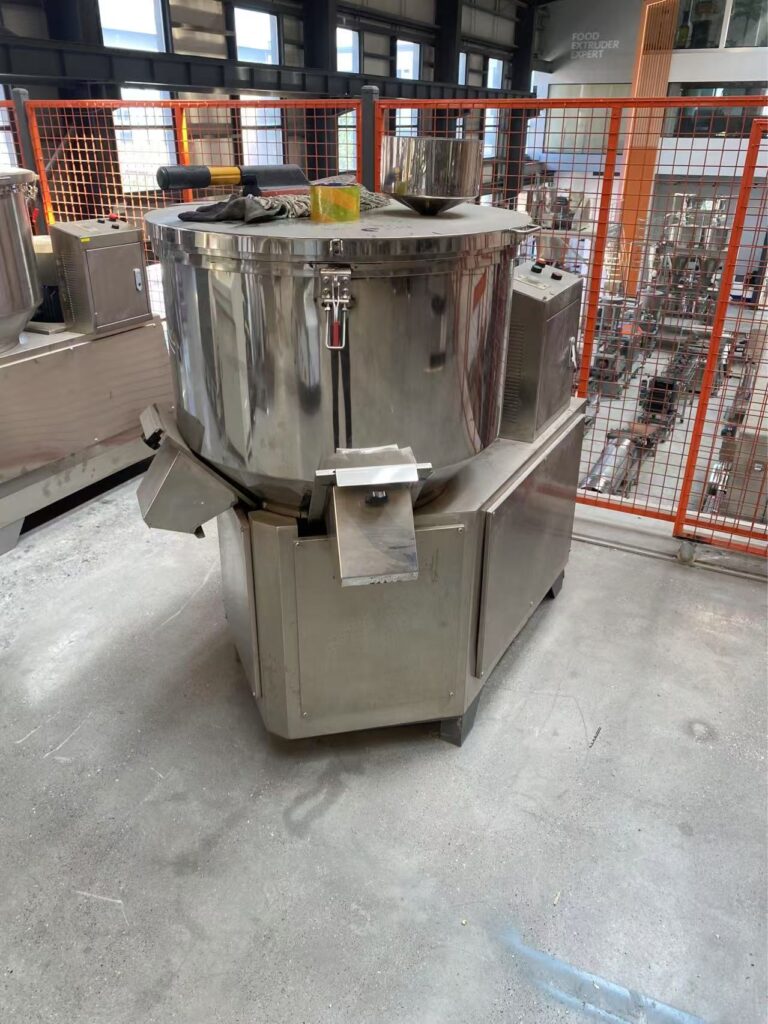
1. Raw Material Composition: The Foundation of Quality
The base formulation is the most critical factor in extrusion. The primary ingredient is usually rice flour (broken rice is a cost-effective standard), but the ratio of rice flour to starches and additives determines the final texture.
- Rice Flour: The particle size must be fine and uniform (typically < 150 microns) to prevent a gritty texture and ensure proper gelatinization.
- Starch Additives: Incorporating modified starches or tapioca starch increases the viscosity and helps the kernels hold their shape during cooking. Without the right starch profile, the grains will either become mushy in water or remain too hard to chew.
- Vitamin and Mineral Premix: The carrier material must be compatible with the premix. Fat-soluble vitamins (A, E) are sensitive to heat and shear; therefore, the formulation often requires encapsulation or antioxidants to prevent degradation during the high-temperature extrusion process.
2. Moisture Content and Conditioning
Water acts as a plasticizer in the extrusion process. Managing moisture is a balancing act that directly affects gelatinization and expansion.
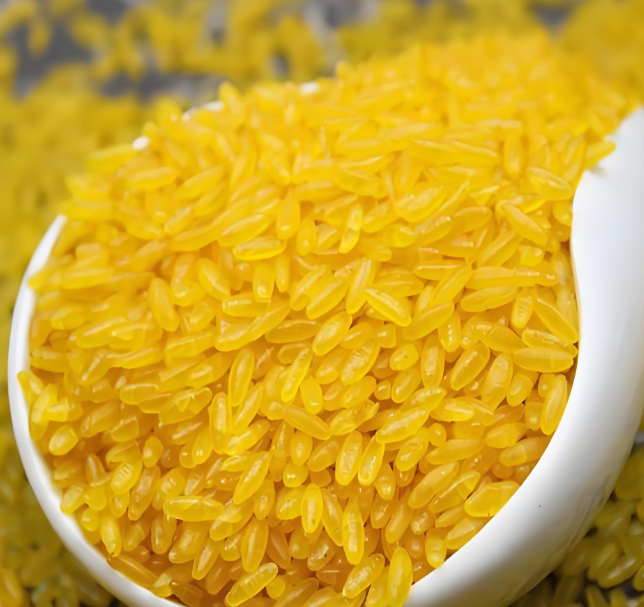
- Pre-Conditioning: Before entering the extruder, the dry mix should be pre-conditioned with steam and water. This starts the hydration of the starch granules.
- Optimal Levels: Generally, the total moisture content during extrusion should be maintained between 30% and 35%. If the moisture is too low, the starch will not gelatinize fully, resulting in raw, hard, and chalky kernels. If it is too high, the product will be sticky, difficult to cut, and prone to collapsing into a paste rather than forming distinct grains.
3. Extrusion Parameters: Temperature and Shear
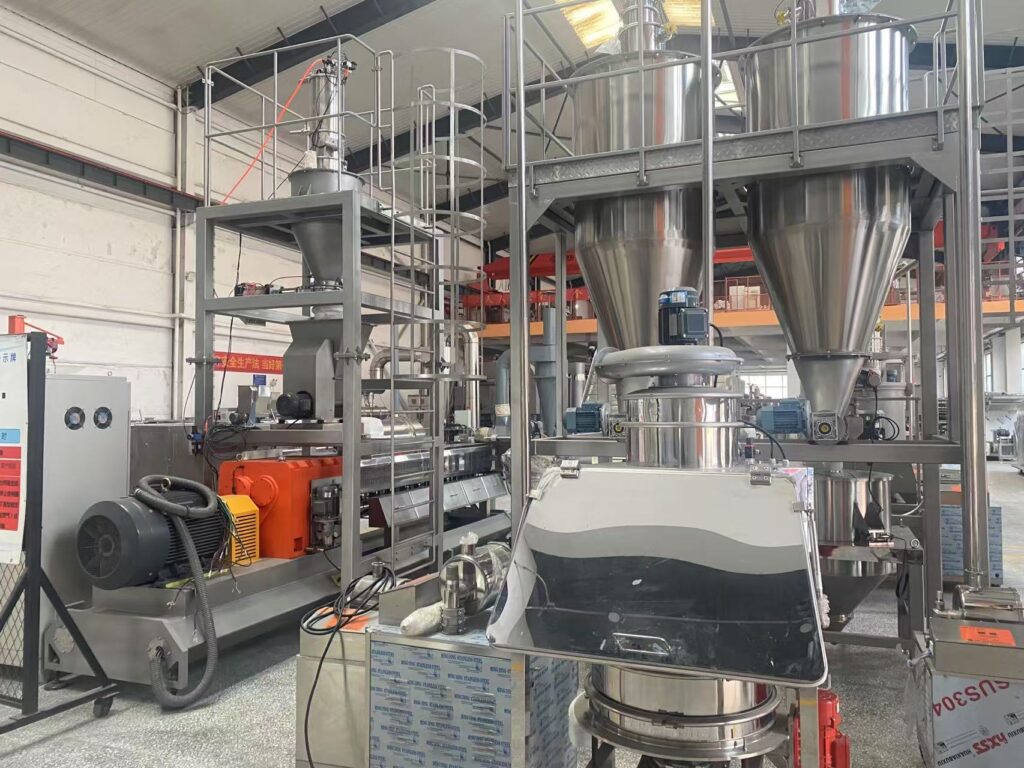
The extruder is the heart of the operation. Fortified rice is typically produced using a twin-screw extruder, which allows for precise control over mechanical energy input.
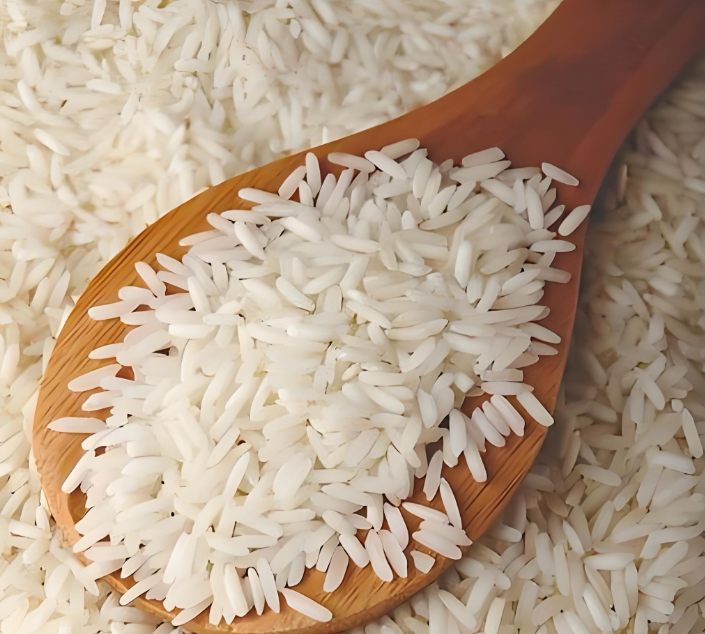
- Temperature Profile: A gradual temperature profile is essential. The barrel temperatures usually range from 70°C to 110°C. This specific range is high enough to fully gelatinize the starch (killing bacteria and anti-nutritional factors) but low enough to preserve heat-sensitive micronutrients like Vitamin A and B-complex vitamins.
- Screw Configuration: The screw design determines the shear (mixing force). Too much shear will break down the starch molecules too aggressively, leading to a sticky melt that is hard to form. Too little shear results in incomplete mixing of the vitamins and poor kernel integrity.
4. Die Design and Cutting Mechanism
The shape and consistency of the final kernel are determined by the die and the cutter.
- Die Plate: The die holes dictate the shape of the rice. For fortified rice, the dies are usually designed to produce a “rice grain” shape (often with a slight taper or oval). The surface finish of the die holes must be polished to a mirror finish to reduce friction, ensuring a smooth extrusion flow without “die drool” (excess material sticking to the die face).
- Cutting Speed: As the dough exits the die, a high-speed rotating knife cuts the product into granules. The synchronization of the feed rate (extruder RPM) and the cutter speed is vital. If the cutter spins too slowly, the kernels will be too long; if it spins too fast, the kernels will be flattened or deformed.
5. Post-Extrusion Drying
Freshly extruded kernels are soft, moist, and highly susceptible to deformation and microbial growth. Drying is the most delicate step; it stabilizes the product.
- Gradual Drying: The kernels must be dried slowly to avoid “case hardening,” where the outside dries too quickly, trapping moisture inside. This trapped moisture eventually causes cracking and fissures (similar to parboiled rice) weeks after production.
- Final Moisture Content: The target moisture after drying should be between 10% and 12%. This is the equilibrium moisture level that ensures a shelf life of 12 to 24 months.
- Tempering: After drying, a tempering period (allowing the kernels to rest in a holding bin) helps equalize the moisture gradient throughout the kernel, relieving internal stresses and preventing post-production breakage.
Conclusion
Successful formation of fortified rice kernels is a synergy of chemistry and engineering. By meticulously controlling the raw material formulation, maintaining optimal moisture levels, fine-tuning extruder parameters, utilizing precise die and cutter mechanisms, and executing a careful drying protocol, manufacturers can produce a fortified rice product that looks, cooks, and tastes like traditional rice while successfully delivering essential nutrients. If you are interested in the fortified rice making machine , you can contact me , i will give you good advice and solutions .
1.Will you help us with the installation ?
Yes , We will send engineers to install and debug the equipment, and assist in training your staff.
2.Are you a factory or trading company?
We are a factory.
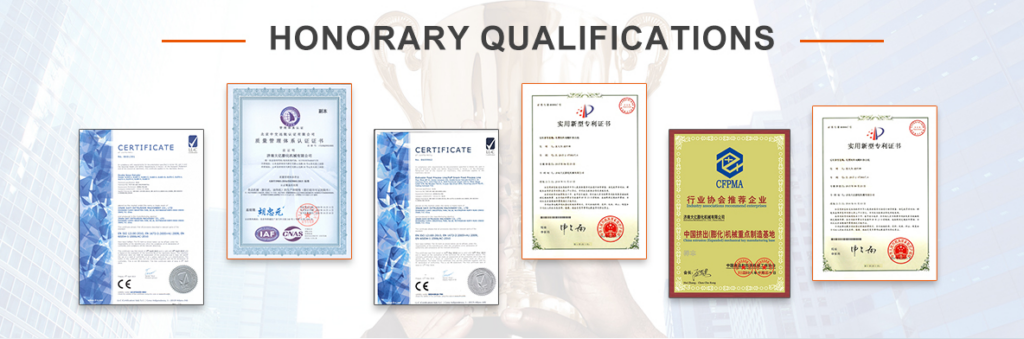
3.What certificate do you have?
We have ISO and CE certificate.
4.How long is the warranty period?
All of our machines have one year warranty.
5.What’s the main market of your company?
Our customers all over the world.
6.How much production capacity of your company one year?
This depends on your needs.
 Spanish
  English
  Russian
  Italian
  Arabic
  Portuguese
  German
  French
  Japanese
  Moroccan Arabic
  Persian
  Belarusian