
Cheetos, the iconic cheesy snack known for its bright orange color and distinctive crunchy texture, is one of the most recognizable snack foods globally. Produced by Frito-Lay (a division of PepsiCo), the manufacturing process combines food science, precision engineering, and industrial-scale efficiency. While the exact proprietary details are closely guarded, the fundamental process involves transforming simple corn grits into the beloved puffed snack through extrusion cooking, frying, and seasoning .
1. Raw Material Preparation and Mixing
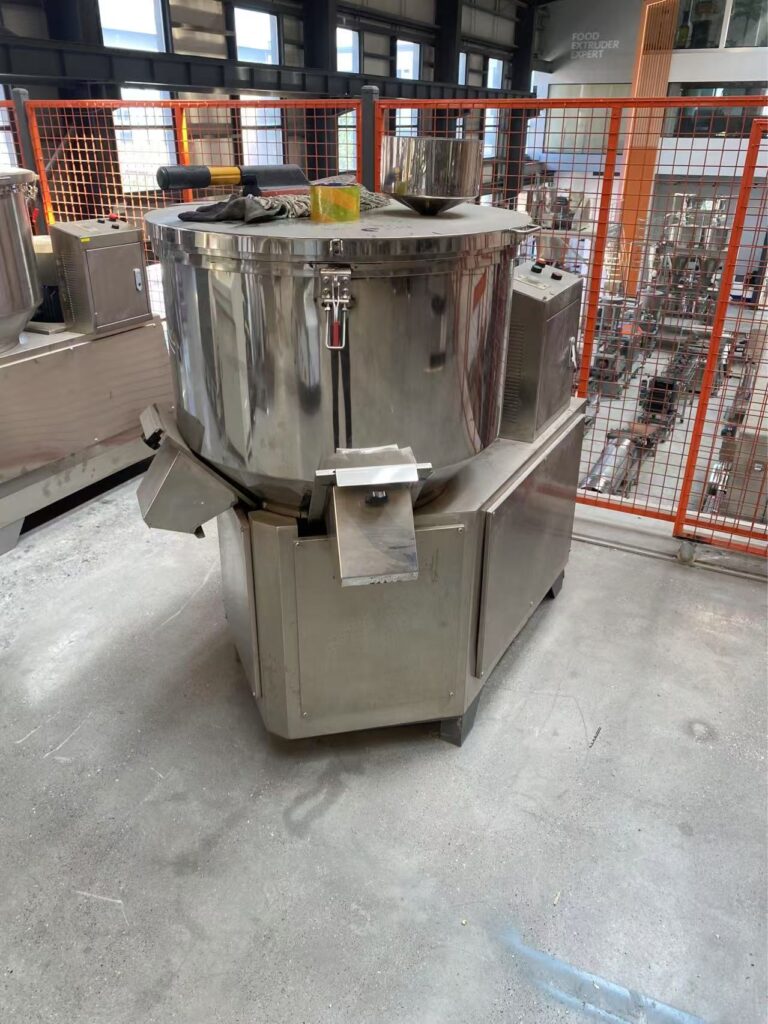
The process begins with the primary ingredient: enriched corn meal. Corn grits are stored in large silos and pneumatically pumped through tubes into the manufacturing facility . The corn meal is mixed with water and sometimes oil in a mixer to achieve a specific moisture content, typically between 12% and 18% for fried Cheetos varieties. This mixture creates a dough-like consistency that is essential for the subsequent extrusion process .
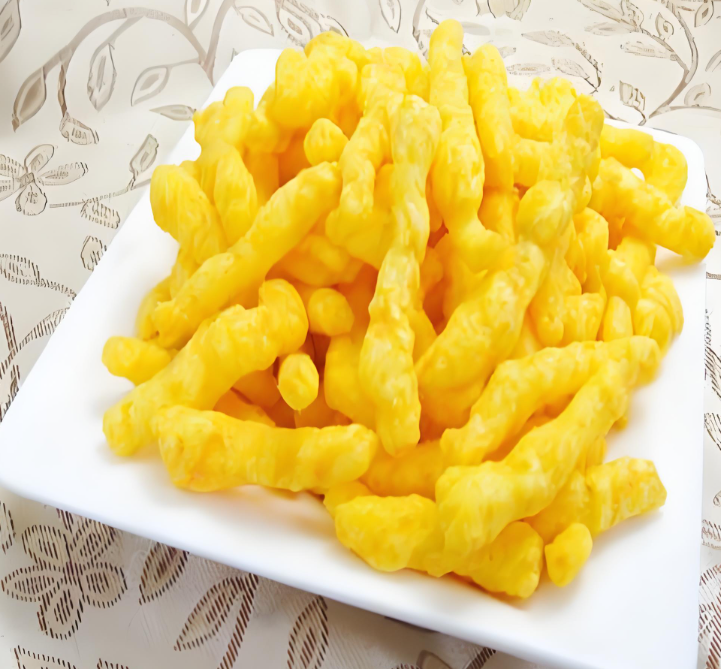
Key ingredients in the base dough include :
- Enriched Corn Meal: The primary structural component, fortified with iron and B vitamins (niacin, thiamin, riboflavin, folic acid)
- Water: Activates starch gelatinization and creates the steam that drives expansion
- Vegetable Oil: Sometimes added to the dough to influence texture
- Cheese Seasoning Components: Some formulations incorporate whey, cheese solids, and seasonings directly into the dough matrix
2. Extrusion: The Heart of the Process
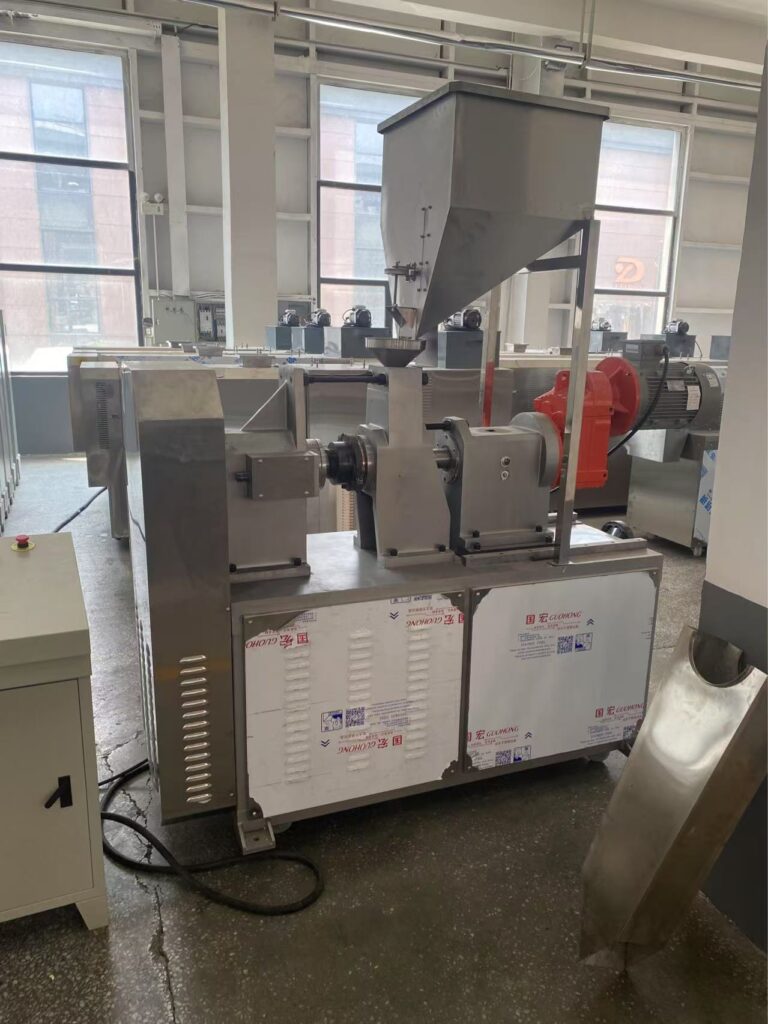
The prepared corn mixture is fed into a specialized extruder—the critical piece of equipment that gives Cheetos their signature shape and texture . For Cheetos production, a rotary head extruder is commonly used. This machine operates on the principle of high-pressure cooking and expansion .
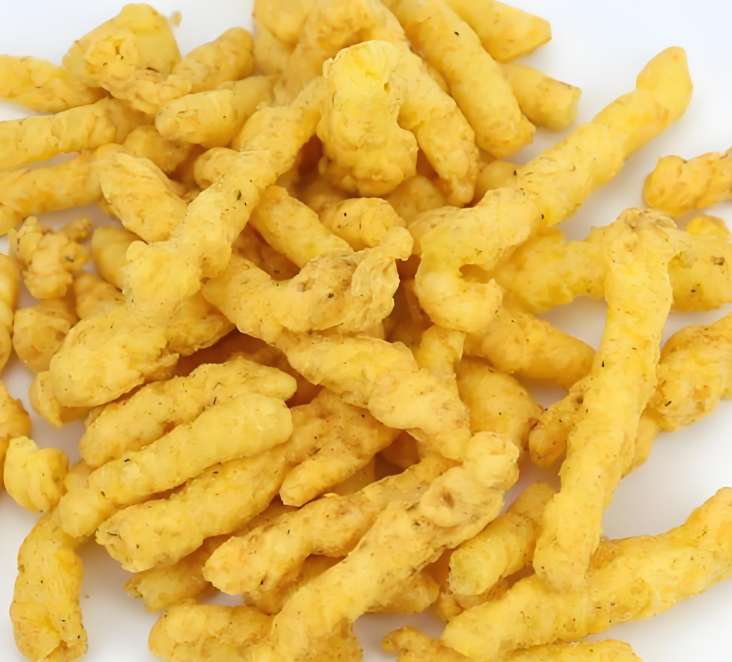
The extrusion process unfolds as follows :
- Feeding: The corn meal mixture is continuously fed into the extruder barrel.
- Friction and Heating: Inside the barrel, rotating screws (often twin-screw configurations for precise control) generate intense mechanical friction. This friction, combined with external heating elements, raises the temperature of the dough to approximately 100–180°C (212–356°F) , well above the boiling point of water.
- Gelatinization: Under this high heat and pressure (typically 30–60 bar), the starch in the corn meal gelatinizes, breaking down and reorganizing into a plastic, molten mass.
- Expansion at the Die: The pressurized, superheated dough is forced through a die plate with specifically shaped holes. As the dough exits the die, the sudden drop in atmospheric pressure causes the superheated water within to instantly flash into steam. This rapid expansion creates the porous, airy cellular structure that defines Cheetos . The distinctive irregular, knobby shape is achieved through the die design and the controlled expansion as the snack exits the extruder and hits a rotating cutter .
3. Cutting and Conveying
As the expanded corn dough emerges from the extruder, a high-speed rotating knife assembly cuts the continuous extrudate into individual pieces of the desired length . The freshly cut pieces are then propelled forward, often flying several feet before hitting a safety cage and dropping onto a conveyor belt, which transports them to the next stage .
4. Frying: Achieving the Signature Crunch
For traditional Crunchy Cheetos (as opposed to Baked varieties), the extruded pieces travel through a continuous fryer filled with hot vegetable oil—typically corn, canola, and/or sunflower oil .
- Purpose: Frying serves two critical functions. First, it imparts a rich, fatty flavor. Second, and most importantly for texture, it drives out residual moisture, reducing the water content to below 2% . This ultra-low moisture level is the key to the snack’s signature crunch and extended shelf life .
- Process: The pieces move through the oil bath, similar to a log flume ride, for a controlled duration (approximately 1–2 minutes) to ensure even cooking and the perfect crispness .
For Baked Cheetos varieties, the pieces are passed through a high-temperature oven instead of a fryer to achieve a lighter texture with less fat .
After frying, the snacks pass through a vibrating de-oiler, which removes excess surface oil to ensure a non-greasy final product .
5. Seasoning: Applying the “Cheetle”
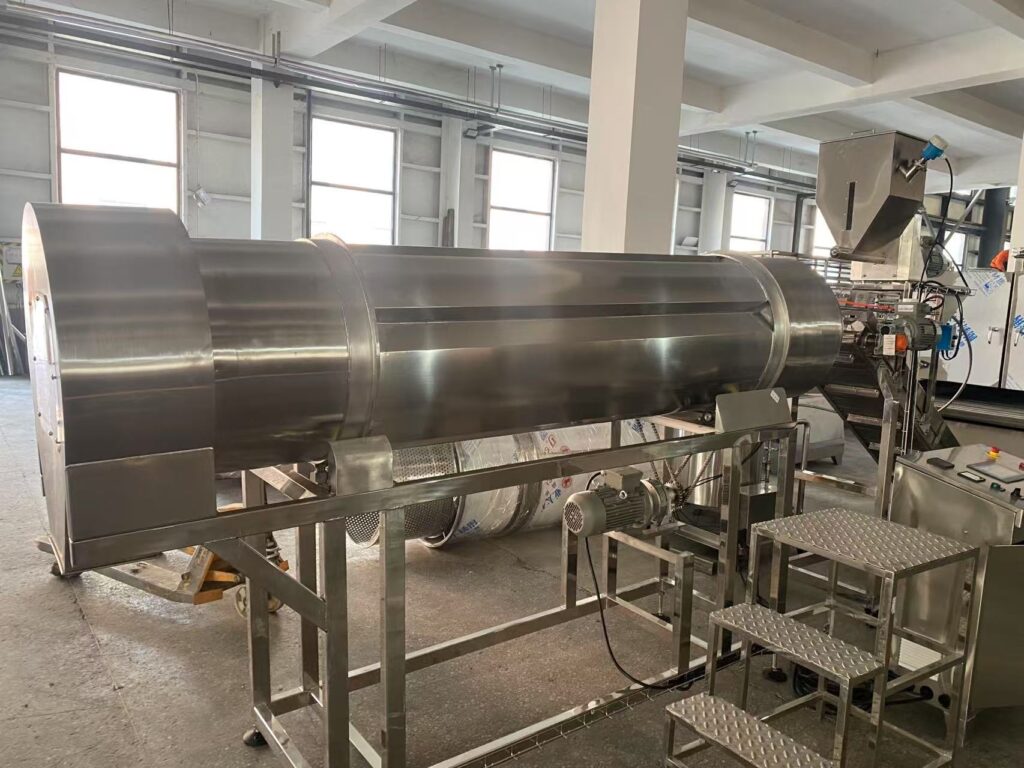
Once fried and de-oiled, the still-warm Cheetos enter a large tumbling drum or seasoning line . This is where the famous cheese coating—often referred to by fans as “cheetle”—is applied.
- Oil Spray: In many modern systems, a fine mist of oil is first sprayed onto the snacks as they tumble. This oil acts as an adhesive, helping the powdered seasoning stick to the surface .
- Powder Application: A proprietary blend of cheese seasoning is then dusted onto the snacks. The seasoning typically contains whey, cheddar cheese (made from milk, cheese cultures, salt, and enzymes), buttermilk, salt, monosodium glutamate (MSG), and natural and artificial flavors . The vibrant orange color comes from artificial colors such as Yellow 6, Yellow 5, and Red 40 .
- Uniform Coating: The tumbling action ensures that each piece receives an even coating of the flavorful powder from all angles .
6. Cooling and Packaging
After seasoning, the Cheetos are transferred to a final cooling conveyor. Here, any remaining moisture evaporates as the snacks cool to room temperature, stabilizing the texture .
Finally, the finished product is conveyed to high-speed packaging machines. These machines automatically weigh, fill, and seal the snacks into bags, often using nitrogen flushing to remove oxygen and preserve freshness and crunchiness during storage and transport .
Quality Control: Ensuring Consistency
Throughout the production process, rigorous quality control measures are in place to ensure every bag of Cheetos meets Frito-Lay’s standards :
- Chemical Analysis: Every half hour, samples are pulled from the line and analyzed in an in-house lab to verify correct density, moisture content, and nutritional profile.
- Sensory Evaluation: Every four hours, a trained four-person panel conducts a taste test. They compare the production samples against “perfect” reference Cheetos sent from headquarters, evaluating texture, flavor intensity, and overall quality.
Summary Table: Cheetos Processing Stages
| Stage | Equipment | Key Process | Purpose |
|---|---|---|---|
| Mixing | Mixer | Combine corn meal, water, oil | Create homogeneous dough base |
| Extrusion | Rotary Head Extruder | High pressure, heat, expansion | Shape, cook, and create porous texture |
| Cutting | Rotary Knife Assembly | Cut extrudate to length | Form individual snack pieces |
| Frying | Continuous Fryer | Submerge in hot oil (for Crunchy) | Remove moisture, add flavor, achieve crunch |
| Seasoning | Tumble Drum | Spray oil, coat with cheese powder | Apply signature flavor |
| Packaging | Packaging Machine | Weigh, fill, seal bags | Preserve freshness, prepare for distribution |
Conclusion
The manufacturing process of Cheetos is a sophisticated industrial operation that transforms simple corn meal into a globally loved snack in just minutes . By precisely controlling the variables of moisture, temperature, pressure during extrusion, and the subsequent frying and seasoning steps, manufacturers achieve the product’s signature light, crunchy texture and bold, cheesy flavor. From the initial mixing of ingredients to the final quality control checks, each stage is carefully orchestrated to deliver the consistent, crave-worthy experience that consumers expect from this iconic brand . If you are interested in the cheetos making machine , you can contact me , i will give you good advice and solutions .
1.Will you help us with the installation ?
Yes , We will send engineers to install and debug the equipment, and assist in training your staff.
2.Are you a factory or trading company?
We are a factory.
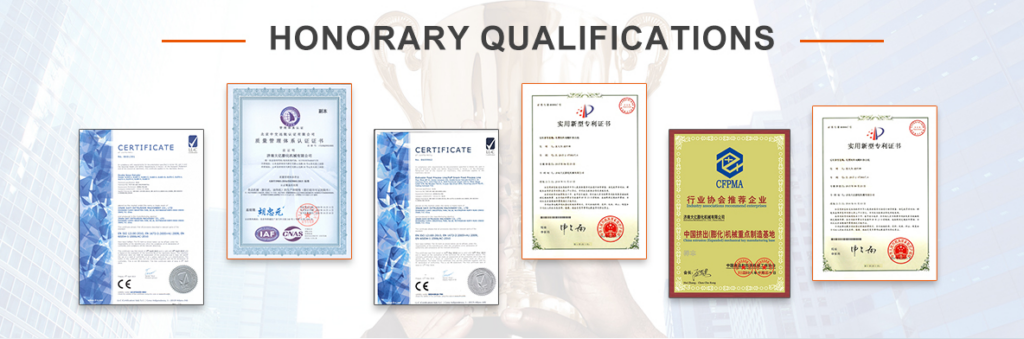
3.What certificate do you have?
We have ISO and CE certificate.
4.How long is the warranty period?
All of our machines have one year warranty.
5.What’s the main market of your company?
Our customers all over the world.
6.How much production capacity of your company one year?
This depends on your needs.
 German
  English
  Russian
  Spanish
  Italian
  Arabic
  Portuguese
  French
  Japanese
  Moroccan Arabic
  Persian
  Belarusian